Historical & Cultural Landmarks in Peru

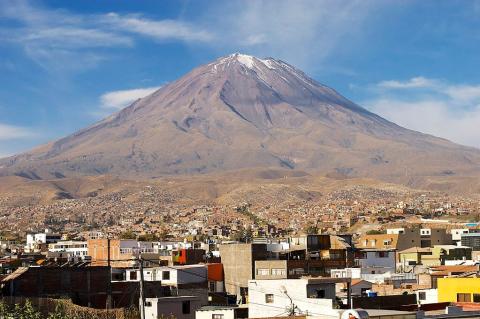
Arequipa: Unveiling the Legacy of Peru's White City

Located in southern Peru and nestled amidst the Andes Mountains, Arequipa represents the country's diverse history and cultural wealth. The city is called "The White City" due to its abundant use of volcanic stone in construction. It is a captivating fusion of European and indigenous influences, and its Historical Center, designated by UNESCO, is the heart of its charm. The Historical Center showcases centuries of architectural excellence and cultural customs.

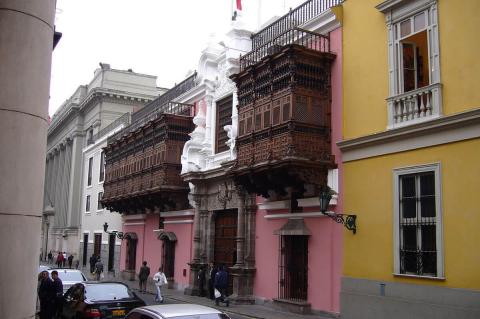
Exploring the Monumental Legacy of Lima's Historic Center

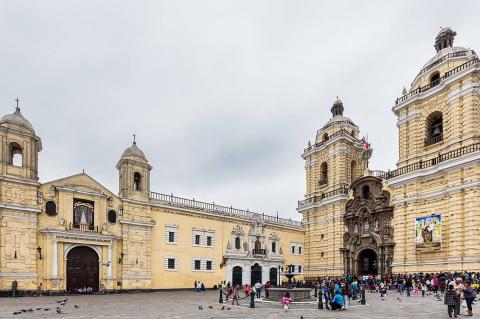
Nestled in the Rimac Valley, the Historic Center of Lima, originally christened 'Ciudad de Los Reyes' (City of the Kings), stands as a living testament to the city's rich colonial heritage and its pivotal role in the history of the New World. Founded by Spanish conqueror Francisco Pizarro in January 1535 on the territories once led by the Chiefdom of Rimac, this UNESCO World Heritage Site is a captivating tapestry woven with architectural masterpieces, religious grandeur, and a cultural legacy that has endured for centuries.

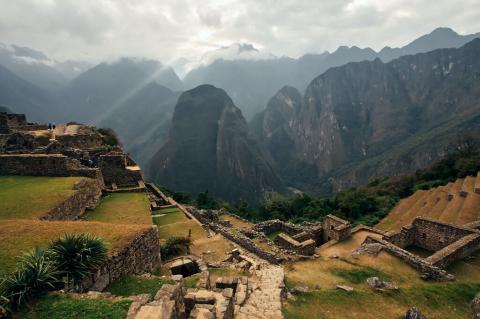
Machu Picchu: Where Stone Dreams Meet Cloud Forest Mysteries

High above the Urubamba Valley, where Andean peaks pierce clouds and ancient mists whisper of forgotten ceremonies, stands Machu Picchu—perhaps the most enigmatic human achievement. This stone citadel seems to float between Earth and sky, its granite walls rising naturally from the mountain ridge like a formation shaped by divine hands rather than human tools. From its precisely engineered terraces to its role as guardian of numerous species, Machu Picchu is a masterpiece where human ingenuity harmonized with Earth's biodiversity.

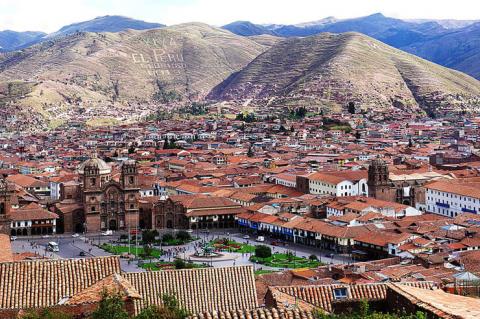
The Living Heritage of Cusco: A Journey Through Time in Peru's Sacred Valley

Perched high in the Andes within Peru's Sacred Valley, Cusco exemplifies a living cultural heritage where ancient Inca stonework seamlessly integrates with Spanish colonial architecture. Once the heart of Tawantinsuyu, this UNESCO World Heritage city serves as a gateway to Machu Picchu for millions of annual visitors while maintaining vibrant indigenous traditions. From the legendary Qoricancha temple to bustling markets where Quechua-speaking vendors sell traditional textiles, Cusco reveals a place where the boundaries between past and present dissolve into extraordinary harmony.

The Nazca Lines: Mysteries of Ancient Peru

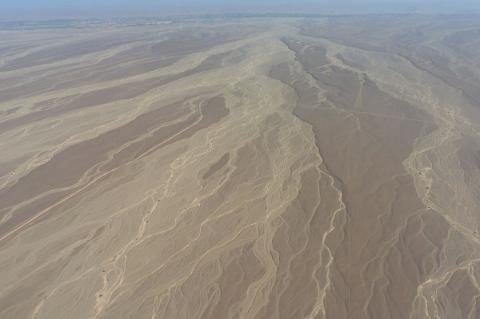
The arid plains of southern Peru, etched with a mesmerizing network of colossal geoglyphs, stand as a profound testament to the artistic and intellectual capabilities of the ancient Nasca and Paracas cultures. Stretching across the ochre-hued expanse known as the Nazca Desert, or Pampa Colorada (Red Plain), and extending into the neighboring Pampas de Jumana, these striking formations represent one of the world's most iconic and enduring archaeological enigmas.

The Pan-American Highway: Linking North, Central, and South America

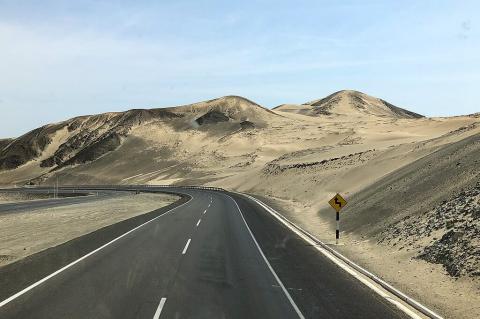
Stretching from the frozen tundras of Alaska to the windswept landscapes of Tierra del Fuego, the Pan-American Highway is a testament to human ingenuity and the indomitable spirit of connectivity. This vast network of roads is one of the most extensive and ambitious transportation systems ever conceived, serving as a vital artery for trade, tourism, and cultural exchange across the Americas. Despite the monumental achievements of the highway, a formidable obstacle remains – the Darién Gap.

The Urubamba Valley: Sacred Heart of the Inca Empire

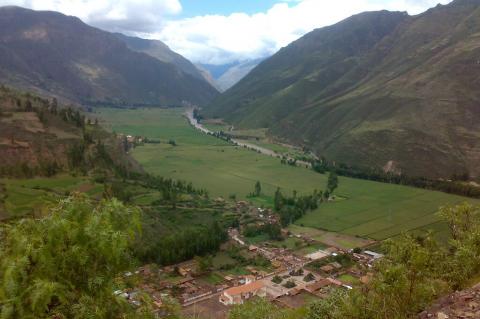
The Urubamba Valley, or Sacred Valley of the Incas, extends 100 km through Peru's Andes at 2,050-3,700 meters altitude. This fertile land, shaped by the Urubamba River and sacred to Inca cosmology, hosts key archaeological sites such as Machu Picchu, Ollantaytambo, and Pisac. Quechua communities preserve ancient agriculture on terraced slopes where native species like Polylepis trees and Vicugna vicugna thrive. Sustainable tourism supports preservation and economic growth in this UNESCO World Heritage site.