Latest Entries

The Sierra Madre de Oaxaca: Heart of Southern Mexico

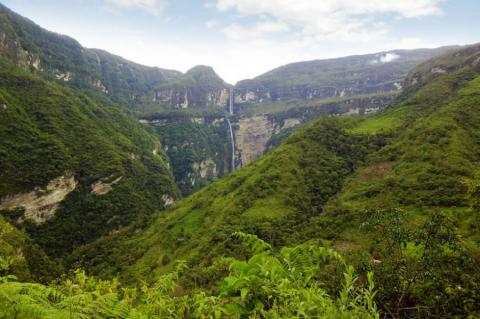
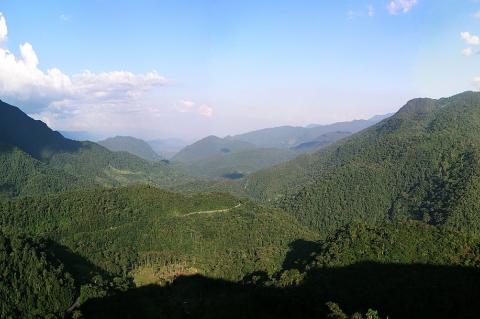
The Sierra Madre de Oaxaca is one of Mexico's most biologically and culturally rich mountain ranges, spanning parts of Oaxaca, Puebla, and Veracruz. This range forms a crucial component of the Sierra Madre mountain system, linking the Sierra Madre Oriental to the east and the Sierra Madre del Sur to the south. Known for its rugged terrain and diverse ecosystems, the range has played a pivotal role in shaping southern Mexico's environment, history, and cultures.

The Sierra Madre Oriental: The Eastern Highlands of Mexico

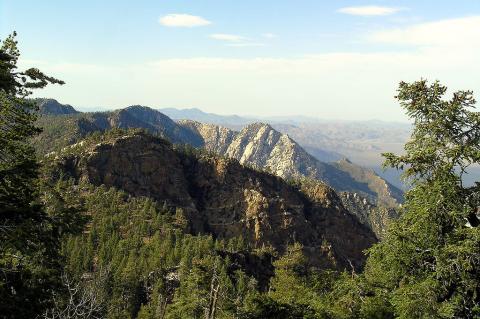
The Sierra Madre Oriental runs parallel to Mexico's Gulf Coast and is crucial to the country's geography, ecology, and culture. It stretches from Coahuila near the U.S.-Mexico border to Puebla, forming part of the Sierra Madre Mountain System. Home to cloud forests, colonial silver-mining towns, and a surprising 19th-century Cornish legacy, it forms the eastern wall of the Mexican Plateau.

Río Bravo del Norte: The Great River That Unites and Divides Two Nations

In the high peaks of Colorado's San Juan Mountains, where crystalline streams gather force from melting snowfields, one of North America's most culturally and politically significant waterways begins. Known as the Rio Grande in the United States and Río Bravo del Norte in Mexico, this continental river spans 3,051 km (1,896 mi) as it carves its path from alpine tundra to tropical delta, ultimately serving as the international boundary between the two nations.

The Sierra Madre Occidental: Mexico's Majestic Western Backbone

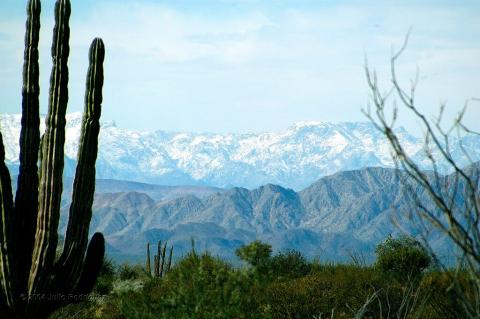
The Sierra Madre Occidental, Mexico's most extensive mountain range, is one of the country's most significant geographical, ecological, and cultural landmarks. Stretching from the U.S.-Mexico border in Sonora and Chihuahua to the western states of Jalisco and Michoacán, this dramatic range is a defining feature of the nation's landscape. With its towering peaks, deep canyons, rich biodiversity, and deep cultural roots, the Sierra Madre Occidental shapes Mexico's environment, history, and identity.

The Sierra Madre: Mexico's Magnificent Mountain Kingdom

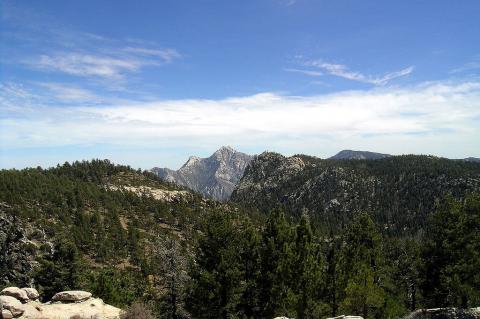
Stretching majestically across Mexico, the Sierra Madre mountain system forms an awe-inspiring backbone that encloses the central Mexican Plateau. This vast and intricate network of ranges, part of the mighty American Cordillera, extends in a broad northwest-southeast arc, encompassing an extraordinary range of landscapes, ecosystems, and cultural heritage that have shaped the essence of Mexico.

The Atlantic Forest: Brazil's Most Endangered Biodiversity Hotspot

The Atlantic Forest, or Mata Atlântica, showcases extraordinary biological richness and severe human impact. Once a vast verdant tapestry stretching along Brazil's eastern and southeastern coastline, with tendrils extending into northeastern Argentina and eastern Paraguay, this unique biome has been drastically reduced by centuries of relentless deforestation driven by agricultural expansion, logging, industrial development, and urbanization, leaving behind a highly fragmented mosaic of isolated forest patches.

The Atacama Desert: Earth's Most Arid Frontier

The Atacama Desert, stretching along Chile's Pacific coast, is Earth's most arid non-polar environment, where some weather stations have never recorded measurable rainfall. Despite its reputation as a lifeless wasteland, the Atacama supports remarkable biodiversity, unique geology, and Indigenous cultures that have adapted to survive here for millennia, while its pristine skies and mineral wealth have made it a global center for astronomy, mining, and the ongoing tension between resource extraction and conservation.

Salar del Hombre Muerto and Salinas Grandes: Argentina's Divided Lithium Frontier

In the high desert of northwestern Argentina, two great salt flats sit atop some of the world's richest lithium reserves. Salar del Hombre Muerto and Salinas Grandes have followed sharply divergent paths: one is now defined by two decades of active extraction and its disputed consequences, the other by sustained Indigenous resistance that has so far kept mining at bay.

San Pedro de Atacama's Los Flamencos Reserve: Flamingos, Salt Flats, and a Lithium Reckoning

Los Flamencos National Reserve protects seven non-contiguous sectors of salt flat, wetland, and high-Andean desert across Chile's Atacama region. Home to all three of Chile's flamingo species, the reserve also sits atop one of the world's largest lithium deposits, making it a focal point of an ongoing conflict between conservation, Indigenous water rights, and global battery-mineral demand.

The Chilean and Argentine Andes: One Border, Two Climates

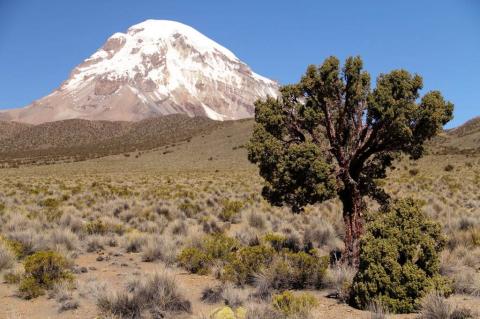
Stretching like a mighty spine along the western edge of South America, the Andes Mountain Range stands as a towering testament to nature's grandeur and complexity. At its heart lies the Chilean and Argentine Andes, where the border between these two nations runs for roughly 5,300 km (3,300 mi)—the longest international mountain border in the world—defined by soaring peaks, glacial valleys, and landscapes that shift from arid desolation in the north to lush, glaciated splendor in the south.