Andes Mountains

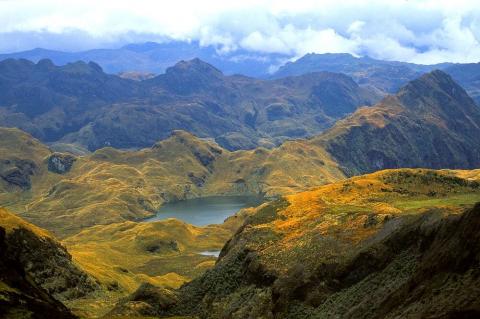
The Ecuadorian Andes: Where the Equator Meets the Snow Line

The Ecuadorian Andes are divided into parallel volcanic cordilleras that form Ecuador's central Andean highlands region. This Sierra natural region contains ten major basins and roughly half of Ecuador's population, and includes the only point on Earth's equator with permanent snow. This vast region has towering peaks, deep valleys, and geological wonders that have captivated explorers and nature enthusiasts for centuries.

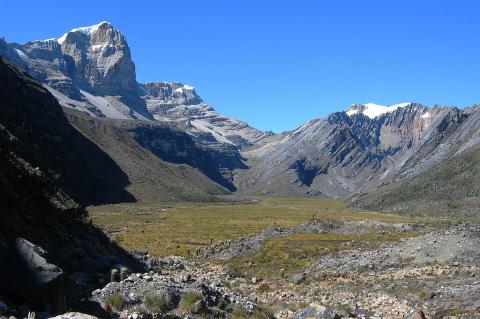
The Icy Giants of the Colombian Andes: Exploring the Sierra Nevada de Güicán, El Cocuy, and Chita

The Sierra Nevada de Güicán, El Cocuy, and Chita is a breathtaking range within the Andes Mountains of Colombia. This range, known for its stunning snow-capped peaks and glacial landscapes, is Colombia's largest glacial mass and the largest in South America north of the equator. This range holds deep cultural significance for the indigenous U'wa people and is a haven for biodiversity. Its awe-inspiring beauty and ecological and cultural importance make it one of Colombia's most treasured natural landmarks.

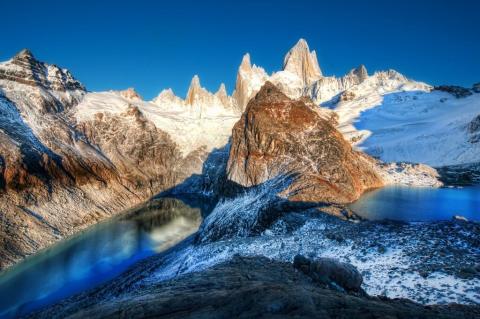
The Patagonian and Fuegian Andes: Spine of the World's End

Rising from the steppes of southern Argentina and Chile, the Patagonian and Fuegian Andes form a spectacular and complex mountain system. This southern extension of the Andean chain features dramatic landscapes, towering granite spires, ancient ice fields, and active volcanic peaks. These mountains serve as a living laboratory of planetary processes, a refuge for unique ecosystems, and a testament to the powerful natural forces that have shaped our world.

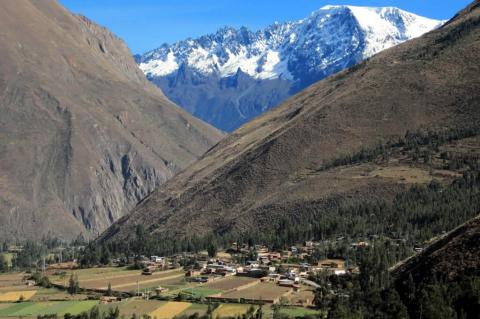
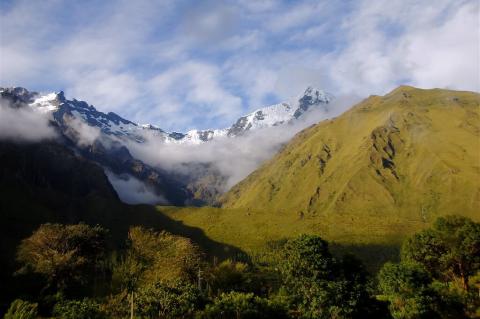
The Peruvian Andes: Peru's Sierra Region Where Earth Touches Sky

Rising from the Pacific plains to the Amazon Rainforest, Peru's Sierra is one of Earth's most spectacular mountain systems. This vast highland area, the Peruvian section of the Andes, runs through the country like a geological spine, influencing its landscape, climate, biodiversity, and cultural heritage. The region is mainly characterized by three main cordilleras, or mountain ranges, each with unique geological traits, climate conditions, and ecological systems.

The Tropical Andes: Earth's Most Biodiverse Hotspot

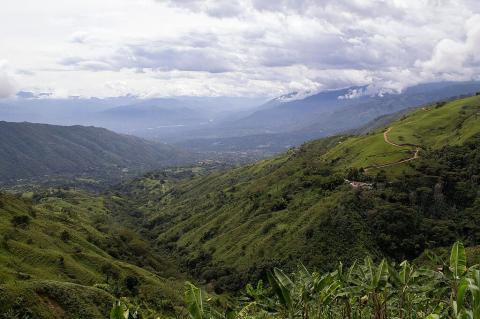
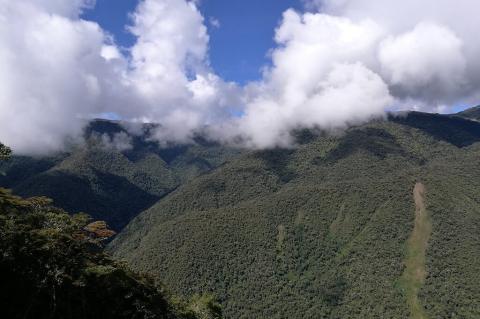
Stretching from western Venezuela to northern Bolivia, the Tropical Andes is one of the most remarkable places on Earth. This vast mountain system encompasses snow-capped peaks, verdant cloud forests, high-altitude grasslands, and plunging river valleys — all within a single continuous region. It is formally recognized as a Biodiversity Hotspot — and not merely one among many. By virtually every measure, the Tropical Andes ranks as the most biologically diverse hotspot on the planet.

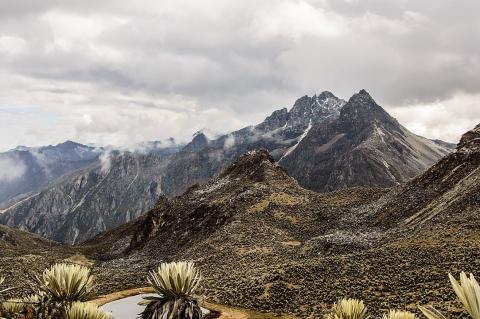
The Venezuelan Andes: A Jewel of the Tropical Andes

The Venezuelan Andes, also known as the Venezuelan Andean Cordillera, represent the northernmost extension of the Andes Mountain range, the point where South America's great mountain system first rises from the Caribbean coastal lowlands. This region is vital to Venezuela's natural and geographic landscape, offering a rich tapestry of ecological diversity, geological significance, and cultural heritage.