
Central Atlantic Forest Ecological Corridor: A Lifeline for Brazil's Biodiversity
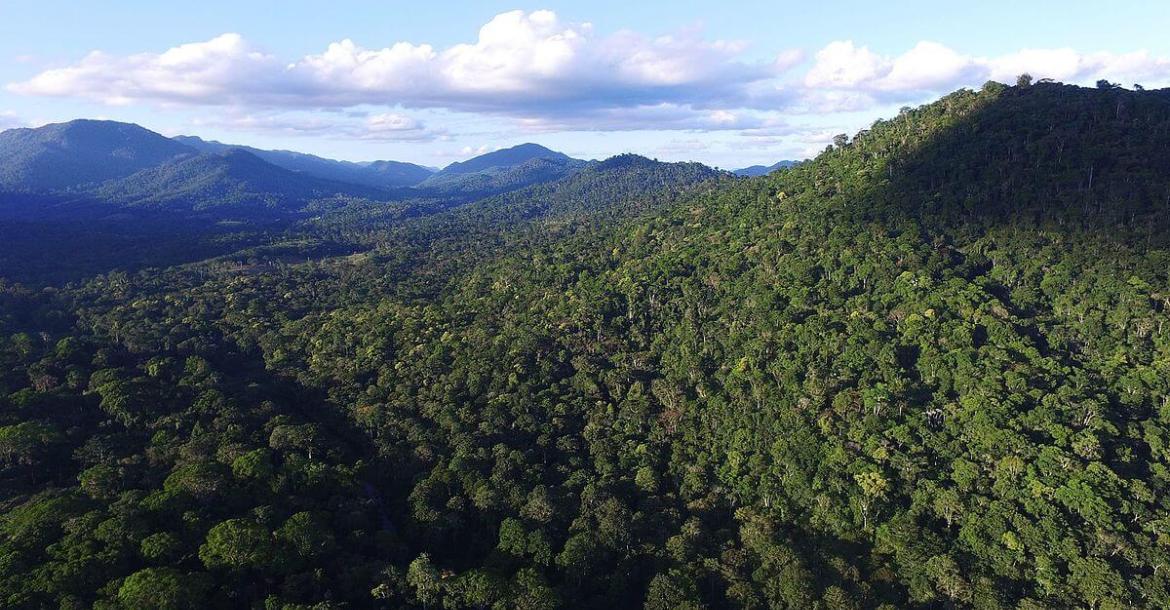
The Central Atlantic Forest Ecological Corridor (CAFEC) is one of Brazil's most ambitious and important conservation efforts. This ecological corridor acts as a crucial link, connecting fragmented pieces of the Atlantic Forest (Mata Atlântica), one of the world's most biodiverse and threatened biomes.
Safeguarding an Evolutionary Treasure: The Atlantic Forest Corridor
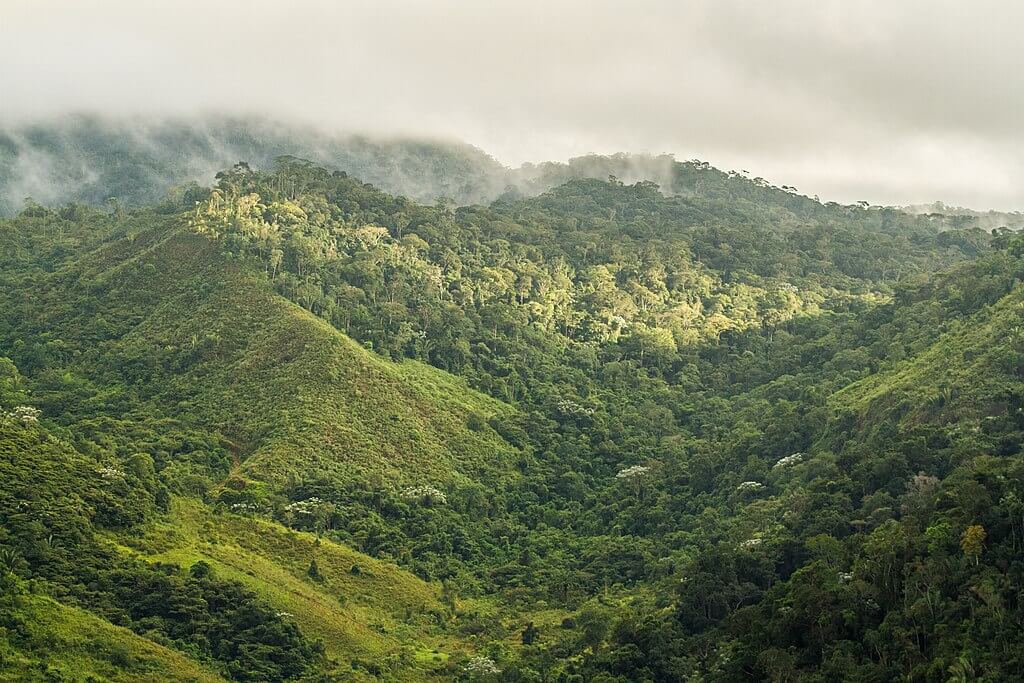
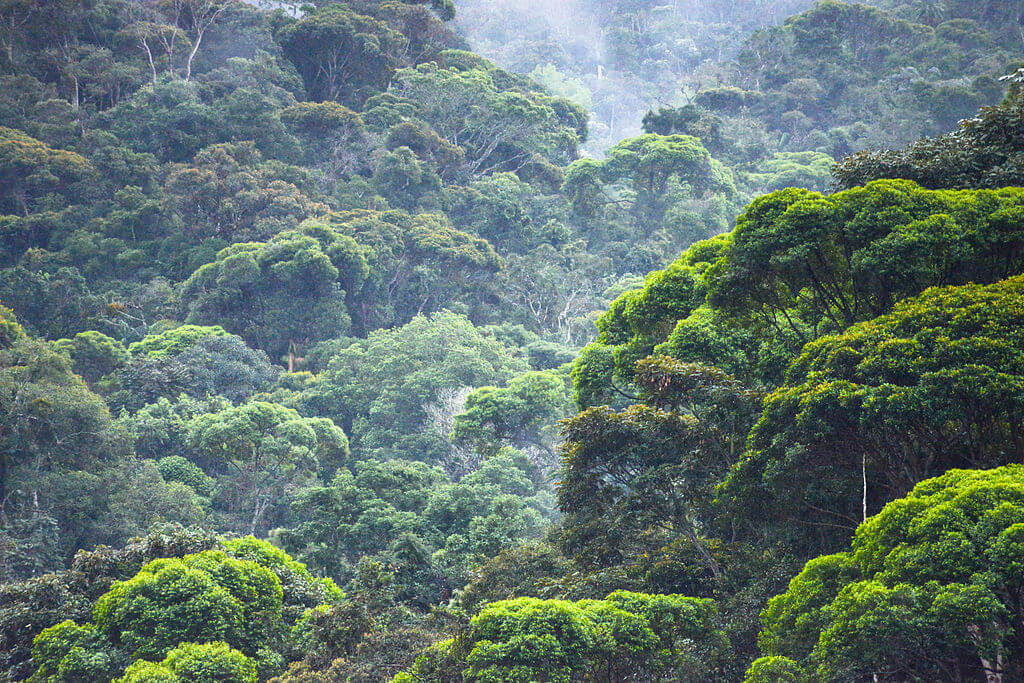
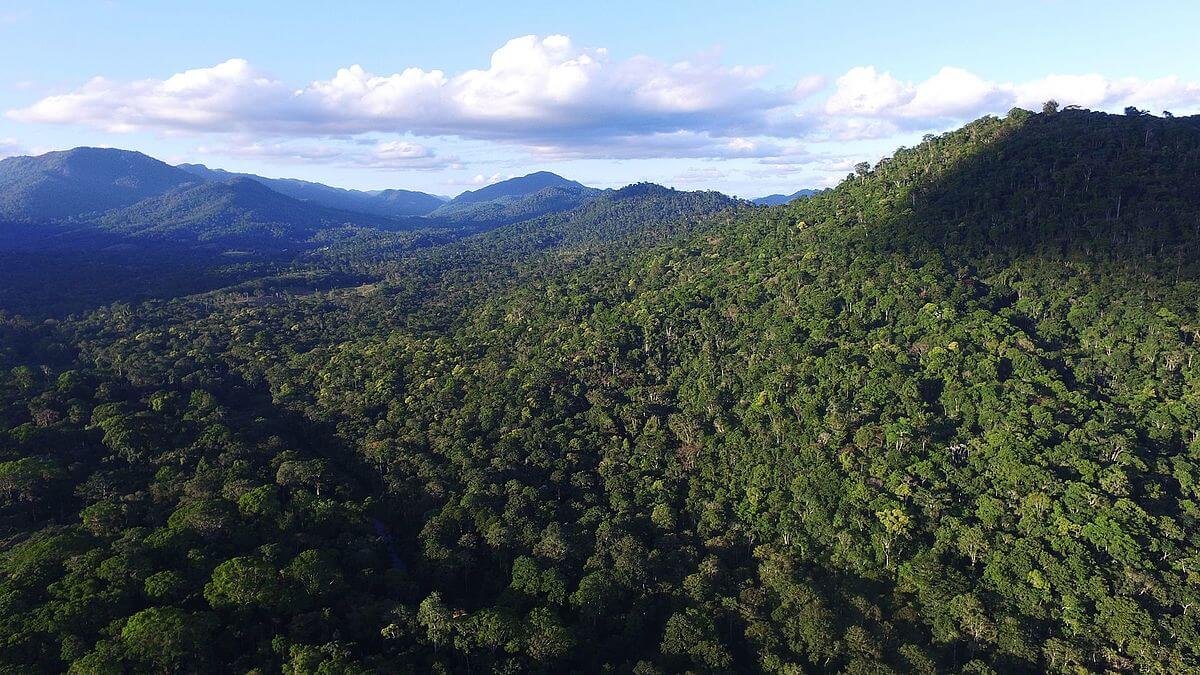
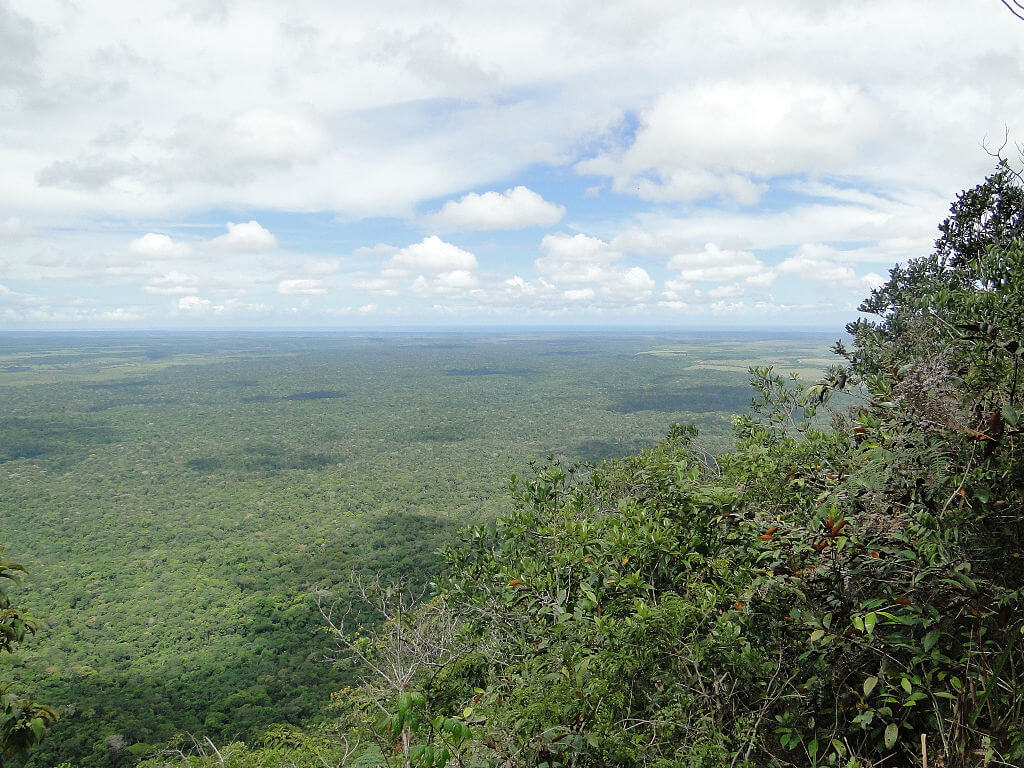
The Central Atlantic Forest Ecological Corridor (CAFEC), known in Portuguese as the Corredor Ecológico da Mata Atlântica Central, represents one of Brazil's most ambitious and critically important conservation initiatives. This remarkable ecological corridor serves as a vital lifeline connecting fragmented remnants of the Atlantic Forest (Mata Atlântica), one of the world's most biodiverse yet threatened biomes. Spanning approximately 260 kilometers (161 miles) in length and 100 kilometers (62 miles) in width, the corridor encompasses over 8.6 million hectares (21.2 million acres) across the states of Espírito Santo and Bahia, creating a network of protected areas that safeguards extraordinary biodiversity while promoting ecosystem connectivity.
Geographic Context and Scope
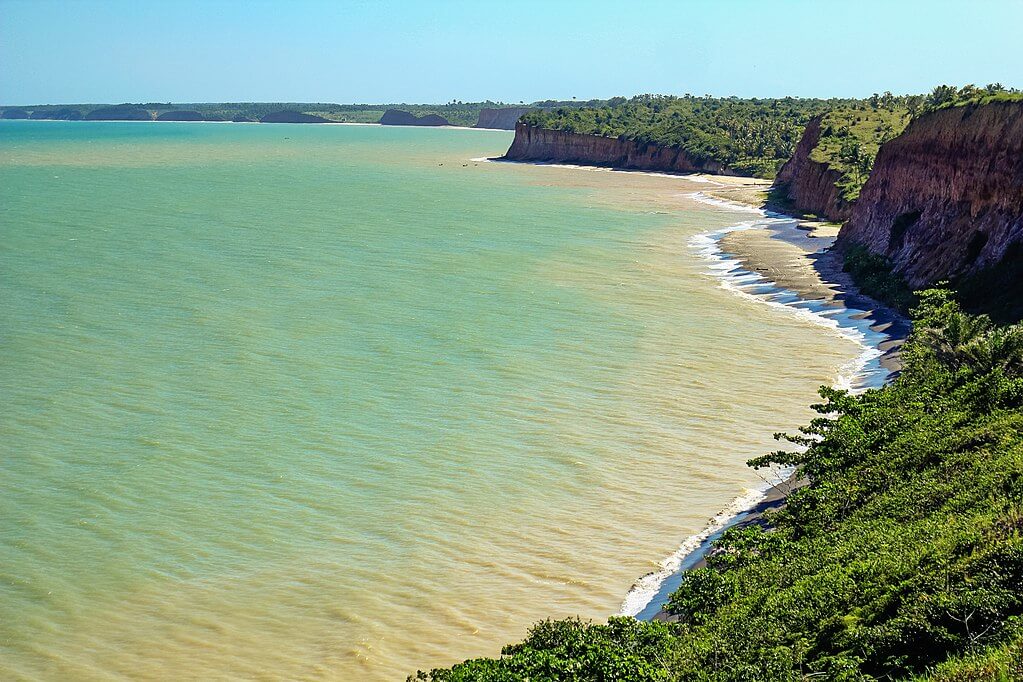
The Central Atlantic Forest Ecological Corridor is strategically positioned along Brazil's eastern coast, primarily within the states of Espírito Santo and Bahia, with extensions into neighboring regions. This placement is crucial, as it connects some of the most significant remaining Atlantic Forest fragments in an area that has experienced intensive human development pressure over centuries.
The corridor's design reflects a comprehensive understanding of landscape ecology, incorporating not only strictly protected areas but also private reserves, Indigenous territories, and sustainable-use zones. This multi-faceted approach recognizes that effective conservation in heavily fragmented landscapes requires collaboration across different land tenure systems and management approaches.
The Atlantic Forest: A Global Biodiversity Hotspot
To understand the significance of CAFEC, one must first appreciate the extraordinary nature of the Atlantic Forest biome itself. Originally covering approximately 1.3 million square kilometers (502,000 square miles) along Brazil's Atlantic coast, this biome once extended from Rio Grande do Norte in the north to Rio Grande do Sul in the south, reaching inland to eastern Paraguay and northeastern Argentina.
The Atlantic Forest harbors over 20,000 species of vascular plants—more than the entire European flora—and approximately 2,200 species of vertebrates, including 800 bird species, 370 amphibian species, and 200 reptile species. Remarkably, approximately 60% of these species are endemic, meaning they are found nowhere else on Earth. This extraordinary endemism results from the biome's complex topography, varied climate conditions, and long evolutionary history of isolation.
The forest encompasses a diverse range of ecosystems, including lowland rainforests, montane cloud forests, coastal restingas (sandy coastal forests), mangroves, and high-altitude grasslands. Each ecosystem supports unique assemblages of species adapted to specific environmental conditions, contributing to the overall biodiversity richness that makes the Atlantic Forest one of the world's most important biodiversity hotspots.
Conservation Challenges and the Fragmentation Crisis
The Atlantic Forest faces an unprecedented conservation crisis. More than 500 years of European colonization, agricultural expansion, urbanization, and industrial development have reduced the original forest cover to approximately 7-12% of its historical extent. The remaining fragments are highly fragmented, with most patches being small, isolated, and subject to edge effects that further degrade their ecological integrity.
This fragmentation has profound consequences for biodiversity conservation. Small, isolated populations are more vulnerable to genetic bottlenecks, inbreeding depression, and local extinctions. Many species require large territories or depend on resources that span multiple habitats, making them particularly susceptible to habitat fragmentation. The golden lion tamarin, for instance, requires approximately 40 hectares (99 acres) of forest per group, making viable populations impossible in small fragments of forest.
CAFEC's Strategic Approach to Conservation
The Central Atlantic Forest Ecological Corridor addresses these challenges through a landscape-scale conservation strategy that emphasizes the restoration of connectivity and ecosystem integration. Rather than focusing solely on individual protected areas, CAFEC creates a network of interconnected habitats that enables species movement, genetic exchange, and ecosystem processes to function at the landscape scale.
Core Protected Areas
The corridor encompasses a diverse array of protected areas, each contributing unique ecological and conservation values:
National Parks
Abrolhos Marine National Park represents a crucial marine component of the corridor, protecting 8,844 square kilometers (3,414 square miles) of marine ecosystems off the coast of Bahia. The park's coral reefs constitute the largest and richest reef complex in the South Atlantic, supporting exceptional marine biodiversity and serving as critical breeding grounds for humpback whales.
Descobrimento National Park preserves both ecological and historical significance, protecting Atlantic Forest ecosystems at the site where Portuguese explorers first landed in Brazil in 1500. This dual significance highlights the deep connections between natural and cultural heritage in the region.
Monte Pascoal National Park safeguards the mountain that Portuguese navigators first sighted upon reaching Brazil, combining historical importance with the protection of unique montane Atlantic Forest ecosystems.
Pau-Brasil National Park protects remnants of the Atlantic Forest while preserving the cultural significance of the brazilwood tree (Caesalpinia echinata), which gave Brazil its name and played a crucial role in early colonial exploitation.
Caparaó National Park, straddling the border between Minas Gerais and Espírito Santo, protects high-altitude Atlantic Forest ecosystems and includes Pico da Bandeira, one of Brazil's highest peaks. The park's altitudinal gradients support diverse ecosystems from montane forests to high-altitude grasslands.
State Parks and Biological Reserves
Linhares State Park represents one of the most significant remnants of the Atlantic Forest in Espírito Santo, protecting over 22,000 hectares (54,363 acres) of lowland forest that serves as a crucial habitat for numerous endangered species.
Sooretama Biological Reserve is particularly important for primate conservation, serving as a critical habitat for the northern muriqui (Brachyteles hypoxanthus), the largest primate in the Americas and one of the world's most endangered primates.
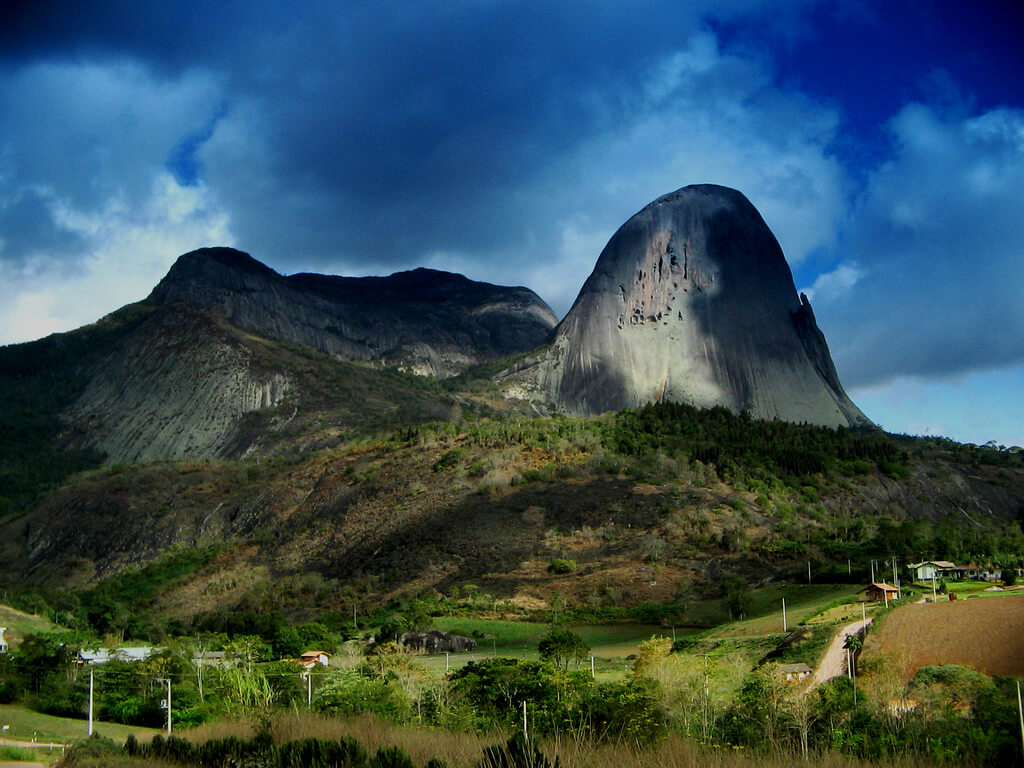
Pedra Azul State Park protects unique granite inselberg ecosystems, where specialized plant communities have evolved on rocky outcrops surrounded by forest.
Wildlife Refuges and Specialized Habitats
The corridor includes several wildlife refuges that protect specific habitats and species. Santa Luzia Wildlife Refuge conserves mangrove ecosystems that serve as nurseries for marine species and provide critical habitat for numerous bird species. Carijós Wildlife Refuge protects coastal wetlands essential for migratory bird species that traverse the Atlantic coast.
Discovery Coast Atlantic Forest Reserves: A UNESCO World Heritage Component
A significant subset of the Central Atlantic Forest Ecological Corridor is the Discovery Coast Atlantic Forest Reserves, which have been designated as a UNESCO World Heritage Site. This designation specifically recognizes both the historical and cultural significance of these reserves—as the region where Portuguese explorers first encountered Brazil in 1500—while simultaneously emphasizing their exceptional ecological value within the broader Atlantic Forest conservation framework.
The UNESCO designation underscores the dual significance of this region: its historical importance as a site of profound relevance to Brazil and the Americas, and its role as a repository of irreplaceable biodiversity. The Discovery Coast reserves exemplify how natural and cultural heritage can be interconnected, with the same landscapes that witnessed pivotal moments in human history also serving as sanctuaries for endemic species and threatened ecosystems.
While the Discovery Coast reserves focus on this specific historically and ecologically significant area, CAFEC represents a more comprehensive conservation initiative that seeks to protect and connect diverse ecosystems and habitats across the entire Central Atlantic Forest region. The UNESCO-listed reserves thus serve as anchor points within the larger corridor network, providing internationally recognized protection for some of the most significant remaining Atlantic Forest fragments while contributing to the broader landscape-scale conservation strategy.
Biodiversity Significance and Endemic Species
The Central Atlantic Forest Ecological Corridor supports an extraordinary concentration of biodiversity, with many species found nowhere else on Earth. The corridor's flora includes numerous endemic genera and species, many of which remain scientifically undescribed. The region's trees include magnificent emergent species, such as the jequitibá-rosa (Cariniana legalis), and endangered species, like the brazilwood.
Flagship Species
Several charismatic species serve as flagship representatives of the corridor's conservation importance:
Golden Lion Tamarin (Leontopithecus rosalia): Once reduced to fewer than 200 individuals, this critically endangered primate has become a conservation success story through intensive management and habitat restoration efforts within the corridor.
Northern Muriqui (Brachyteles hypoxanthus): The largest primate in the Americas, with fewer than 1,000 individuals remaining in the wild and depends entirely on Atlantic Forest habitats within the corridor.
Jaguar (Panthera onca): Though severely reduced in numbers, jaguars still roam the corridor's larger forest fragments, requiring extensive territories that emphasize the importance of landscape connectivity.
Endemic Plant Communities
The corridor supports numerous endemic plant species, including bromeliads, orchids, and palm species found nowhere else on Earth. These plants often have highly restricted distributions and specialized ecological requirements, making them particularly vulnerable to habitat loss and climate change.
Ecosystem Services and Human Communities
Beyond biodiversity conservation, CAFEC provides essential ecosystem services that benefit human communities throughout the region. The forest fragments regulate water cycles, protecting watersheds that supply water to millions of people in nearby urban areas. The forests also provide climate regulation, carbon sequestration, and soil protection services.
Many local communities rely on the corridor's natural resources for their livelihoods, including sustainable timber harvesting, non-timber forest products, and ecotourism. The corridor's management approach is increasingly recognizing the importance of integrating local community needs with conservation objectives, promoting sustainable development that supports both human welfare and biodiversity conservation.
Conservation Strategies and Management Approaches
CAFEC employs multiple conservation strategies to achieve its objectives:
Habitat Restoration and Connectivity
Active restoration efforts focus on reconnecting fragmented habitats through reforestation of degraded areas, particularly in strategic locations that can serve as biological corridors between larger forest fragments. These efforts often involve planting native species and removing invasive species that threaten the integrity of ecosystems.
Private Reserve Integration
The corridor actively engages private landowners in conservation through various mechanisms, including the creation of Private Natural Heritage Reserves (RPPNs) and payment for ecosystem services programs. These approaches recognize that effective landscape-scale conservation requires the participation of private landowners, who control significant portions of the landscape.
Research and Monitoring
Ongoing research and monitoring programs track ecosystem health, species populations, and the effectiveness of conservation interventions. This scientific foundation supports adaptive management approaches that can respond to changing conditions and emerging threats.
Contemporary Threats and Challenges
Despite significant conservation efforts, the Central Atlantic Forest Ecological Corridor faces numerous ongoing threats:
Climate Change
Climate change poses increasingly severe challenges to the corridor's ecosystems. Rising temperatures, altered precipitation patterns, and an increased frequency of extreme weather events threaten species that are adapted to specific climatic conditions. Montane species are particularly vulnerable, as they may have limited options for upward migration in response to warming temperatures.
Continued Deforestation and Fragmentation
Despite legal protections, deforestation continues in and around the corridor, often driven by agricultural expansion, urban development, and illegal logging. Even small-scale deforestation can have significant impacts on ecosystem connectivity and species persistence.
Invasive Species
Non-native species continue to colonize forest fragments, competing with native species and altering ecosystem processes. Some invasive plants can significantly alter forest structure and composition, making restoration efforts more challenging and costly.
Infrastructure Development
Road construction, power lines, and other infrastructure projects can fragment habitats and create barriers to the movement of species. Careful planning and mitigation measures are essential to minimize these impacts.
Future Directions and Opportunities
The Central Atlantic Forest Ecological Corridor serves as a model for landscape-scale conservation that can be replicated in other threatened ecosystems worldwide. Future success will depend on several key factors:
Expanded Connectivity
Continued efforts to restore habitat connectivity through strategic reforestation and corridor creation will be crucial for maintaining viable populations of wide-ranging species and facilitating adaptation to climate change.
Sustainable Financing
Long-term conservation success relies on sustainable financing mechanisms that support ongoing management, restoration, and monitoring efforts. These mechanisms may include innovative approaches such as payments for ecosystem services, carbon credits, and conservation trust funds.
Community Engagement
Expanding engagement with local communities and Indigenous peoples will be crucial for achieving conservation objectives while supporting human welfare. This includes recognizing traditional ecological knowledge and supporting community-based conservation initiatives.
International Cooperation
The corridor's global significance justifies international support and cooperation. Partnerships with international conservation organizations, academic institutions, and governments can provide technical expertise, funding, and political support for conservation efforts.
Conclusion
The Central Atlantic Forest Ecological Corridor represents both a beacon of hope and a stark reminder of the biodiversity crisis facing our planet. As one of the world's most biodiverse yet threatened ecosystems, the fate of the Atlantic Forest will largely determine the survival of thousands of species found nowhere else on Earth.
CAFEC's landscape-scale approach to conservation offers valuable lessons for protecting fragmented ecosystems worldwide. By connecting protected areas, engaging private landowners, and integrating human communities into conservation efforts, the corridor demonstrates that effective conservation is possible even in heavily modified landscapes.
The corridor's success will ultimately depend on sustained commitment from Brazilian society, continued scientific research, adequate funding, and recognition of the intrinsic value of biodiversity. As we face an uncertain environmental future, the Central Atlantic Forest Ecological Corridor stands as a testament to what can be achieved when conservation vision meets practical action.
The preservation of this extraordinary ecosystem is not just a Brazilian responsibility but a global imperative. The species, ecosystems, and evolutionary processes protected within the corridor represent irreplaceable components of our planet's biological heritage. Their loss would impoverish not only Brazil but the entire world, while their conservation offers hope for a future where human development and biodiversity can coexist in harmony.