
Plaza de Armas: The Historic Heart of Santiago
Since Spanish conquistador Pedro de Valdivia laid out the city grid, Plaza de Armas has served as the symbolic and geographical heart of Santiago—the gathering place where generations of Chileans have celebrated, protested, and witnessed their nation's tumultuous history unfold.
Santiago's Plaza de Armas: Where Chilean History Comes Alive
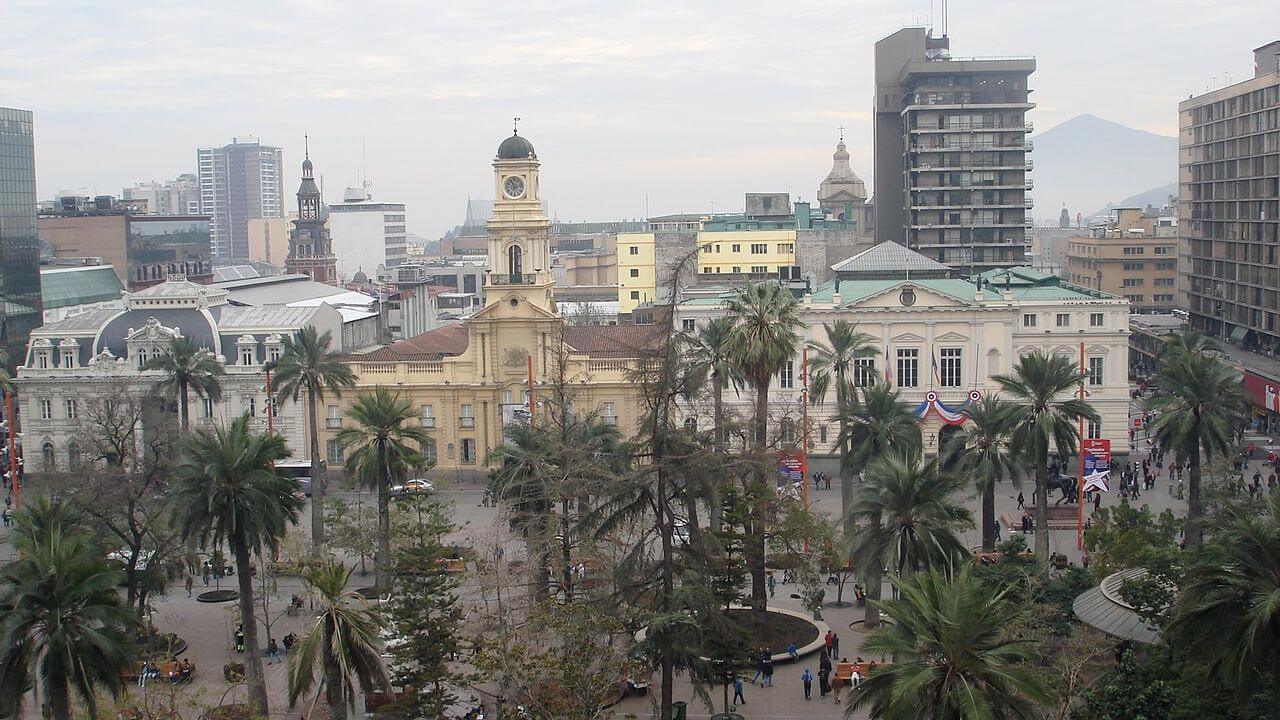
Since Spanish conquistador Pedro de Valdivia laid out the city grid on February 12, 1541, Plaza de Armas has served as the symbolic and geographical heart of Santiago—the point from which all distances in Chile are measured, the gathering place where generations of Chileans have celebrated, protested, and witnessed their nation's tumultuous history unfold. This large central square, shaded by over one hundred Chilean palm trees and anchored by a fountain celebrating South American liberator Simón Bolívar, represents the enduring legacy of Spanish colonial urban planning, in which the main plaza served as the focal point, surrounded by the most important civic and religious institutions.
Originally called Main Square and renamed Arms Square six months after the city's founding, following a devastating Indigenous attack, this historic space has evolved from a colonial esplanade to a vibrant urban gathering place filled with street performers, artists, vendors, and visitors exploring the neoclassical buildings that surround it. Designated a national monument in 1986, Plaza de Armas embodies Santiago's transformation over nearly five centuries while remaining the essential starting point for understanding Chile's capital.
Founding and Colonial Origins (1541-1810)
When Pedro de Valdivia founded Santiago in 1541, master builder Pedro de Gamboa designed the city according to the strict Spanish colonial pattern—a grid of streets radiating from a central plaza, around which the most important institutions would be erected. This urban planning model reflected Spanish imperial priorities: concentrated authority, centralized control, and visible demonstrations of religious and political power.
Researchers suggest the plaza occupies the site of an earlier Inca settlement. Evidence indicates that under old Santiago, where Plaza de Armas is situated, there was an Inca Empire urban center from which roads extended in different directions, with infrastructure that Valdivia used to found the city.
Around the plaza were erected the Cabildo (Town Hall), the Governor's House, the Royal Courthouse, and the Main Church. Initially called Main Square, the plaza was renamed Arms Square just six months after its founding, following the first large-scale Indigenous attack led by Michimalonco on September 11, 1541. The city's reconstruction gave it a military-camp appearance, hence the new name.
During the colonial period, the square served as an open esplanade with a single fountain that supplied the city center with water. Colonial festivities filled the plaza: the festival of Saint James the Apostle, mock jousting games, bullfighting, and elaborate religious processions. At the turn of the 17th century, Indigenous popular markets began operating, creating commercial activity that would characterize the plaza for centuries.
19th Century and Independence
With Chilean independence in 1818, Plaza de Armas transformed from a colonial administrative center to the civic heart of a new republic. The 19th century brought significant modernization with gardens, improved fountains, pathways, and decorative elements reflecting European aesthetic influences.
The buildings surrounding the plaza underwent reconstruction primarily in neoclassical styles, replacing colonial structures destroyed by earthquakes, particularly the devastating 1647 earthquake that destroyed much of colonial Santiago. By the late 19th century, Plaza de Armas had become the symbolic center of Chilean nationhood and a gathering place for political rallies and national celebrations.
The Buildings Surrounding Plaza de Armas
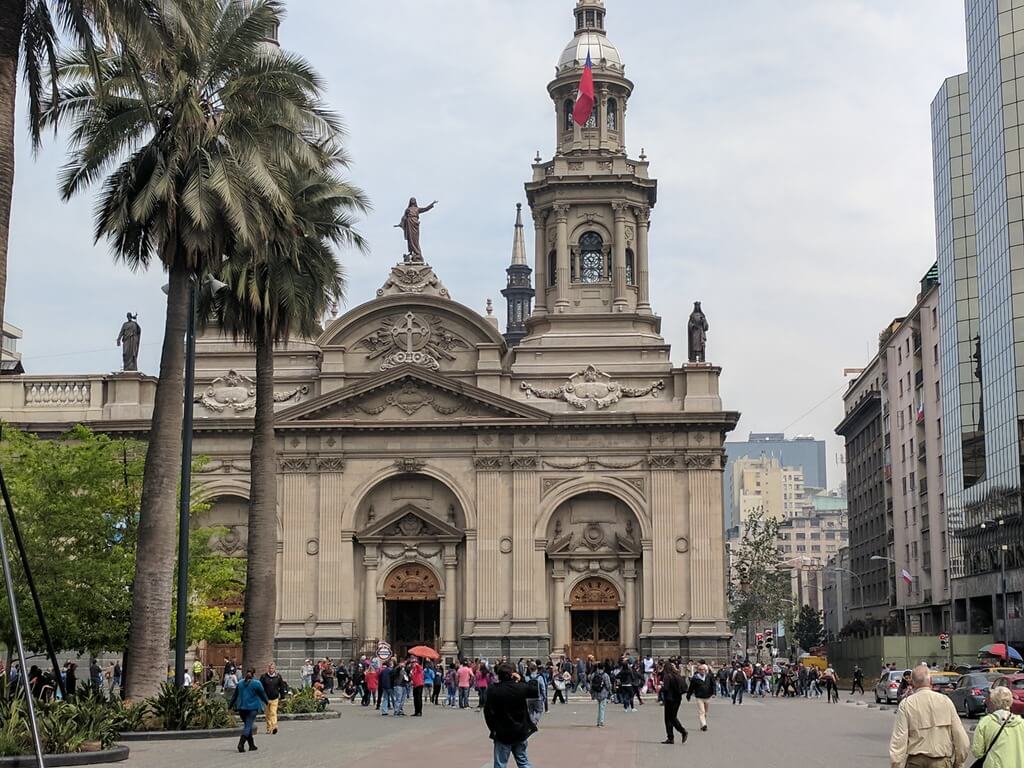
Metropolitan Cathedral (Catedral Metropolitana) dominates the plaza's western side. Built between 1748 and 1800 by Italian architect Joaquín Toesca, this is the fifth church on this site—all previous structures having been destroyed by earthquakes or fires. The neoclassical cathedral features two bell towers and is built to withstand earthquakes. Inside, the massive cathedral houses religious art, including a high altar made of Italian marble, ornate sculptures, and the Museum of Sacred Art.
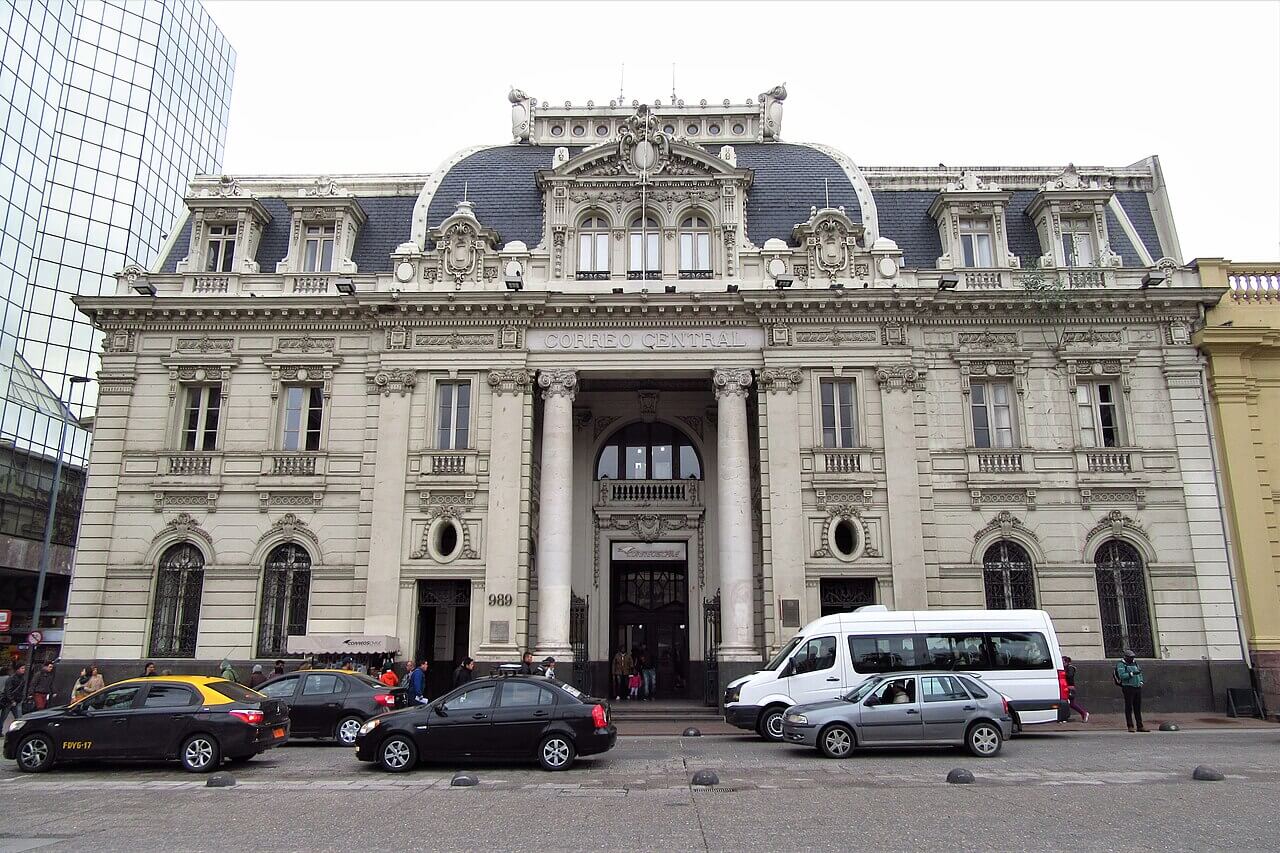
Central Post Office Building (Correo Central) on the north side occupies what was originally Pedro de Valdivia's first house in Santiago. The site later served as the residence of colonial Governors and, after independence, as the presidential palace until 1846. A fire destroyed the original building, leading to reconstruction in 1881 in neoclassical style. The building was officially designated as the Central Post Office and is a National Monument.
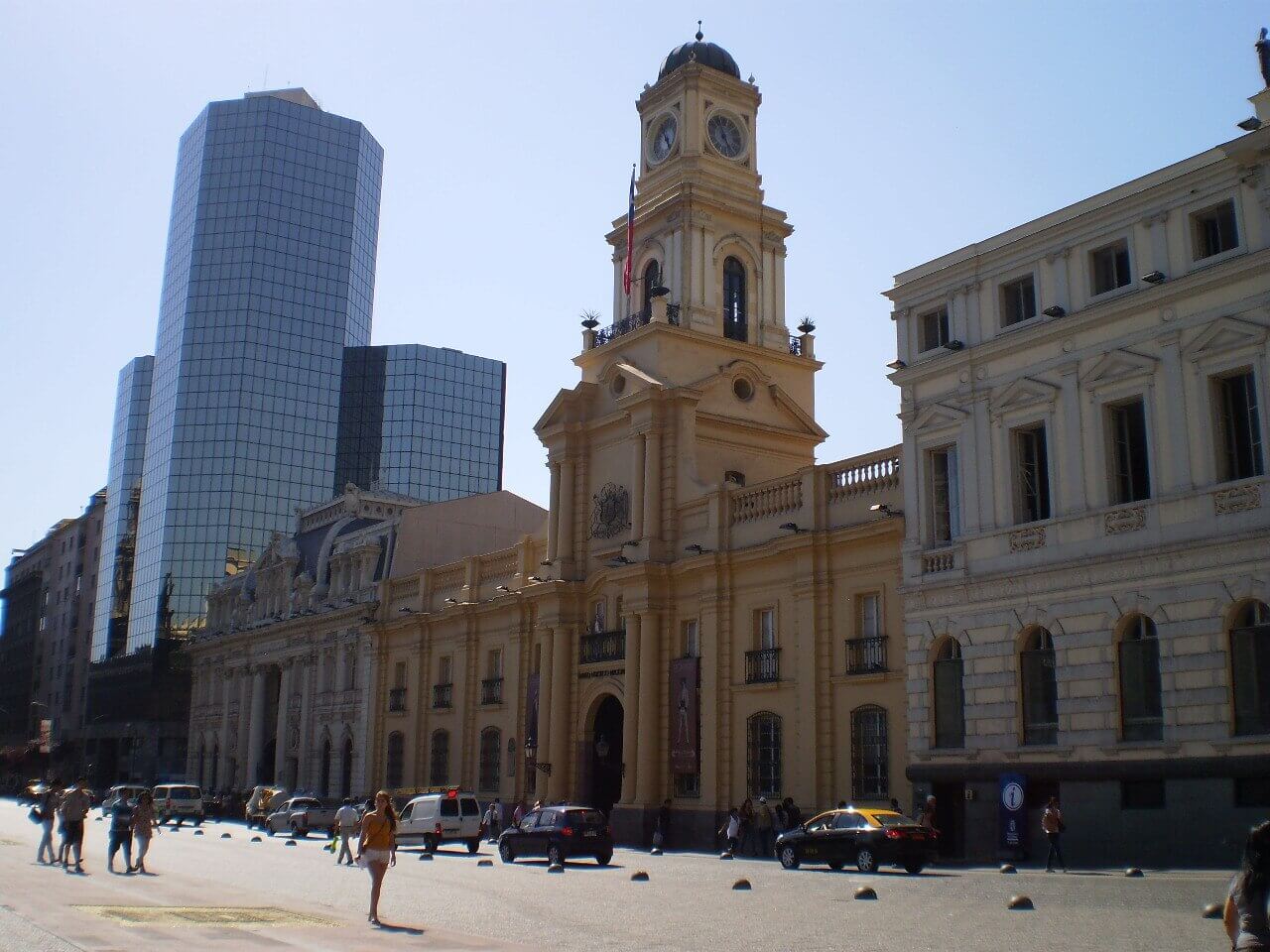
National History Museum (Museo Histórico Nacional) occupies the Royal Court Palace, the yellow building with the distinctive clock tower built between 1804 and 1807. This building served as the main colonial court, hosted the first National Congress after independence, and housed the offices of Chile's liberator, Bernardo O'Higgins. The museum, opened in 1982, displays artifacts charting Chile's history from pre-Columbian times through the 20th century. Admission is free, and visitors can climb the bell tower for spectacular views over Plaza de Armas.
The Municipality of Santiago occupies the site of the colonial cabildo (town council) and old colonial jail, originally built between 1578 and 1647. Rebuilt by Toesca in the neoclassical style in 1790, the building was destroyed by fire in 1891, prompting another reconstruction; the current building was inaugurated in 1895. It continues serving as the municipal government headquarters.
Portal Fernández Concha on the south side is a commercial arcade built in 1869. The ground-floor corridor nearest the plaza is packed with fast-food stalls and restaurants serving Chilean specialties, including empanadas and completos (Chilean hot dogs), offering an excellent opportunity to try quick Chilean meals at low prices.
The Plaza Today: Contemporary Life
Today's Plaza de Armas pulses with life as both a historic monument and a vibrant gathering place. The square is filled with Chilean palm trees, benches, and a central fountain celebrating Simón Bolívar.
The plaza attracts diverse crowds. Street performers, including musicians, clowns, and entertainers, draw audiences. Historical photographers using box cameras offer nostalgic portrait services. Artists display and sell paintings. Vendors sell handicrafts, souvenirs, and snacks.
On weekends and sunny afternoons, families gather, tourists photograph historic buildings, students meet, and elderly locals watch the constant activity. The plaza's monuments include an equestrian statue of Pedro de Valdivia holding Santiago's founding charter, a memorial to Indigenous Peoples commemorating 500 years since Columbus's arrival, and the statue "To the Freedom of America," depicting goddess Minerva offering liberation to an Indigenous woman—a symbol of Chilean independence.
Plaza de Armas also represents a site of political expression and protest. During major national events, crowds gather to make their voices heard—continuing a centuries-old tradition of public assembly. The plaza witnessed celebrations of democratic victories, protests against the Pinochet dictatorship, and contemporary movements demanding social change.
However, visitors should exercise caution as pickpockets frequent the area, particularly targeting distracted tourists. Keeping valuables secure and remaining aware of surroundings is essential.
Practical Information for Visitors
Plaza de Armas is easily accessible via the "Plaza de Armas" metro station on Line 5, which exits directly into a corner of the plaza. Most attractions around the square are free to enter, though the National History Museum charges a nominal fee (approximately 600 Chilean pesos).
The square is lively during the day, ideal for enjoying the fountain, historic buildings, and people-watching. At night, the square is beautifully illuminated, ideal for evening strolls and photography, though visitors should remain vigilant about personal security.
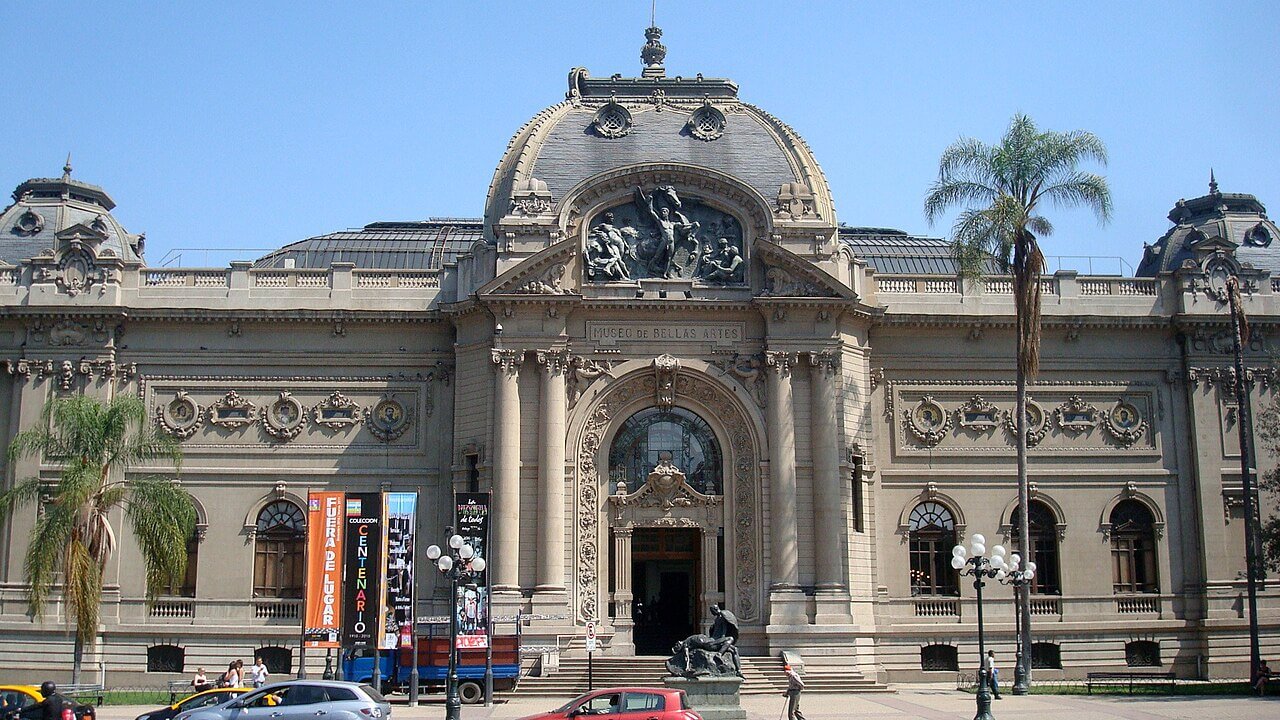
Plaza de Armas serves as an excellent starting point for exploring Santiago's historic center. Within walking distance are the Chilean Museum of Pre-Columbian Art (one block away), Cerro Santa Lucía, the Mercado Central (a historic central market famous for seafood), and La Moneda Palace.
The Path Forward
Plaza de Armas has survived nearly five centuries of earthquakes, fires, political upheavals, and social changes while maintaining its role as Santiago's symbolic heart. The square, which began as a colonial administrative center, has evolved into a democratic public space where all Santiaguinos can gather.
The challenge moving forward involves balancing preservation of historic character with contemporary functions. The surrounding buildings require ongoing maintenance and earthquake-proofing. The plaza itself needs management that maintains it as an inclusive public space while addressing security concerns.
For visitors to Santiago, Plaza de Armas provides essential context for understanding Chilean history and culture. Standing in this square where Valdivia founded the city, where colonial authorities administered Spanish rule, where Chileans celebrated independence, where protesters defied dictatorship, and where contemporary Santiaguinos gather daily, one experiences the continuity of Chilean urban life across nearly five centuries—a rare achievement for a historic urban space and a testament to Plaza de Armas's enduring significance in Chilean national consciousness.