
The Mata Atlântica Biosphere Reserve: Brazil's Crown Jewel of Atlantic Forest Conservation
Brazil's Mata Atlântica Biosphere Reserve is a major conservation initiative protecting the critically endangered Atlantic Forest. Spanning 14 states along Brazil's densely populated Atlantic coast, it employs an innovative approach to safeguard ecosystems, making it a significant effort in conservation.

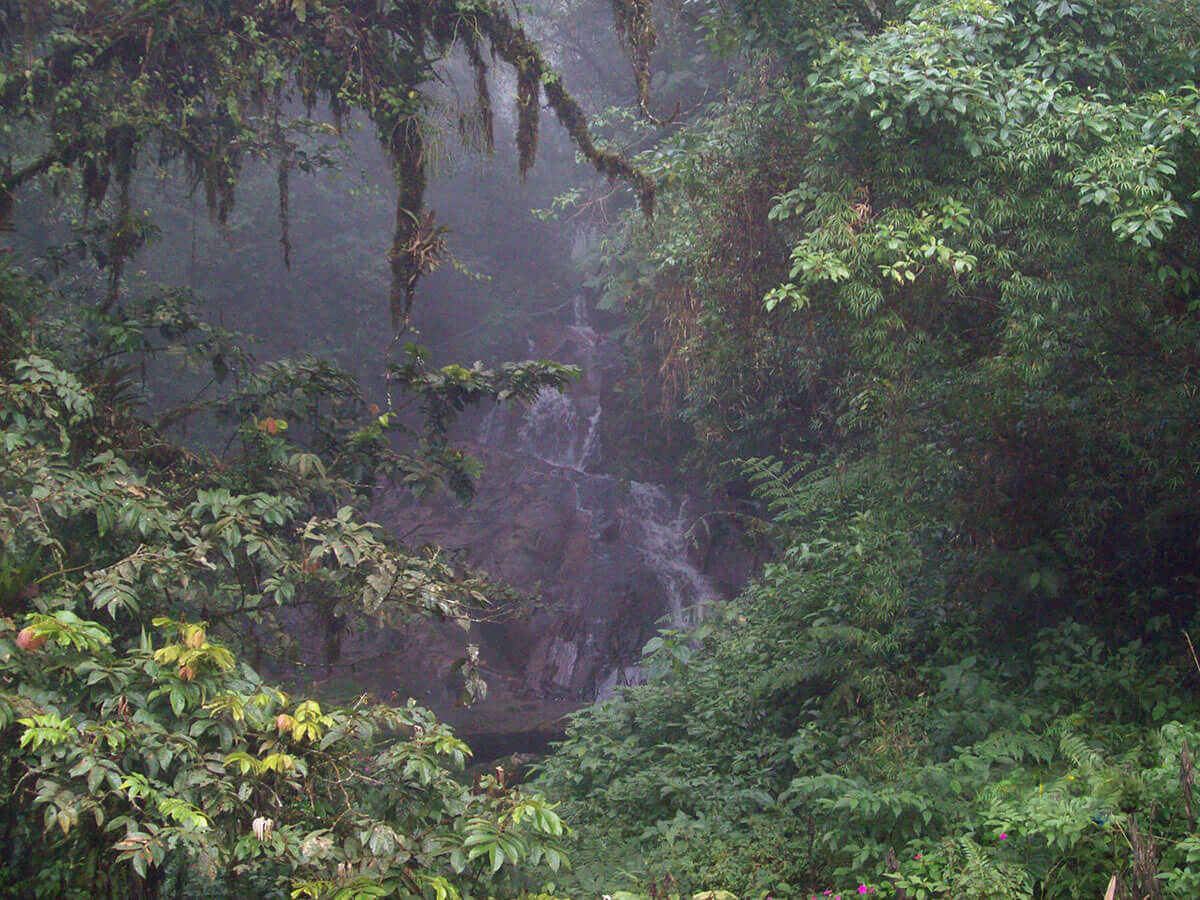
From Crisis to Conservation: The Mata Atlântica Biosphere Reserve's Fight to Save Brazil's Atlantic Forest
Brazil's Mata Atlântica Biosphere Reserve represents one of the world's most ambitious conservation efforts, protecting the remnants of the critically endangered Atlantic Forest. Established in 1992 as Brazil's first biosphere reserve, this expansive network spans 14 states and covers over 290,000 square kilometers (112,000 square miles), stretching approximately 3,000 kilometers (1,864 miles) along Brazil's Atlantic coast from Ceará in the northeast to Rio Grande do Sul in the south. What makes this reserve extraordinary is its pioneering approach to conservation in one of the world's most densely populated regions, where over 120 million Brazilians live alongside some of the planet's most endangered ecosystems.
A Biodiversity Hotspot Under Pressure
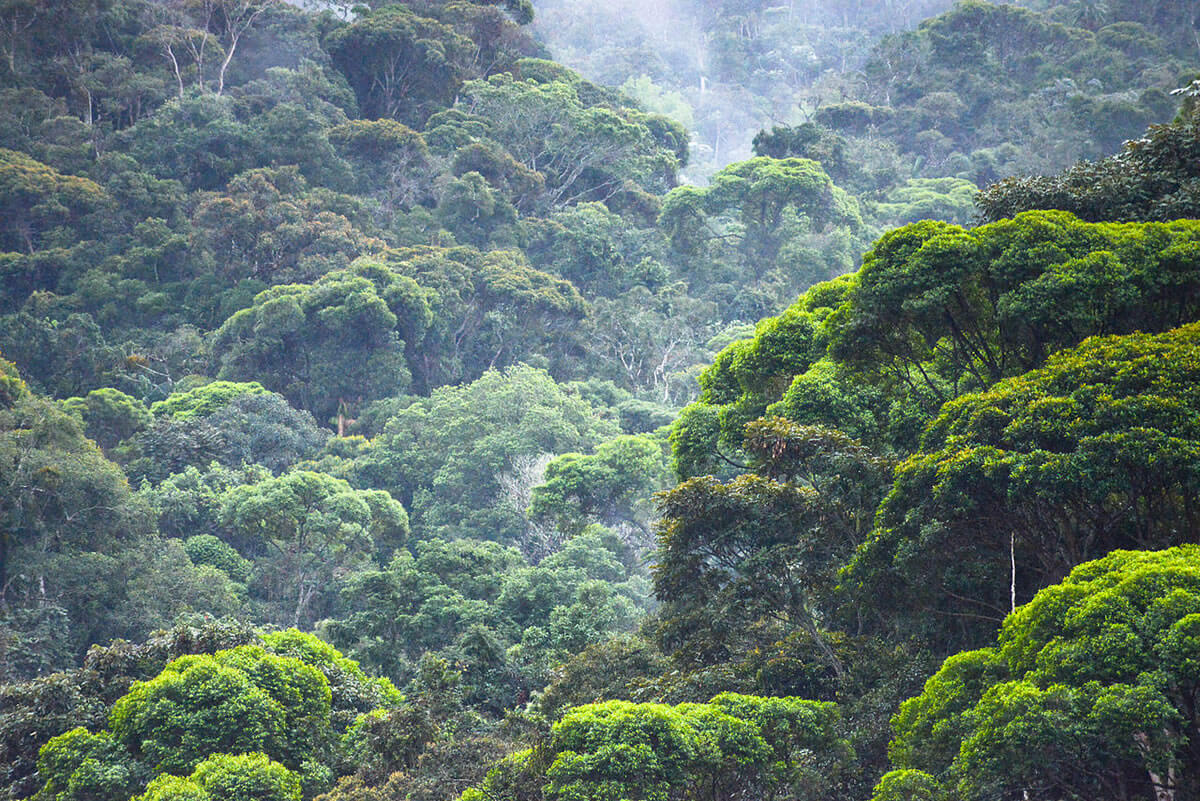
The Atlantic Forest, or Mata Atlântica, once blanketed nearly 150 million hectares (370 million acres) of Brazil's coast. Today, less than 12% of this remarkable ecosystem remains, making it one of the world's most threatened biodiversity hotspots. Despite this dramatic reduction, the surviving fragments harbor extraordinary biological wealth, containing approximately 8% of the world's endemic plant species and 5% of vertebrate species within just 1.5% of the planet's land surface.
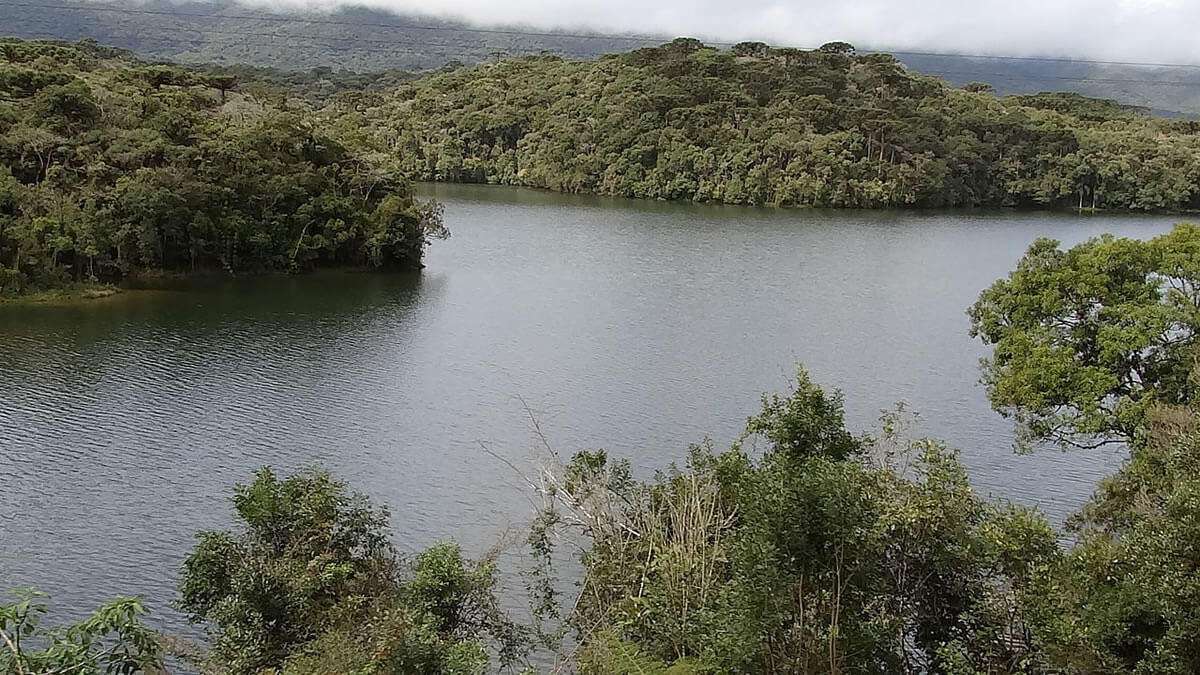
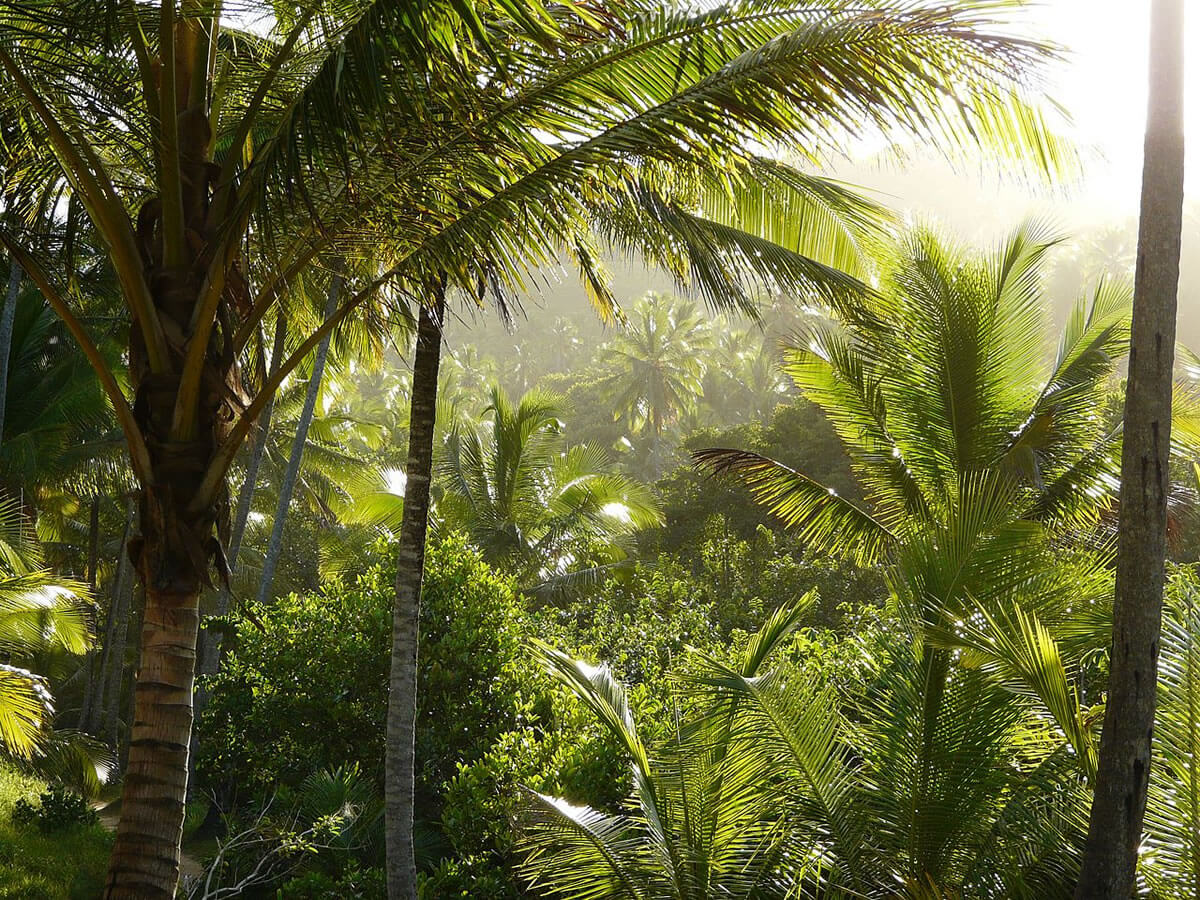
The reserve encompasses a remarkable array of ecosystems beyond its signature Atlantic rainforest. These include the distinctive Araucaria pine forests dominated by Araucaria angustifolia (Brazilian pine), coastal mangroves, restinga vegetation on sandy coastal plains, high-altitude grasslands known as campos de altitude, fragments of cerrado savanna, and marine environments along the extensive coastline.
Ecological Complexity and Endemic Species
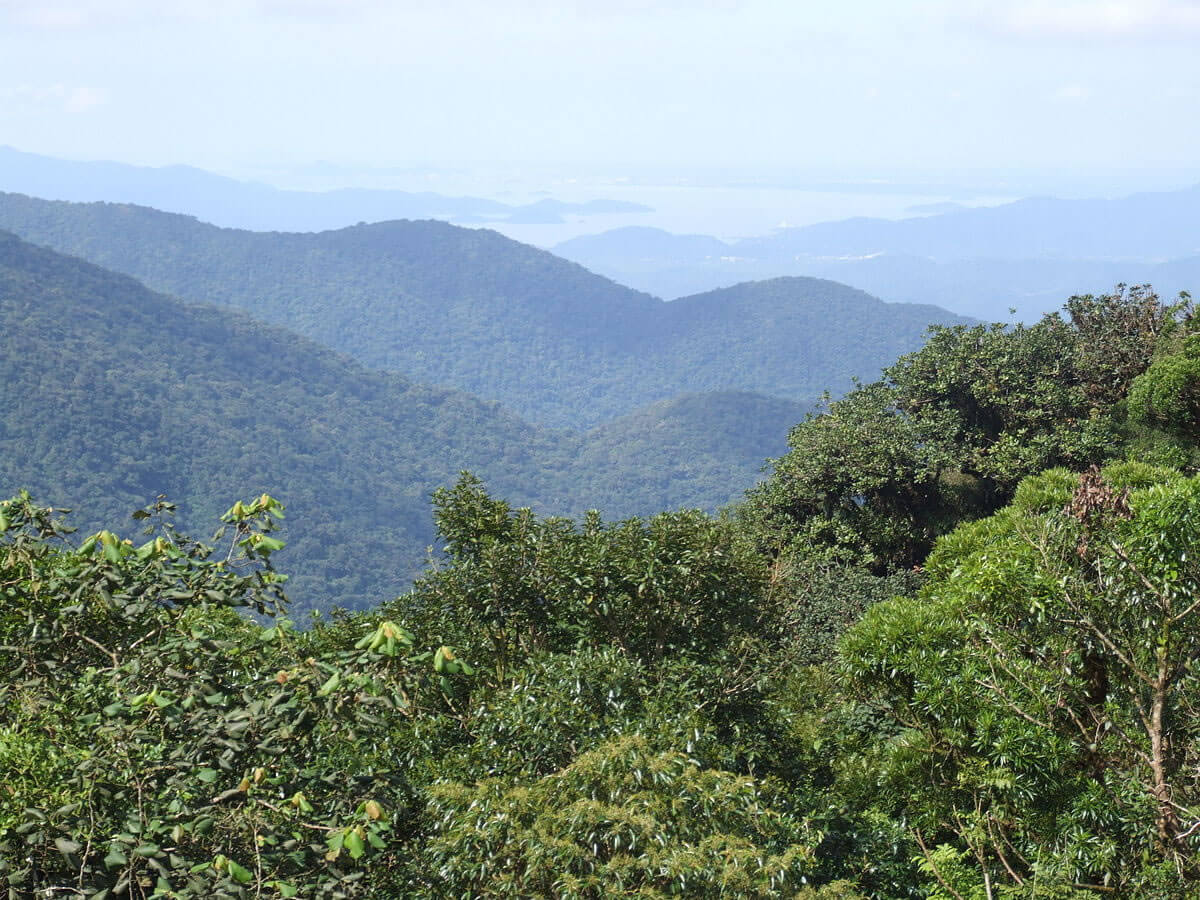
The Mata Atlântica's extraordinary biodiversity stems from its varied topography and climate gradients. The reserve encompasses major mountain ranges, including the Serra do Mar, Serra da Mantiqueira, and Serra Geral, creating diverse microclimates and ecological niches. These conditions have fostered remarkable speciation and endemism.
Key plant species include the endangered Araucaria angustifolia, the primitive conifer Podocarpus lambertii, and the endemic Drimys brasiliensis (winter's bark). The forest canopy supports countless epiphytes, including hundreds of bromeliad and orchid species found nowhere else on Earth.
The fauna is equally impressive, with many critically endangered species calling this reserve home. The northern muriqui (Brachyteles hypoxanthus), the largest primate in the Americas, survives only in Atlantic Forest fragments. Other notable species include the golden lion tamarin (Leontopithecus rosalia), jaguar (Panthera onca), ocelot (Leopardus pardalis), and over 200 endemic bird species.
Strategic Protected Areas
The biosphere reserve incorporates numerous critical protected areas, each serving vital conservation functions:
Itatiaia National Park, Brazil's oldest national park (established 1937), protects 280 square kilometers (108 square miles) of montane Atlantic Forest and high-altitude grasslands. The park encompasses Brazil's highest peaks outside the Amazon basin and serves as a crucial watershed for the Paraíba do Sul River basin.
Caraça Natural Park in Minas Gerais spans 100 square kilometers (39 square miles) and protects one of the best-preserved cerrado-Atlantic Forest transition zones. The park is renowned for its population of maned wolves (Chrysocyon brachyurus) and diverse avifauna.
Caratinga Biological Station, a privately-owned 8.8-square-kilometer (3.4-square-mile) reserve, represents a conservation success story. This small but crucial fragment supports the largest population of northern muriquis, along with brown howler monkeys (Alouatta guariba), black capuchin monkeys (Sapajus nigritus), and buffy-headed marmosets (Callithrix flaviceps).
The São Paulo City Green Belt Biosphere Reserve, added in 1993, extends protection to 72 municipalities around Brazil's largest metropolis, demonstrating innovative urban-forest interface management.
Conservation Challenges in the 21st Century
The Mata Atlântica faces unprecedented pressures as nearly 120 million people—approximately 60% of Brazil's population—live within the biosphere reserve boundaries across 5,507 municipalities. This demographic reality creates complex conservation challenges requiring innovative solutions.
Primary threats include continued habitat fragmentation, urban expansion, industrial development, agriculture, introduced species, and climate change. The remaining forest exists largely as isolated fragments, with 80% of patches smaller than 50 hectares (124 acres)—too small to maintain viable populations of many species.
Innovative Conservation Strategies
Recognizing these challenges, the reserve employs multiple conservation approaches:
Ecological Corridor Development: Programs focus on connecting isolated forest fragments through reforestation and assisted natural regeneration, allowing species movement and genetic exchange.
Payment for Ecosystem Services: Economic incentives compensate landowners for maintaining forest cover, recognizing the Atlantic Forest's crucial role in water regulation, carbon sequestration, and climate regulation.
Community-Based Conservation: Local communities participate directly in conservation efforts through sustainable use programs, environmental education, and ecotourism development.
Scientific Research: The reserve supports extensive research programs studying Atlantic Forest ecology, species biology, and restoration techniques. Over 30 research stations provide platforms for both Brazilian and international scientists.
Restoration and Hope
Despite historical losses, the Mata Atlântica demonstrates remarkable resilience. Secondary forests can recover significant biodiversity when given the opportunity, and restoration efforts have accelerated in recent decades. The Atlantic Forest Restoration Pact, launched in 2009, aims to restore 150,000 square kilometers (58,000 square miles) by 2050.
Success stories include the recovery of golden lion tamarin populations from fewer than 200 individuals in the 1970s to over 3,000 today, and the natural regeneration of forest cover in many areas where agriculture has been abandoned.
Global Significance and Future Outlook
The Mata Atlântica Biosphere Reserve serves as a model for conservation in highly populated regions worldwide. Its integrated approach, combining strict protection with sustainable development and community engagement, offers lessons for similar threatened ecosystems globally.
The reserve's success depends on continued collaboration between government agencies, research institutions, NGOs, private landowners, and local communities. As Brazil grapples with balancing development and conservation, the Mata Atlântica remains a symbol of hope—demonstrating that even severely degraded ecosystems can recover when supported by science-based management, adequate funding, and political will.
The Atlantic Forest's story is far from over. With continued conservation efforts and restoration initiatives, this remarkable ecosystem may yet reclaim its place as one of the world's most biodiverse regions, ensuring that future generations can witness its extraordinary natural heritage.