
The Lesser Antilles Volcanic Arc: Unlocking the Mysteries
The Lesser Antilles Volcanic Arc, built by the oblique subduction of the North American Plate beneath the Caribbean Plate, has produced 19 active volcanoes across 11 islands — and some of the deadliest volcanic disasters in the Western Hemisphere, from Mount Pelée's 1902 destruction of Saint-Pierre to Montserrat's decades-long eruption of the Soufrière Hills.
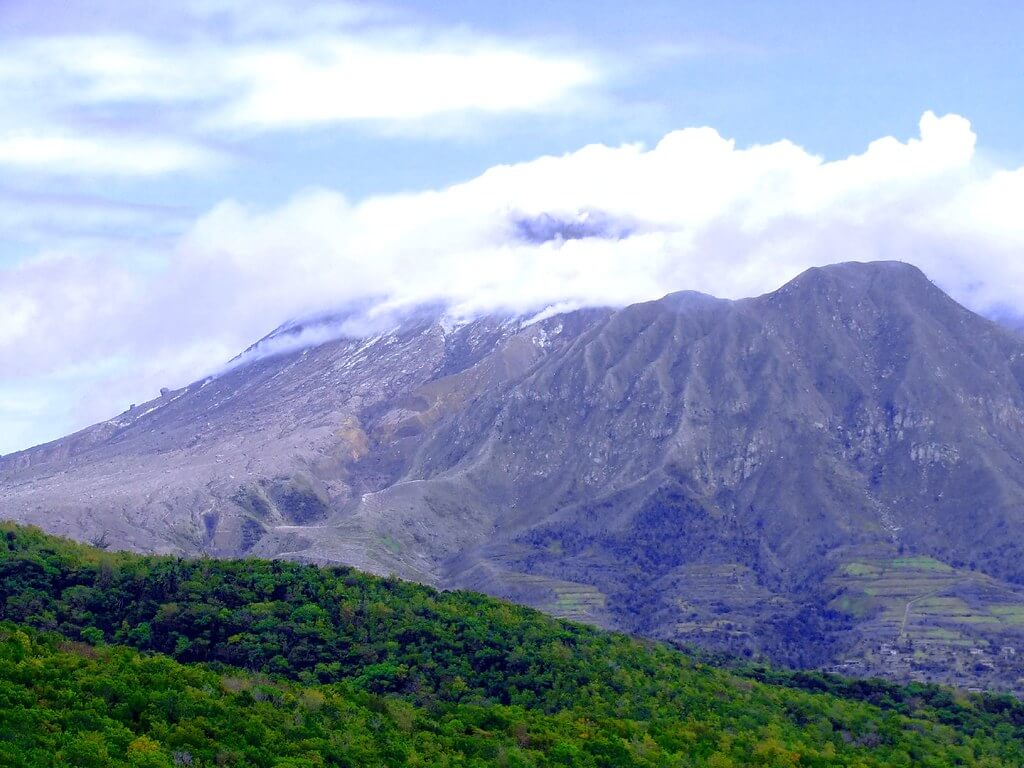
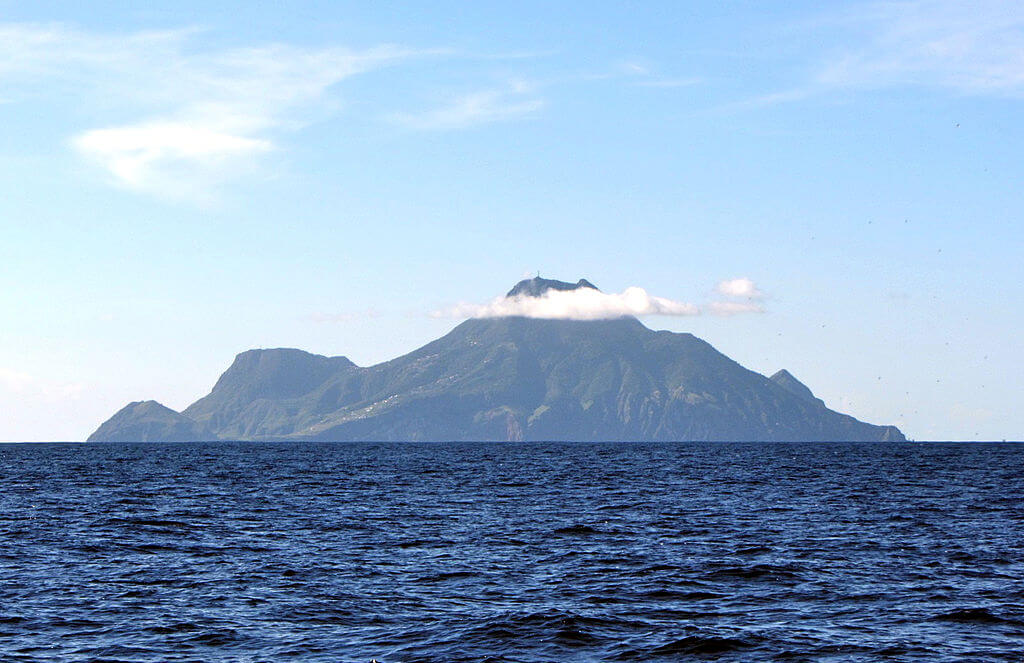
The Lesser Antilles Volcanic Arc: Where Subduction Built an Island Chain, and Sometimes Destroys a City
The Lesser Antilles Volcanic Arc is a chain of volcanic islands stretching from the Virgin Islands to Grenada in the eastern Caribbean Sea. It is formed by the subduction of the North American Plate beneath the Caribbean Plate, which creates the volcanoes that make up the islands. This volcanic arc, along with other geological forces, contributes to the shaping of the Caribbean Sea, and its ongoing activity has repeatedly reshaped the human history of the islands built upon it.
Geological Framework
Geographically, the Lesser Antilles form a long arc of islands in the Caribbean Sea, tracing the outer cliff of the Caribbean Plate. This curved chain, approximately 850 km (500 mi) in length, extends from Grenada to Sombrero. However, the island arc bifurcates north of Dominica, with only the western arc remaining volcanically active.
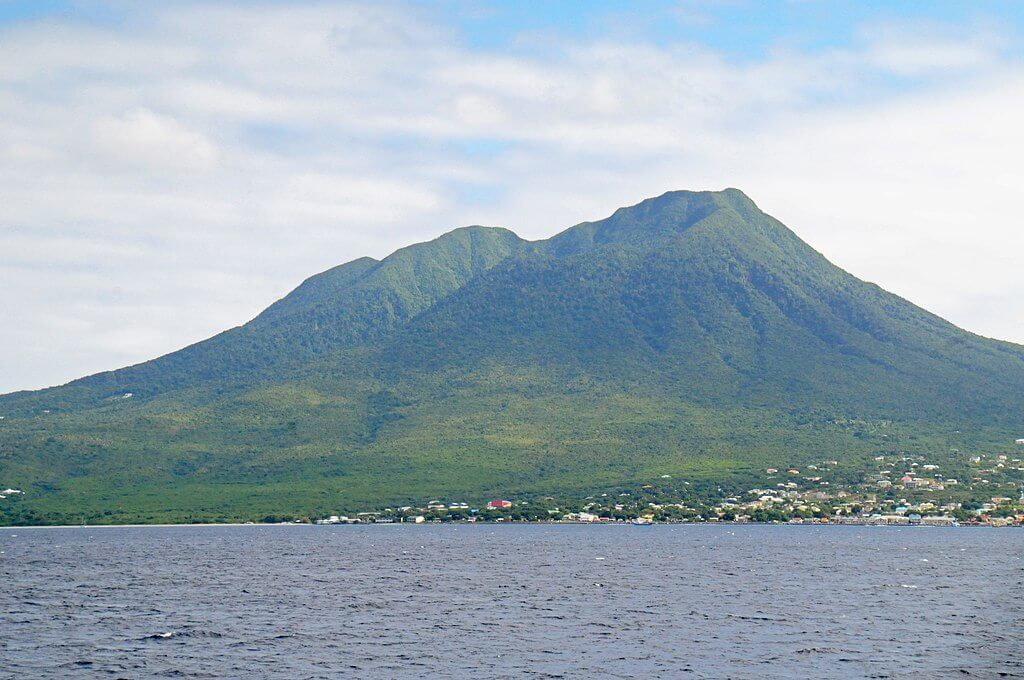
According to the University of the West Indies Seismic Research Center, the Lesser Antilles region hosts 19 active volcanoes distributed across 11 islands: Dominica alone hosts one; Grenada, three (including a submarine volcano described below); and Guadeloupe, Martinique, Montserrat, Nevis, Saba, Saint Kitts, Saint Vincent, Saint Lucia, and Sint Eustatius each host one.
A History of Catastrophic Eruptions
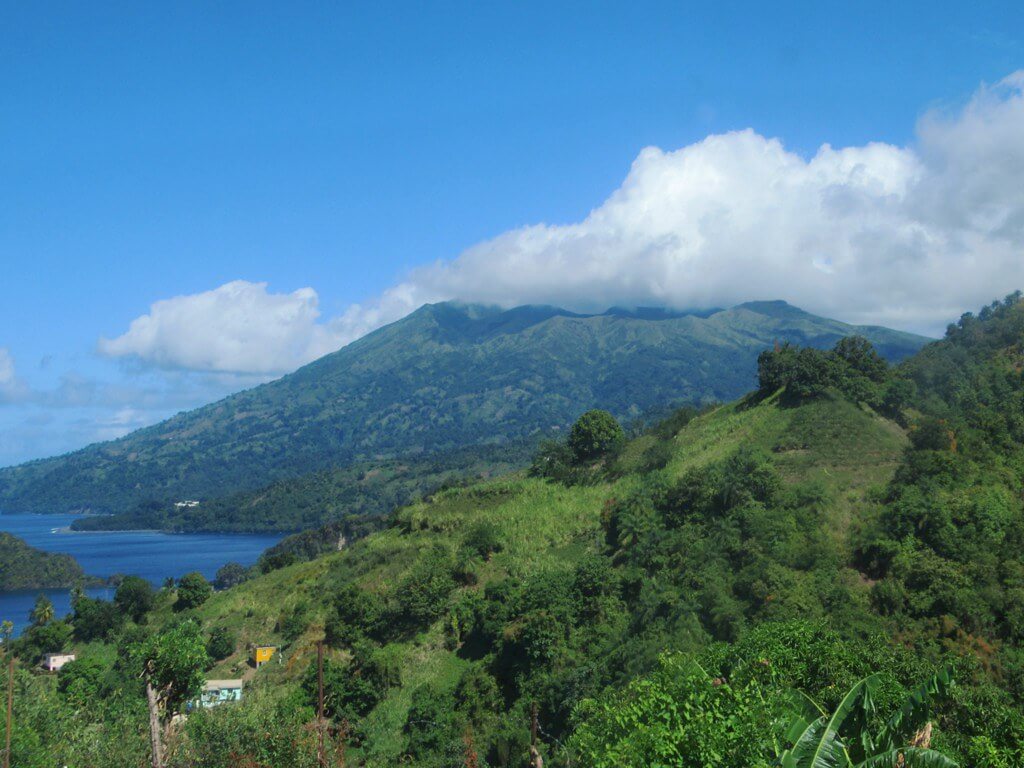
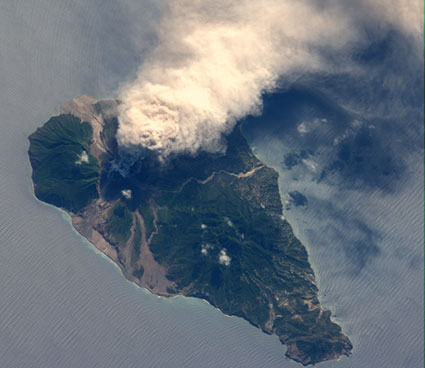
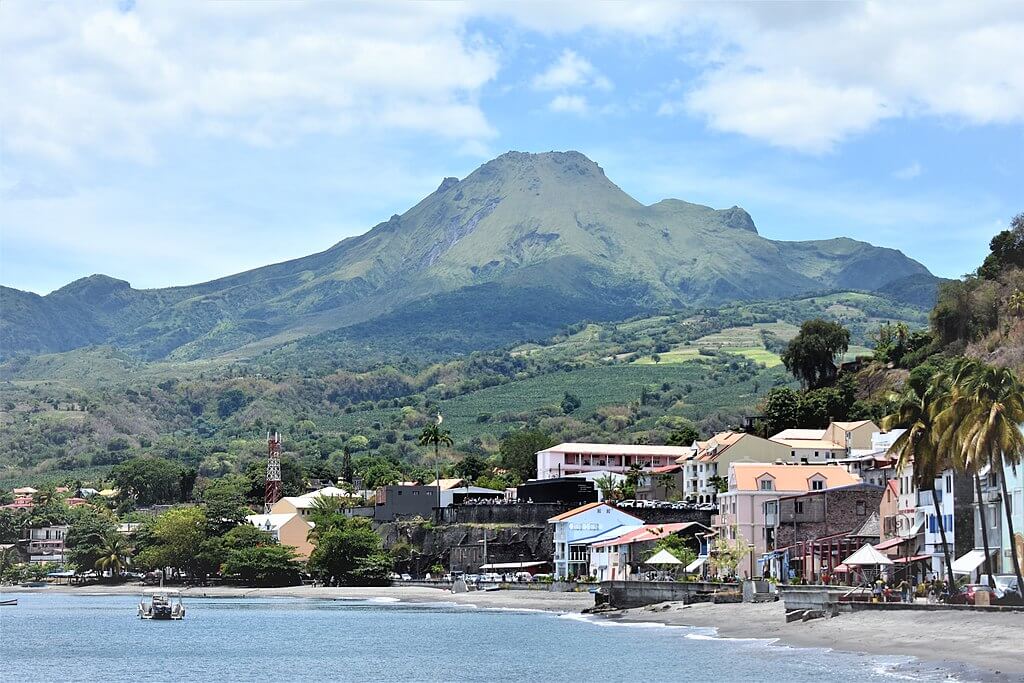
Among the arc's most active volcanoes, several have produced eruptions ranking among the deadliest in the Western Hemisphere's recorded history. On May 8, 1902, Mount Pelée, on Martinique, erupted with a pyroclastic surge that annihilated the city of Saint-Pierre in minutes, killing an estimated 30,000 people, virtually the entire population of what had been the colonial capital, in one of the deadliest volcanic disasters ever recorded. Soufrière Hills, on Montserrat, reawakened after centuries of dormancy in 1995 and has remained intermittently active ever since, burying the island's former capital, Plymouth, under meters of ash and pyroclastic debris and rendering the southern two-thirds of the island a permanent exclusion zone. And La Soufrière, on Saint Vincent, erupted explosively as recently as April 2021, displacing roughly 20,000 residents and depositing volcanic ash across the eastern Caribbean as far away as Barbados. La Grande Soufrière in Guadeloupe rounds out the arc's most closely monitored volcanoes, its persistent fumarolic and seismic activity keeping it under continuous observation.
Not every threat from the arc rises above sea level. Kick 'em Jenny, a submarine volcano roughly 10 km (6 mi) north of Grenada, was first identified in 1939 and remains the most active volcano in the entire Lesser Antilles arc, having erupted more than a dozen times since its discovery. Because a sufficiently large eruption or flank collapse could theoretically generate a tsunami, a maritime exclusion zone around the volcano restricts vessel traffic whenever seismic activity increases, making it one of the few volcanoes on Earth actively monitored specifically for its hazard to shipping.
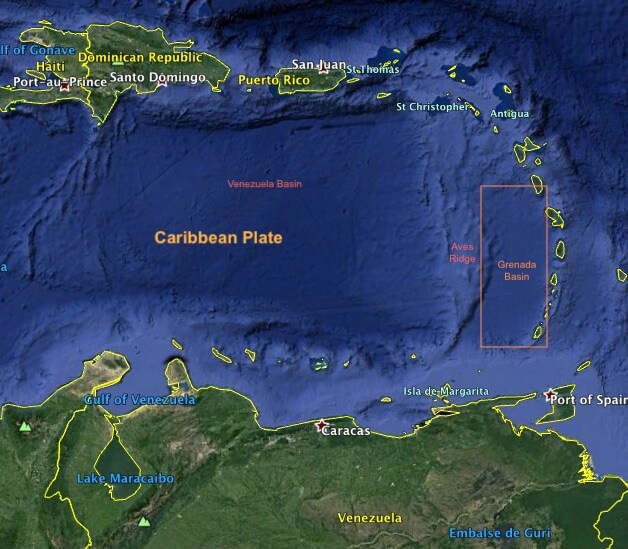
Map depicting the Antilles / Grenada Basin.
The Lesser Antilles Subduction Zone
The Lesser Antilles Subduction Zone is a convergent plate boundary on the seafloor. It involves the subduction of North American Plate crust beneath the Caribbean Plate. This geological process is known as subduction, and it occurs when one tectonic plate moves beneath another due to high gravitational potential energy, sinking into the mantle.
The Lesser Antilles' subduction process is oblique subduction, meaning the plates are moving not only directly toward each other but also slightly sideways. This contributes to the region's unique tectonic and volcanic activity, and helps explain why volcanic centers along the arc are not perfectly evenly spaced, as the oblique angle of convergence concentrates stress and magma generation unevenly along the subduction interface.
The ongoing subduction of North American Plate crust beneath the Caribbean Plate has led to the creation of the volcanic islands described above, from the Virgin Islands in the north to the islands off the coast of Venezuela in the south. Although the rate of subduction here is relatively low compared to some other Pacific subduction zones, the process is continuous. It shapes the region's volcanic and earthquake activity, a subduction-driven geological process responsible for both the formation of these islands and the recurring hazards, from Mount Pelée to La Soufrière, that their residents continue to live with today.
Conclusion
The Lesser Antilles Volcanic Arc, with its active volcanoes, oblique subduction dynamics, and long history of both island-building and island-destroying eruptions, is a captivating and consequential region that continues to shape the Caribbean landscape. From the deadly legacy of Mount Pelée to the ongoing activity at Soufrière Hills and the submarine hazard of Kick 'em Jenny, the arc invites exploration into the intricate and, at times, dangerous geological tapestry of the Caribbean Sea.
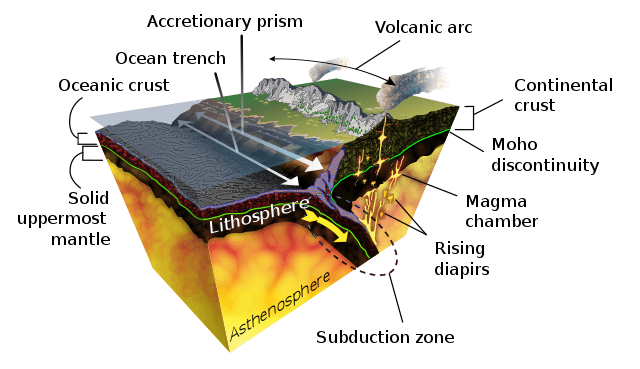
Diagram of the geological process of subduction.