
The Atlantic Forest: Brazil's Most Endangered Biodiversity Hotspot
The Atlantic Forest, or Mata Atlântica, showcases extraordinary biological richness and severe human impact. Once expansive along Brazil's eastern and southeastern coastline and into Argentina and Paraguay, this unique biome has been drastically diminished by centuries of deforestation.
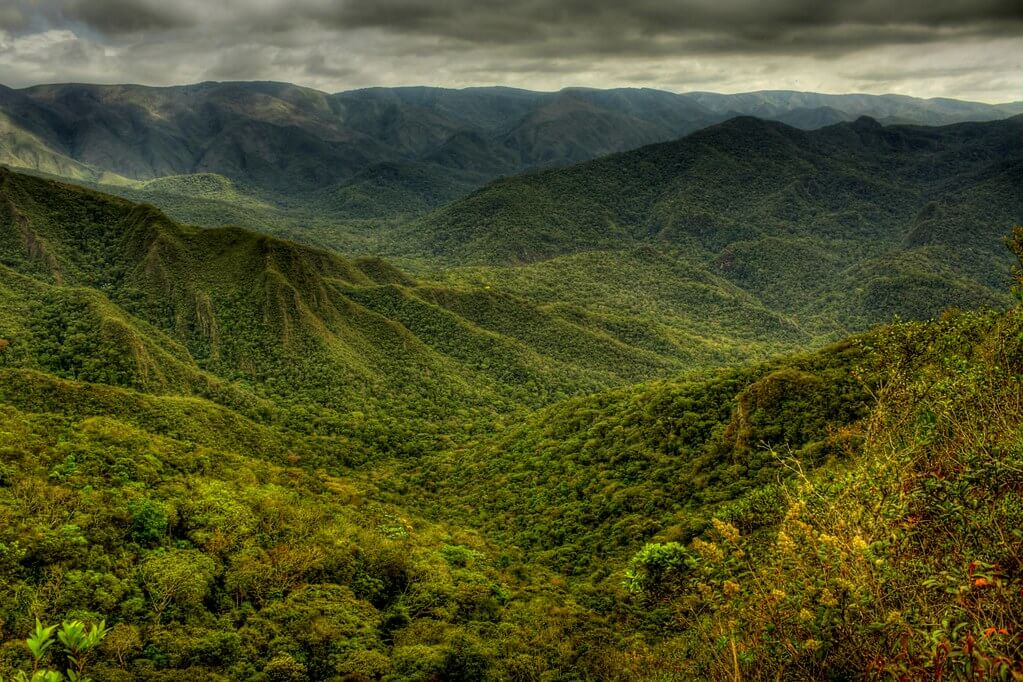
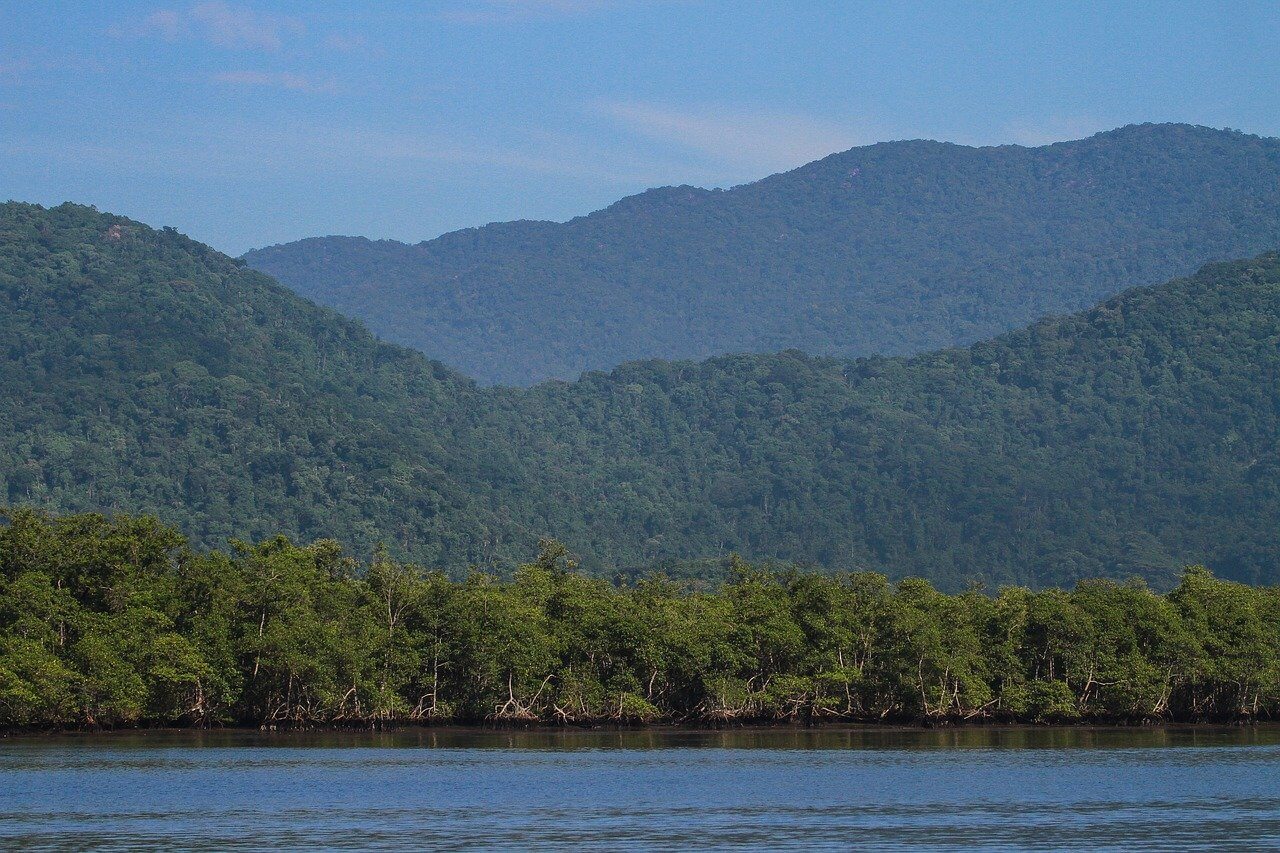
Mata Atlântica: From South America's Richest Forest to Its Most Endangered Ecosystem
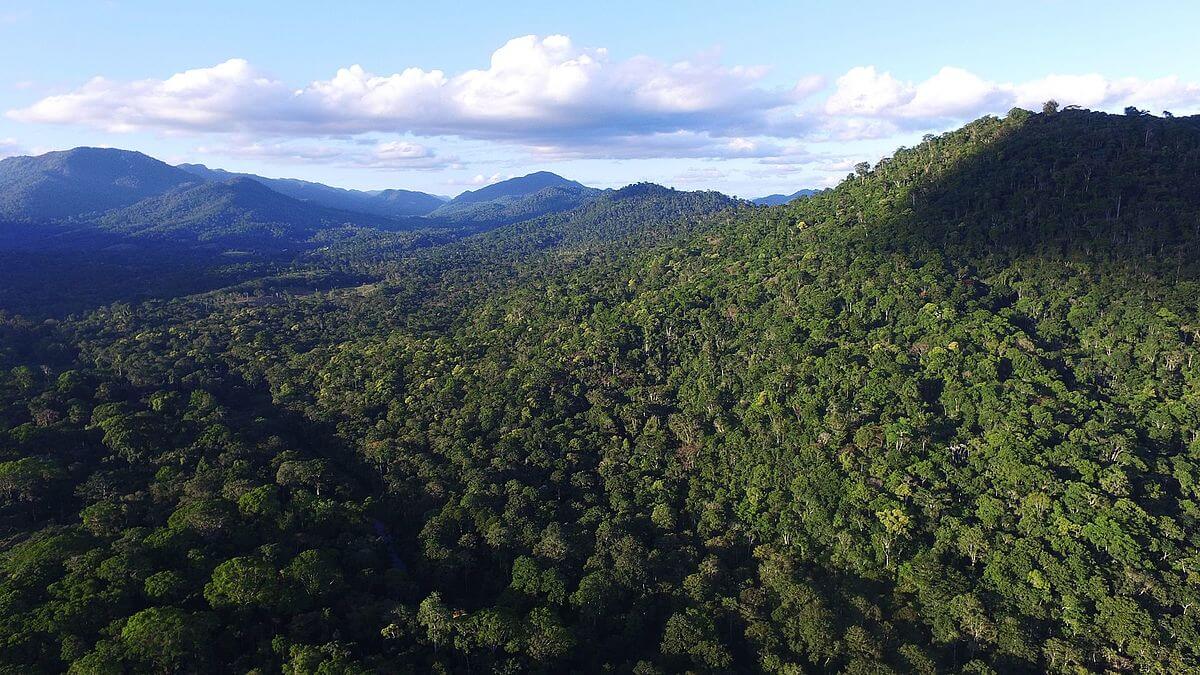
Brazil's Atlantic Forest, known locally as Mata Atlântica, stands as one of the world's most biodiverse yet critically threatened ecosystems. Once covering approximately 1.2 million sq km (463,000 sq mi) along South America's Atlantic coast, this remarkable biome originally stretched from northeastern Brazil into Argentina and Paraguay. Today, less than 12% remains—a stark testament to five centuries of human impact that has reduced one of Earth's richest forests to scattered fragments, now protected across a patchwork of national parks, biosphere reserves, and ecological corridors covered in detail throughout this site.
Despite this dramatic loss, the Atlantic Forest continues to harbor extraordinary biodiversity, supporting over 148 million people in major cities like São Paulo and Rio de Janeiro while providing essential ecosystem services. Understanding the ecological complexity, conservation challenges, and restoration potential of this irreplaceable natural heritage is crucial for its preservation.
A Forest Shaped by Time and Topography
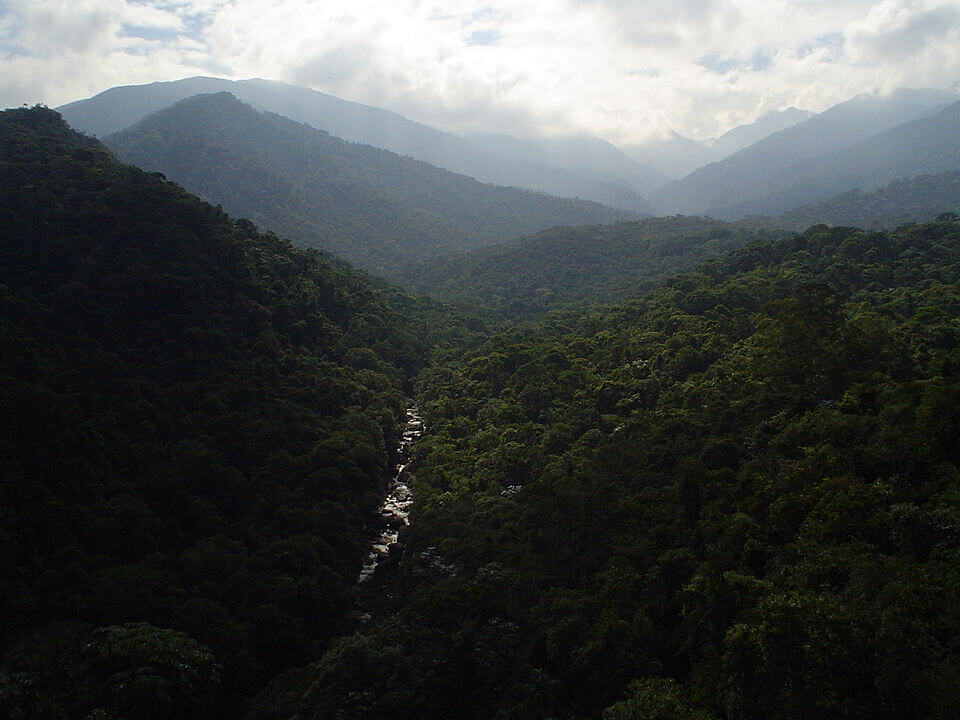
The Atlantic Forest's exceptional biodiversity stems from its complex geological history and varied topography. Separated from the Amazon Basin by the vast Brazilian Highlands, the forest evolved in isolation for millions of years, driving remarkable speciation and endemism. The landscape ranges from sea-level coastal plains to mountain peaks exceeding 2,700 m (8,858 ft) in the Serra do Mar and Serra da Mantiqueira ranges.
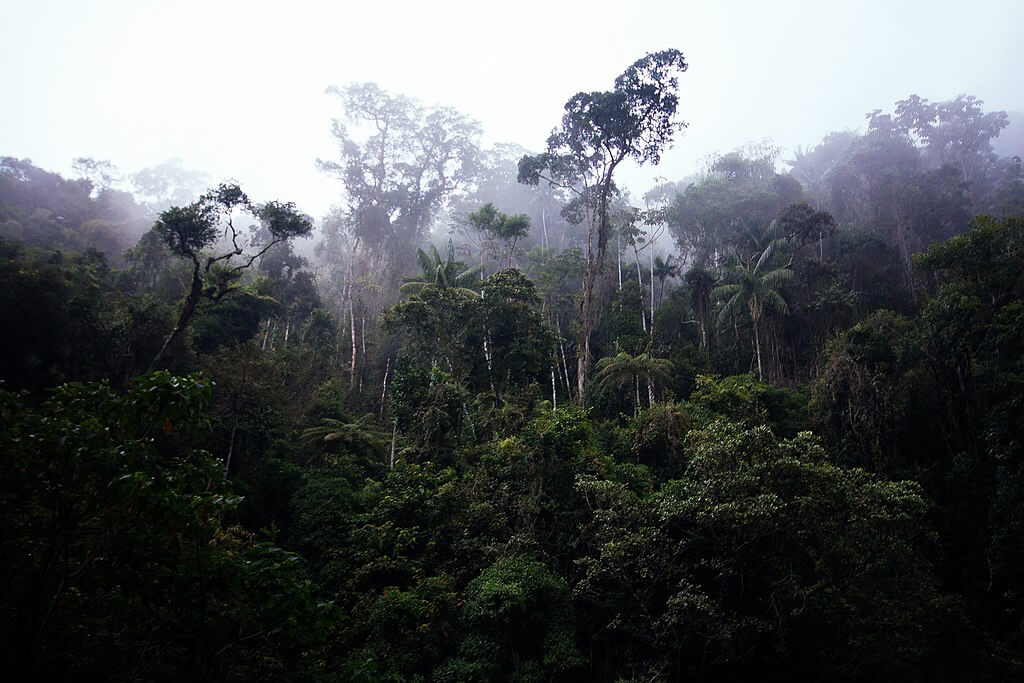
This topographical diversity creates distinct microclimates and ecological niches, resulting in a diverse range of habitats. Coastal areas experience consistent high humidity and rainfall, while interior regions have more pronounced dry seasons. Elevation gradients produce temperature variations that support different forest types, from lowland tropical rainforests to cool montane cloud forests where mist provides constant moisture. The forest's position along the Atlantic coast also exposes it to maritime influences, creating unique transitional zones between terrestrial and marine ecosystems that, combined with its topographic range, have produced one of the world's most complex and species-rich forest mosaics.
Ecological Diversity: A Mosaic of Forest Types
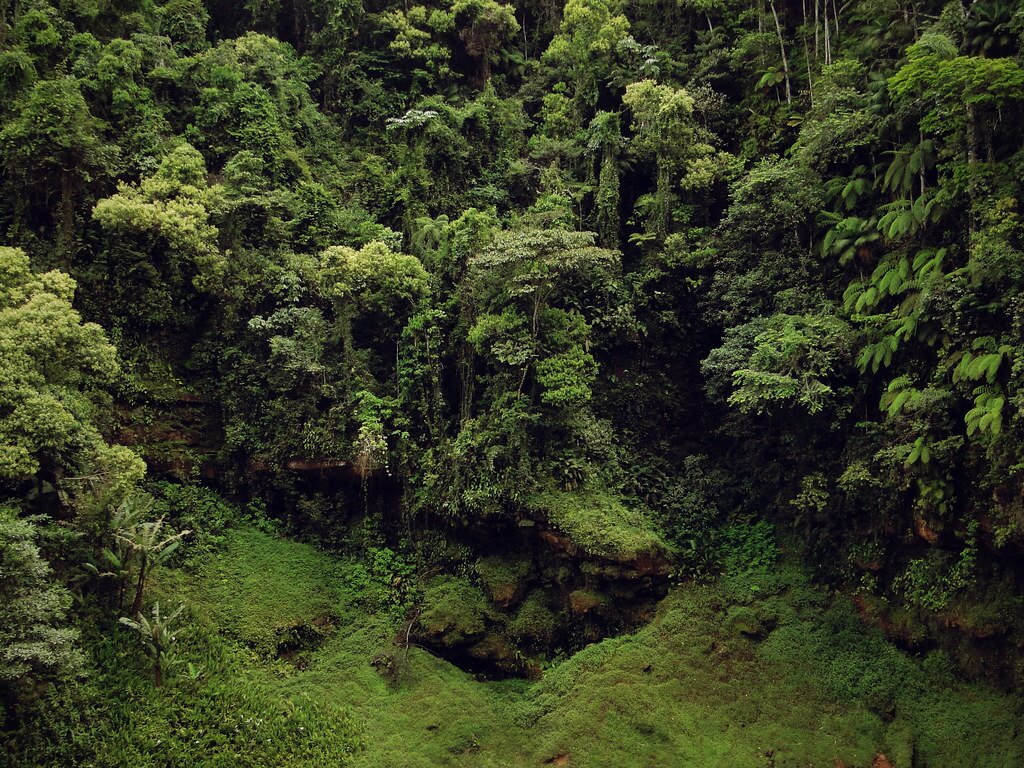
Restinga forests thrive on nutrient-poor sandy soils along the coast, forming a specialized ecosystem adapted to salt spray and shifting sands, exemplified by the protected stretches covered in our Discovery Coast Atlantic Forest Reserves article. These forests support unique plant communities dominated by Clusia species, bromeliads, and cacti, along with endemic birds like the restinga antwren (Formicivora littoralis). Dense ombrophilous forests represent the classic Atlantic rainforest, characterized by towering emergent trees, dense understory vegetation, and abundant epiphytes; these forests support the highest biodiversity within the biome, including iconic species like the Brazil nut tree (Bertholletia excelsa) and countless orchid species.
At higher elevations, mixed ombrophilous forests feature the distinctive Araucaria angustifolia (Paraná pine), creating cathedral-like stands that once covered vast areas of southern Brazil and are covered in depth in our Araucaria Moist Forests article; these stands support unique wildlife assemblages, including the azure jay (Cyanocorax caeruleus), which depends on Araucaria seeds for survival. Semi-deciduous forests in drier interior regions, including the transboundary reaches covered in our Upper Paraná Atlantic Forests article, experience seasonal leaf drop and harbor species adapted to water stress, including the endangered vinaceous-breasted amazon (Amazona vinacea). Cloud forests occur at the highest elevations, including within Caparaó National Park, where persistent mist creates perpetually humid conditions supporting endemic species such as the Itatiaia highland mouse (Akodon montensis) and numerous moss and fern species found nowhere else. Above the treeline, high-altitude grasslands known as campos de altitude support specialized plant communities adapted to extreme temperature fluctuations, high UV radiation, and frequent frost, harboring endemic species including Siphocampylus sulfureus and several endemic rodent species.
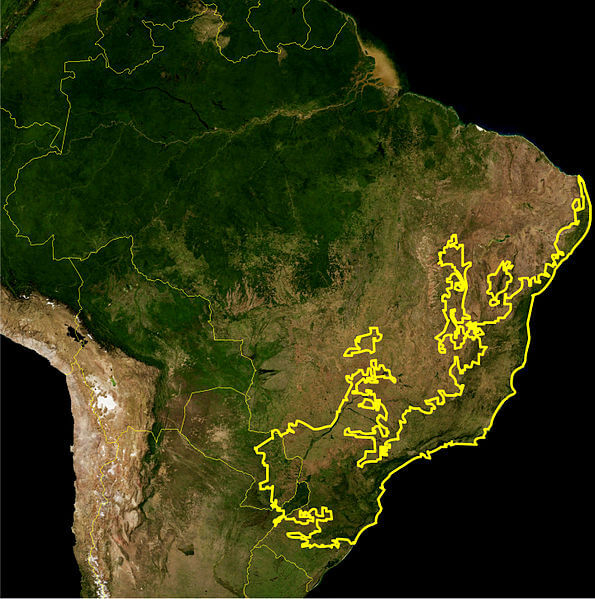
Map depicting the Atlantic Forest biome, as delineated by the WWF.
Extraordinary Biodiversity Under Threat
The Atlantic Forest's biological richness rivals that of the Amazon, with over 20,000 vascular plant species—approximately 40% endemic—compressed into just 1.5% of Brazil's territory. This extraordinary endemism reflects the forest's evolutionary isolation and its diverse habitats.
The forest harbors approximately 8,000 endemic plant species, including 55% of tree species and 64% of palm species. Notable endemic genera include Raulinoa, found only in northeastern Atlantic Forest fragments, and numerous Begonia species adapted to specific microclimates. Epiphytes reach extraordinary diversity, with over 600 bromeliad species and 1,500 orchid species, many restricted to specific forest types or elevation zones; the Atlantic Forest contains more bromeliad species than any other ecosystem worldwide, including iconic species like Vriesea hieroglyphica and Quesnelia arvensis.
The forest supports over 2,200 vertebrate species, with endemism rates of 55% for mammals, 18% for birds, 60% for reptiles, and 90% for amphibians. This exceptional endemism, however, comes with extraordinary vulnerability. Primates represent the Atlantic Forest's most endangered group, with all 25 species facing extinction risk: the northern muriqui (Brachyteles hypoxanthus), South America's largest primate, numbers fewer than 1,000 individuals, while golden lion tamarins (Leontopithecus rosalia) recovered from 200 individuals in the 1970s to over 3,000 today through intensive conservation efforts, demonstrating the potential for species recovery under sustained protection. Birds include 188 endemic species, from the spectacular red-billed curassow (Crax blumenbachii) to tiny endemic hummingbirds like the Brazilian ruby (Clytolaema rubricauda), many requiring large territories or specific forest structures that make them particularly vulnerable to fragmentation. Amphibians show the highest endemism rates of all, with species like the golden frog (Brachycephalus ephippium) restricted to single mountaintops; many such species face extinction from habitat loss, disease, and climate change before they are even scientifically described.
Historical Transformation and Human Impact
Portuguese colonization, beginning in 1500, initiated systematic forest destruction for brazilwood (Caesalpinia echinata), the tree that gave Brazil its name. Extensive sugarcane plantations cleared vast coastal areas, while cattle ranching expanded into interior forests; by 1822, an estimated 90% of coastal forests had already been removed. Coffee cultivation then drove massive further deforestation in the Paraíba Valley and São Paulo interior through the 19th and early 20th centuries, as railroad construction, industrial development, and European immigration brought intensive agriculture to previously forested areas.
Post-World War II development brought unprecedented additional forest loss, as urban sprawl, industrial agriculture, infrastructure development, and logging reduced forest cover to critical levels. Today, roughly 148 million people—approximately 70% of Brazil's population—live within the Atlantic Forest domain, creating ongoing pressure on the fragments that remain.
Contemporary Conservation: Progress and Challenges
Brazil's Forest Code requires Atlantic Forest landowners to maintain 20% forest cover, while the Atlantic Forest Law of 2006 provides additional protection; enforcement, however, remains inconsistent, and many areas still lack adequate legal safeguards. The biome now contains over 2,400 protected areas covering approximately 2.5% of the original forest extent, anchored by major sites including Serra do Mar State Park, at 315,000 hectares (778,000 acres) Brazil's largest Atlantic Forest protected area and covered in our Serra do Mar Coastal Forests article; Iguaçu National Park, protecting 185,000 hectares (457,000 acres) of significant semi-deciduous forest along the Paraná River detailed in our Upper Paraná Atlantic Forests article; and Monte Pascoal National Park, preserving 22,500 hectares (55,600 acres) of coastal forest biodiversity along the coast covered in our Discovery Coast article. Further protected complexes, including those detailed in our Atlantic Forest Southeast Reserves article and the UNESCO-designated Mata Atlântica Biosphere Reserve, round out a protected-area network that, while growing, still covers only a small fraction of the forest's original range.
The Atlantic Forest Restoration Pact aims to restore 15 million hectares (37 million acres) by 2050, representing one of the world's most ambitious restoration goals. Much of this effort centers on reconnecting isolated forest fragments through corridors such as the Central Atlantic Forest Ecological Corridor, alongside restoring degraded pastures with native species, implementing payment-for-ecosystem-services programs, and developing sustainable agroforestry systems. Organizations like SOS Mata Atlântica have planted over 42 million native trees since 1987, while the Instituto Terra has restored 700 hectares (1,730 acres) in Minas Gerais, demonstrating the restoration potential of even severely degraded land. Beyond Brazil's borders, Paraguay's Bosque Mbaracayú Biosphere Reserve and Itaipu Biosphere Reserve protect significant fragments of the same Atlantic Forest domain, underscoring that its conservation is a genuinely transboundary undertaking rather than a purely Brazilian one.
Indigenous territories and traditional communities protect significant forest areas as well: the Guarani people maintain forest fragments in São Paulo state, while quilombola communities in Bahia practice sustainable forest management, demonstrating that human presence can be compatible with forest conservation when grounded in traditional ecological knowledge.
Ecosystem Services: Supporting Millions of Lives
The Atlantic Forest provides critical services for South America's most populated region. It regulates water flow for major river basins, including the Paraíba do Sul and São Francisco rivers, with forest watersheds supplying water for over 120 million people. Remaining forests store approximately 4.6 billion tons of carbon while moderating regional temperatures and rainfall patterns, and forest cover on the region's steep mountain slopes prevents erosion, protecting agricultural areas and urban centers from landslides and flooding. The forest also serves as a genetic reservoir for countless species with potential pharmaceutical, agricultural, and industrial applications, value that is lost outright whenever a fragment disappears before it can even be studied.
Climate Change: An Emerging Threat
Climate change poses a further, compounding challenge for Atlantic Forest conservation. Rising temperatures and altered precipitation patterns threaten montane species adapted to cool, moist conditions, and models predict significant range shifts for many species, potentially pushing high-elevation endemics toward extinction as suitable habitat migrates upslope past the point where it still exists. Cloud forest ecosystems face particular vulnerability, since they depend on consistent mist for moisture and are therefore extremely sensitive to any change in the atmospheric patterns that generate it.
Conclusion: A Race Against Time
The Atlantic Forest represents both conservation's greatest challenge and its most inspiring success stories. While 88% has been lost, the remaining 12% continues to support extraordinary biodiversity and provide essential services for millions of people. Successes ranging from golden lion tamarin recovery to large-scale restoration through initiatives like the Central Atlantic Forest Ecological Corridor demonstrate that this forest can be saved and rebuilt rather than merely mourned. Success over the next two decades will depend on sustained commitment from governments, organizations, and communities across Brazil, Paraguay, and Argentina alike to protect what remains of the forest that gave Brazil its name while restoring what has already been lost.