Biomes / Ecosystems of South America

Brazil's Eastern Frontier: Exploring the Atlantic Coastal Lowlands

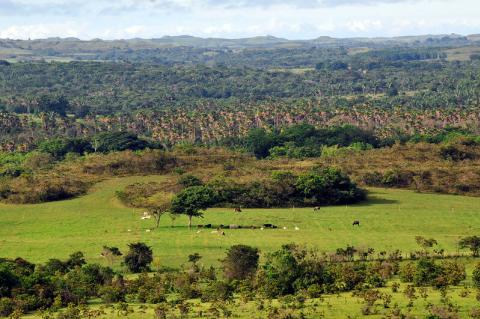
The Atlantic Coastal Lowlands extend along Brazil's eastern coastline, from Amapá to Rio Grande do Sul, bordering the Atlantic Ocean. This region is characterized by sandy beaches, lagoons, and mangrove swamps, with flat plains that gradually rise inland toward the Brazilian Highlands. It holds historical and economic significance, containing some of Brazil's largest cities and essential ecosystems supporting biodiversity.

The Arid Diagonal: South America's Great Drylands

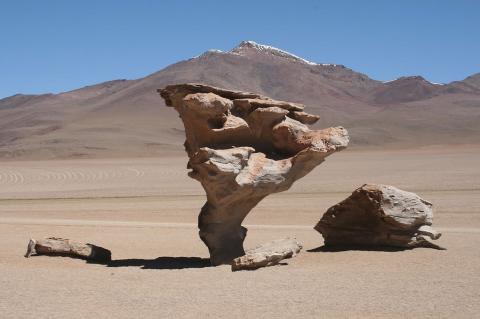
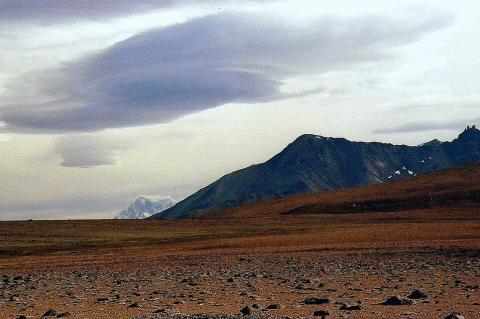
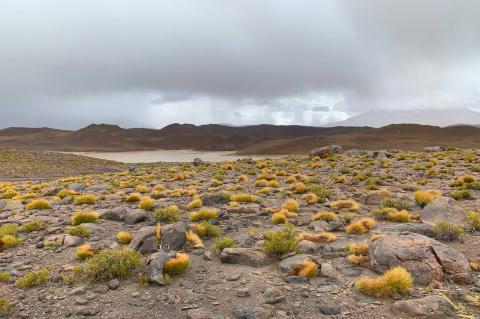
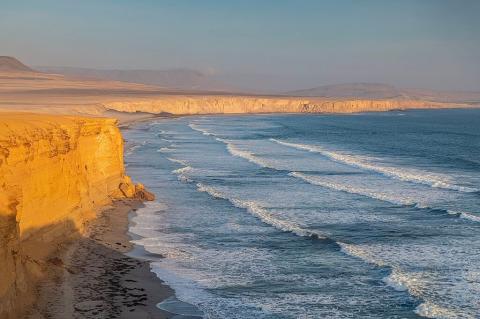
South America's Arid Diagonal is a vast belt of arid and semi-arid ecosystems extending from coastal Peru to southeastern Argentina and northeastern Brazil. The region encompasses diverse desert systems, including the hyperarid Atacama, the ENSO-influenced Sechura, the biodiverse Monte, the wind-swept Patagonian Desert, and the high-altitude Puna. Despite extreme aridity, the diagonal harbors remarkable biodiversity with high endemism levels, particularly in transition zones, though it faces conservation challenges from overgrazing, mining, agricultural expansion, and climate change.

The Brazil Current: Western South Atlantic's Warm Water Highway

The Brazil Current is the western boundary current of the South Atlantic Ocean and a key part of the global thermohaline circulation system. This warm current flows south along Brazil's extensive coast, transporting tropical waters from equatorial areas toward the temperate regions of the South Atlantic. The Brazil Current is crucial for regulating regional climate, supporting marine ecosystems, and moving heat across the ocean. Its influence affects Brazil's coastal climate and the broader Atlantic Ocean circulation, making it an important element of both regional and global ocean systems.

The Central Amazon Ecological Corridor: Safeguarding the Heart of the Rainforest

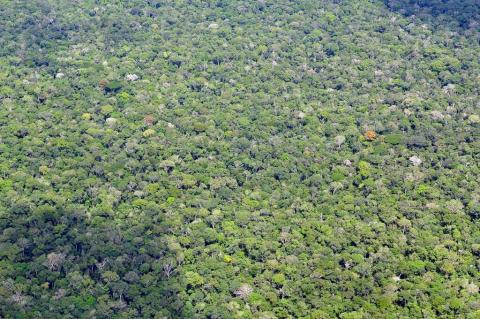
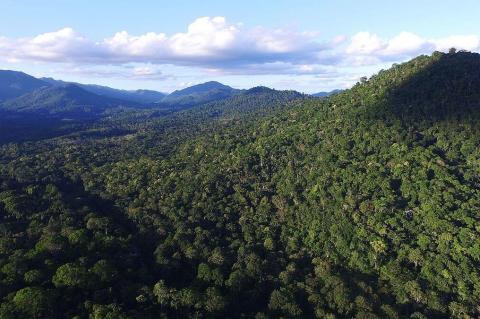
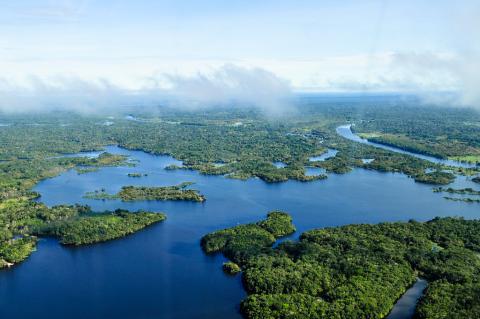
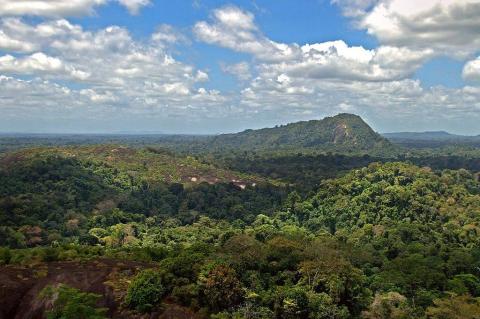
The Central Amazon Ecological Corridor (CAEC) represents one of the world's most ambitious conservation initiatives—a vast network of protected areas safeguarding the heart of the Amazon Rainforest. Spanning Brazil's Amazonas and Pará states, this interconnected system of parks and reserves protects extraordinary biodiversity while supporting Indigenous communities and sustainable development. The CAEC links diverse conservation units into a functioning ecological network.

The Humboldt Current: A Lifeline in the Eastern South Pacific

The Humboldt Current, also known as the Peru Current, stands as one of Earth's most significant oceanic systems and a cornerstone of marine productivity in the eastern South Pacific. This remarkable cold-water current creates a distinct marine environment characterized by nutrient-rich waters and extraordinary biodiversity. It flows northward from the Antarctic along South America's west coast. Its influence extends beyond marine life, shaping climate, supporting seabirds, and sustaining fishing industries.

The Iberá Wetlands: Argentina's Natural Wonderland

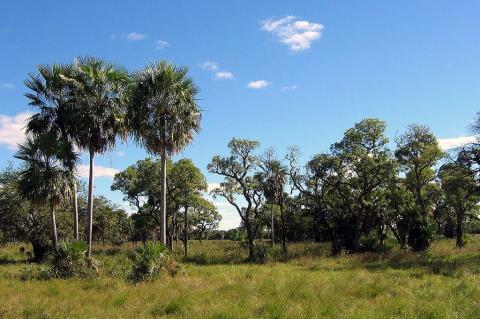
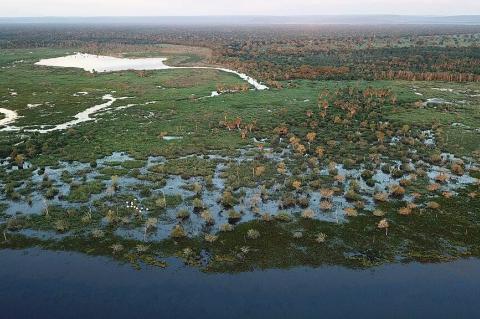
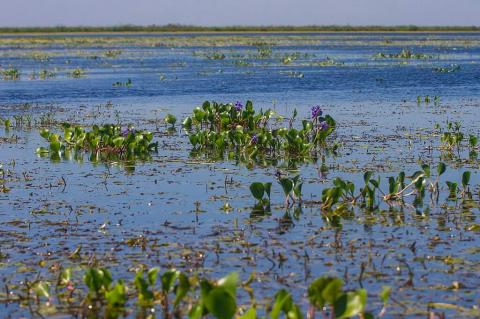
Nestled in the province of Corrientes in northeastern Argentina, the breathtaking ecosystem known as the Iberá Wetlands lies. This expansive wetland marvel unfolds as a mosaic of marshes, swamps, bogs, lakes, and lagoons, forming one of the most significant freshwater reservoirs in South America. Beyond its sheer size, this intricate network of water bodies plays a pivotal role in sustaining the region's water supply and acting as a crucial force in flood control.

The Sumapaz Páramo: Colombia's Pristine Moorland Majesty

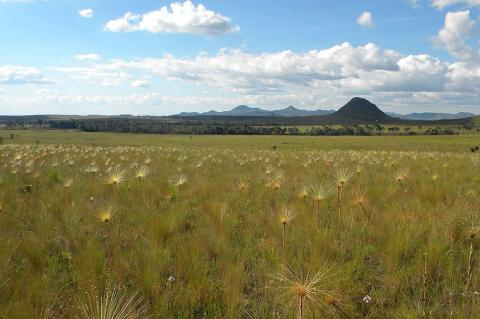
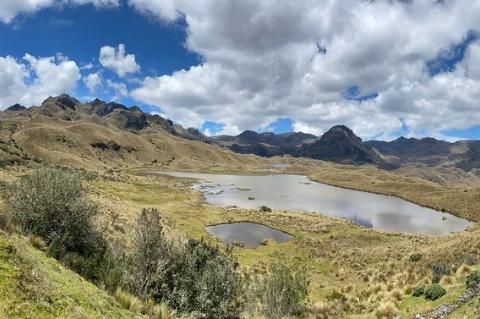
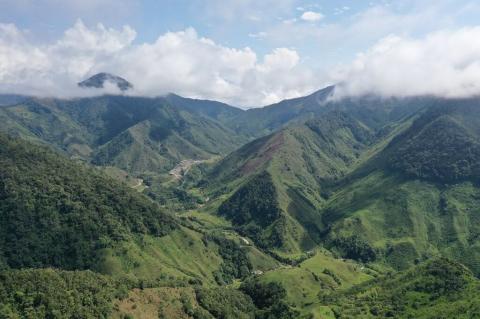
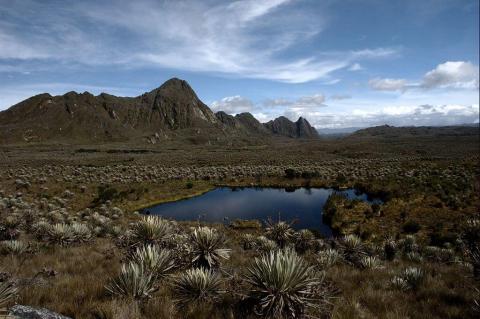
Nestled within the rugged terrain of the Colombian Andes lies the Sumapaz Páramo, the largest páramo ecosystem on Earth. This vast expanse of high mountain grassland is a sanctuary for extraordinary biodiversity and a critical water source for millions, protected today as Sumapaz National Natural Park. But Sumapaz is also a significant site in Colombia's decades-long armed conflict, a place where peasant resistance movements were born and which later became a vital strategic corridor for the country's largest guerrilla group.