
The Cerrado: Brazil's Burning Heart, A Savanna of Astonishing Secrets
The Cerrado is South America's largest savanna and one of the world's great biodiversity hotspots, with its fire-adapted trees and towering termite mounds sitting atop the headwaters of three of the continent's largest river basins — a landscape that has also given Brazilian cuisine two of its most distinctive fruits, pequi and baru.


The Cerrado: Termite Towers, Fire-Born Fruit, and Brazil's Water Tower
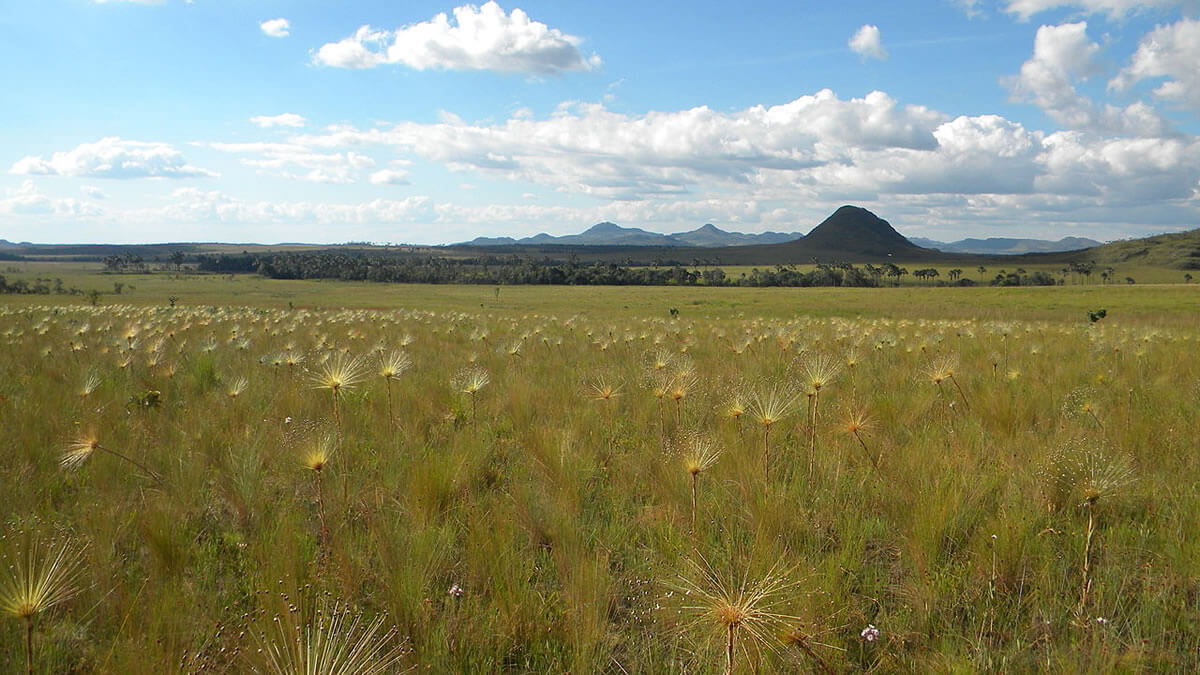
The Cerrado, a sprawling savanna ecoregion that blankets the heart of Brazil and spills over into eastern Bolivia and northeastern Paraguay, represents a realm of breathtaking biodiversity and ecological complexity often overshadowed by its more famous Amazonian neighbor. Far from being a uniform expanse of grasslands, this vast landscape is a captivating mosaic of habitats, ranging from dense gallery forests lining waterways to open grasslands dotted with gnarled, fire-adapted trees and seasonally flooded wetlands.
As South America's largest savanna and a globally significant biodiversity hotspot, the Cerrado harbors a staggering array of plant and animal life, many of which are found nowhere else on Earth. Beyond its intrinsic ecological value, the Cerrado plays a crucial role in the continent's water cycles, earning it the moniker of "Brazil's water tower." Understanding the unique characteristics, the evolutionary forces that shaped its biodiversity, the critical ecosystem services it provides, and the mounting threats it faces is essential to appreciating and safeguarding this extraordinary biome.
A Landscape Shaped by Fire and Water: Geographical and Ecological Tapestry
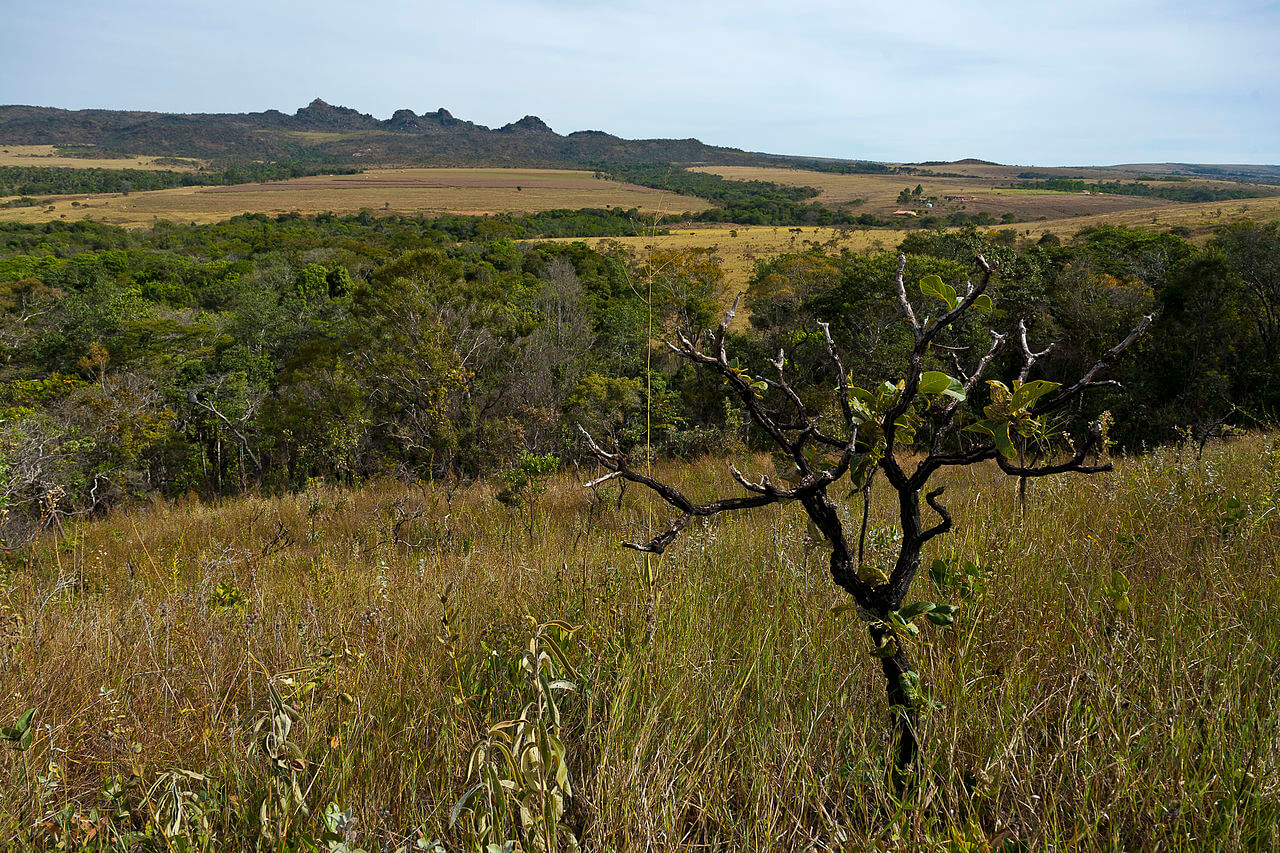
The Cerrado primarily occupies the central Brazilian Plateau, a region characterized by ancient, weathered soils that are often acidic and nutrient-poor. This geological foundation, coupled with a distinct seasonal climate of hot, wet summers and prolonged dry winters, has sculpted the Cerrado's unique vegetation and shaped the adaptations of its inhabitants. Unlike the continuous canopy of a rainforest, the Cerrado's plant life exhibits a remarkable resilience to fire, a natural and historically integral part of its ecosystem. Many trees and shrubs possess thick bark, underground storage organs, and the ability to resprout vigorously after fires, contributing to the savanna's characteristic open structure, interspersed with woody vegetation.
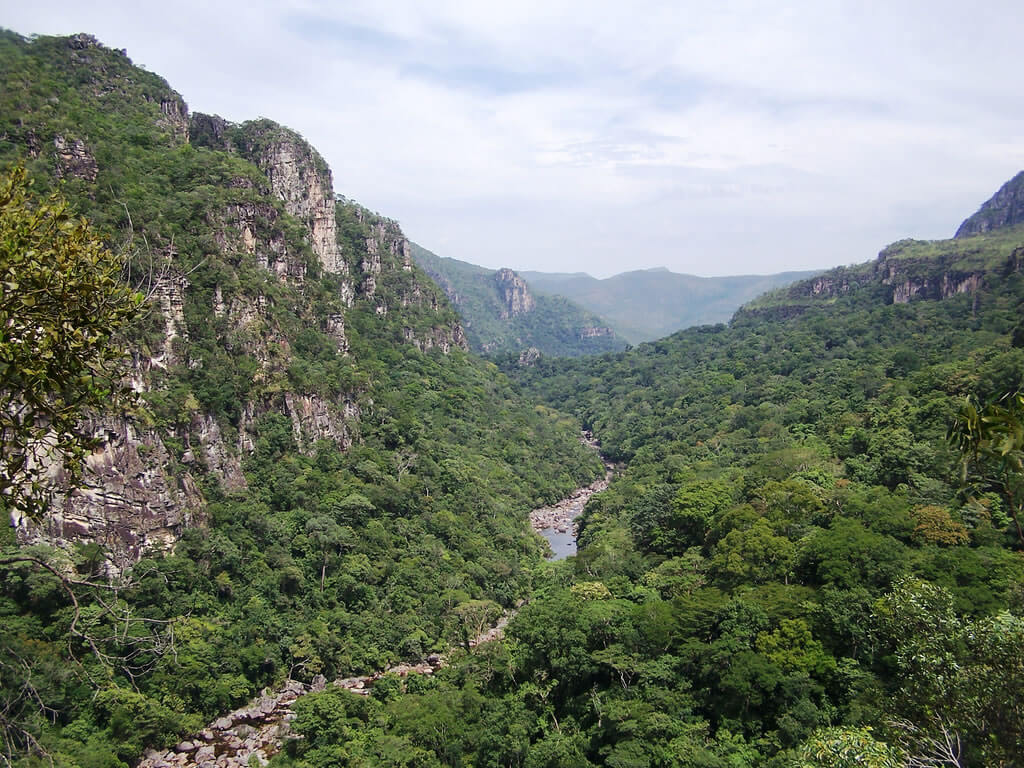
The Cerrado's diverse habitats create a rich ecological tapestry. Expansive grasslands, known as "campos," dominate certain areas, while "cerrado sensu stricto" features a mix of grasses, shrubs, and small, twisted trees. Gallery forests, with their denser canopies and higher moisture levels, fringe rivers and streams, providing crucial refuge for species less tolerant of the open savanna. Seasonally flooded grasslands and wetlands, known as "veredas," add another layer of complexity: these wetlands are typically ringed by dense stands of the buriti palm (Mauritia flexuosa), whose fan-shaped crowns are one of the Cerrado's most recognizable silhouettes, and whose fruit and fiber have long been harvested by local communities for food, oil, and traditional crafts. This habitat heterogeneity contributes significantly to the Cerrado's exceptional biodiversity, creating a wider variety of ecological niches and supporting a broader range of species.
Rising from the savanna floor throughout the region are the Cerrado's towering termite mounds, built by several native termite species and often reaching 2 to 3 m (6.5 to 10 ft) in height; these structures function as engineering marvels of natural climate control, their internal tunnel networks regulating temperature and humidity for the colonies within, and abandoned mounds are quickly recolonized by other creatures, including tortoises, lizards, and burrowing mammals, making them small but significant hubs of biodiversity in their own right.
A Cradle of Endemism: The Evolutionary Secrets of Cerrado Biodiversity
The Cerrado's long evolutionary history, coupled with its unique environmental conditions and periods of isolation, has fostered an extraordinary level of endemism. Of the over 12,000 plant species estimated to call the Cerrado home, nearly half are found nowhere else on the planet. These unique botanical treasures range from striking orchids and bromeliads adapted to the dry conditions to the iconic, fire-resistant trees with their deep root systems, among them the pequi (Caryocar brasiliense) and baru (Dipteryx alata), two native fruit trees whose products have become defining ingredients of the cuisine of Goiás and Minas Gerais; pequi's oily, aromatic pulp, eaten carefully around a nest of small spines, flavors rice and chicken dishes throughout the region, while baru's roasted nut has become an increasingly popular export as a nutrient-dense alternative to cashews and almonds. This remarkable plant diversity forms the foundation for a complex food web that supports an equally impressive array of fauna.
The Cerrado teems with wildlife, including over 800 bird species, more than 200 mammal species, and hundreds of reptile and amphibian species. Iconic inhabitants include the bizarre and endearing maned wolf (Chrysocyon brachyurus), the giant anteater (Myrmecophaga tridactyla), the armadillo (Dasypus novemcinctus and others), and the elusive jaguar (Panthera onca). The avifauna is particularly rich, with vibrant species like macaws, toucans, and rheas adding splashes of color to the landscape. The Cerrado also harbors an astonishing diversity of insects, playing crucial roles in pollination, nutrient cycling, and the food chain. High levels of endemism across taxonomic groups underscore the Cerrado's importance as a center of evolutionary innovation and a critical area for global conservation.
Brazil's Water Tower: The Crucial Hydrological Role of the Cerrado
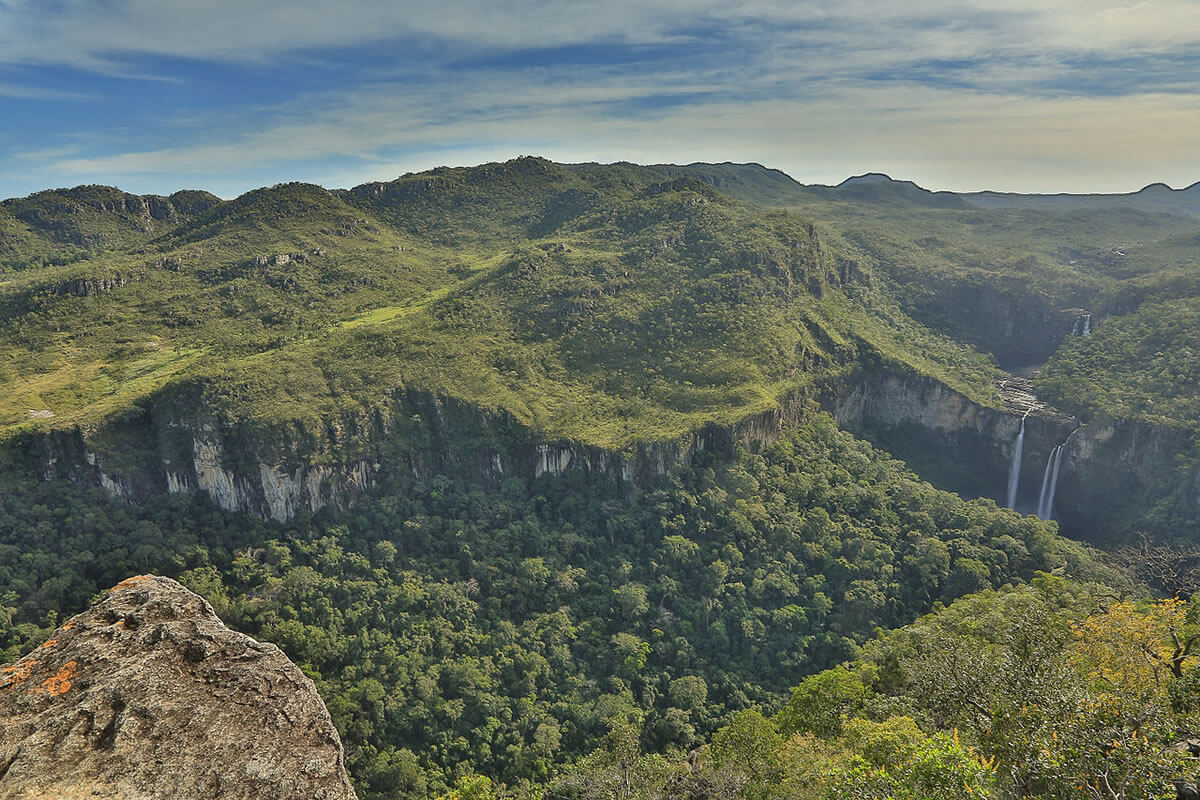
Beyond its remarkable biodiversity, the Cerrado plays a vital, often underestimated, role in Brazil's and South America's water resources. This vast savanna region sits atop major aquifers and serves as the headwaters for three of the continent's largest river basins: the Amazon, the São Francisco, and the Paraná-Paraguay. The Cerrado's vegetation and soil structure facilitate rainwater infiltration into these underground reservoirs and regulate water flow into these critical river systems, supplying water for human consumption, agriculture, and hydroelectric power across vast distances. The health and integrity of the Cerrado are therefore intrinsically linked to the water security of a significant portion of South America. Deforestation and land conversion within the Cerrado can disrupt these vital hydrological processes, leading to reduced water availability, increased erosion, and altered river flow regimes, with far-reaching consequences for both ecosystems and human populations.
A Biome Under Siege: Threats to the Cerrado's Future
Despite its ecological significance and the crucial services it provides, the Cerrado faces immense and growing threats, primarily driven by agricultural expansion, particularly for cattle ranching and soybean cultivation. In recent years, this frontier has pushed hardest into MATOPIBA, the fast-expanding agricultural region spanning parts of Maranhão, Tocantins, Piauí, and Bahia in the Cerrado's northern reaches, now one of the most rapidly converted stretches of the entire biome. The conversion of native Cerrado vegetation to monoculture croplands and pastures has resulted in widespread habitat loss and fragmentation, jeopardizing the survival of its unique flora and fauna, including the very fruit trees and termite-mound ecosystems described above. The use of fertilizers and pesticides in agricultural areas can also pollute water sources and harm biodiversity within and downstream of the Cerrado.
Fire, while a natural component of the Cerrado ecosystem, has become a significant threat when uncontrolled and exacerbated by human activities. Deforestation and the accumulation of dry biomass in degraded areas can lead to more intense and widespread wildfires, further damaging native vegetation and impacting wildlife. Infrastructure development, such as roads and dams, can also fragment habitats and disrupt ecological processes. Climate change adds another layer of complexity, with altered rainfall patterns and rising temperatures potentially exacerbating other threats and further stressing the Cerrado's delicate ecosystems. The rate of habitat loss in the Cerrado has been alarmingly high, making it one of the most threatened biomes on Earth and underscoring the urgent need for effective conservation strategies.
Safeguarding a Hidden Treasure: Conservation Imperatives for the Cerrado
Recognizing the Cerrado's immense ecological and hydrological importance, conservation efforts are underway at various levels. Establishing and effectively managing protected areas, such as national parks and biological reserves, is crucial for safeguarding representative samples of the Cerrado's diverse habitats and providing refuge for its unique species. Notable examples include Chapada dos Veadeiros National Park, a UNESCO World Natural Heritage Site renowned for its dramatic canyons, waterfalls, and unique flora, and Emas National Park, also a UNESCO site, which protects a vast expanse of savanna and is home to iconic Cerrado wildlife such as the maned wolf and giant anteater. Sustainable land management practices in agricultural areas, including integrated crop-livestock systems and no-till farming, can help reduce the pressure on native vegetation and minimize environmental impacts.
Reforestation and restoration initiatives are also vital to reconnect fragmented habitats and recover degraded areas. Raising awareness among the public and policymakers about the Cerrado's importance and the threats it faces is essential for garnering support for conservation action, and the growing commercial market for pequi and baru products offers one concrete example of how sustainable harvesting of native Cerrado species can provide income that depends on keeping the savanna intact rather than clearing it. Furthermore, recognizing and respecting the traditional knowledge and sustainable land-use practices of Indigenous communities and local populations who have long coexisted with the Cerrado is crucial for developing effective and equitable conservation strategies. The future of this extraordinary savanna, Brazil's burning heart and a treasure trove of biodiversity, depends on a concerted and sustained effort to understand, value, and protect its intricate web of life.
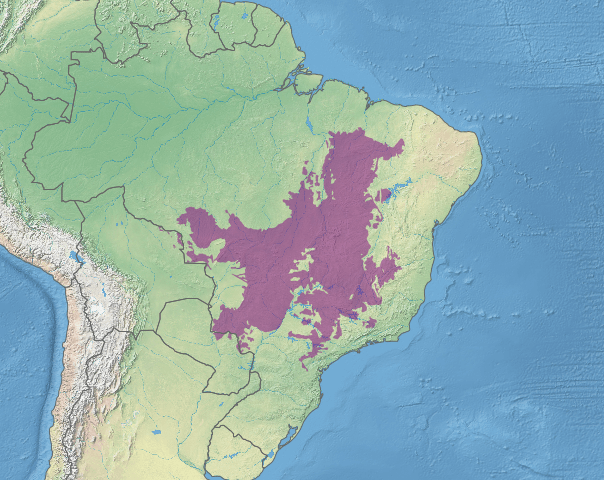
Map depicting the location of the Cerrado ecoregion (in purple).