
Serra de Paranapiacaba: Where Engineering Meets Wilderness
Rising from the Atlantic coastal plains like a great green fortress, the Serra de Paranapiacaba is a dramatic and historic part of Brazil's Serra do Mar mountain system. This escarpment has served as a natural barrier and gateway to Brazil's interior, linking human ambition with the power of nature.
The Great Escarpment: Serra de Paranapiacaba's Natural and Cultural Legacy
Rising from the Atlantic coastal plains like a great green fortress, the Serra de Paranapiacaba represents one of the most dramatic and historically significant sections of Brazil's Serra do Mar mountain system. This magnificent escarpment, whose name derives from the Tupi language meaning "place where one sees the sea," has served as both an imposing natural barrier and a gateway to Brazil's interior, forever linking human ambition with the raw power of nature itself.
The Great Escarpment Revealed
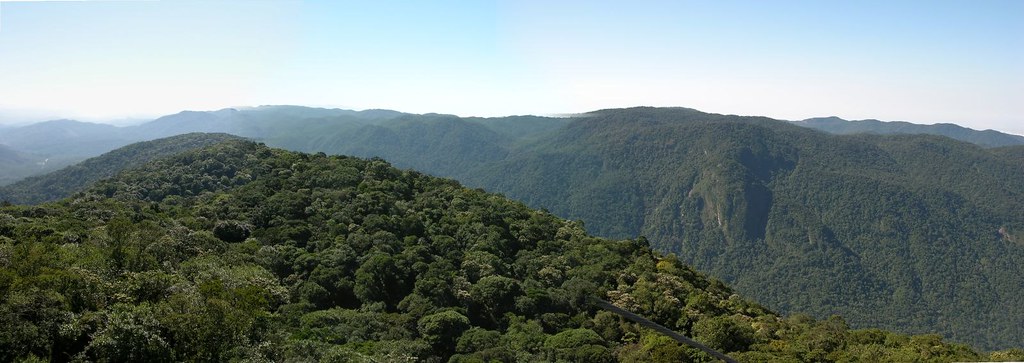
The Serra de Paranapiacaba forms part of Brazil's Great Escarpment, a geological marvel that extends along much of the country's Atlantic coast. Here, the Brazilian Highlands terminate abruptly in a series of precipitous cliffs and steep-sided valleys that plunge from elevations exceeding 800 meters (2,625 feet) to near sea level in distances measured in mere kilometers. This dramatic topographical transition creates one of the world's most spectacular mountain frontages, where ancient geological forces have sculpted a landscape of extraordinary beauty and complexity.
Geologically, the Serra de Paranapiacaba consists primarily of Precambrian crystalline rocks that have been shaped by millions of years of weathering and tectonic activity. The region forms part of two major geological complexes: the Suzano Complex and the Itatinga Complex, separated by the significant Cubatão fault zone. Within the Suzano Complex, the Paranapiacaba gneiss formation tells a story of ancient mountain-building processes that occurred deep within the Earth's crust, later exposed through erosion and uplift.
The steep escarpments characteristic of the Serra de Paranapiacaba result from differential erosion, where harder crystalline rocks have resisted weathering while softer materials have been carved away by millennia of rainfall and stream action. This process continues today, making the region geologically active despite its ancient origins, with ongoing denudation gradually retreating the escarpment face inland over geological time.
A Living Laboratory of Atlantic Forest Diversity
The Serra de Paranapiacaba serves as a living showcase of Atlantic Forest biodiversity, encompassing multiple ecological zones within its steep gradients. The rapid elevation changes create a series of distinct microenvironments, each supporting unique assemblages of plant and animal species adapted to specific combinations of temperature, humidity, and light conditions.
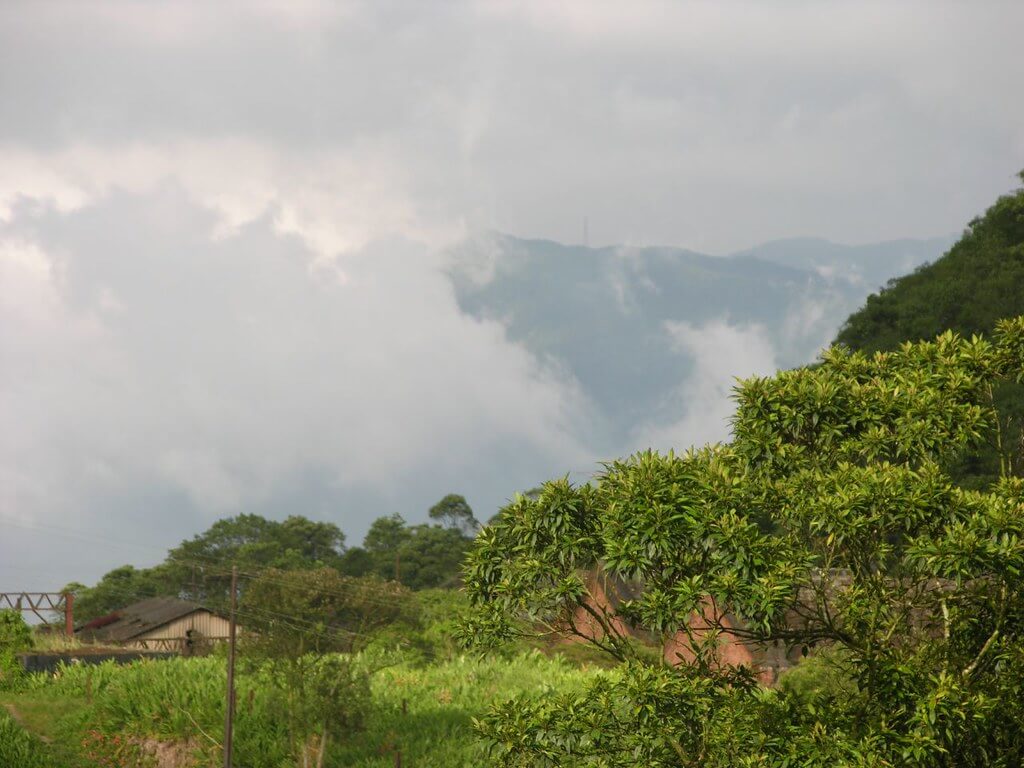
At lower elevations, dense lowland Atlantic Forest dominates the landscape, characterized by towering emergent trees that can exceed 40 meters (131 feet) in height. Species from the families Lauraceae, Leguminosae, and Myrtaceae form the canopy structure, creating a multi-layered ecosystem where epiphytes flourish in the humid conditions. As elevation increases, the forest composition gradually shifts, with cloud forests appearing on the higher slopes where persistent mist provides additional moisture to support specialized plant communities.
The fauna of Serra de Paranapiacaba includes many of the Atlantic Forest's most charismatic and endangered species. Large mammals such as jaguars (Panthera onca), pumas (Puma concolor), and South American tapirs (Tapirus terrestris) still roam the more remote areas, though their populations face pressure from habitat fragmentation and human encroachment. Primates, including brown howler monkeys (Alouatta guariba) and endangered muriquis (Brachyteles arachnoides), depend on the continuous forest canopy for survival.
The region's avian diversity reflects the Atlantic Forest's status as one of the world's most important centers of bird endemism. Species such as the bare-throated bellbird (Procnias nudicollis), whose haunting call echoes across the valleys, and the seven-colored tanager (Tangara fastuosa), with its brilliant plumage, represent just a fraction of the hundreds of bird species that call this region home.
The Railway Revolution: Engineering Marvel in the Mountains
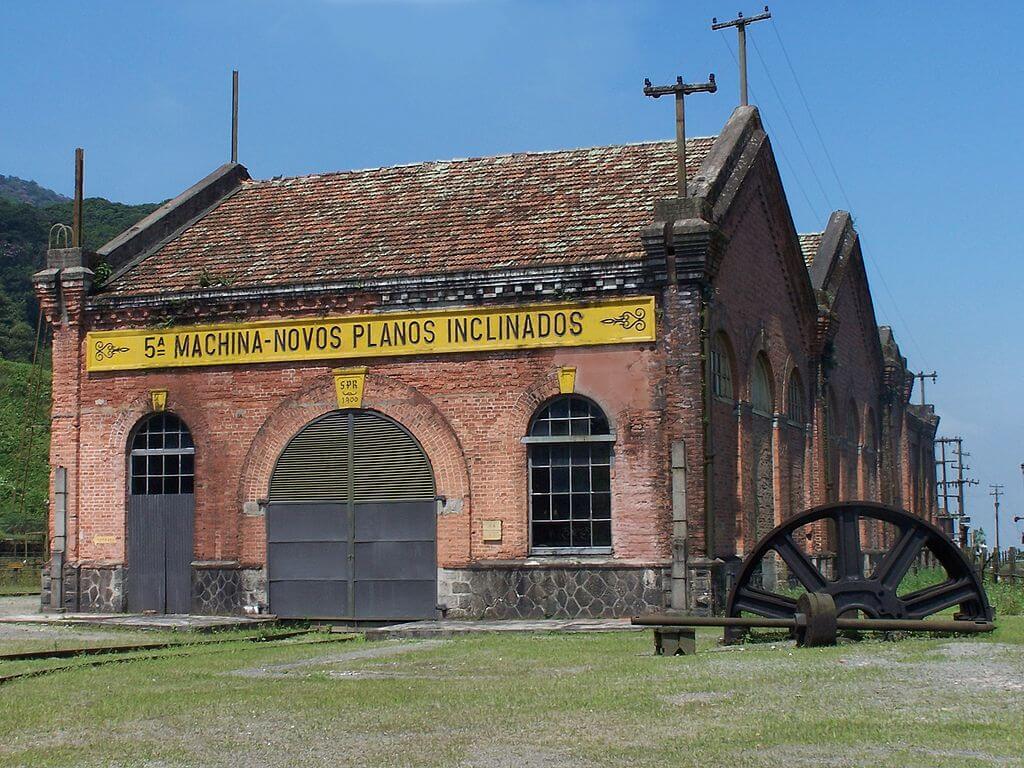
The Serra de Paranapiacaba gained international recognition in the 19th century as the site of one of the world's most ambitious railway engineering projects. The English company São Paulo Railway Co. (SPR) undertook the seemingly impossible task of conquering the steep escarpment to connect the port of Santos with the coffee-growing regions of São Paulo's interior plateau.
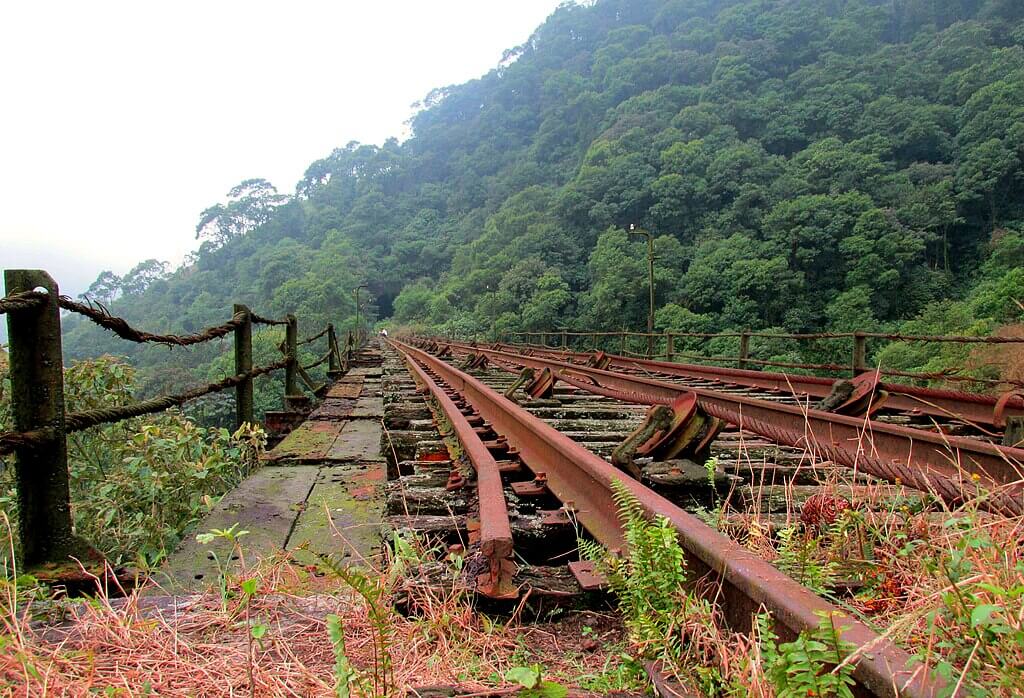
Inaugurated in the 1860s, the railway system employed revolutionary funicular and rack-and-pinion technologies to overcome elevation changes that defeated conventional locomotive design. The engineering solutions developed for the Serra de Paranapiacaba influenced railway construction worldwide and demonstrated humanity's ability to work with, rather than against, challenging natural landscapes.
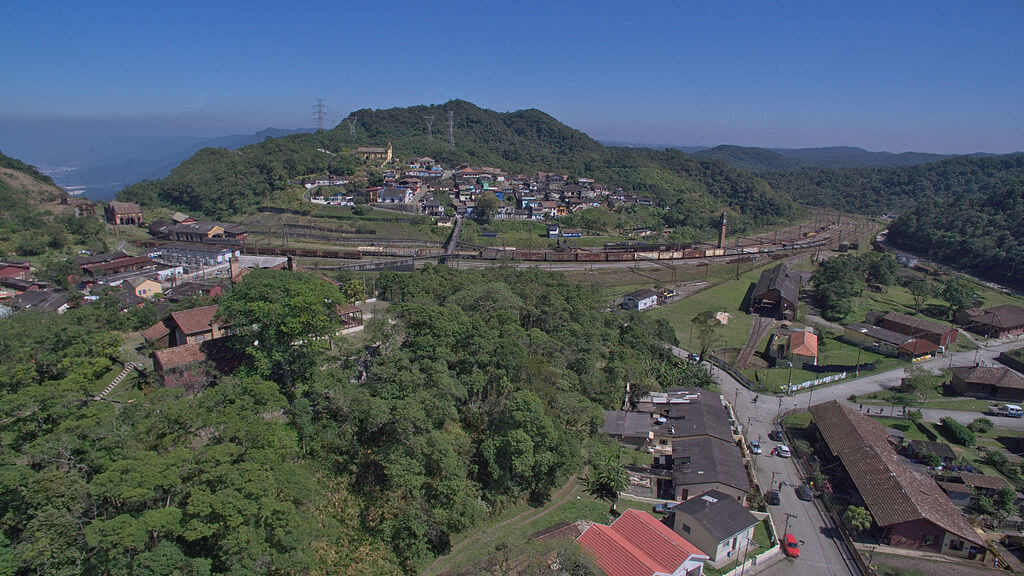
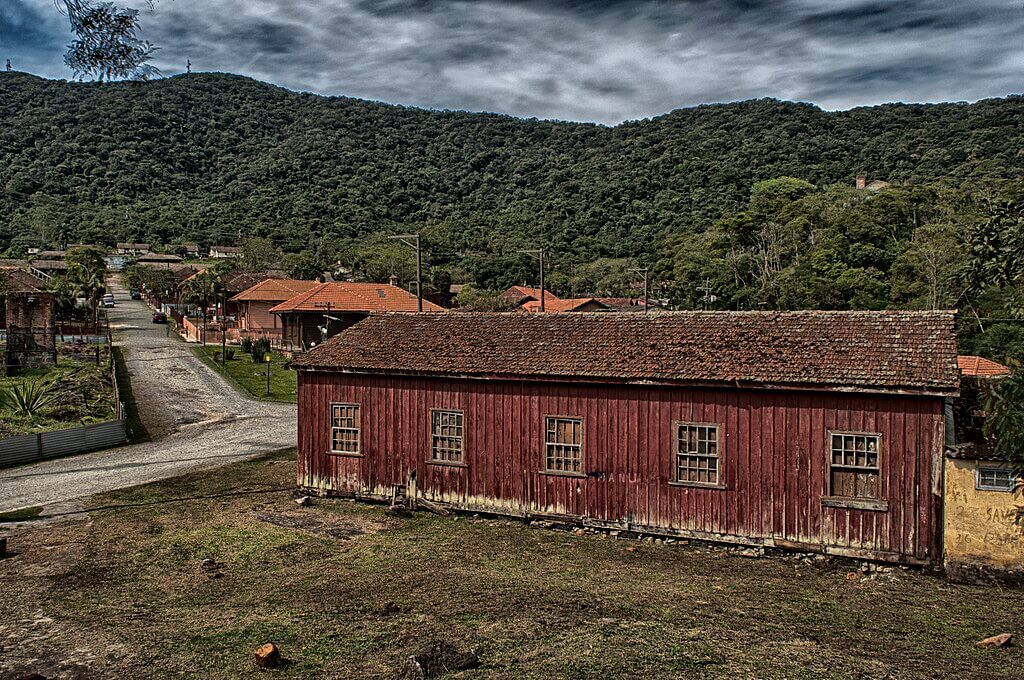
The railway village of Paranapiacaba, built by the SPR to house workers and manage operations, represents a unique example of English industrial architecture transplanted to the Brazilian tropics. The village, with its neat rows of wooden houses, administrative buildings, and maintenance facilities, created a complete community dedicated to conquering the mountain barrier. This cultural landscape, now recognized on UNESCO's World Heritage Tentative List, represents the intersection of technological innovation, cultural adaptation, and environmental management.
Conservation in a Complex Landscape
Today, the Serra de Paranapiacaba faces the complex challenge of balancing conservation needs with the legacy of human development that has shaped the region for over a century. The establishment of the Nascentes de Paranapiacaba Natural Park represents a commitment to protecting the headwaters and forest ecosystems that remain intact within this historically significant landscape.
The natural park protects critical watershed areas that supply water to millions of people in the São Paulo metropolitan region, demonstrating the essential ecosystem services provided by Atlantic Forest conservation. These forests regulate water flow, prevent erosion, and maintain the hydrological cycles that support both natural ecosystems and human communities.
The proximity of the Serra de Paranapiacaba to Brazil's largest metropolitan area creates both opportunities and challenges for conservation. While urban pressure threatens forest fragments, the region's accessibility also makes it valuable for environmental education and research. Scientists continue to discover new species within the park boundaries, highlighting how much remains unknown about Atlantic Forest biodiversity even in well-studied areas.
Cultural Heritage and Identity
The Serra de Paranapiacaba embodies the complex relationship between nature and human development that characterizes much of Brazil's Atlantic coast. The region's history encompasses Indigenous peoples who first named these mountains, Portuguese colonizers who found them a formidable barrier to expansion, English engineers who conquered them with steel rails, and modern Brazilians who work to preserve them for future generations.
The village of Paranapiacaba maintains its English architectural character while adapting to contemporary needs, creating a unique cultural landscape where preservation and progress coexist. Local communities continue to depend on the forest for water, climate regulation, and recreational opportunities, while visitors come from around the world to experience both the natural beauty and historical significance of this remarkable place.
Challenges and Future Prospects
Climate change poses new challenges for the Serra de Paranapiacaba's ecosystems, with rising temperatures and changing precipitation patterns potentially altering the delicate conditions that support cloud forest communities and endemic species. Research in the region contributes to understanding how tropical montane ecosystems respond to environmental change and identifying management strategies that can enhance their resilience.
The ongoing tension between conservation and development requires innovative approaches that recognize both the ecological value of intact forests and the legitimate needs of local communities. Sustainable tourism, environmental education, and research partnerships offer pathways for maintaining the region's natural heritage while providing economic opportunities for residents.
A Window into Brazil's Soul
Standing on the escarpment edge where the Serra de Paranapiacaba drops away toward the distant Atlantic, visitors experience a profound sense of scale and history. Here, where ancient mountains meet modern challenges, where engineering marvels thread through pristine forests, and where the calls of howler monkeys mingle with the whistle of trains, we find a microcosm of Brazil itself.
The Serra de Paranapiacaba tells a story of transformation—geological, ecological, and cultural—that continues to unfold. In its steep valleys and cloud-wrapped peaks, in its historic railways and recovering forests, in its endemic species and immigrant communities, we see reflected the complexity and resilience that define both the Atlantic Forest and the Brazilian spirit.
As morning mist rises from the valleys and the first light reveals the intricate tapestry of forest and mountain, the Serra de Paranapiacaba stands as both guardian and gateway—protecting irreplaceable natural treasures while connecting us to the broader world of which we are all part. Here, at the edge of the sea of green that once covered coastal Brazil, we find not just a destination but an inspiration for what conservation can achieve when human ingenuity works in harmony with natural wonder.