Landforms of Brazil

A Remote Marvel: The Saint Peter and Saint Paul Archipelago

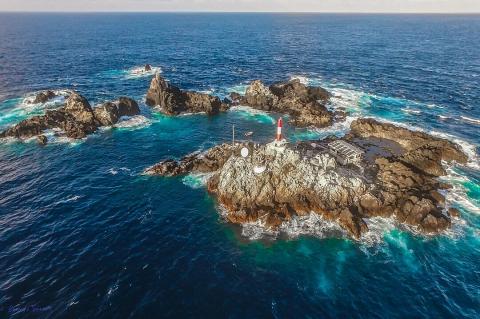
The Saint Peter and Saint Paul Archipelago, a small and isolated group of islets, rises dramatically from the central Atlantic Ocean, nearly 1,000 km from the northeastern coast of Brazil. These rocky outcroppings are the only natural exposure of the Earth's mantle above sea level in the Atlantic, offering a unique glimpse into the planet's geological history. Despite their remote and barren nature, these islets are a hotspot of scientific interest and ecological significance.

Anavilhanas Archipelago and National Park: Guardians of the Amazon

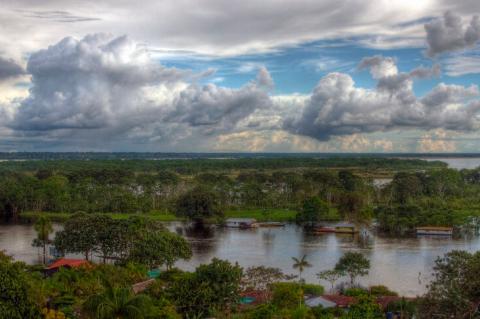
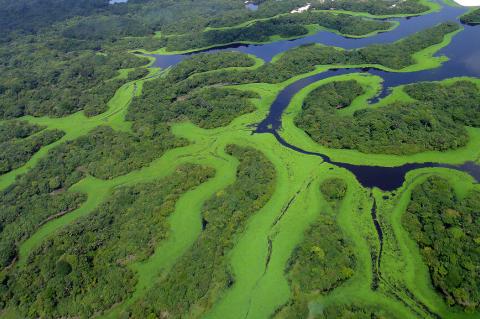
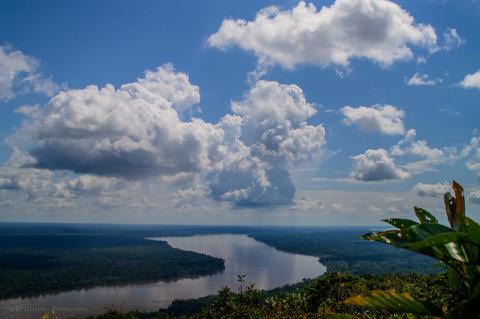
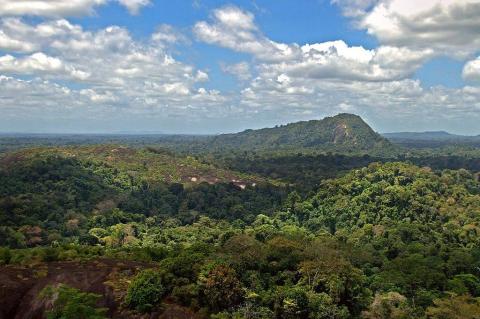
The Anavilhanas Archipelago is a testament to the dynamic forces of nature that shape the Amazon landscape. Comprising around 400 islands, 60 lakes, and numerous river channels, the archipelago is the world's second-largest fluvial archipelago. Situated in the Amazonas region of Brazil, Anavilhanas National Park stands as a bastion of biodiversity and ecological significance within the vast expanse of the Amazon Rainforest.

Araguaia National Park: A Haven of Biodiversity and Indigenous Culture

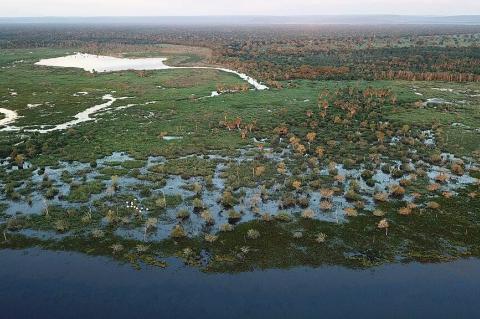
In the southwestern part of Tocantins, Brazil, lies Bananal Island, the largest fluvial island in the world. Formed by the bifurcation of the Araguaia River, this unique landscape is a haven for biodiversity and cultural heritage. Sharing this remarkable environment is Araguaia National Park, a protected area that showcases the region's rich flora and fauna. Exploring their natural beauty, ecological significance, and cultural importance reveals the actual value of these extraordinary areas.

Bahia's Treasure: The Wonders of Todos os Santos Bay

Nestled along Brazil's eastern coast, Todos os Santos Bay, also known as All Saints Bay, is a captivating natural harbor that has played a pivotal role in the history and development of the region. As the largest bay in Brazil, it envelops the vibrant city of Salvador de Bahia, the capital of the state of Bahia. It serves as both a geographical landmark and a cultural icon. With its deep historical roots and rich ecological diversity, this expansive bay continues to be a central feature of Bahia's coastal landscape.

Caquetá-Japurá River: A Vital Amazonian Watercourse

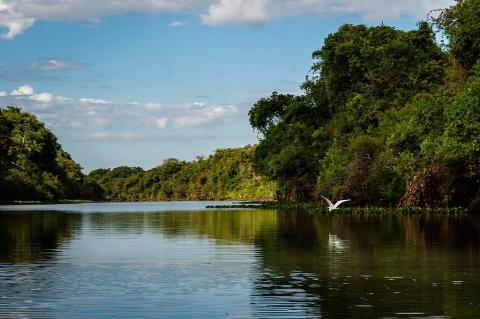
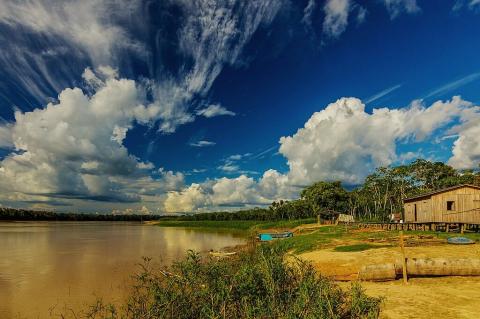
The Caquetá-Japurá River, known as the Caquetá in Colombia and the Japurá in Brazil, is one of the significant tributaries of the Amazon River. The river flows through Colombia and Brazil, playing a crucial role in the hydrology and ecology of the Amazon Basin. Its extensive basin covers a vast area in both countries and is characterized by diverse ecosystems, including some of the most extensive wetlands in the Amazon.

Caracol Falls: A Natural Wonder of Southern Brazil

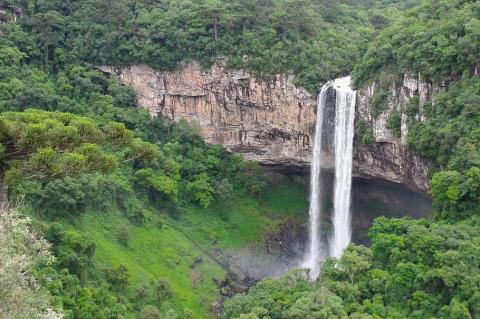
Caracol Falls, located near Canela in Rio Grande do Sul, Brazil, is one of the country's most iconic natural landmarks. Situated within Caracol State Park, this stunning waterfall plunges over basalt cliffs, showcasing the dramatic geological features of the Serra Geral mountain range. Caracol Falls has two main cascades, offering a breathtaking display of nature's power as the Caracol River flows into the Vale da Lageana. As Brazil's second most popular natural tourist attraction, it draws millions of visitors annually, captivated by its beauty and accessibility.

Cavernas do Peruaçu National Park: Exploring Brazil's Peruaçu River Canyon

In northern Minas Gerais, Brazil, the Peruaçu River Canyon, a UNESCO World Heritage Site, is encompassed by Cavernas do Peruaçu National Park. This remarkable landscape showcases geological formations, biological diversity, and human history spanning millennia. Limestone formations have created an underground world with over 140 caves and prehistoric rock art dating back 12,000 years. The canyon exemplifies the interplay of geological, natural, and cultural development that has shaped this unique corner of Brazil.

Fernando de Noronha and Rocas Atoll: Guardians of the South Atlantic

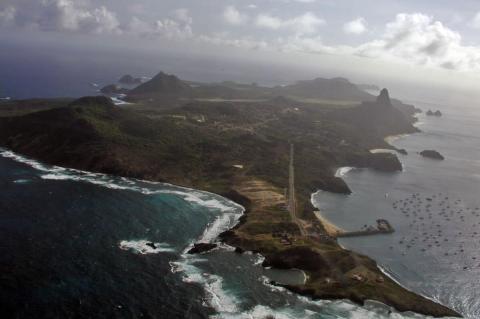
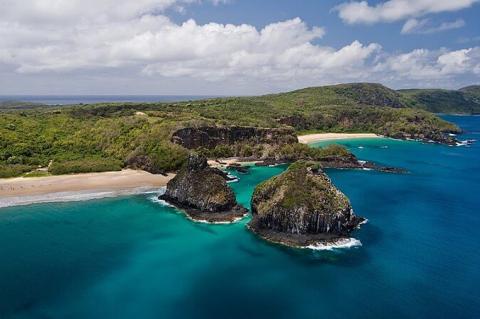
Fernando de Noronha is a volcanic archipelago in the South Atlantic Ocean, located off the northeast coast of Brazil. The archipelago comprises 21 islands and islets, the most significant being Fernando de Noronha. Fernando de Noronha is a haven for nature enthusiasts and adventure seekers, known for its stunning natural beauty, crystal-clear waters, pristine beaches, and diverse marine life. In addition, Rocas Atoll is a circular coral reef that encloses a lagoon.

Guanabara Bay: A Deep Dive into Brazil's Iconic Coastal Treasure

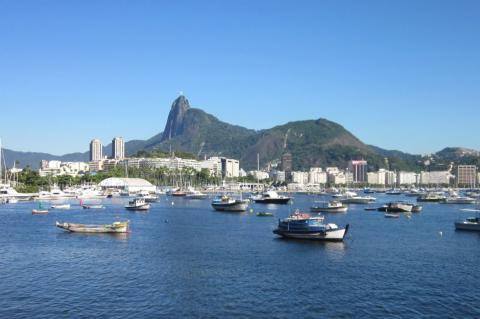
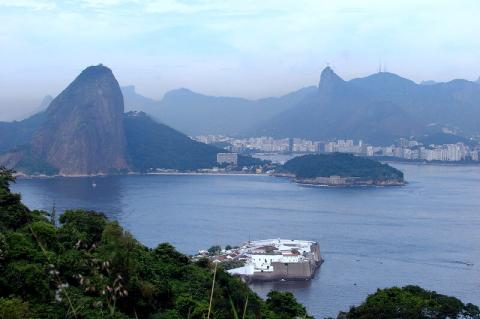
Guanabara Bay in Southeast Brazil is a historically significant coastal landmark. Situated in Rio de Janeiro, it's known for its natural beauty, strategic importance, and bustling life along its shores. Despite being overshadowed by Rio de Janeiro, the bay holds a rich history and ecological significance that warrant closer examination. This overview explores its geographical features, historical context, ecological challenges, and role in Brazil's cultural and economic landscape.

Guardians of the Sky: The Majestic Mount Roraima and Pacaraima Mountains

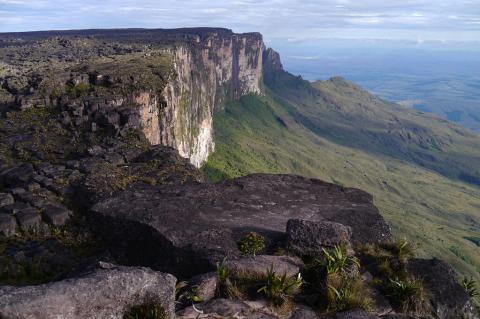
Mount Roraima and the Pacaraima Mountains represent some of South America's most awe-inspiring and geologically significant landscapes. With their unique ecosystems and dramatic geological features, these towering tepui plateaus hold a central place in the natural heritage of Venezuela, Guyana, and Brazil. Their geographical, ecological, and cultural significance highlights their unique characteristics and the rich biodiversity they support.