
Cavernas do Peruaçu National Park: Exploring Brazil's Peruaçu River Canyon
In northern Minas Gerais, Brazil, the Peruaçu River Canyon, part of Cavernas do Peruaçu National Park, features geological formations, biological diversity, and millennia of human history. Limestone formations have created over 140 caves and contain prehistoric rock art dating back 12,000 years.
Limestone Labyrinths and Rock Art Galleries: The Extraordinary Heritage of Peruaçu Canyon
In the rugged landscape of northern Minas Gerais, Brazil, lies one of South America's most extraordinary natural and cultural treasures. The Peruaçu River Canyon, officially designated as a UNESCO World Heritage Site in 2025, is encompassed by the protected area known as Cavernas do Peruaçu National Park. This remarkable landscape represents a convergence of geological wonder, biological diversity, and human heritage spanning millennia, where limestone formations sculpted over millions of years have created a subterranean world of breathtaking beauty. Recognized for its exceptional karst landscapes, vast cave systems containing over 140 documented caves, and rich prehistoric rock art that chronicles 12,000 years of human presence, the canyon stands as a testament to the profound connections between geological processes, natural evolution, and cultural development that have shaped this unique corner of Brazil.
Geological Genesis and Geographic Setting
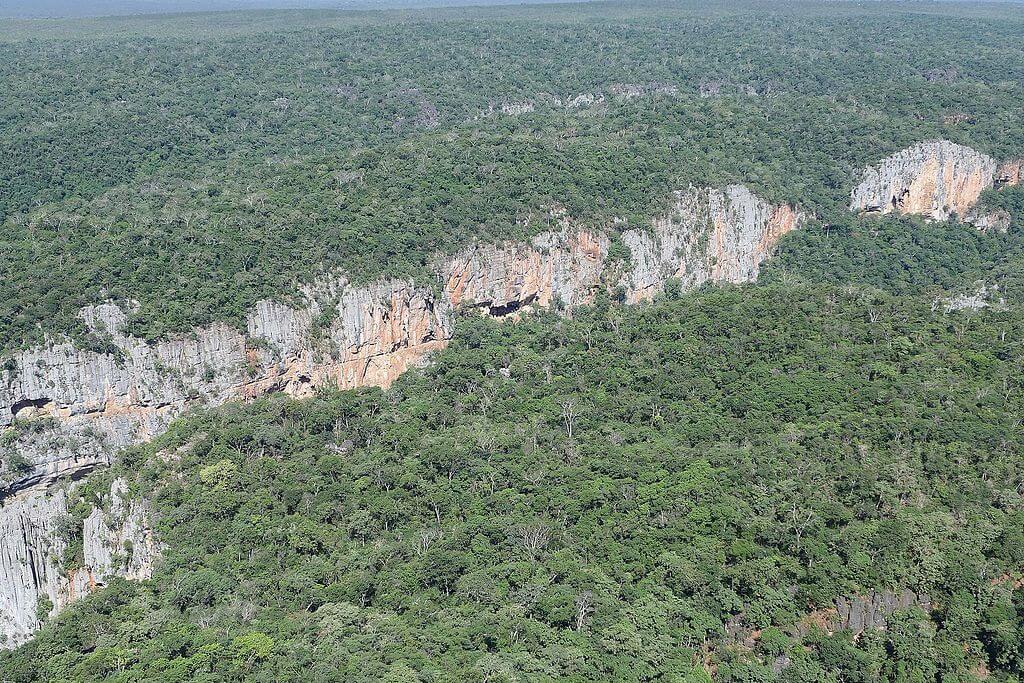
The Cavernas do Peruaçu National Park covers an impressive 56,448 hectares (139,490 acres), encompassing parts of the municipalities of Januária, Itacarambi, and São João das Missões in northern Minas Gerais. This protected area represents one of Brazil's most significant karst landscapes, where caves formed millions of years ago when an inland sea covered parts of Brazil, leaving behind massive limestone formations.
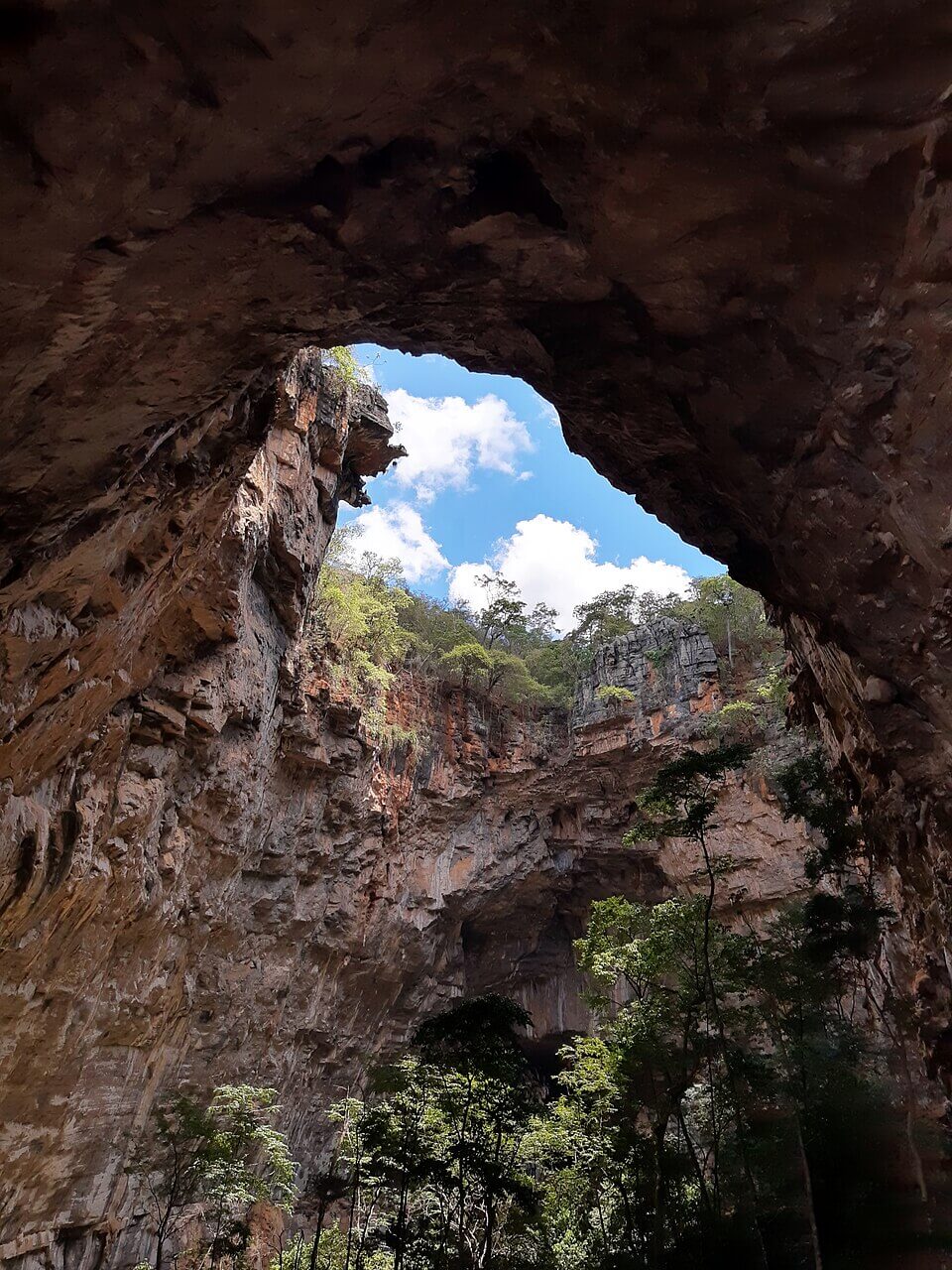
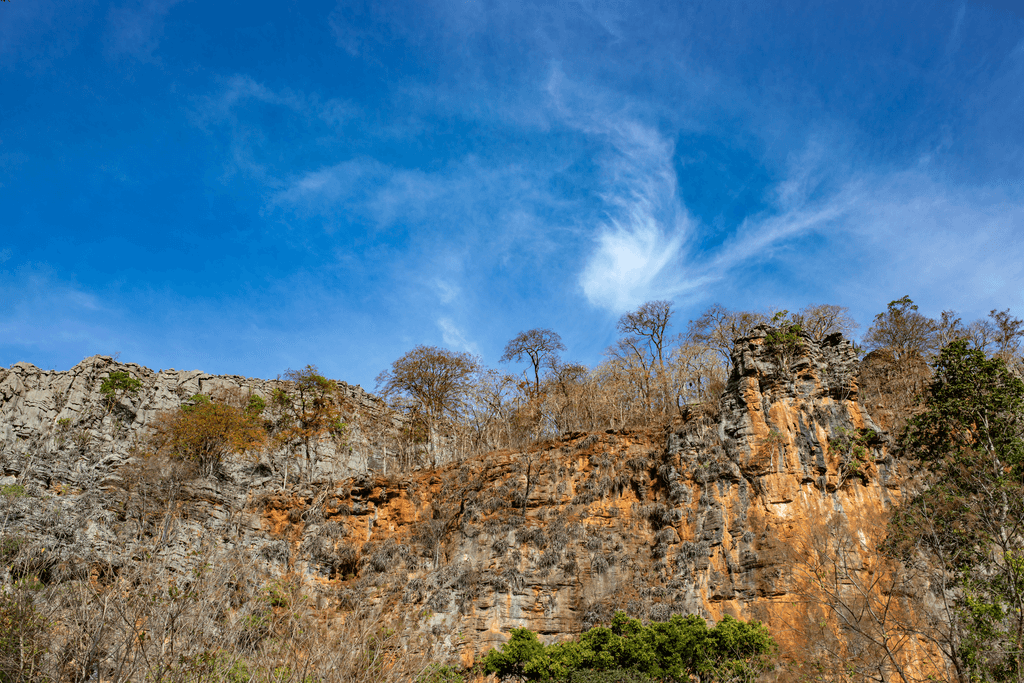
The Peruaçu River carves a deep and dramatic canyon through the limestone massif, creating a stunning landscape of high cliffs, natural bridges, and underground stretches. The river's relentless erosive power, combined with the chemical weathering action of rainwater on carbonate rock, has sculpted horizontal cave systems that reveal striking speleothems and collapsed chambers. The Peruaçu River crosses the park from northwest to southeast, eventually entering the São Francisco River, which runs along the southeastern boundary.
The park's elevation ranges from approximately 455 to 834 meters (1,493 to 2,736 feet) above sea level, creating diverse microclimates and habitats. The region experiences a sub-humid to semi-arid tropical climate with a distinct six-month dry season and an average annual temperature of 24°C (75°F), receiving approximately 850 millimeters (33.5 inches) of rainfall per year.
Subterranean Marvels: The Cave Systems
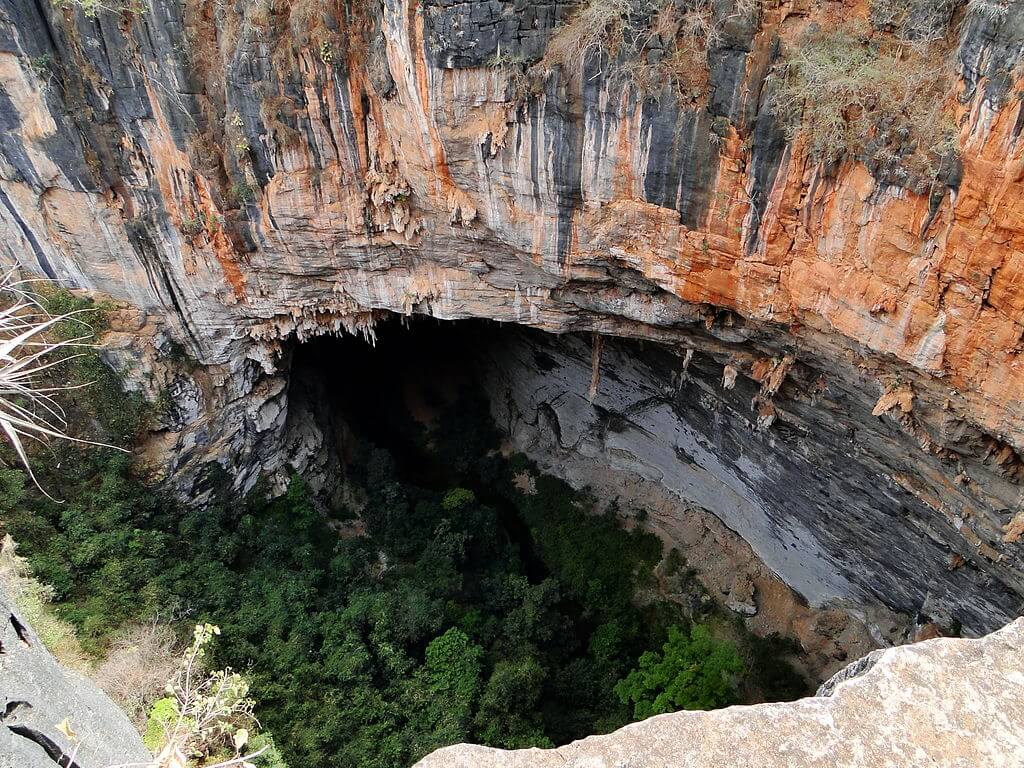
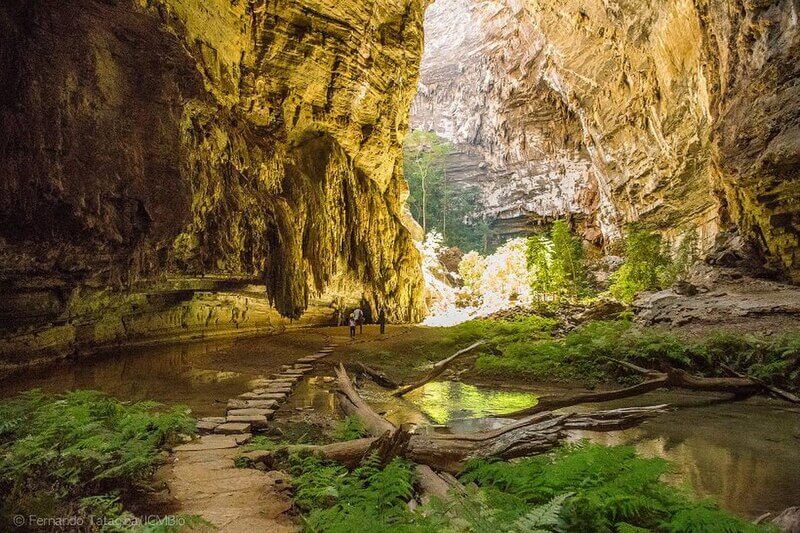
The park contains over 140 caves within its limestone-rich geological formation, making it one of Brazil's most significant speleological sites. These caverns vary dramatically in size, complexity, and accessibility, ranging from vast chambers capable of accommodating entire forests to narrow passages that challenge even experienced cavers.
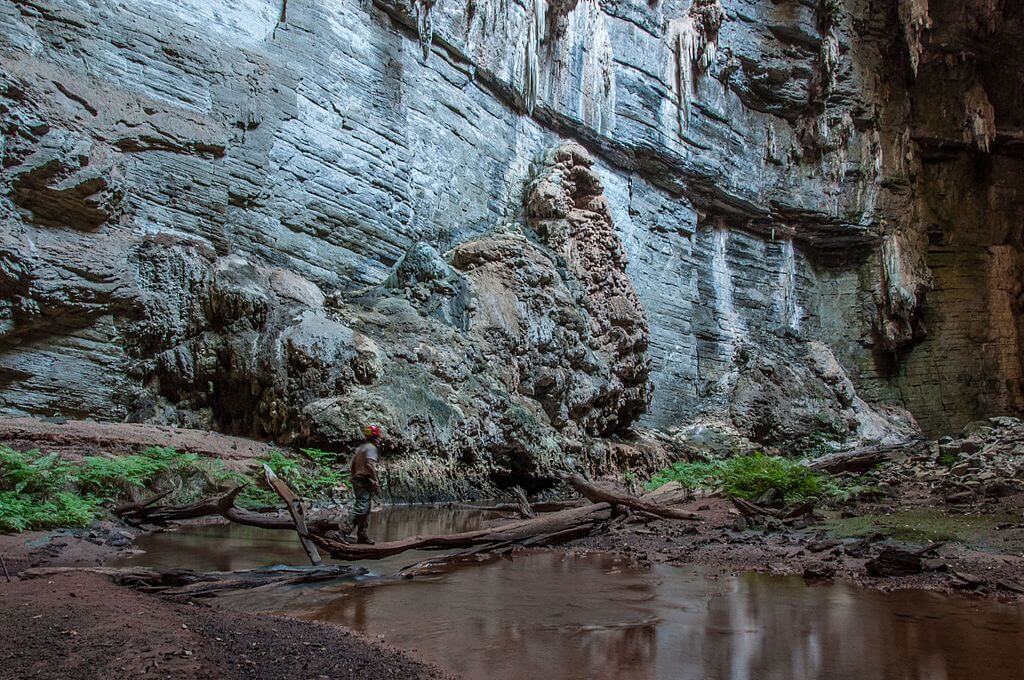
The cave systems are predominantly horizontal, a characteristic that distinguishes them from many other limestone cave networks worldwide. This horizontal orientation results from the specific geological processes that shaped the region, where groundwater flow patterns followed sedimentary layers rather than cutting vertically through the rock. The caves feature spectacular formations, including stalactites, stalagmites, flowstone cascades, and rare cave pearls formed by the constant dripping and flow of mineral-rich water over thousands of years.
Among the most notable caves is the Gruta do Janelão, whose name translates to "Big Window Cave," featuring massive openings that frame the canyon landscape like natural picture windows. These openings serve not only as spectacular viewing points but also as critical habitat zones where cave-adapted species interact with surface ecosystems.
Archaeological Significance and Human Heritage
The Peruaçu valley's canyons, caves, galleries, and permanent water sources favored human occupation as early as 12,000 years ago. The park contains 80 archaeological sites, making it one of Brazil's most important prehistoric cultural landscapes.
Rock paintings are extremely abundant throughout the area, found in shelters, on canyon walls, and at cave entrances. Several styles coexist, allowing researchers to study successive cultural periods. These petroglyphs and pictographs represent multiple Indigenous cultures that inhabited the region over millennia, creating a visual chronicle of human adaptation to this unique landscape.
The rock art depicts various themes, including hunting scenes, ceremonial rituals, geometric patterns, and representations of local fauna. Some paintings show remarkable preservation due to the protective environment of the caves and overhangs. The artistic styles range from naturalistic representations of animals and humans to highly stylized geometric designs, suggesting different cultural traditions and time periods.
Archaeological evidence suggests that Indigenous peoples not only used these caves for shelter but also as sacred spaces for ritual activities. The strategic location of many painted sites near water sources and natural shelters indicates their importance as long-term habitation areas and gathering places for nomadic groups.
Biodiversity and Ecological Importance
The park features rich biodiversity within its dramatic karst landscapes. The unique geological environment has created a mosaic of habitats that support both endemic cave-dwelling species and surface ecosystems adapted to limestone substrates.
The cave environments harbor specialized fauna that have evolved to thrive in perpetual darkness. These include various species of bats, which play crucial roles as pollinators and seed dispersers, connecting the underground and surface ecosystems. Cave-adapted arthropods, including spiders, beetles, and crustaceans, have evolved unique characteristics such as enhanced sensory organs and loss of pigmentation.
The surface environments support typical Cerrado savanna vegetation interspersed with gallery forests along watercourses. The transition zones between cave entrances and surface environments create unique microhabitats that support specialized plant communities adapted to the mineral-rich soils and specific moisture conditions.
Recent biological surveys have documented several endemic species within the park, including terrestrial mollusks that have adapted to the limestone environment. The park's location within the Cerrado biome, one of the world's most threatened biodiversity hotspots, adds to its conservation significance.
Conservation Challenges and Management
The management of Cavernas do Peruaçu National Park presents unique challenges that require balancing conservation goals with sustainable tourism and community needs. The park is administered by the Chico Mendes Institute for Biodiversity Conservation and works in coordination with nearby protected areas, including the Veredas do Peruaçu State Park and the Xakriabá Indigenous Reserve.
The fragile cave ecosystems are particularly vulnerable to human disturbance. Changes in air circulation, temperature, and humidity can disrupt delicate mineral formations and harm cave-dwelling species. The presence of significant archaeological sites requires careful management to prevent damage from vandalism or uncontrolled visitation while still allowing scientific research and cultural education.
The area is classified as IUCN protected area category V, protected landscape/seascape, with the purpose of conserving the landscape and regional culture, protecting and preserving the caves and other karst formations. This classification recognizes the intertwined natural and cultural values of the landscape.
Climate change poses additional challenges, as altered precipitation patterns could affect the delicate hydrological processes that maintain the cave systems and their associated ecosystems. Drought conditions may threaten the permanent water sources that have made this area attractive to both wildlife and human populations for millennia.
Tourism and Economic Impact
The UNESCO designation is expected to significantly boost the park's international visibility and promote sustainable tourism. This recognition brings both opportunities and responsibilities for the local communities and park management.
Sustainable tourism development must carefully balance visitor access with conservation needs. The park offers unique opportunities for adventure tourism, including cave exploration, hiking, rock climbing, and cultural tourism focused on the prehistoric rock art. However, visitor capacity must be carefully managed to prevent damage to fragile cave formations and archaeological sites.
The park's remote location in northern Minas Gerais requires infrastructure development that respects the landscape's integrity while providing necessary services for visitors. Community-based tourism initiatives can provide economic benefits to local populations while fostering stewardship of the natural and cultural heritage.
Scientific Research and Discovery
The park serves as a natural laboratory for multiple scientific disciplines. Speleological research continues to map and document the extensive cave systems, while archaeological investigations work to understand the complex cultural history of human occupation. Paleontological research has the potential to uncover fossils that could provide insights into past ecosystems and climate conditions.
Biological research focuses on documenting endemic species and understanding the unique ecological processes that occur in cave environments. Studies of cave-adapted organisms contribute to our understanding of evolution and speciation in isolated environments.
Geological research examines the processes of karst formation and landscape evolution, providing insights into long-term environmental change in the region. Hydrogeological studies are particularly important for understanding the complex groundwater systems that sustain both the caves and surface ecosystems.
Global Significance and Future Prospects
The inclusion of the Peruaçu River Canyon on UNESCO's World Heritage List brings Brazil's total World Heritage sites to 25, alongside other iconic locations like Iguaçu Falls. This recognition places the canyon and its surrounding protected landscape among the world's most significant natural and cultural sites, highlighting its universal value to humanity.
The park represents a remarkable example of how geological processes, biological evolution, and human culture can interact over thousands of years to create landscapes of extraordinary significance. Its designation as a World Heritage Site ensures international recognition and support for conservation efforts while establishing frameworks for sustainable management.
Future management will require continued collaboration between federal and state agencies, Indigenous communities, local populations, and international conservation organizations. The park's success as a World Heritage Site will depend on maintaining the delicate balance between preservation, research, education, and sustainable use.
Conclusion
The Cavernas do Peruaçu National Park and the spectacular Peruaçu River Canyon it protects represent one of Brazil's most extraordinary natural and cultural treasures. The UNESCO World Heritage designation of the Peruaçu River Canyon recognizes the universal value of this landscape, where geological processes spanning millions of years have created underground cathedrals of stone, while human cultures have left their artistic legacy in some of South America's most significant rock art galleries.
This remarkable landscape challenges us to consider the deep connections between geological processes, biological diversity, and human culture. The caves that provided shelter and inspiration for Indigenous peoples thousands of years ago continue to inspire wonder and scientific discovery today. As Brazil's newest World Heritage Site, the Peruaçu caves serve as a testament to the importance of preserving the extraordinary places where nature and culture intersect, creating landscapes that speak to the very essence of human experience and our relationship with the natural world.
The park's designation ensures that future generations will have the opportunity to experience these underground wonders and ancient artistic expressions, while scientific research continues to unlock the secrets held within the limestone chambers and canyon walls. In an era of rapid environmental change, places like Peruaçu remind us of the deep time scales over which landscapes evolve and the responsibility we bear as temporary stewards of these irreplaceable natural and cultural treasures.