Ecoregions of South America

Argentina's High Monte: Life in the Arid Highlands

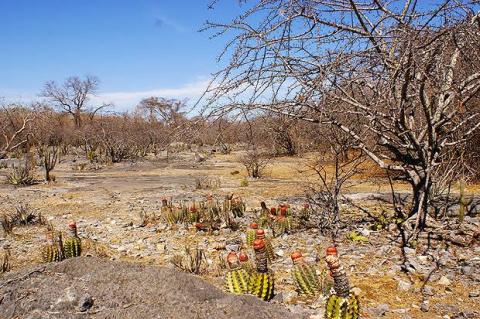
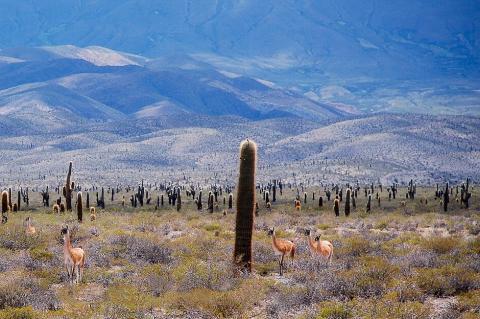
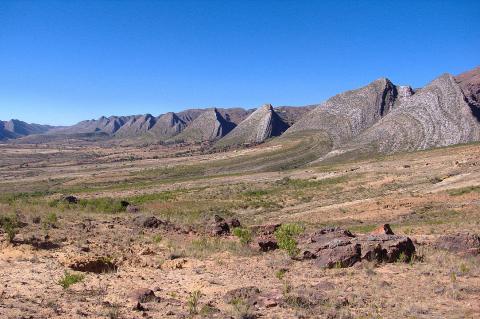
The High Monte ecoregion, extending along the eastern Andean slopes of northwestern Argentina, encompasses montane arid landscapes. Characterized by a temperate arid climate with rainfall concentrated in summer months, the region supports diverse vegetation communities dominated by xerophytic shrubs, Prosopis woodlands, and spectacular cactus assemblages. Despite harsh conditions, the High Monte harbors exceptional biodiversity. The region faces conservation challenges from overgrazing, deforestation, and climate change.

Beneath the Canopy: Exploring Brazil's Araucaria Moist Forests

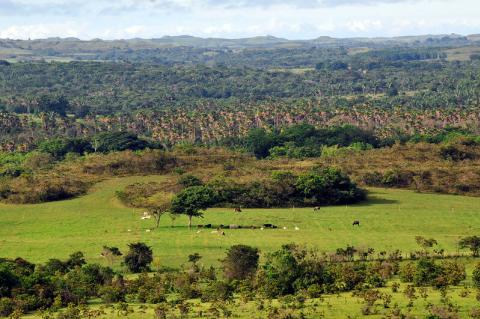
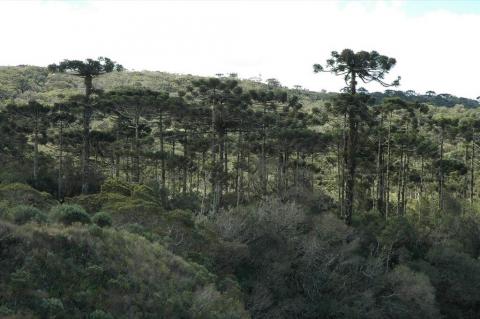
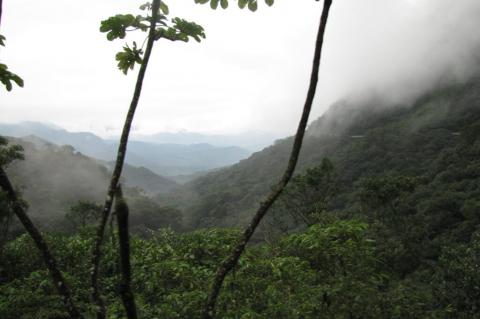
Located in the mountainous regions of Southern Atlantic Brazil and extending into northeastern Argentina, the Araucaria moist forests ecoregion is a remarkable example of the ecological abundance found within the Atlantic Forest biome. This coniferous forest ecoregion boasts diverse landscapes, unique flora, and a rich biodiversity.

Biodiversity in the Balance: The Argentine Espinal Ecoregion

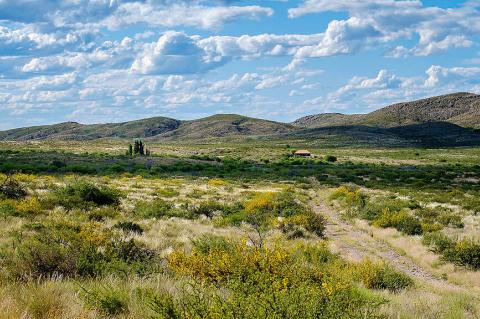
The Argentine Espinal Ecoregion is a unique and diverse ecosystem in central Argentina. It is characterized by its dry, thorny, and deciduous shrubland forests. The ecoregion stretches across a vast area, forming a natural transition between the wetland ecosystems along the Paraná River to the east and the mountainous Sierras de Córdoba to the west. Although much of the original landscape has been altered due to extensive cattle ranching and agriculture, remnants of the native flora and fauna persist, making the region ecologically significant.

Brazil's Emerald Necklace: A Journey into the Serra do Mar Coastal Forests

The Serra do Mar Coastal Forests, an ecoregion nestled along Brazil's southeastern and southern coast, is a bastion of biodiversity and ecological richness within the Atlantic Forest biome. Covering approximately 104,800 sq km and extending some 1,000 km along the coast, this ecoregion encompasses a mosaic of montane forests, high summits, and lush valleys, creating a haven for many plant and animal species.

Central Andean Dry Puna: An Arid Haven in the High Andes

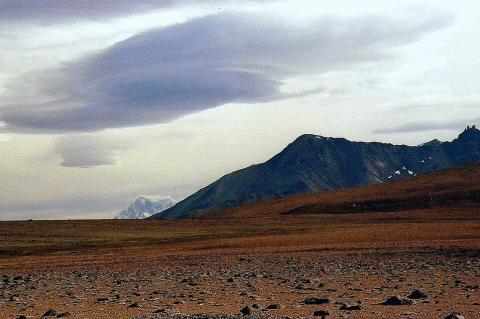
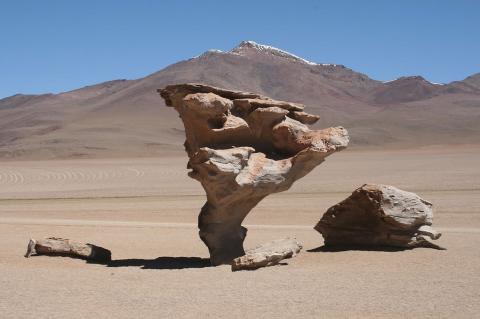
The Central Andean dry puna is a cold, arid grassland and shrubland that occupies the southern part of the central Andes along the Cordillera Occidental. It lies between the tree line and the permanent snow line, mostly above about 3,000 m, and is the driest of the three puna ecoregions, receiving less than 400 mm of rain a year and having an eight-month dry season. Its landscape includes snow-capped volcanoes, high plateaus, shallow lagoons, and salt flats.

Central Andean Wet Puna: Where Mountains and Wetlands Converge

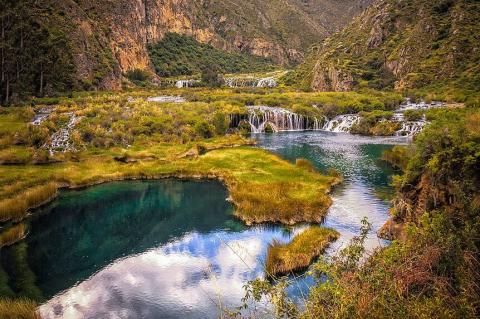
The Central Andean wet puna is a cold, moist, high-elevation grassland that runs along the Andes from northern Peru to northern Bolivia, above the tree line at roughly 3,500 m. It forms a long, narrow, often fragmented band between the dry Sechura Desert to the west and the wet Peruvian Yungas to the east, creating abrupt transitions over short distances. To the north, it gives way to the Cordillera Central páramo, and to the south to the Central Andean puna.

Discovering the Upper Paraná Atlantic Forests: A Treasure of Biodiversity

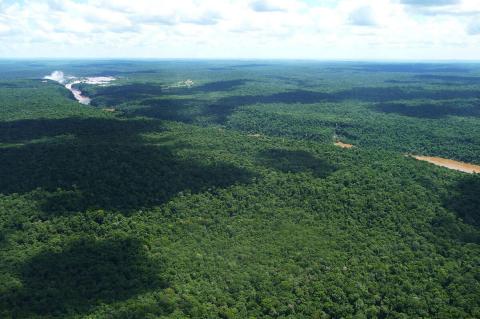
The Upper Paraná Atlantic forests, also known as "Selva Paranaense," represent a verdant expanse of tropical moist forests nestled within the South American Atlantic Forest biome. This ecoregion, characterized by its rich biodiversity and ecological significance, stretches across the southern reaches of the Brazilian Highlands, extending through southern Brazil, eastern Paraguay, and northeastern Argentina.

Exploring the Ecological Treasures of Chile's Desventuradas Islands

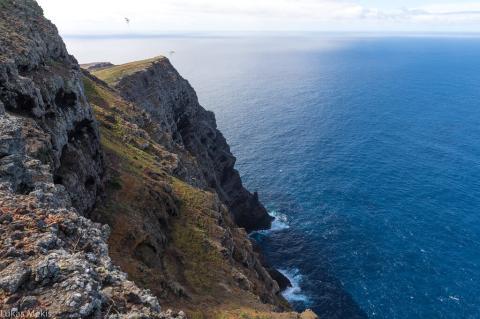
The Desventuradas Islands, comprising San Félix, San Ambrosio, González, and Roca Catedral, are part of Chile’s remote Pacific territories and represent a critical component of the San Félix-San Ambrosio Islands temperate forests ecoregion. These islands, located in the Pacific Ocean off the Chilean mainland, are ecological treasures defined by their remarkable biodiversity, geographic isolation, and ecological significance.

Exploring the Enchanting Catatumbo Moist Forests: A Treasure of Colombia and Venezuela

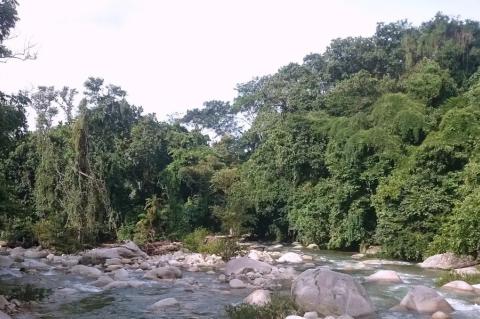
A natural wonder of unparalleled beauty and ecological significance lies along the border between Colombia and Venezuela—the Catatumbo moist forests ecoregion. This enchanting landscape, spanning lush valleys, towering mountains, and winding rivers, captivates the imagination with its rich biodiversity and breathtaking vistas. From its dense rainforests to its mist-shrouded cloud forests, this diverse ecoregion offers a glimpse into a world teeming with life and wonder.

From Sechura to Nazca: Peru's Desert Coast

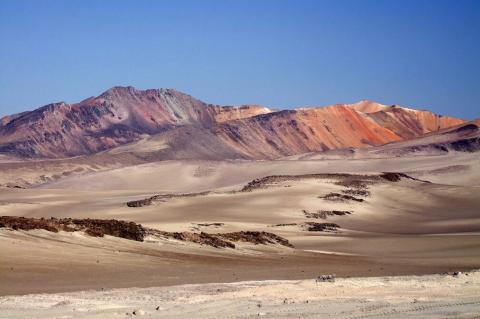
Peru's western coastline, a ribbon of aridity against the vast Pacific, cradles a remarkable tapestry of desert landscapes, each possessing its own distinct character and ecological significance. Among these arid expanses, the Sechura Desert and the coastal desert region that includes the famed Nazca Desert stand out as compelling examples of nature's artistry and life's enduring spirit in extreme conditions.