
Conserving the Galápagos: Protected Areas and Their Impact
Three protected-area designations safeguard the Galápagos Islands: the National Park, the Marine Reserve (recently doubled in size), and the Biosphere Reserve — a conservation framework now anchored by one of the most ambitious island restoration projects ever attempted, which in February 2026 returned giant tortoises to Floreana Island for the first time in over 150 years.



Protecting the Galápagos: A Park, a Reserve, and an Island Brought Back From Extinction
The Galápagos Islands, renowned for their biodiversity and their role in shaping Charles Darwin's theory of evolution, are safeguarded through three overlapping protected-area designations: Galápagos National Park, the Galápagos Marine Reserve, and the Galápagos Biosphere Reserve. Together, they form one of the most significant conservation frameworks anywhere in the world, and one increasingly defined not just by protection, but by active, large-scale restoration.
Galápagos National Park
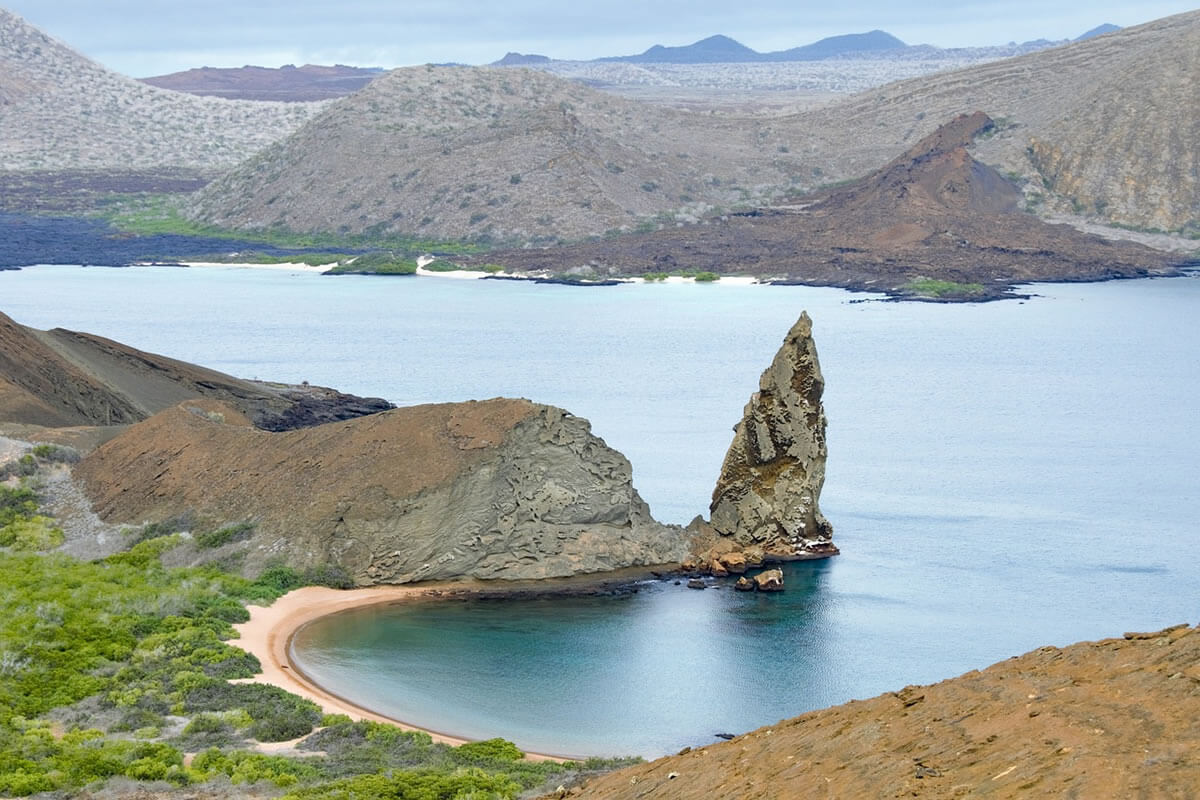
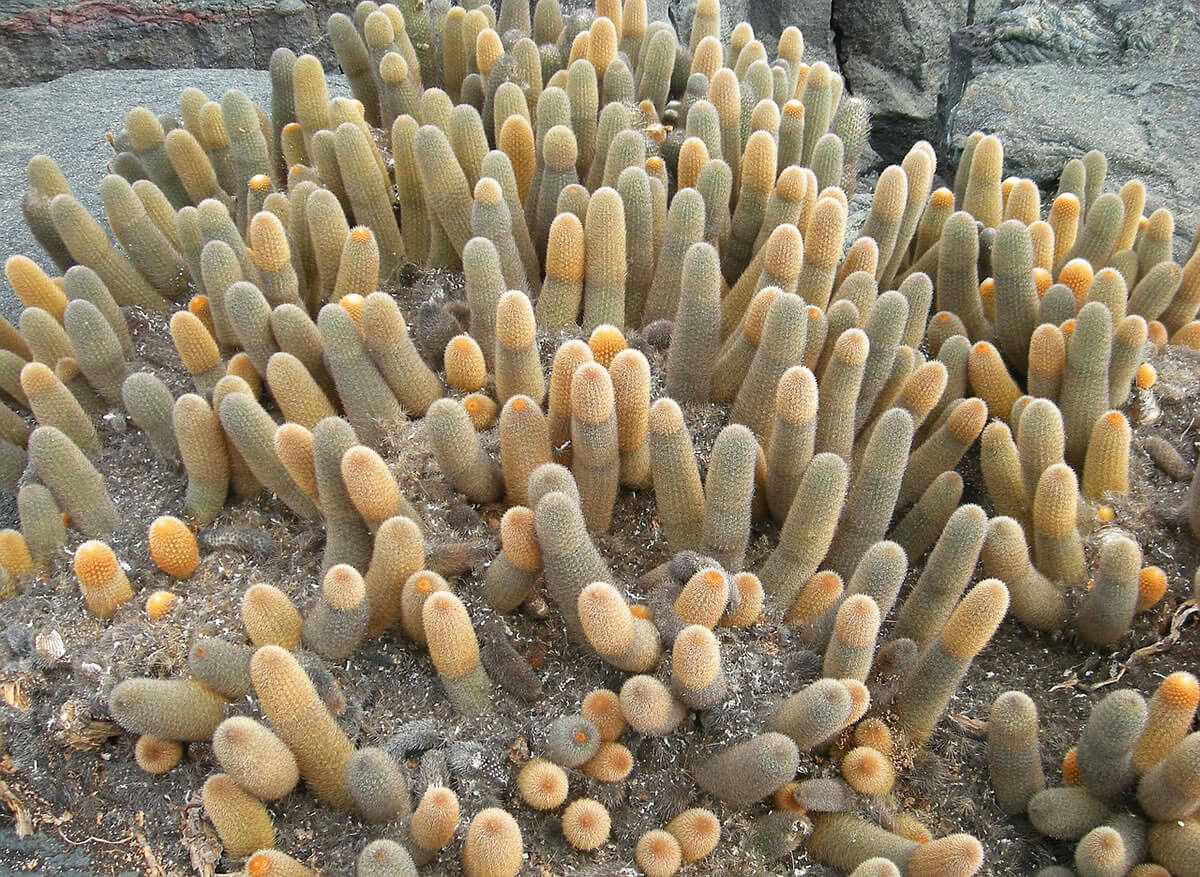
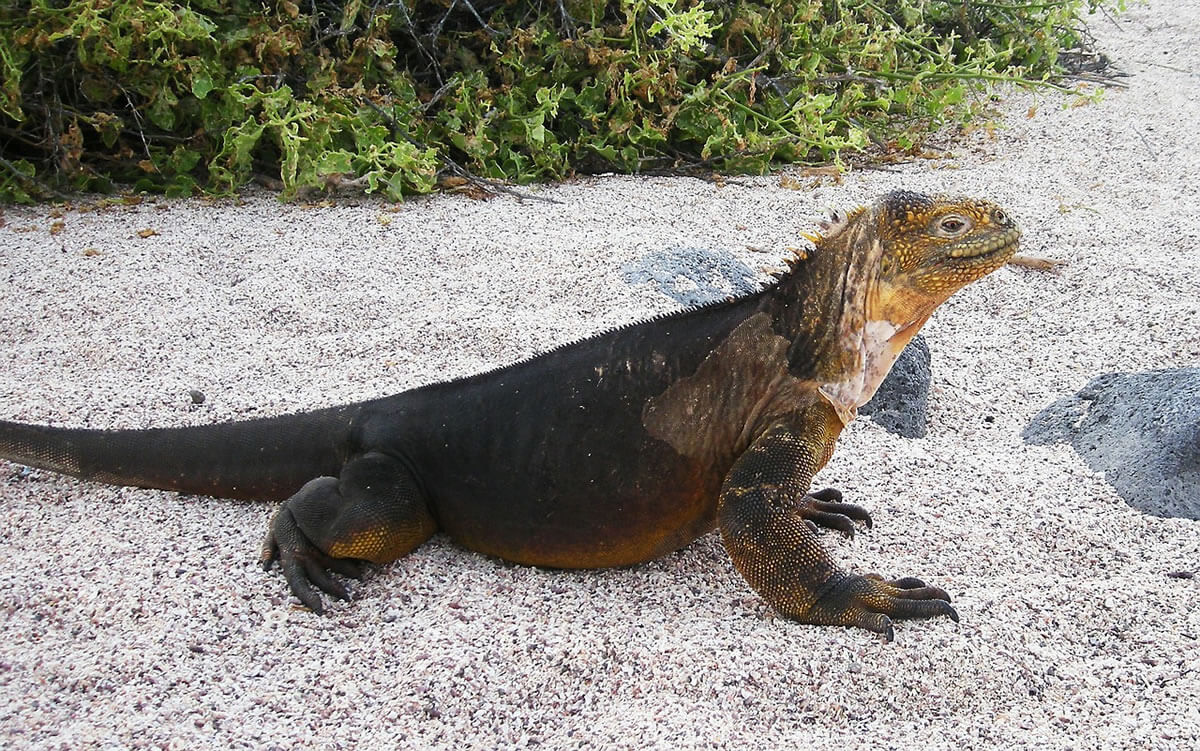
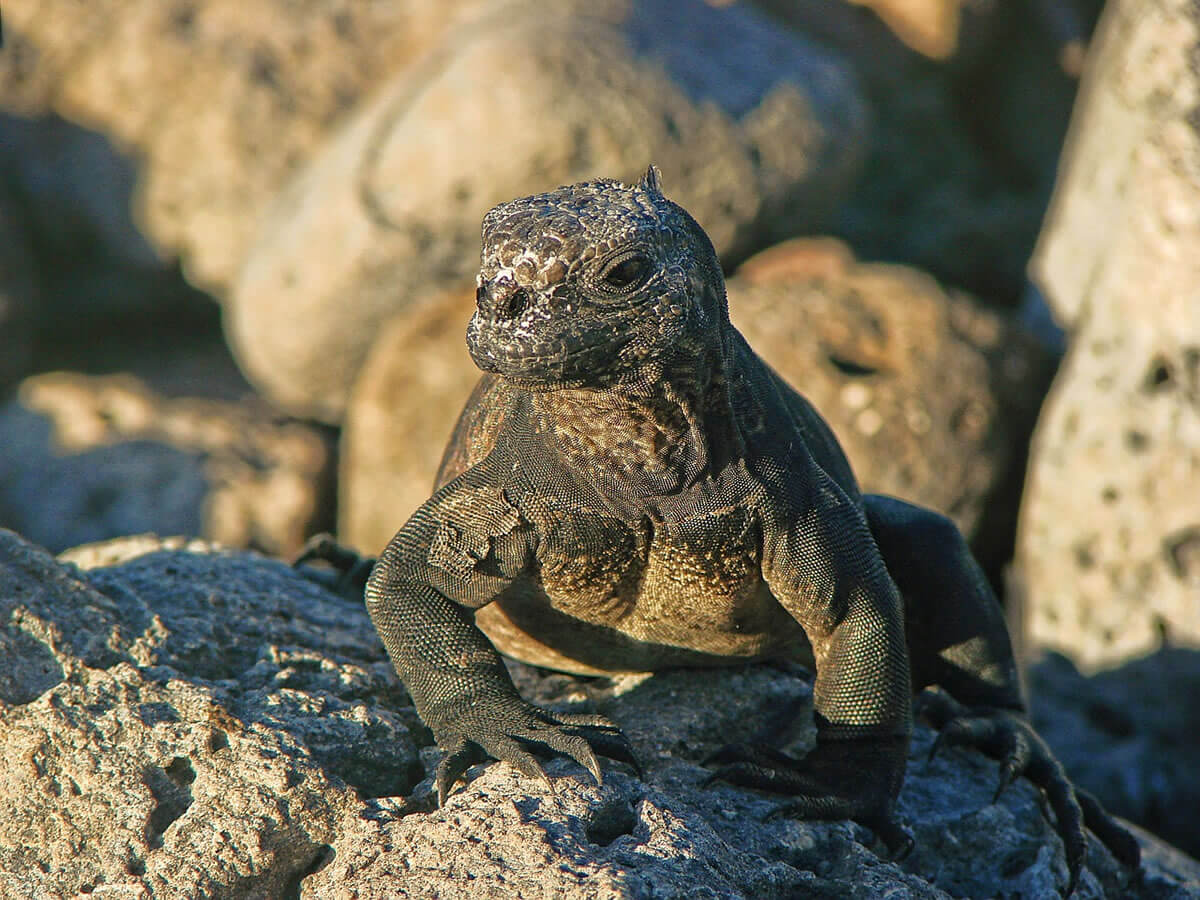
Galápagos National Park, established in 1959, is Ecuador's first national park and one of the oldest in South America. It encompasses over 97% of the archipelago's land area, protecting terrestrial ecosystems home to the Galápagos giant tortoise (Chelonoidis spp.), marine iguana (Amblyrhynchus cristatus), flightless cormorant (Phalacrocorax harrisi), and Darwin's finches, among many other endemic species, across habitats ranging from arid lowlands dotted with cacti to lush highland Scalesia forests.
The park's conservation history includes some of the most ambitious invasive-species eradication campaigns ever undertaken on islands anywhere. Project Isabela, conducted between 1997 and 2006, removed more than 140,000 introduced goats from Isabela and Santiago islands using a combination of aerial hunting and "Judas goats," sterilized, radio-collared animals released to lead hunters to remaining herds, in what remains one of the largest island goat eradication efforts in history. The Charles Darwin Research Station on Santa Cruz Island continues to anchor breeding and reintroduction programs for endangered tortoises and other species, working alongside the Galápagos National Park Directorate.
The Floreana Island Restoration Project
The most ambitious conservation undertaking in the archipelago's history is currently unfolding on Floreana Island. Invasive rats and feral cats, introduced since the island's settlement roughly 150 years ago, had driven twelve native vertebrate species locally extinct, including the Floreana mockingbird and Floreana racer snake, and rendered the Floreana giant tortoise (Chelonoidis niger) extinct outright. In October 2023, after more than a decade of planning, the Galápagos National Park Directorate and partners including Island Conservation, the Charles Darwin Foundation, Galápagos Conservancy, and the Jocotoco Foundation began removing the island's rats and feral cats via helicopter-distributed conservation bait across the island's roughly 17,000 hectares (42,000 acres), the first phase of a project intended to eventually reintroduce thirteen locally extinct species.
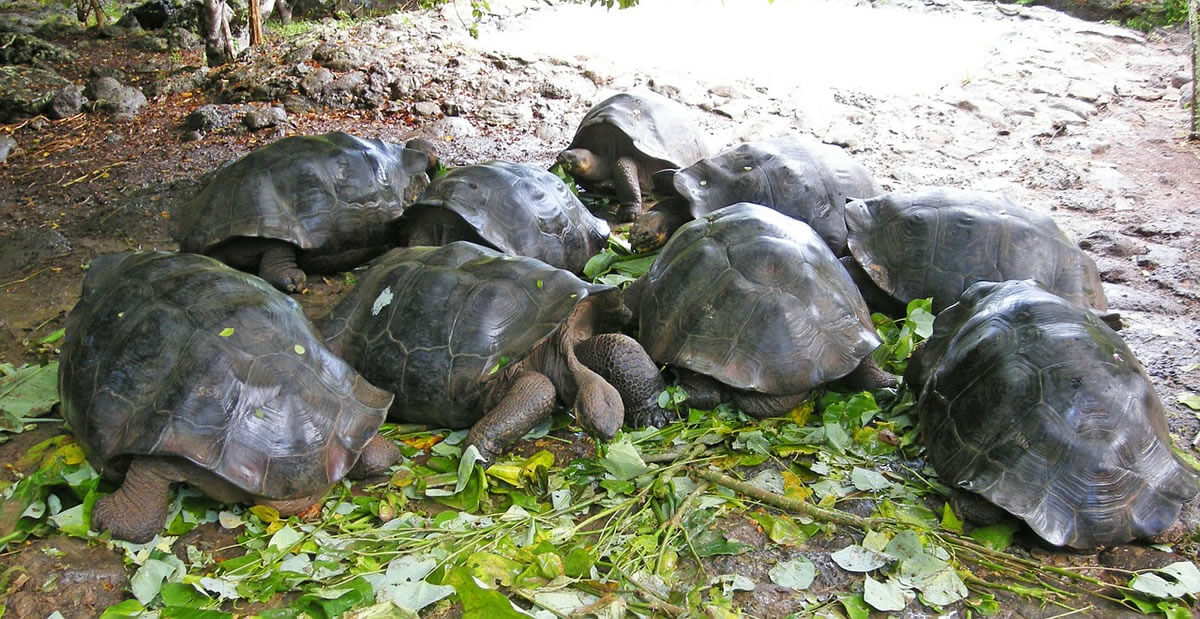
The Floreana giant tortoise's return has followed an especially remarkable path. Though presumed extinct for over 150 years, researchers discovered tortoises on Volcán Wolf, on Isabela Island, carrying significant Floreana giant tortoise ancestry, evidence of historical relocations by 19th-century whalers and pirates who moved tortoises between islands as ship's provisions. Beginning in 2017, a captive breeding program at the Santa Cruz breeding center selected the most genetically representative of these hybrid individuals to breed back toward the original subspecies; by 2025, the program had produced more than 600 hatchlings. On February 20, 2026, the first 158 of these tortoises were released onto Floreana Island in a ceremony attended by the local community, Ecuador's Ministry of Environment, and the project's conservation partners, the first time a Floreana giant tortoise has walked the island in over a century and a half. Further phases aim to reintroduce the Floreana mockingbird, Floreana racer snake, vegetarian finch, and vermilion flycatcher, among other species, making the project, in the words of one of its partner organizations, the most significant restoration endeavor in Galápagos history.
Galápagos Marine Reserve
The Galápagos Marine Reserve, established in 1998, originally covered 133,000 sq km (51,350 sq mi), already among the largest marine reserves on Earth. In January 2022, Ecuador substantially expanded this protection by creating the adjoining Hermandad Marine Reserve, adding a further 60,000 sq km (23,166 sq mi) and bringing total protected waters to nearly 200,000 sq km (77,000 sq mi). The new reserve is structured in two zones: an inner 30,000 sq km no-take zone where all fishing is prohibited, and an outer 30,000 sq km buffer zone where longline fishing, a method notorious for accidentally catching sharks and other non-target species, is banned. The expansion was designed specifically to protect the Cocos-Galápagos Swimway, a critical migratory corridor used by scalloped hammerhead sharks, whale sharks, sea turtles, and manta rays traveling between the Galápagos and Costa Rica's Cocos Island, and forms part of a broader four-nation conservation partnership, the Eastern Tropical Pacific Marine Corridor, linking protected waters across Ecuador, Costa Rica, Colombia, and Panama.
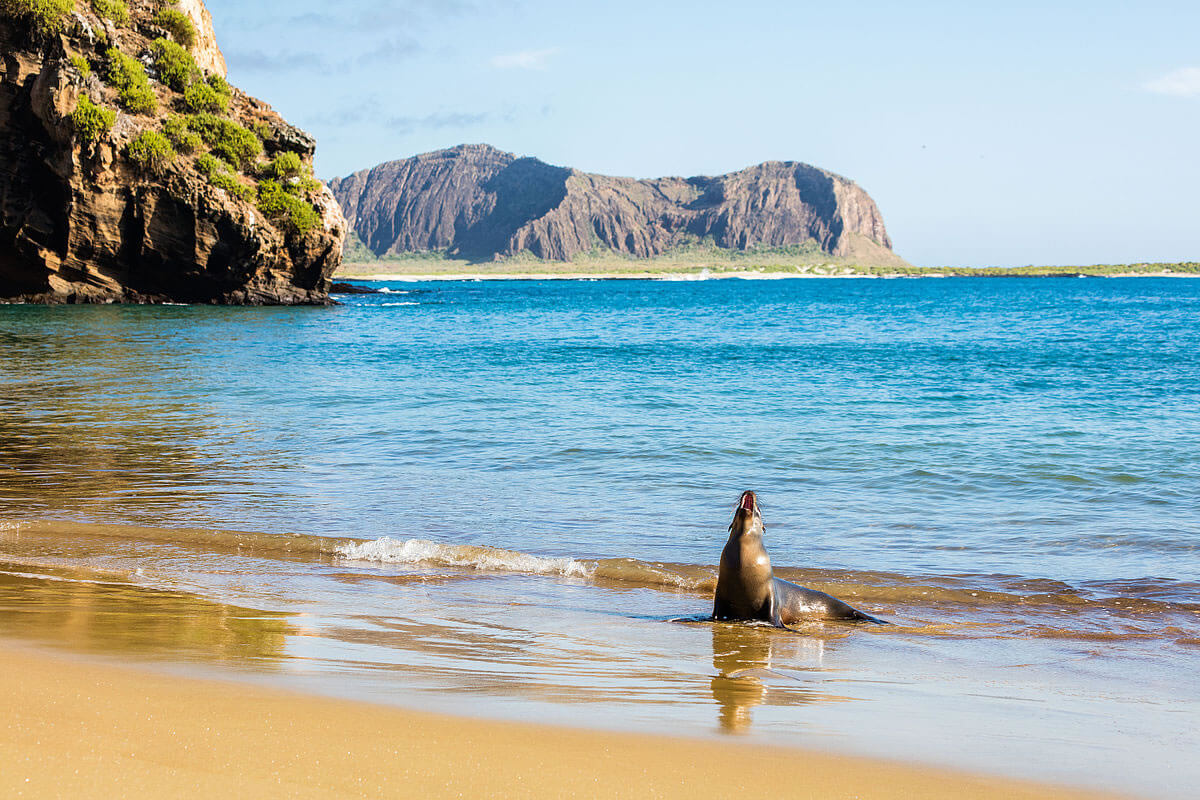
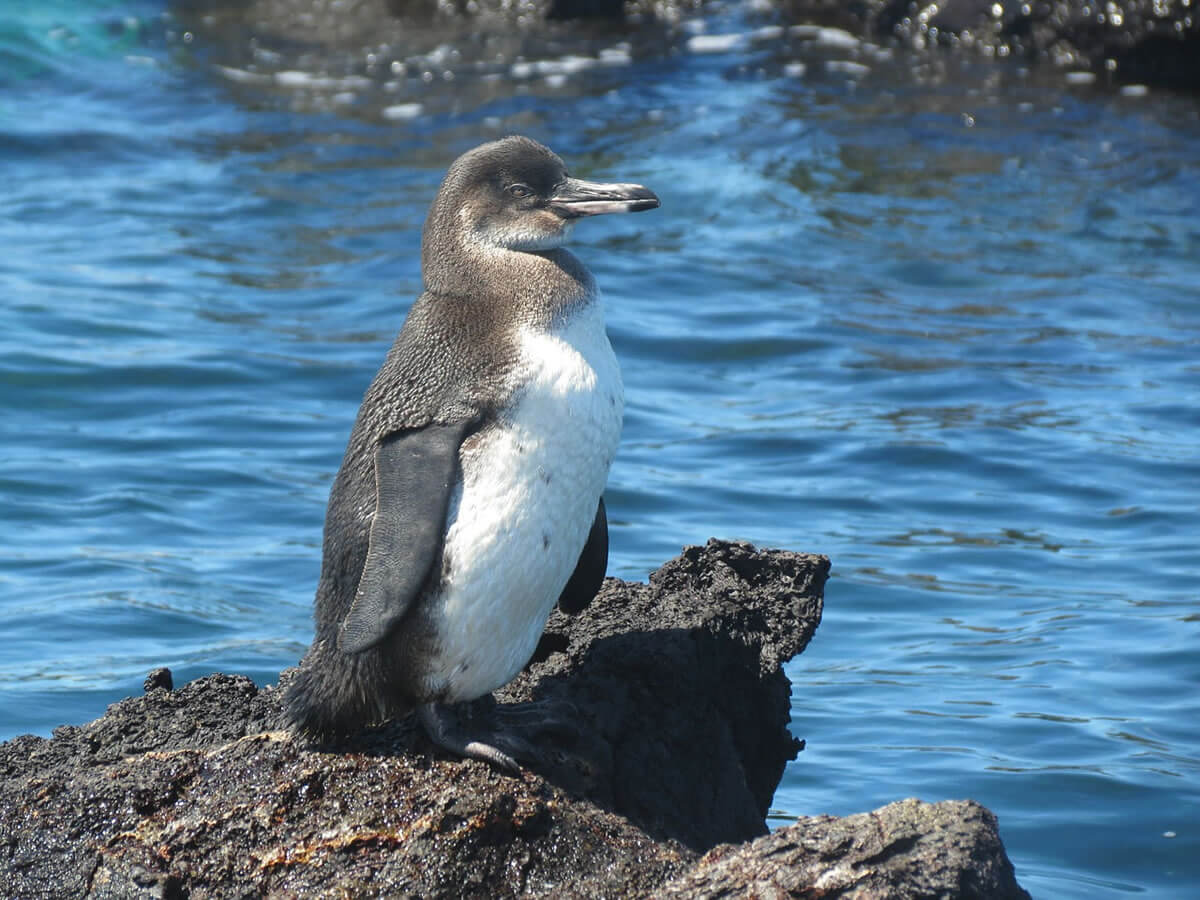
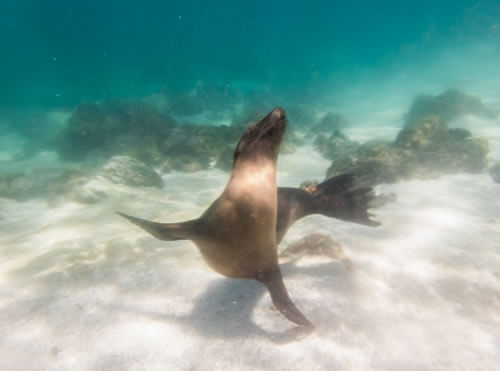
The reserve's waters, enriched by the convergence of the Humboldt, Panama, and Cromwell currents, support hammerhead and whale sharks, manta rays, the Galápagos fur seal (Arctocephalus galapagoensis), Galápagos sea lion (Zalophus wollebaeki), and the Galápagos penguin (Spheniscus mendiculus), the only penguin species found north of the equator. Despite its scale and legal protections, the reserve continues to face serious illegal fishing pressure: in 2017, Ecuadorian authorities intercepted the Chinese-flagged vessel Fu Yuan Yu Leng 999 inside the reserve carrying more than 7,000 sharks, many of them protected species including scalloped hammerheads, in one of the largest illegal shark-fishing seizures ever recorded in the Eastern Pacific. The Galápagos National Park Directorate and Ecuador's navy continue regular patrols and satellite-based vessel monitoring to prevent similar incidents.
Galápagos Biosphere Reserve
UNESCO designated the Galápagos Islands a Biosphere Reserve in 1984, integrating the National Park and Marine Reserve into a broader framework that explicitly balances conservation with the needs of the roughly 30,000 people who live in the archipelago today. The designation supports extensive scientific research into evolutionary biology and ecology, much of it conducted through the Charles Darwin Research Station, and promotes sustainable development and ecotourism practices intended to give local communities, including those directly involved in projects like the Floreana restoration, a stake in the islands' long-term ecological health rather than viewing conservation and livelihood as competing interests.
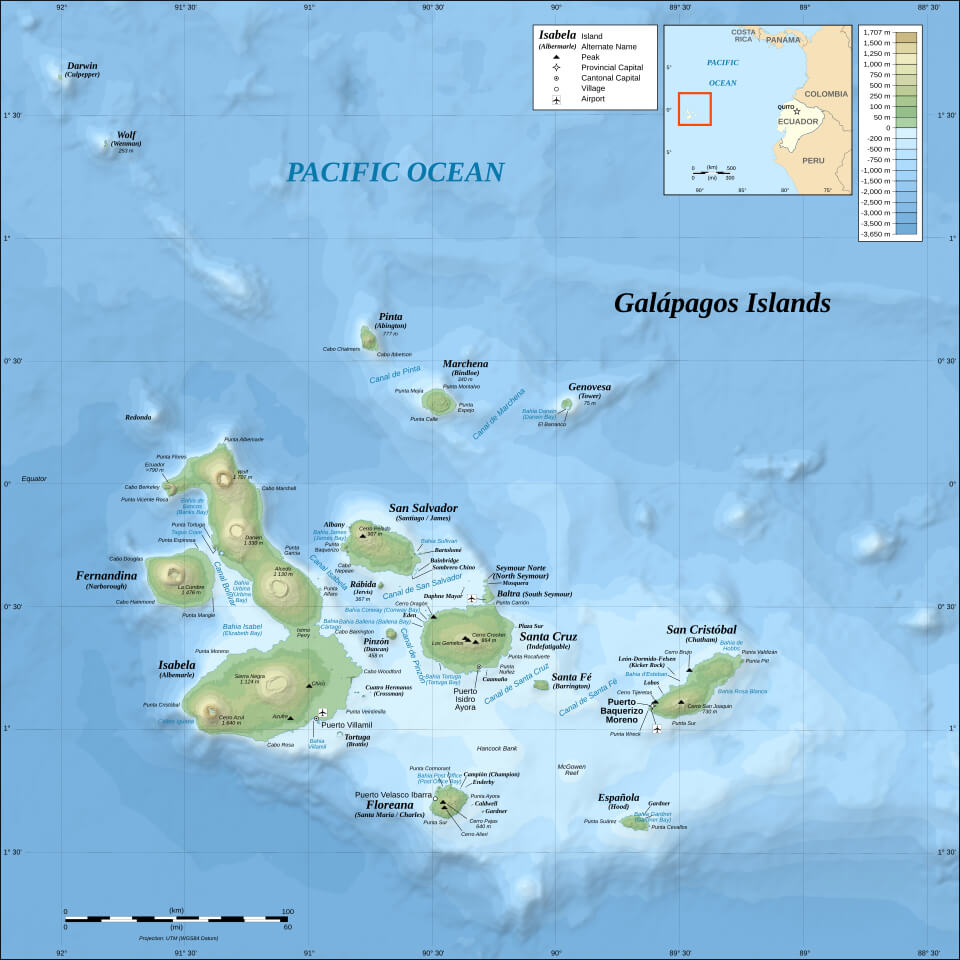
Topographic and bathymetric map of the Galápagos Islands, Ecuador.
Ongoing Challenges
Despite the scale of these efforts, the Galápagos faces persistent conservation challenges. Invasive species remain the archipelago's most pervasive threat, and while campaigns like Project Isabela and the Floreana restoration effort have proven that even large-scale eradication is achievable, new introductions remain a constant risk given the volume of tourism, cargo, and inter-island travel serving the islands. Climate change, particularly the increasing frequency and intensity of El Niño events, threatens marine species such as the Galápagos penguin and marine iguana through disrupted upwelling and warming waters, while managing the roughly 200,000 annual visitors, vital to the local economy but a source of real ecological strain, remains an ongoing balancing act for park authorities.
Conclusion
The protected areas of the Galápagos Islands, the National Park, Marine Reserve, and Biosphere Reserve, together form one of the most consequential conservation systems on the planet, one that has evolved from simple protection toward active, large-scale ecological restoration. The February 2026 return of giant tortoises to Floreana Island after more than 150 years stands as perhaps the clearest evidence yet that even ecosystems pushed to the brink of collapse can be deliberately, patiently rebuilt, offering a model of what sustained, well-resourced conservation partnership can achieve for the rest of the world.