
Patagonia Azul: Argentina's Coastal Treasure Trove
Nestled along the rugged coastline of Chubut Province in Argentine Patagonia, the Patagonia Azul Biosphere Reserve is a testament to this region's incredible beauty and biodiversity. Its pristine landscapes, unique geological formations, and rich flora and fauna make it a true natural wonder.
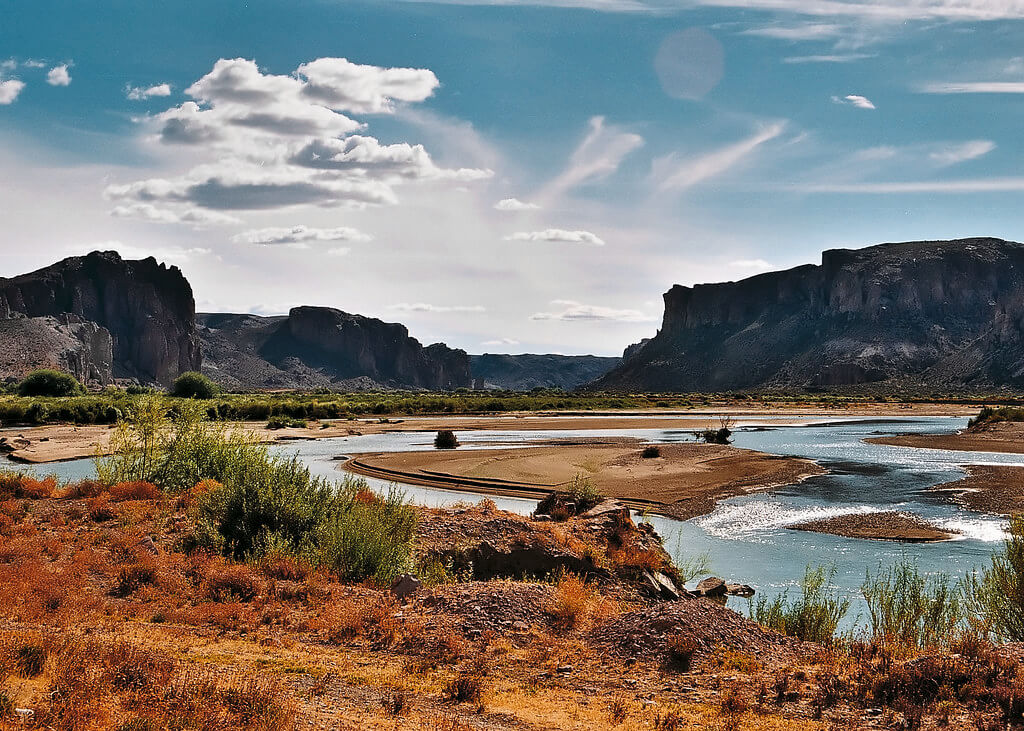

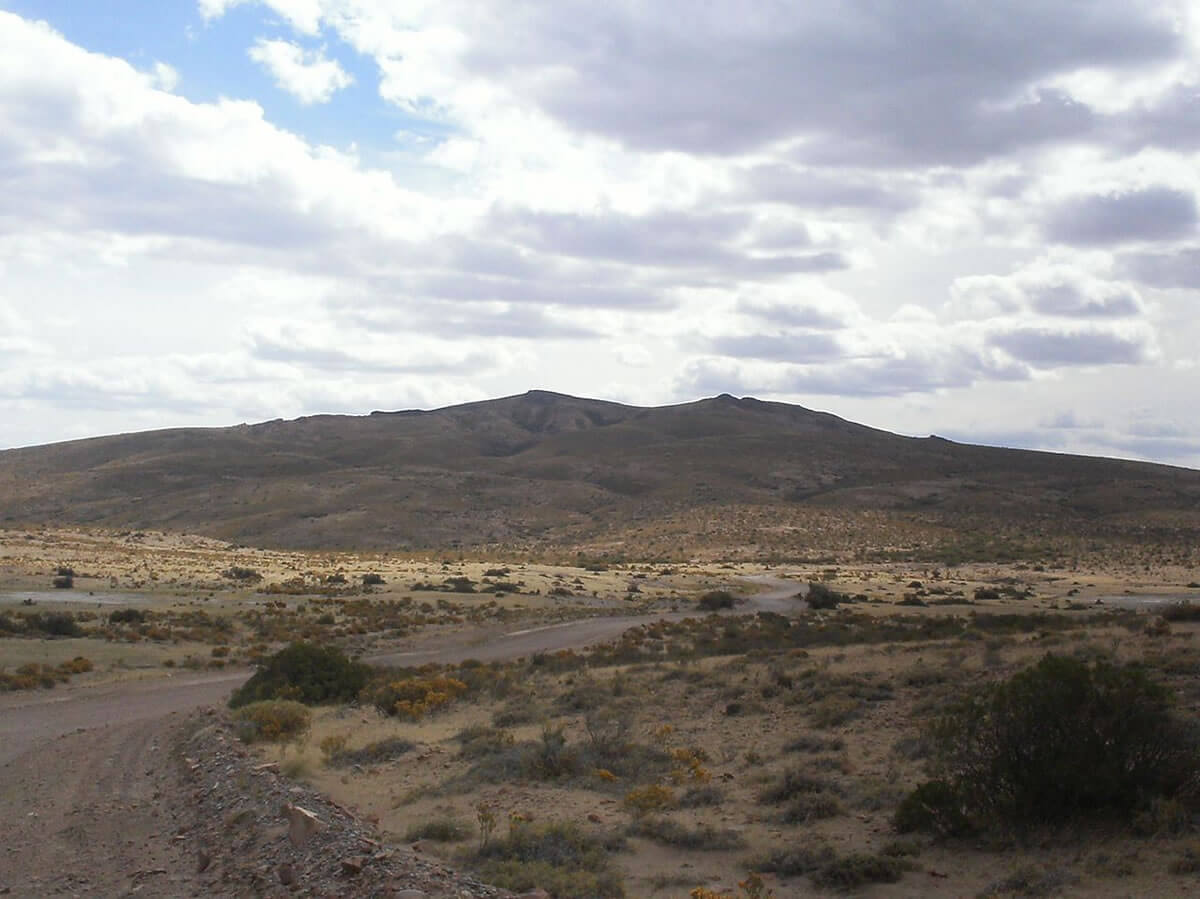
Argentina's Windswept Wilderness: The Patagonia Azul Biosphere Reserve
Nestled along the rugged coastline of Chubut Province in Argentine Patagonia, the Patagonia Azul Biosphere Reserve stands as a testament to the incredible beauty and biodiversity of one of Earth's most pristine coastal ecosystems. Recognized by UNESCO as part of the World Network of Biosphere Reserves in 2015, this vast protected area encompasses 3,102,005 hectares (7,665,221 acres), making it Argentina's largest biosphere reserve and one of the most significant marine-terrestrial conservation areas in South America.
Stretching along 1,000 kilometers (621 miles) of Atlantic coastline from the Colorado River to the Santa Cruz River, Patagonia Azul protects a remarkable mosaic of ecosystems where the windswept Patagonian steppe meets the nutrient-rich waters of the Southwest Atlantic Ocean. This unique convergence creates one of the world's most important wildlife sanctuaries, supporting massive colonies of marine mammals, seabirds, and endemic terrestrial species that have evolved in isolation over millions of years.
Geographic Splendor and Coastal Dynamics
A Maritime Wilderness
The Patagonia Azul Biosphere Reserve encompasses three distinct ecological zones: the Patagonian Steppe, the Patagonian Southwest Atlantic marine environment, and the complex transitional areas of plains, plateaus, and coastal terraces. This diverse topography reflects millions of years of geological evolution, where ancient Precambrian rock formations meet Cenozoic sedimentary deposits shaped by glacial cycles, volcanic activity, and marine transgressions.
The reserve's coastline features dramatic cliff formations rising to 200 meters (656 feet) above sea level, creating ideal nesting sites for seabirds while protecting them from terrestrial predators. More than fifty islands and coastal islets dot the marine landscape, many virtually inaccessible to humans, creating pristine refuges for wildlife populations. These isolated havens include Isla Blanca, Isla Moreno, and the Tova and Vernacci Islets, each supporting unique ecological communities.
The meeting point of warm Brazilian and cold Malvinas (Falkland) currents creates exceptionally productive marine waters, supporting one of the world's richest ocean ecosystems. Upwelling phenomena bring nutrient-rich deep waters to the surface, fueling massive phytoplankton blooms that form the foundation of complex food webs supporting millions of marine animals.
Geological Time Capsule
The reserve contains extensive petrified forests spanning hundreds of square kilometers, representing one of the world's largest concentrations of fossilized Araucaria trees dating back 65-70 million years to the Paleocene Epoch. These stone forests, particularly prominent near Sarmiento and the Bosque Petrificado José Ormaechea, provide extraordinary insights into Patagonia's ancient climate when the region supported lush temperate forests rather than today's arid steppes.
Archaeological sites within the reserve document over 10,000 years of human occupation, including cave paintings, stone tool workshops, and shell middens left by maritime hunter-gatherer cultures. The Cueva de las Manos (Cave of the Hands), though outside the reserve proper, exemplifies the rich cultural heritage of the broader region, while sites within Patagonia Azul continue to yield important discoveries about early human adaptation to Patagonian environments.
Paleontological treasures include marine reptile fossils, dinosaur remains, and extensive invertebrate fossil beds that chronicle the evolutionary history of South American fauna. Recent discoveries include new species of plesiosaurs and marine crocodiles that inhabited the ancient Tethys Sea when Patagonia lay beneath warm tropical waters.
Marine Biodiversity: A Global Sanctuary
The Penguin Capital of the World
Punta Tombo, the reserve's crown jewel, hosts the world's largest continental colony of Magellanic penguins (Spheniscus magellanicus), with over 500,000 breeding pairs representing nearly 40% of the global population. These charismatic seabirds migrate over 5,000 kilometers (3,107 miles) annually from their wintering grounds in Brazil, arriving at Punta Tombo each September to breed and raise their chicks.
The colony's success depends on the region's exceptional marine productivity and the protection afforded by the reserve's management. Magellanic penguins dive to depths exceeding 100 meters (328 feet) to capture anchovies, sardines, and squid, making daily foraging trips that can cover over 200 kilometers (124 miles) during the breeding season.
Climate change and overfishing pose increasing challenges to penguin populations, with breeding success closely tied to the availability of prey species and ocean temperature fluctuations. Long-term monitoring programs track population trends, breeding success, and foraging behavior to inform conservation strategies and assess ecosystem health.
Marine Mammal Paradise
The reserve's waters support one of South America's most diverse marine mammal communities, with over 20 species regularly observed. Southern right whales (Eubalaena australis) use the protected waters of Peninsula Valdés and surrounding areas as critical calving grounds, with more than 3,000 people visiting annually between June and December.
Península Valdés, a UNESCO World Heritage Site within the broader biosphere reserve, serves as a nursery for southern right whale mothers and calves. The shallow, protected waters of Golfo Nuevo and Golfo San José provide ideal conditions for nursing and early calf development, while the peninsula's unique geography creates natural wind breaks that calm surface waters.
Orcas (Orcinus orca) demonstrate one of nature's most remarkable hunting behaviors at the reserve, intentionally stranding themselves on beaches to capture sea lion pups—a behavior found in only a few locations worldwide. These apex predators, organized in stable family groups, have passed this specialized hunting technique through generations, creating one of the world's most extraordinary wildlife spectacles.
The world's largest breeding colony of southern sea lions (Otaria flavescens) congregates along the reserve's beaches, with over 100,000 individuals present during peak breeding season. Males can weigh up to 350 kilograms (772 pounds) and maintain harems of 10-15 females during the December-January breeding period.
Southern elephant seals (Mirounga leonina), the largest pinnipeds, use the reserve's beaches for molting and breeding, with adult males reaching lengths of 6 meters (20 feet) and weights exceeding 4,000 kilograms (8,818 pounds). These massive marine mammals dive to depths of over 1,500 meters (4,921 feet) and can hold their breath for up to two hours while hunting for squid and fish.
Avian Abundance
Beyond penguins, the reserve supports extraordinary seabird diversity with over 180 bird species recorded. The coastal waters and islands provide nesting sites for imperial cormorants (Leucocarbo atriceps), kelp gulls (Larus dominicanus), South American terns (Sterna hirundinacea), and giant petrels (Macronectes). The largest breeding colony of kelp gulls in South America nests within the reserve, with over 65,000 pairs documented.
Terrestrial environments support endemic Patagonian species, including the elegant crested tinamou (Eudromia elegans), lesser rhea (Rhea pennata), and Patagonian mockingbird (Mimus patagonicus). Raptors such as the southern caracara (Caracara plancus) and peregrine falcon (Falco peregrinus) prey on abundant small mammals and ground-nesting birds.
Migration corridors within the reserve support millions of shorebirds traveling between Arctic breeding grounds and southern wintering areas. Red knots (Calidris canutus), white-rumped sandpipers (Calidris fuscicollis), and two-banded plovers (Charadrius falklandicus) depend on the reserve's beaches and mudflats for critical refueling stops during epic transoceanic migrations.
Terrestrial Ecosystems: Life in the Wind
Patagonian Steppe Adaptations
The reserve's terrestrial areas encompass classic Patagonian steppe ecosystems dominated by drought-resistant grasses, shrubs, and cushion plants adapted to harsh climatic conditions. Annual precipitation averages only 200-300 millimeters (8-12 inches), while persistent westerly winds exceeding 100 kilometers per hour (62 mph) shape both vegetation structure and animal behavior.
Endemic plant species include Chuquiraga avellanedae, Mulinum spinosum, and various Stipa grasses that form the foundation of terrestrial food webs. These hardy plants have evolved specialized root systems extending up to 15 meters (49 feet) to access groundwater, while above-ground parts remain low and compact to resist wind damage.
The guanaco (Lama guanicoe), South America's largest wild ungulate, roams the steppe in herds of up to 50 individuals. These elegant camelids can survive without drinking water for extended periods, obtaining moisture from vegetation and possessing kidneys adapted for water conservation. Populations within the reserve exceed 15,000 individuals, representing one of Argentina's most important guanaco concentrations.
Patagonian maras (Dolichotis patagonum), the world's fourth-largest rodents, inhabit open grasslands where they graze on herbs and grasses. These rabbit-like animals can reach speeds of 45 kilometers per hour (28 mph) when fleeing from predators, using their powerful hind legs for rapid locomotion across the steppe.
Predator-Prey Dynamics
The Patagonian puma (Puma concolor) serves as the region's apex terrestrial predator, maintaining territories exceeding 100 square kilometers (39 square miles) in the resource-poor steppe environment. These solitary cats primarily hunt guanacos but also prey on rheas, maras, and introduced sheep, playing crucial ecological roles in maintaining herbivore population dynamics.
South American gray foxes (Lycalopex griseus) and Patagonian foxes (Lycalopex culpaeus) occupy different ecological niches within the reserve, with gray foxes preferring coastal areas and Patagonian foxes dominating inland steppes. Both species are opportunistic predators feeding on small mammals, birds, eggs, and carrion.
Andean condors (Vultur gryphus), with wingspans exceeding 3 meters (10 feet), soar on thermal updrafts along coastal cliffs while scanning for carrion. These magnificent scavengers play essential ecological roles in nutrient recycling and disease prevention, with the reserve supporting one of Argentina's most stable condor populations.
Cultural Heritage and Human Adaptations
Indigenous Stewardship
The region's cultural landscape reflects over 10,000 years of Indigenous stewardship by Tehuelche, Mapuche, and Ona peoples who developed sophisticated strategies for surviving in one of Earth's most challenging environments. Archaeological evidence documents seasonal migration patterns, specialized hunting techniques, and complex social organizations adapted to Patagonian conditions.
Rock art sites throughout the reserve depict guanacos, rheas, and marine mammals alongside geometric patterns and human figures, providing insights into Indigenous worldviews and spiritual relationships with the natural world. These cultural treasures face ongoing threats from weathering, vandalism, and unregulated tourism, requiring active conservation measures.
Traditional ecological knowledge from Indigenous communities continues to inform modern conservation practices, particularly regarding seasonal animal movements, climate patterns, and sustainable resource use strategies. Collaborative management approaches increasingly incorporate Indigenous perspectives and practices into reserve planning and implementation.
Contemporary Communities and Sustainable Livelihoods
Despite covering nearly 8 million acres, the reserve maintains remarkably low human population density with only 1,680 permanent residents and 1,842 seasonal inhabitants. Camarones serves as the primary settlement, functioning as a service center for the surrounding pastoral communities and a gateway for ecotourism activities.
Approximately 5% of the population belongs to Indigenous ethnic groups, maintaining cultural traditions while adapting to contemporary economic opportunities. This cultural diversity enriches the reserve's social fabric and provides valuable perspectives on human-environment relationships in Patagonian contexts.
Traditional sheep ranching remains the primary economic activity, with "Lana Camarones" wool production representing a local industry dating to the 19th century. These fine-quality merino wools command premium prices in international markets while maintaining extensive grazing systems that generally complement wildlife conservation objectives.
Sustainable fishing operations target coastal species, including southern hake (Merluccius hubbsi), Argentine shortfin squid (Illex argentinus), and various shellfish species. Small-scale seaweed harvesting provides alternative income sources while supporting research into marine plant biodiversity and potential biotechnology applications.
Conservation Challenges and Management Innovations
Climate Change Impacts
Climate change poses significant challenges to marine ecosystems within the reserve, with ocean warming affecting prey species distribution and abundance. Rising sea temperatures have shifted fish populations southward, forcing penguins and seals to travel greater distances for food and reducing breeding success rates.
Sea level rise threatens low-lying nesting areas while increased storm intensity erodes coastal habitats faster than they can naturally regenerate. Changing precipitation patterns affect terrestrial vegetation communities and freshwater availability for wildlife and human communities.
Ocean acidification, caused by increased atmospheric CO2 absorption, threatens shellfish and other marine organisms with calcium carbonate shells or skeletons. These changes cascade through marine food webs, potentially affecting all levels of the ecosystem from phytoplankton to marine mammals.
Human Pressures and Solutions
Tourism growth, while providing economic benefits, creates pressures on sensitive wildlife populations and fragile coastal environments. Visitor management strategies include seasonal restrictions, guided tour requirements, and infrastructure improvements designed to minimize environmental impacts while maintaining access to key wildlife viewing areas.
Coastal development pressure from Argentina's growing economy poses ongoing challenges, requiring careful land-use planning and regulatory enforcement to protect critical habitats. Collaborative management approaches involve multiple government levels, local communities, and international organizations in conservation planning and implementation.
Research programs monitor ecosystem health, track wildlife populations, and assess the effectiveness of conservation measures. Long-term datasets from Peninsula Valdés and Punta Tombo provide invaluable insights into ecosystem dynamics and inform adaptive management strategies for addressing emerging challenges.
Scientific Research and Global Significance
Natural Laboratory for Marine Science
The reserve functions as a crucial research site for studying marine mammal behavior, seabird ecology, and coastal ecosystem dynamics. Decades of research on southern right whales have revealed complex social structures, migration patterns, and reproductive strategies that inform conservation efforts throughout their range.
Studies of orca hunting behavior have provided insights into cultural transmission in marine mammals, while penguin research contributes to the understanding of seabird responses to climate change and fishing pressures. These research programs attract scientists from around the world and generate findings applicable to marine conservation globally.
Collaborative research initiatives involve Argentine institutions, international universities, and conservation organizations in addressing complex ecological questions. Long-term monitoring programs provide essential data for understanding ecosystem changes and evaluating conservation effectiveness over multiple decades.
International Conservation Model
Patagonia Azul demonstrates how large-scale marine-terrestrial reserves can successfully integrate biodiversity conservation with sustainable economic development. The reserve's management model provides valuable lessons for similar initiatives in other regions facing comparable challenges.
UNESCO's Biosphere Reserve designation facilitates international collaboration and knowledge exchange while providing frameworks for sustainable development initiatives. Sister site relationships with other marine biosphere reserves promote the sharing of best practices and collaborative research efforts.
The reserve's success in protecting globally significant wildlife populations while maintaining local livelihoods offers hope for conservation efforts in other regions where human communities depend on natural resources for survival.
Future Visions and Conservation Imperatives
Expanding Protection Networks
Future conservation strategies emphasize expanding marine protected areas and strengthening connectivity between existing reserves. Proposed marine corridors would link Patagonia Azul with other protected areas along the Argentine coast, creating pathways for wildlife movement and genetic exchange.
International cooperation with neighboring countries, particularly Chile, could establish transboundary conservation initiatives protecting shared marine ecosystems and migratory species. Such collaborations would enhance conservation effectiveness while promoting regional cooperation on environmental issues.
Climate adaptation strategies must address changing environmental conditions while maintaining ecosystem integrity. Adaptive management approaches that can respond to unpredictable changes will become increasingly important as climate impacts intensify.
Technology and Innovation
Emerging technologies offer new tools for monitoring and protecting reserve ecosystems. Satellite tracking of marine mammals provides insights into habitat use and migration patterns, while underwater acoustic monitoring reveals previously unknown aspects of marine animal behavior.
Drone technology enables cost-effective monitoring of remote areas and wildlife populations, reducing human disturbance while improving data collection capabilities. Genetic techniques help assess population health and connectivity, informing breeding management and habitat protection strategies.
Sustainable tourism technologies, including virtual reality experiences and remote cameras, could provide wildlife viewing opportunities while reducing physical pressures on sensitive sites. Such innovations may become essential as visitor demand continues to grow.
Conclusion: A Beacon for Marine Conservation
Patagonia Azul Biosphere Reserve stands as one of the world's premier examples of large-scale marine-terrestrial conservation, protecting irreplaceable wildlife populations while supporting sustainable human communities. From the world's largest Magellanic penguin colony to the nursery waters of southern right whales, the reserve safeguards natural treasures of global significance.
The reserve's vast steppes, wind-carved coastlines, and teeming waters remind us of nature's capacity for grandeur and resilience in even the harshest environments. Here, where the Andes meet the Atlantic and ancient geological forces have shaped landscapes of breathtaking beauty, life persists and thrives against remarkable odds.
As global environmental challenges intensify, Patagonia Azul offers hope and a practical demonstration that conservation and sustainable development can successfully coexist. The reserve's innovative management approaches, community engagement strategies, and scientific research programs provide models for similar initiatives worldwide.
The endless horizons of Patagonian steppe, the thunderous rookeries of marine mammals, and the timeless migrations of countless species remind us of our responsibility as stewards of Earth's remaining wild places. In protecting Patagonia Azul, we preserve not just individual species or scenic landscapes, but entire evolutionary processes and ecological relationships that have developed over millions of years.
Through continued dedication to conservation, research, and sustainable development, Patagonia Azul will continue serving as a beacon for marine conservation efforts worldwide—a testament to what can be achieved when human communities and wild nature find ways to thrive together in one of Earth's most magnificent coastal wilderness areas.