
The Tehuelche People: Giants of Patagonia
In the vast, windswept plains of Patagonia, where the Andes meet endless steppes, once lived a people whose remarkable stature and nomadic prowess captured the imagination of early European explorers. The Tehuelche people represent one of South America's most distinctive Indigenous groups.
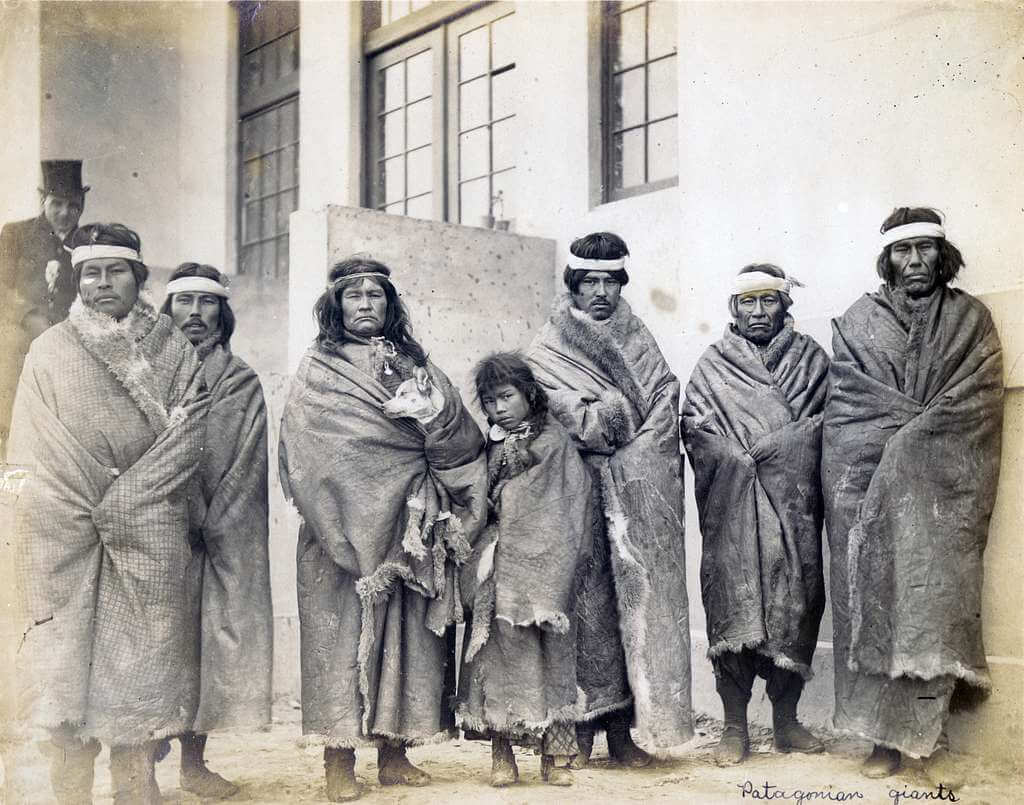
The Last Nomads: Tehuelche Culture and the Colonization of Patagonia
In the vast, windswept plains of Patagonia, where the Andes meet endless steppes, once lived a people whose remarkable stature and nomadic prowess captured the imagination of early European explorers. The Tehuelche people, who called themselves Aónikenk, meaning "southern people," represent one of South America's most distinctive Indigenous groups. Their story spans thousands of years of adaptation to one of the world's most challenging environments, culminating in a struggle for cultural survival that continues to this day.
The name "Tehuelche" derives from the Mapuche language, meaning "fierce people," while European chroniclers often called them "Patagones" or "giants," contributing to legends about extraordinarily tall people inhabiting the southern reaches of the American continent.
Territory and Environment
The Tehuelche territory encompassed vast areas of Patagonia, stretching from the Strait of Magellan to the Negro River, covering parts of present-day Argentina and Chile. This landscape included Patagonian steppes, Atlantic coastal areas, and Andean foothills characterized by harsh winds, extreme temperatures, and limited rainfall.
The challenging environment produced a people uniquely adapted to nomadic life. The steppes supported large herds of guanacos, rheas, and other wildlife that formed the backbone of their economy, while coastal regions provided marine resources. The Tehuelche developed sophisticated strategies for reading weather patterns, tracking migrations, and navigating across seemingly featureless terrain.
The "Giant" Legend and Physical Characteristics
One of the most striking aspects that captured European attention was the remarkable height of many Tehuelche individuals. Early explorers consistently reported encounters with Indigenous people of extraordinary stature, leading to maps marked with warnings about "giants" and possibly inspiring the name "Patagonia" itself.
While accounts were often exaggerated, anthropological evidence suggests the Tehuelche were indeed among the tallest Indigenous populations in the Americas, with some individuals reaching heights of six and a half feet or more. This exceptional stature likely resulted from genetic factors, their protein-rich diet, and the physical demands of nomadic life on the steppes.
Traditional Culture and Society
Tehuelche society was organized around extended family bands of 20 to 100 individuals who moved seasonally across their territory. Social structure was relatively egalitarian, with leadership based on skill and experience rather than hereditary status. Men typically hunted large game, while women managed camps and processed resources; however, both roles were essential to survival.
Spiritual beliefs centered on animistic concepts, recognizing the spiritual essence of natural phenomena. The Tehuelche believed in "Kooch," a supreme creative force, alongside various spirits associated with places, animals, and weather patterns. Shamans served as intermediaries between the human and spirit worlds, possessing knowledge of traditional medicine and ritual practices.
Traditional Economy
The foundation of the Tehuelche economy was hunting guanacos, which provided meat, hides for clothing and shelter, bones for tools, and sinew for cordage. They developed sophisticated hunting techniques, including the famous bolas—weighted cords thrown to entangle animal legs—and coordinated group hunts.
The nomadic lifestyle required efficient resource management and portable technology. Every item was designed for multiple purposes while remaining lightweight and durable. Trade relationships with neighboring groups created networks extending across southern South America.
The Equestrian Revolution
The introduction of horses in the 17th and 18th centuries fundamentally transformed Tehuelche culture. This adoption dramatically increased mobility and hunting efficiency, allowing them to exploit resources across much larger territories and participate in extensive trade networks.
The horse became central to Tehuelche identity, with riding skills serving as markers of social status and prestige. Enhanced mobility also altered their movement patterns, shifting from primarily east-west pursuits of guanacos to extensive north-south migrations that established new exchange networks.
Language and Cultural Transmission
The Tehuelche language, Aónikenk, belonged to the Chonan language family and contained extensive terminology reflecting their intimate relationship with the Patagonian environment. Oral tradition preserved cultural knowledge, practical information, and historical accounts across generations.
Tragically, the language suffered a severe decline from 5,000 speakers in 1900 to about 20 by 2005, and became extinct by 2019. This linguistic loss represents a profound erasure of cultural knowledge and traditional ecological wisdom that has been developed over millennia.
European Contact and Colonial Impact
The first European contacts occurred in the early 16th century, including Ferdinand Magellan's famous 1520 voyage. Initially, Patagonia's harsh climate and perceived lack of exploitable resources limited colonial pressure, allowing the Tehuelche to maintain much of their traditional lifestyle for several centuries.
However, European diseases began taking their toll even during early contact periods, and the introduction of trade goods altered traditional economic patterns. The colonial impact, while delayed, was ultimately devastating.
19th Century Crisis and Cultural Disruption
The 19th century marked a catastrophic change for the Tehuelche. The establishment of Argentina and Chile led to increased colonization of Patagonia, with sheep ranching fundamentally altering the ecosystem and eliminating traditional resource bases.
The Argentine "Conquest of the Desert" campaigns of the 1870s and 1880s systematically dispossessed Indigenous groups of their territories. Many Tehuelche were killed in military actions, while others were forced into reservations or exploitative labor on sheep ranches. The combination of violence, disease, alcohol, and exclusion from traditional territories decimated the population.
Cultural Synthesis and Mapuche Influence
During the 18th and 19th centuries, the Tehuelche experienced significant cultural influence from the Mapuche people expanding eastward from Chile. This contact resulted in complex cultural synthesis, with many Tehuelche adopting Mapuche agricultural techniques, pottery-making, and religious practices.
Intermarriage created mixed communities that blended elements of both cultures, as evident in language use and social practices. However, this cultural blending also contributed to the gradual erosion of distinctly Tehuelche traditions and identity.
Contemporary Challenges and Survival
Today, most Tehuelche descendants reside in cities and towns of Argentine Patagonia, creating new challenges for cultural transmission and community cohesion. The loss of their language represents the most significant threat to cultural continuity, as an enormous body of traditional knowledge has been lost forever.
Contemporary communities strive to preserve their cultural heritage through cultural centers, museums, and educational programs, although these efforts face significant challenges due to urban dispersal and the dominance of the Spanish language. Legal recognition and land rights remain important ongoing issues.
Legacy and Significance
The Tehuelche represent a remarkable example of human adaptation to extreme environments, having developed sophisticated survival strategies that sustained their communities for thousands of years. Their story also illustrates the devastating impact of colonialism on Indigenous peoples, demonstrating how rapidly traditional ways of life can be destroyed.
Their traditional ecological knowledge contributed to early European understanding of Patagonia, and their cultural practices continue to influence regional identity. Their sustainable resource management practices offer alternative models for human-environment relationships that remain relevant today.
Conclusion
The Tehuelche people, also known as the Aónikenk of Patagonia, embody both the remarkable adaptability of human cultures and the fragility of traditional ways of life in the face of rapid historical change. From masterful hunters of the steppes to skilled equestrians, and ultimately to their struggle for cultural survival, their story encompasses dramatic themes in the history of Indigenous Americans.
While much has been lost—their language, territories, and many cultural practices—the Tehuelche legacy endures in Patagonia's collective memory and in the ongoing efforts of their descendants to maintain ancestral connections. Their story serves as both a celebration of Indigenous ingenuity and a sobering reminder of the costs of colonialism.
The giants of Patagonia may no longer roam freely across their ancestral steppes, but their legacy continues to inspire those seeking to understand human cultural adaptation and the importance of preserving Indigenous knowledge. In honoring the Tehuelche, we acknowledge the diversity of human experience and the enduring strength of peoples who, despite overwhelming challenges, maintain a connection to their heritage and identity.