Ecoregions of Argentina

Argentina's High Monte: Life in the Arid Highlands

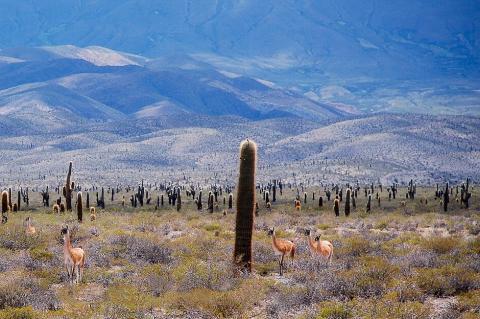
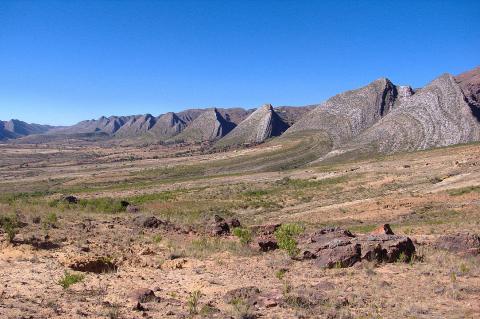
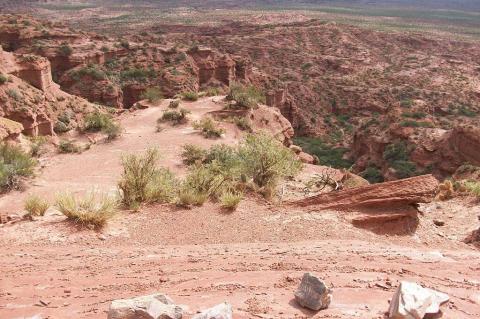
The High Monte ecoregion, extending along the eastern Andean slopes of northwestern Argentina, encompasses montane arid landscapes. Characterized by a temperate arid climate with rainfall concentrated in summer months, the region supports diverse vegetation communities dominated by xerophytic shrubs, Prosopis woodlands, and spectacular cactus assemblages. Despite harsh conditions, the High Monte harbors exceptional biodiversity. The region faces conservation challenges from overgrazing, deforestation, and climate change.

Beneath the Canopy: Exploring Brazil's Araucaria Moist Forests

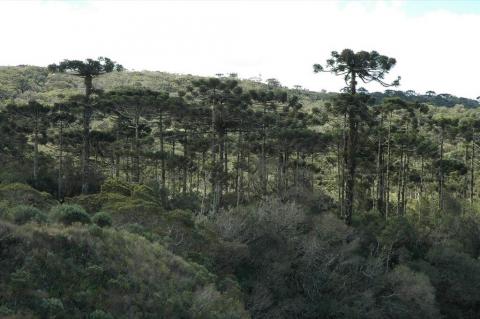
Located in the mountainous regions of Southern Atlantic Brazil and extending into northeastern Argentina, the Araucaria moist forests ecoregion is a remarkable example of the ecological abundance found within the Atlantic Forest biome. This coniferous forest ecoregion boasts diverse landscapes, unique flora, and a rich biodiversity.

Biodiversity in the Balance: The Argentine Espinal Ecoregion

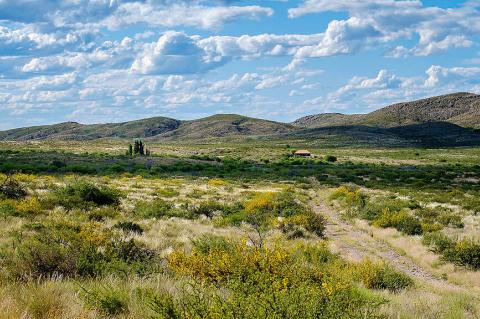
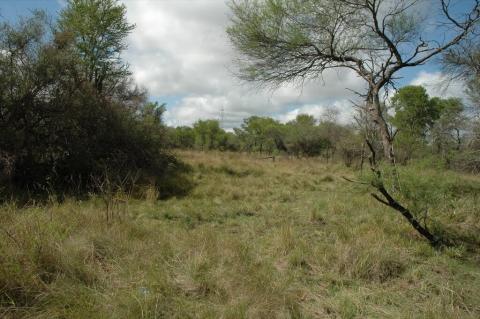
The Argentine Espinal Ecoregion is a unique and diverse ecosystem in central Argentina. It is characterized by its dry, thorny, and deciduous shrubland forests. The ecoregion stretches across a vast area, forming a natural transition between the wetland ecosystems along the Paraná River to the east and the mountainous Sierras de Córdoba to the west. Although much of the original landscape has been altered due to extensive cattle ranching and agriculture, remnants of the native flora and fauna persist, making the region ecologically significant.

Central Andean Dry Puna: An Arid Haven in the High Andes

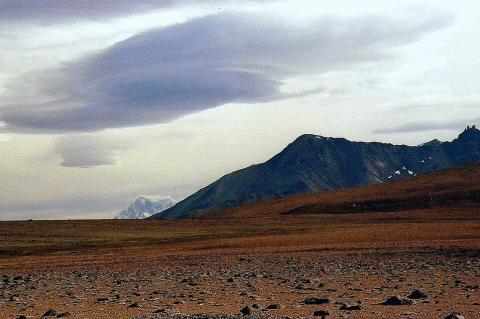
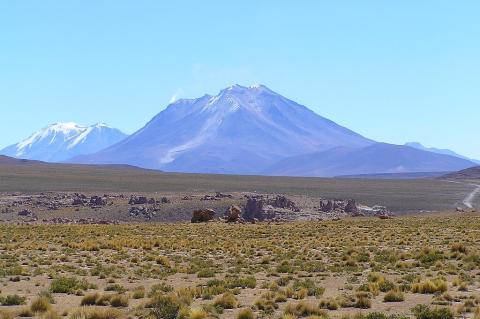
The Central Andean Dry Puna, an arid haven in the high southern Andes of Bolivia, Chile, and Argentina, captivates with arid landscapes, salt flats, and ancient sea remnants. Unique vegetation adapted to extreme conditions and diverse fauna, from Andean camelids to elusive predators and unique birds, thrive in this high-elevation ecoregion. As a mosaic of arid splendor, the Central Andean Dry Puna unfolds a captivating story of adaptation and conservation.

Discovering the Upper Paraná Atlantic Forests: A Treasure of Biodiversity

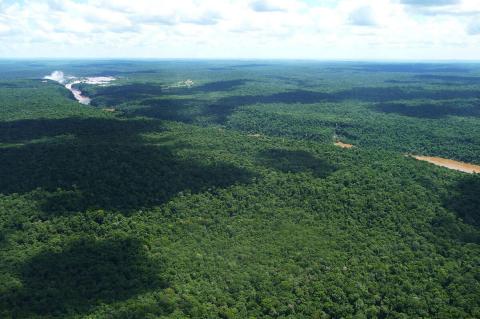
The Upper Paraná Atlantic forests, also known as "Selva Paranaense," represent a verdant expanse of tropical moist forests nestled within the South American Atlantic Forest biome. This ecoregion, characterized by its rich biodiversity and ecological significance, stretches across the southern reaches of the Brazilian Highlands, extending through southern Brazil, eastern Paraguay, and northeastern Argentina.

The Central Andean Puna: Unveiling the High-Elevation Wonders

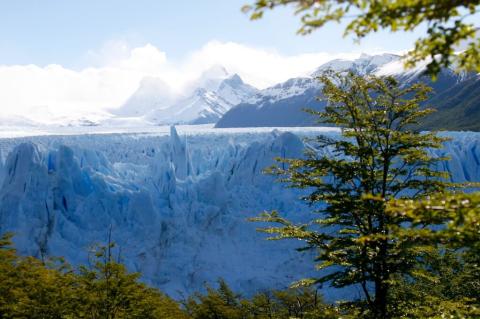
Nestled high amidst the jagged, snow-covered peaks of the Southern Andes lies the Central Andean Puna - a land of rugged resilience crafted from pristine pampas and awe-inspiring altiplano plains. This high-altitude montane grassland stretches across the southern regions of Peru, traversing the rugged Bolivian Altiplano and dipping into the northern corners of Argentina.

The Dry Chaco: A Realm of Resilience, Where Life Thrives Against the Odds

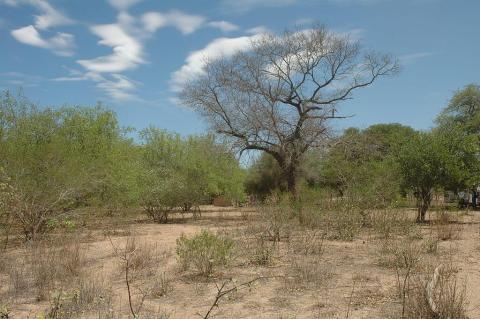
The Dry Chaco ecoregion, the arid part of the Gran Chaco, spans western Paraguay, northern Argentina, southeastern Bolivia, and a small area of Brazil. This lowland, mainly in the rain shadow of the Central Andes, features a landscape shaped by limited rainfall, intense solar radiation, and extreme seasonal temperatures. Rather than a barren wasteland, the Dry Chaco showcases a unique biodiversity of plants and animals that have evolved remarkable adaptations to thrive in this challenging environment.

The Enigmatic Argentine Monte: Unveiling the Secrets of a Unique Desert Ecoregion

Nestled within the heart of Argentina, the Monte Desert and its encompassing ecoregion, the Argentine Monte, offer a captivating glimpse into a realm of stark beauty and remarkable resilience. This vast expanse is a tapestry woven with diverse landscapes, unique flora, and enigmatic fauna. Characterized by its arid conditions and the interplay of mountain ranges, this region is a testament to nature's ability to thrive in even the harshest environments.

The Humid Chaco: A Realm of Green and Water, Where Life Flourishes in Abundance

The Humid Chaco ecoregion, the eastern counterpart to the drier expanses of the Gran Chaco, stretches across eastern Paraguay, northeastern Argentina, and a small portion of southeastern Brazil. In contrast to the aridity that defines its western neighbor, the Humid Chaco is characterized by higher rainfall, more fertile soils in certain areas, and a greater abundance of surface water. This results in a landscape teeming with diverse forests, expansive savannas that experience seasonal flooding, and intricate riparian ecosystems.

The Humid Pampas: Exploring Argentina's Verdant Plains

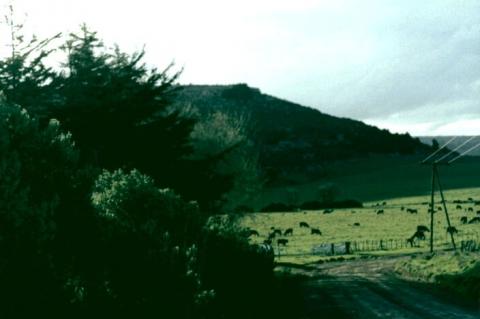
The humid pampas ecoregion, situated in the eastern plains of Argentina, predominantly occupies the province of Buenos Aires. This area, known for its high human population density, is characterized by expansive grasslands and xeric woodlands. As part of the larger Pampas lowland plains region, the humid pampas feature horizontal plains with gentle undulations and occasional low peaks that emerge like islands across the landscape.