Archaeological Sites in South America

Llanos de Moxos: A Legacy of Ancient Engineering and Agriculture

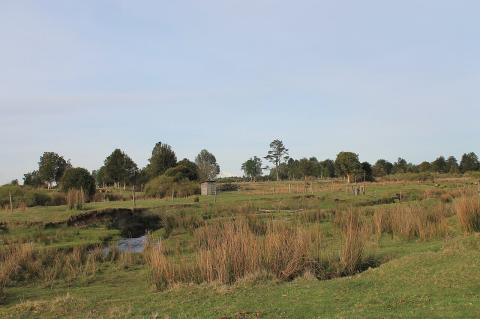
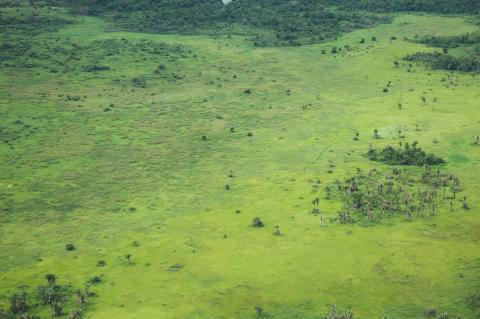
The Llanos de Moxos, located in the Beni Department of northern Bolivia, is one of South America's most significant archaeological regions. It offers an unparalleled window into the lives of pre-Columbian societies that thrived in the tropical savanna. What sets this region apart is its vastness and the extraordinary density of archaeological sites within the Amazon basin, revealing a sophisticated history of landscape engineering and agricultural innovation.
Llullaillaco Volcano and National Park: Chile's High-Altitude Archaeological Sanctuary

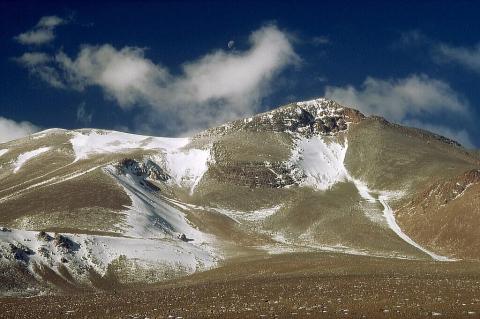
Rising from the remote stretches where Chile meets Argentina, Llullaillaco volcano stands as one of South America's most remarkable monuments to both natural forces and human achievement. This massive stratovolcano holds the distinction of being the world's second-highest active volcano and, remarkably, the site of the world's highest archaeological discovery. Llullaillaco National Park, which spans the eastern slopes, was established to protect this unique ecosystem and its invaluable cultural heritage.

Machu Picchu: Where Stone Dreams Meet Cloud Forest Mysteries

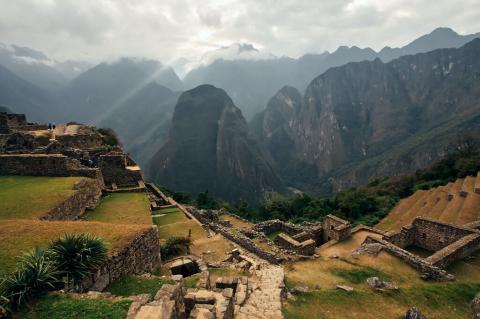
High above the Urubamba Valley, where Andean peaks pierce clouds and ancient mists whisper of forgotten ceremonies, stands Machu Picchu—perhaps the most enigmatic human achievement. This stone citadel seems to float between Earth and sky, its granite walls rising naturally from the mountain ridge like a formation shaped by divine hands rather than human tools. From its precisely engineered terraces to its role as guardian of numerous species, Machu Picchu is a masterpiece where human ingenuity harmonized with Earth's biodiversity.

Moray: The Inca Empire's Mountain Laboratory of Agricultural Innovation

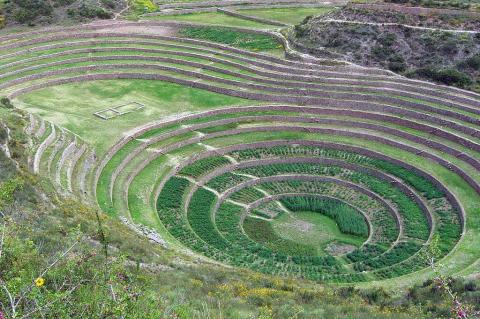
Located in the high-altitude plateau of Peru's Sacred Valley, the archaeological site of Moray features remarkable concentric circular terraces carved into natural limestone sinkholes, which create temperature differences between the levels. These amphitheater-like depressions enabled the cultivation of a multitude of crop varieties within a single complex. The site's sophisticated water management systems and precision stonework demonstrate an advanced understanding of microclimate manipulation that transformed natural geological formations into one of the ancient world's most innovative agricultural research facilities.

Ollantaytambo: A Jewel of Inca Civilization in Peru

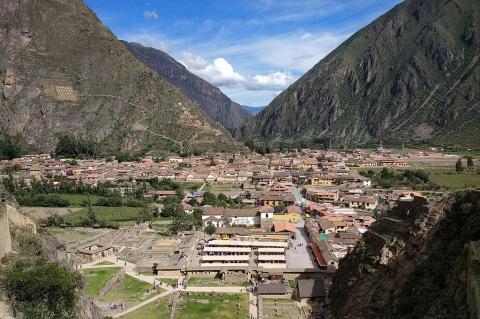
Nestled within the majestic landscapes of the Peruvian Andes, Ollantaytambo stands as a testament to the ingenuity, resilience, and cultural richness of the Inca civilization. This town, perched at the northern terminus of the Sacred Valley of the Incas, holds within its ancient stones a wealth of history, architecture, and tradition that continues to captivate visitors from around the globe.

Parque Arqueológico do Solstício: Brazil's Amazonian Stonehenge

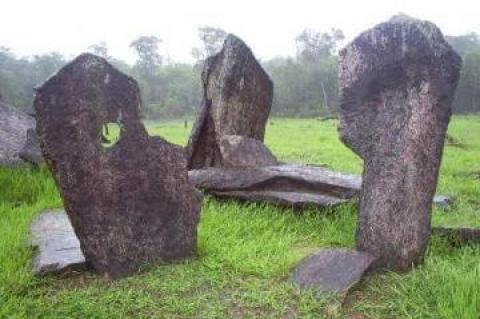
Nestled in the lush landscapes of Amapá state in northern Brazil lies the Parque Arqueológico do Solstício, an enigmatic archaeological site with significant historical and cultural value. Known colloquially as the "Amazon Stonehenge," this pre-Columbian megalithic stone circle offers a glimpse into the sophisticated astronomical knowledge and complex societal structures of ancient indigenous cultures in the Amazon Basin.

Patagonia's Hidden Treasure: The Ancient Art of Cueva de las Manos

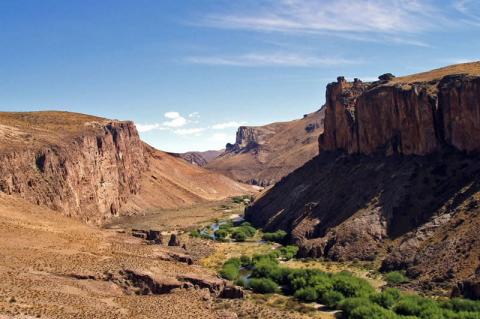
In the rugged landscape of Patagonia lies one of the world's most captivating archaeological treasures: the Cueva de las Manos, or Cave of Hands. Renowned for its striking prehistoric rock art, this site offers a rare glimpse into the lives and artistic expressions of the ancient peoples who once roamed the region. Designated as a World Heritage Site, this remote cave is a testament to early humans' creativity, beliefs, and traditions, preserved on its rock walls for millennia.

San Agustín Archaeological Park: Gateway to Ancient Marvels in Colombia

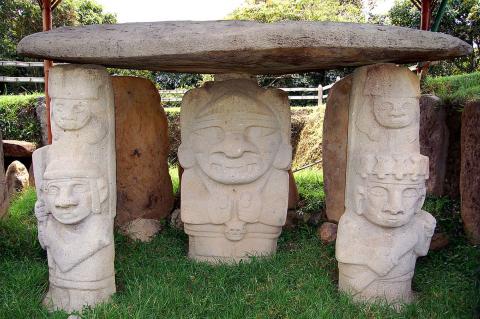
The San Agustín Archaeological Park is located near the town of San Agustín in the Huila Department of Colombia. It represents the cultural and artistic achievements of a civilization that existed from the 1st to the 8th century in the northern Andean region. The park consists of three separate properties known as San Agustín, Alto de los Ídolos, and Alto de Las Piedras. It is home to South America's most extensive collection of religious monuments and megalithic sculptures.

Serra da Capivara: Brazil's Archaeological and Natural Treasure

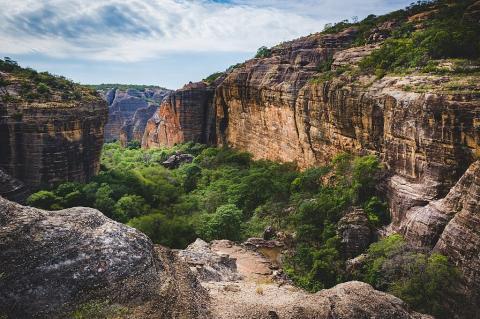
The Serra da Capivara National Park is situated in the northeastern state of Piauí, Brazil. This park is a fascinating mix of geological marvels, archaeological importance, and exceptional biodiversity. Its main objective is safeguarding its prehistoric artifacts and rock paintings, some dating back thousands of years. Recognized as a UNESCO World Heritage Site, the Serra da Capivara is evidence of ancient human creativity and a refuge for the varied flora and fauna of the Caatinga.

The Enigmatic and Ancient Chinchorro Culture of Chile

Nestled along the arid coastal regions of northern Chile, the Archaeological Sites of the Chinchorro Culture stand as a testament to one of the oldest and most remarkable pre-Columbian civilizations in the Americas. This unique culture, which thrived for over 5,000 years, has left an indelible mark on the region's rich archaeological heritage, shedding light on the resilience and ingenuity of the human spirit.