Historical & Cultural Landmarks in Central America

Antigua Guatemala: A Journey Through Time and Tradition

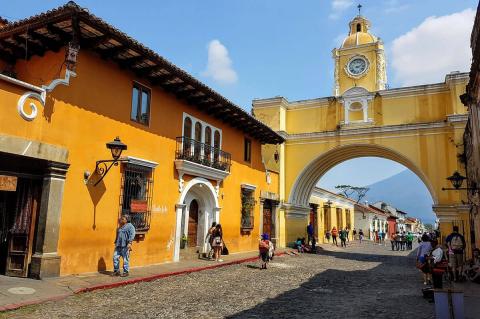
Nestled in the southern reaches of the Central Highlands of Guatemala, Antigua Guatemala, affectionately known as "Antigua" or "La Antigua," stands as a timeless testament to the grandeur of colonial architecture and the resilience of its inhabitants in the face of natural calamities. Enveloped in a landscape of rolling hills and volcanic peaks, this historic city beckons visitors with its rich cultural heritage, vibrant streets, and magnificent architecture.
Exploring Granada: The Colonial Heart of Nicaragua

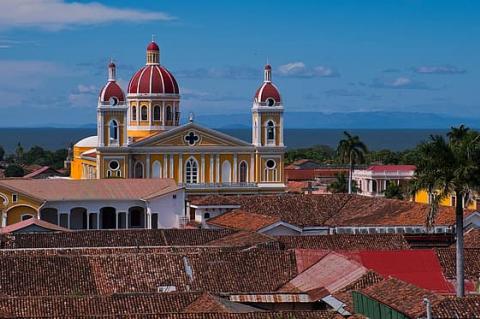
Granada, a city located in southwestern Nicaragua on the western shore of Lake Nicaragua and at the foot of the Mombacho Volcano, stands as a testament to the country's rich history and cultural heritage. As the capital of the Department of Granada and Nicaragua's sixth most populous city, Granada is a significant economic and political hub. Renowned for its well-preserved colonial architecture, the city is a vibrant center of commerce and tourism, offering a glimpse into Nicaragua's storied past.

Lake Izabal and Castillo de San Felipe de Lara: Guatemala's Historic and Natural Treasures

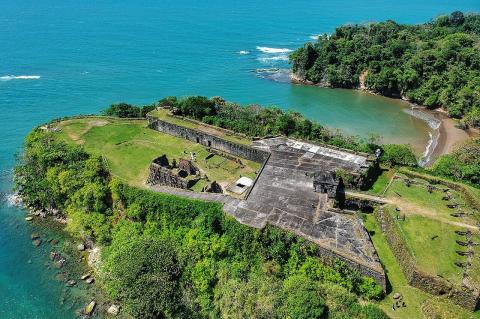
Lake Izabal, Guatemala's largest lake, is a vital resource with significant historical importance. Located in the east, it connects inland rivers to the Caribbean Sea via the Río Dulce. At its entrance, Castillo de San Felipe de Lara symbolizes Guatemala's colonial past. Built in the 17th century, it protected Spanish trade from pirates and is now a national monument. The nearby Río Dulce National Park, with its rainforests and unique ecosystems, adds to the area's ecological and cultural value.

Panamá Viejo and Casco Antiguo: The Colonial Foundations of Modern Panama

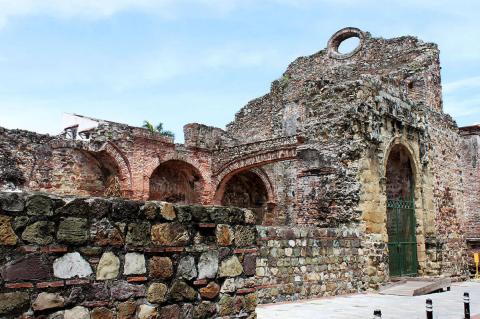
Panamá Viejo, founded in 1519, is a testament to Panama's rich colonial history. It is the oldest continuously occupied European settlement on the Pacific coast of the Americas. Panamá Viejo retains its historical significance as the foundation of modern Panama City despite enduring natural disasters, pirate attacks, and relocation. It forms a UNESCO World Heritage Site with the Historic District of Panama, Casco Antiguo.

The Fortress of the Immaculate Conception: Nicaragua's Sentinel on the San Juan River

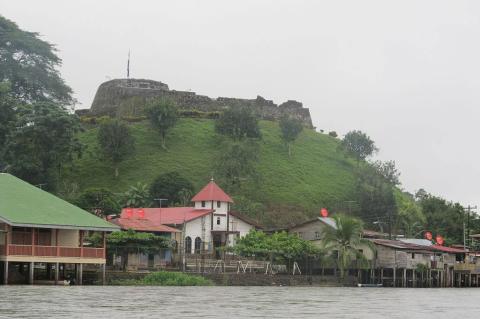
The Fortress of the Immaculate Conception, built by the Spanish between 1673 and 1675 in El Castillo village on a bend of the San Juan River, is one of Nicaragua's most important colonial landmarks. It gained fame through Rafaela Herrera's heroic 1762 defense against a British attack and witnessed Horatio Nelson's 1780 campaign. Now a museum within the Indio-Maíz Biosphere Reserve, it mixes military history, colonial architecture, and rainforest, accessible by boat along the historic river route used by pirates, colonists, and British navies.

The Pan-American Highway: Linking North, Central, and South America

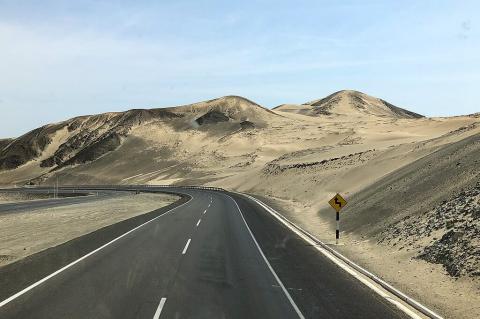
Stretching from the frozen tundras of Alaska to the windswept landscapes of Tierra del Fuego, the Pan-American Highway is a testament to human ingenuity and the indomitable spirit of connectivity. This vast network of roads is one of the most extensive and ambitious transportation systems ever conceived, serving as a vital artery for trade, tourism, and cultural exchange across the Americas. Despite the monumental achievements of the highway, a formidable obstacle remains – the Darién Gap.

The Panama Canal: Engineering Marvel Connecting Two Oceans

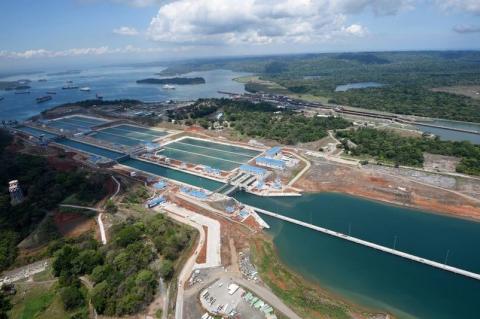
The Panama Canal stands as one of the most ambitious and consequential engineering achievements of the modern era—an artificial waterway spanning the Isthmus of Panama to connect the Atlantic and Pacific Oceans. The story encompasses heroic engineering, devastating failure, the conquest of tropical disease through medical innovation, and human suffering on an almost incomprehensible scale. Its construction claimed at least 27,000 lives over more than three decades, yet its completion revolutionized global commerce.

Tikal: Where Ancient Civilization Meets Natural Splendor

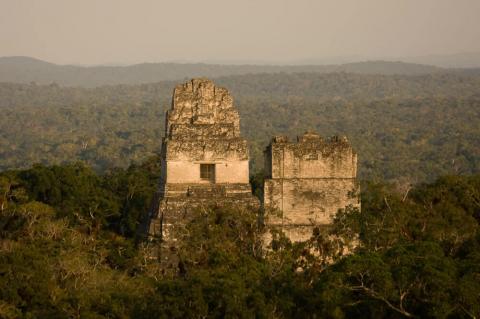
Tikal, one of the largest and most significant archaeological sites of the ancient Maya civilization, stands as a remarkable testament to the ingenuity and sophistication of a society that once flourished in the dense jungles of northern Guatemala. Today, Tikal is an iconic symbol of Maya architectural and cultural achievements and a crucial part of the vast Tikal National Park, a UNESCO site that preserves both the rich history and the extraordinary biodiversity of the region.