City/Town

San José: Costa Rica's Cultural and Economic Epicenter

San José, Costa Rica's capital and largest city, is a dynamic urban center that serves as the country's cultural, economic, and political hub. Located in the Central Valley, towering mountains and lush coffee plantations surround San José, blending natural beauty with the bustling energy of a modern metropolis. As the focal point of Costa Rica's development, San José continues to evolve, balancing tradition with the demands of an increasingly globalized world.

San Miguel de Allende: Weaving the Threads of Mexican History, Culture, and Architectural Splendor

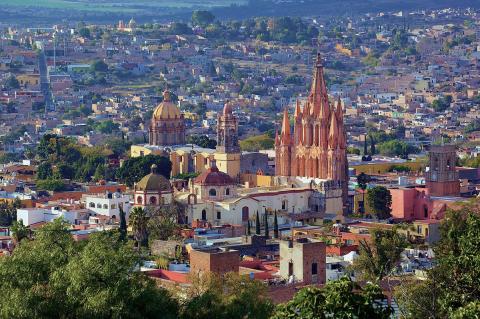
Situated in the highlands of the Bajío region, San Miguel de Allende, a city in the eastern part of Guanajuato, Mexico, offers a captivating blend of history, culture, and architectural elegance. Closely linked with the nearby Sanctuary of Jesús Nazareno de Atotonilco, the city is a testament to the vibrant legacy of Mexican Baroque art and its pivotal role in the country's historical narrative. Recognized as a UNESCO World Heritage Site, San Miguel de Allende is a living testament to the convergence of diverse cultures.
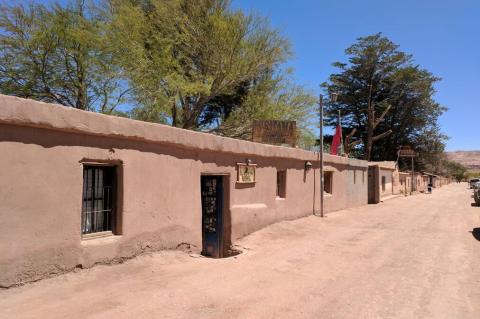
San Pedro de Atacama: Gateway to Chile's Ancient and Natural Wonders

San Pedro de Atacama, a small town in northern Chile, serves as the heart of one of the most extreme and breathtaking landscapes on Earth. Nestled in the Atacama Desert, the driest non-polar desert in the world, this town is surrounded by surreal geological formations, salt flats, high-altitude lagoons, and ancient ruins. Rich in history and culture, San Pedro de Atacama has been a crossroads for Indigenous cultures for centuries and continues to be a hub for travelers seeking adventure, nature, and history.

San Pedro Sula: The Industrial Heart of Honduras

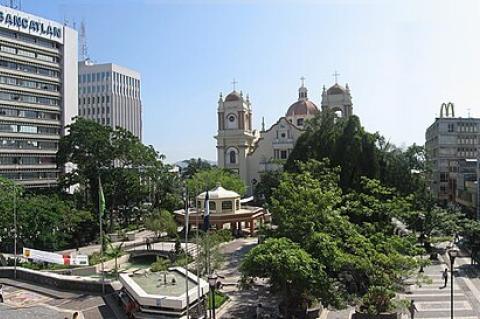
San Pedro Sula, the second-largest city in Honduras, stands as the country's economic powerhouse and a significant cultural center. Located in the Sula Valley in the northwestern part of the country, the city has long been a crucial driver of industry, commerce, and trade. With a rich history, diverse economic base, and vibrant cultural landscape, San Pedro Sula plays a pivotal role in shaping the development of Honduras.

San Salvador: The Resilient Heart of El Salvador

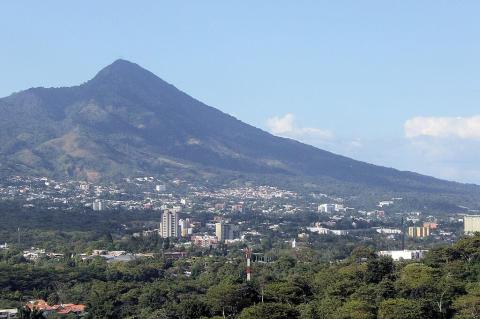
San Salvador, El Salvador's capital, is a city defined by its resilience and dynamism. As the country's political, cultural, and economic hub, San Salvador plays a critical role in the heart of Central America. Nestled in the Valley of the Hammocks and surrounded by volcanic peaks, this city has seen centuries of growth, turmoil, and renewal. Today, San Salvador is a bustling metropolis that reflects the nation's rich cultural heritage and aspirations for the future.

Santa Ana: El Salvador’s City of Heritage, Art, and Nature

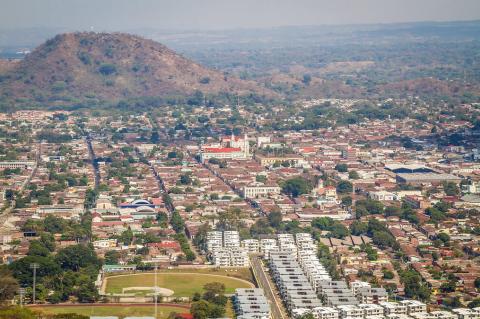
Nestled in the lush highlands of western El Salvador, Santa Ana is a vibrant city known for its rich cultural heritage, architectural splendor, and proximity to some of the country's most breathtaking natural landscapes. As El Salvador's second-largest city, Santa Ana has long been a center of agriculture, industry, and cultural exchange. It is historically known for its coffee exports and role in shaping the nation's economy.

Santa Cruz de Mompox: Colombia's Colonial Jewel

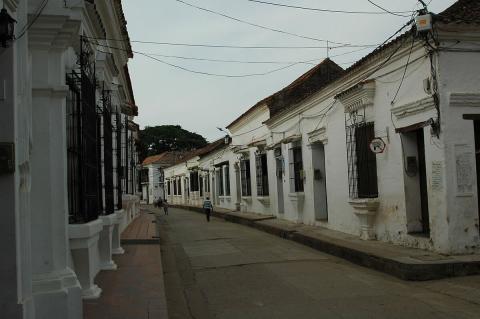
Nestled along the banks of the Magdalena River in northern Colombia, the Historic Center of Santa Cruz de Mompox emerges as a cultural gem, frozen in time and exuding the charm of colonial heritage. This UNESCO site is a testament to Mompox's historical significance, architectural brilliance, and role in shaping Colombia's cultural landscape. The town's rich history, picturesque streets, and vibrant traditions offer a unique glimpse into the past, preserving the essence of colonial Colombia.

Santa Cruz: The Economic and Cultural Heart of Bolivia

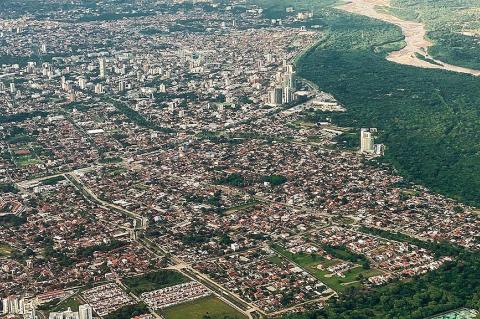
Santa Cruz is a city of remarkable contrasts and dynamic growth. Located in the tropical lowlands of eastern Bolivia, it is the country's largest city and a hub of economic and cultural activity. With its modern skyline, rich history, and diverse population, the city is a vibrant example of Bolivia's evolving identity. This bustling metropolis blends the charm of its colonial past with the present opportunities, offering visitors a unique insight into the country's most populous region.

Santa Marta: Cradle of Colombia’s Coastal Culture

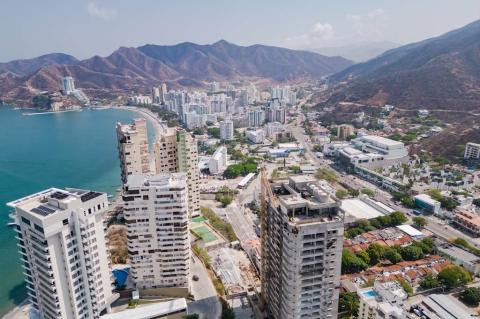
Santa Marta is Colombia's oldest surviving city and a beacon of cultural and ecological richness. Strategically situated between the Caribbean Sea and the Sierra Nevada de Santa Marta, it is a crossroads of history, biodiversity, and contemporary culture. Renowned for its colonial heritage, Indigenous traditions, and vibrant natural landscapes, Santa Marta offers a multidimensional experience that captivates travelers and scholars alike.

Santiago de Cali: The Rhythm and Soul of Colombia

Cali, officially known as Santiago de Cali, is Colombia's third-largest city and a vibrant cultural and economic hub in the country's southwestern region. Cali boasts a rich history, a diverse population, and stunning natural surroundings. Nestled in the Valle del Cauca department, it offers a unique blend of colonial heritage, Afro-Colombian influences, and modern urban life. Its cultural, historical, and ecological significance solidifies its status as a cornerstone of South American identity.