Ecosystem

Brazil's Eastern Frontier: Exploring the Atlantic Coastal Lowlands

The Atlantic Coastal Lowlands extend along Brazil's eastern coastline, from Amapá to Rio Grande do Sul, bordering the Atlantic Ocean. This region is characterized by sandy beaches, lagoons, and mangrove swamps, with flat plains that gradually rise inland toward the Brazilian Highlands. It holds historical and economic significance, containing some of Brazil's largest cities and essential ecosystems supporting biodiversity.

The Brazil Current: Western South Atlantic's Warm Water Highway

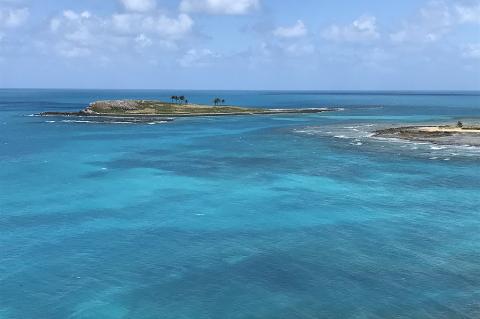
The Brazil Current represents the western boundary current of the South Atlantic Ocean and a key part of the global thermohaline circulation system. This warm current flows south along Brazil's extensive coast, transporting tropical waters from equatorial areas toward the temperate regions of the South Atlantic. Its influence shapes Brazil's coastal climate and broader Atlantic circulation, making it an important part of both regional and global ocean systems.

The Humboldt Current: A Lifeline in the Eastern South Pacific

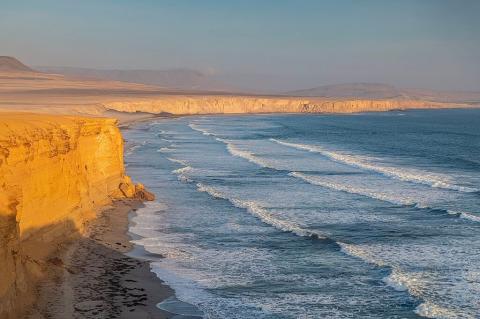
The Humboldt Current, also known as the Peru Current, stands as one of Earth's most significant oceanic systems and a cornerstone of marine productivity in the eastern South Pacific. This remarkable cold-water current creates a distinct marine environment characterized by nutrient-rich waters and extraordinary biodiversity. It flows northward from the Antarctic along South America's west coast. Its influence extends beyond marine life, shaping climate, supporting seabirds, and sustaining fishing industries.

The Sierra Madre Evergreen Forests: A Biodiversity Haven

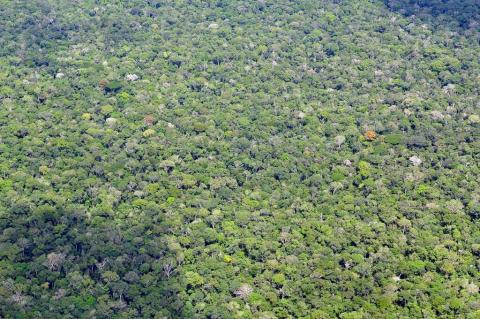
The Sierra Madre evergreen forests, spanning the rugged mountainous terrain of western Mexico, are a lush, vibrant ecosystem defined by year-round greenery and diverse flora and fauna. Spanning a range of altitudes, climates, and habitats, this ecosystem thrives on the slopes of the Sierra Madre Occidental and Sierra Madre Oriental and supports a remarkable array of plant and animal species, many of which are endemic to the region.

The Sumapaz Páramo: Colombia's Pristine Moorland Majesty

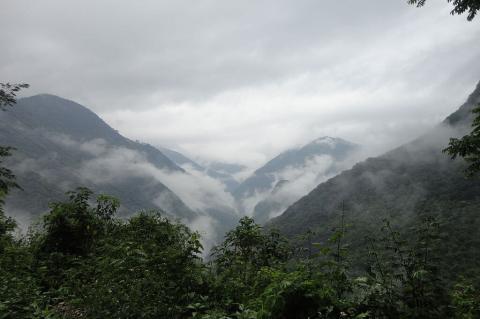
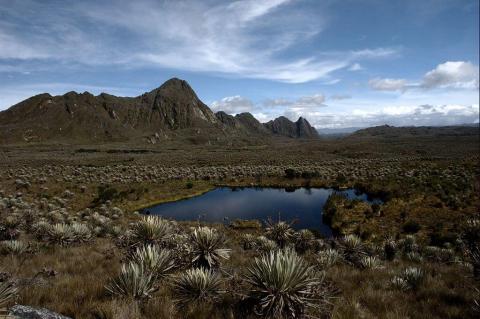
Nestled within the rugged terrain of the Colombian Andes lies the Sumapaz Páramo, the largest páramo ecosystem on Earth. This vast expanse of high mountain grassland is a sanctuary for extraordinary biodiversity and a critical water source for millions, protected today as Sumapaz National Natural Park. But Sumapaz is also a significant site in Colombia's decades-long armed conflict, a place where peasant resistance movements were born and which later became a vital strategic corridor for the country's largest guerrilla group.