Indigenous Cultures

The Guaraní People: Resilience, Resistance, and Revival

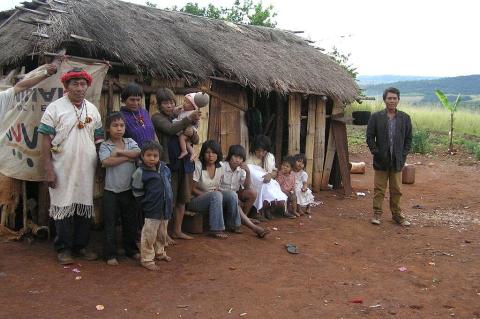
For centuries, the Guaraní people have been a defining force in the cultural and historical landscape of South America. With a presence that spans Paraguay, Brazil, Argentina, and Bolivia, they are one of the most prominent Indigenous groups in the region. Their language, Guaraní, remains one of the few Indigenous tongues to achieve national recognition and widespread use, particularly in Paraguay.

The Inca Civilization: Masters of the Andes

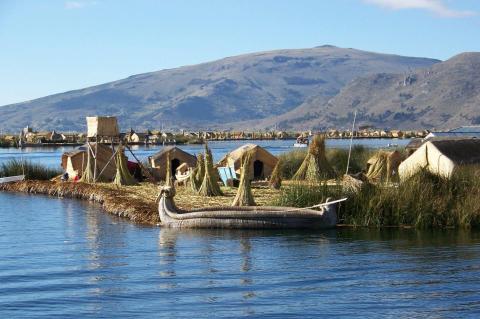
The Inca civilization, a powerful pre-Columbian society in South America, emerged in the Andean highlands and became the largest empire in the Western Hemisphere before the Spanish arrived. With advanced administration, impressive engineering, and a deeply spiritual society, the Inca left a lasting legacy that shapes South America's culture. Their vast empire, Tawantinsuyu, or "Land of the Four Regions," spanned present-day Peru, Ecuador, Bolivia, Chile, Argentina, and Colombia.

The Kalinago Territory: Preserving Indigenous Heritage in Dominica

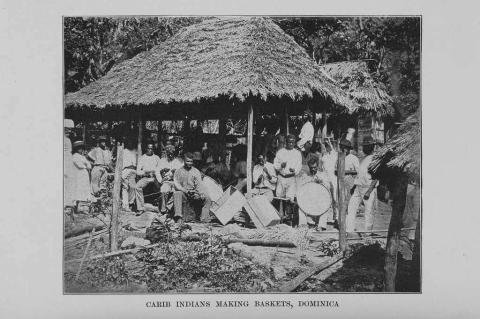
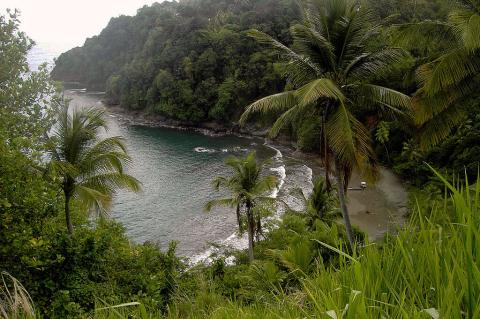
Situated on the rugged eastern coast of Dominica, the Kalinago Territory is a unique cultural and historical landmark that serves as the homeland of the island's Indigenous Kalinago people. Encompassing eight villages, the territory is home to the last remaining community of Kalinago in the Caribbean, preserving traditions that date back centuries. Despite the challenges posed by colonial history and modernization, the Kalinago have maintained their way of life.

The Mapuche People: Ancient Traditions and Modern Struggles

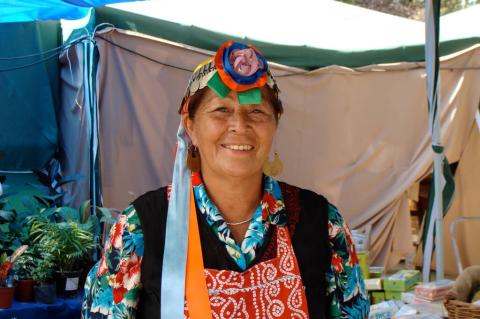
For centuries, the Mapuche people have played a crucial role in the history and cultural landscape of South America, particularly in present-day Chile and Argentina. Known for their resilience and fierce resistance against colonial powers, the Mapuche have preserved their identity, traditions, and language despite centuries of external pressures. Today, they continue to shape the sociopolitical fabric of both nations, advocating for land rights, cultural recognition, and self-determination.

The Maya Civilization: Architects of an Enduring Legacy

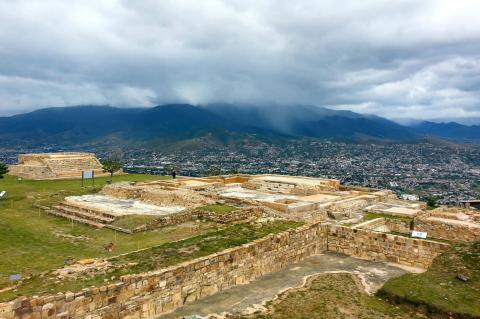
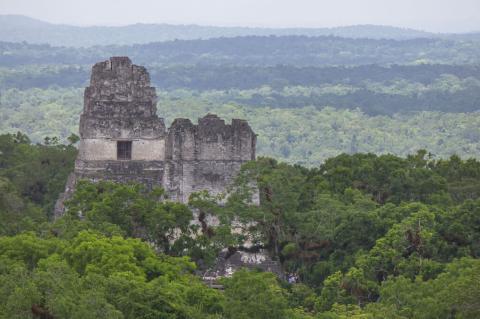
The Maya civilization, one of the most advanced and influential cultures of the ancient Americas, flourished in Mesoamerica for more than 2,000 years. Emerging around 2000 BCE and reaching its height between 250 and 900 CE, the Maya built vast city-states, developed one of the most sophisticated writing systems of the pre-Columbian world, and made remarkable advancements in mathematics, astronomy, and architecture.

The Muisca Civilization: Guardians of the Andean Highlands

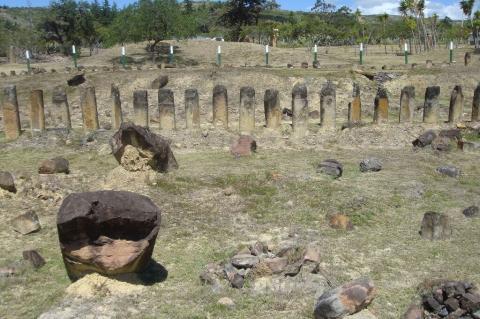
The Muisca, also known as the Chibcha, was one of the most sophisticated Indigenous civilizations of pre-Columbian South America. Inhabiting the high-altitude plateaus of present-day Colombia, the Muisca developed an advanced society that thrived on agriculture, trade, and metallurgy. Unlike the expansive empires of the Inca and Aztecs, the Muisca organized themselves into a confederation of chiefdoms, balancing political autonomy with cultural unity.

The Nazca Civilization: Masters of the Desert and the Sky

The Nazca civilization flourished along the southern coast of present-day Peru between approximately 200 BCE and 650 CE, leaving behind an enduring legacy of intricate ceramics, advanced irrigation systems, and the enigmatic Nazca Lines. Developing in one of the driest regions on Earth, the Nazca people mastered the harsh desert environment, creating an agricultural society that defied the extreme aridity of the Nazca Desert.

The Norte Chico Civilization: The Birth of Complex Society in the Americas

Long before the rise of the Inca, an ancient civilization flourished along the arid coastline of present-day Peru. The Norte Chico civilization, dating back to around 3000 BCE, is one of the earliest known complex societies in the Americas. Emerging in the river valleys of the north-central coast, this civilization developed monumental architecture, advanced urban centers, and intricate social structures, laying the foundations for later Andean cultures.

The Olmec: The First Great Civilization of Mesoamerica

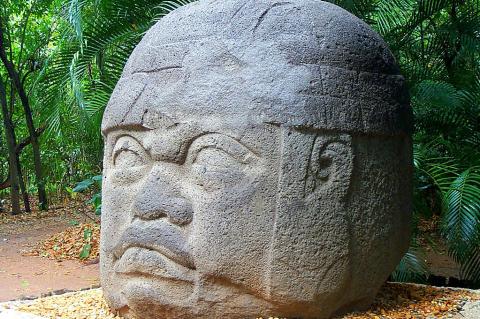
The Olmec civilization, which flourished between approximately 1500 and 400 BCE in what is now southern Mexico, is often regarded as the "Mother Culture" of Mesoamerica. This designation reflects the civilization's profound influence on later cultures, including the Maya, Zapotec, and Aztec. The Olmecs developed sophisticated artistic traditions, religious concepts, and early forms of writing and calendrical systems that shaped the cultural landscape of Mesoamerica for centuries.

The Quechua: Keepers of the Andean Legacy

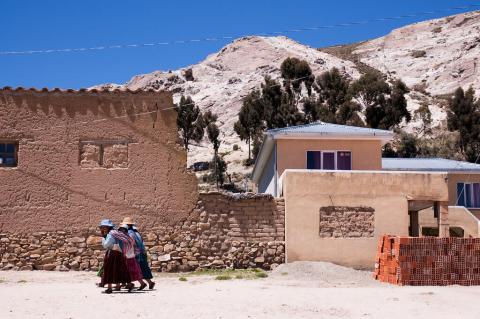
For centuries, the Quechua people have played a central role in the history and culture of the Andean region. Descendants of ancient civilizations, including the Inca Empire, the Quechua have preserved their language, traditions, and agricultural practices despite centuries of colonial influence and modernization. Spanning across modern-day Peru, Bolivia, Ecuador, Colombia, Argentina, and Chile, the Quechua remain one of the most enduring Indigenous groups in South America.