Indigenous Cultures

The Selk'nam People: Culture, Survival, and Tragedy at the Edge of the World

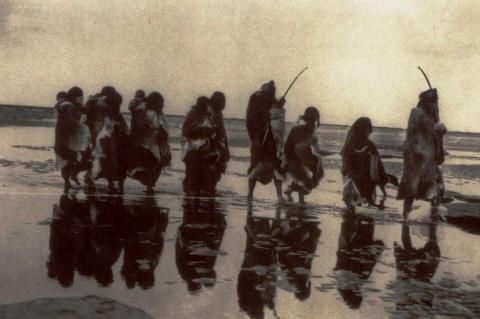
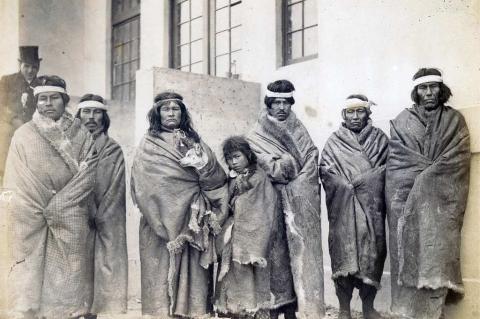
For thousands of years, the Selk'nam people, also known as the Ona, thrived in the harsh and windswept landscapes of Tierra del Fuego, the remote southernmost region of South America. Their way of life was deeply connected to the land, relying on hunting, elaborate rituals, and a strong oral tradition. However, the arrival of European settlers in the 19th century brought devastating consequences, leading to one of the most tragic cases of cultural and physical genocide in the Americas.

The Taíno and the Indigenous Caribbean

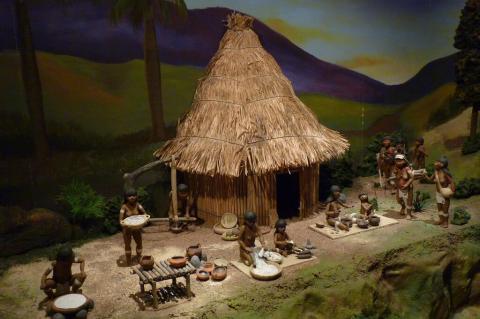
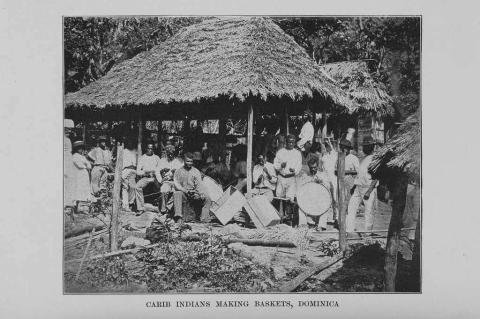
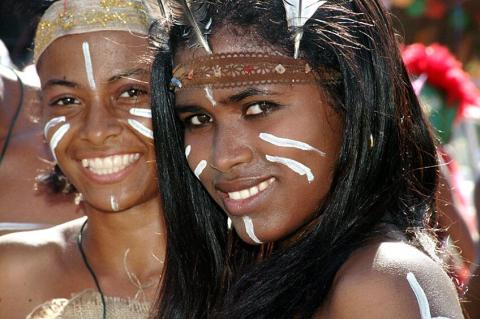
The Taíno were the Indigenous people who inhabited the Caribbean islands of the Greater Antilles, the Bahamas, and parts of the Lesser Antilles before European contact. As the first Indigenous group to encounter Christopher Columbus in 1492, they played a crucial role in shaping early European perceptions of the Americas. Their civilization flourished across present-day Cuba, Hispaniola, Puerto Rico, Jamaica, and the Bahamas, where they built sophisticated societies rooted in agriculture, trade, spirituality, and communal living.

The Tehuelche People: Giants of Patagonia

In the vast, windswept plains of Patagonia, where the Andes meet endless steppes, once lived a people whose remarkable stature and nomadic prowess captured the imagination of early European explorers. The Tehuelche people, who called themselves Aónikenk, meaning "southern people," represent one of South America's most distinctive Indigenous groups. Their story spans thousands of years of adaptation to one of the world's most challenging environments, culminating in a struggle for cultural survival that continues to this day.

The Zapotec and Mixtec: Builders of Mountain Kingdoms

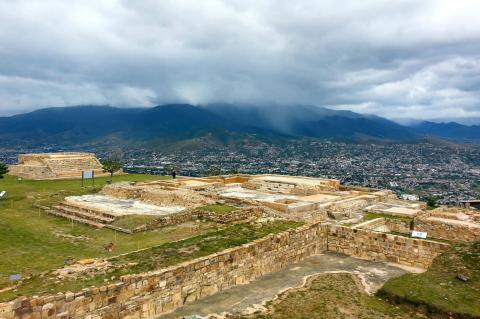
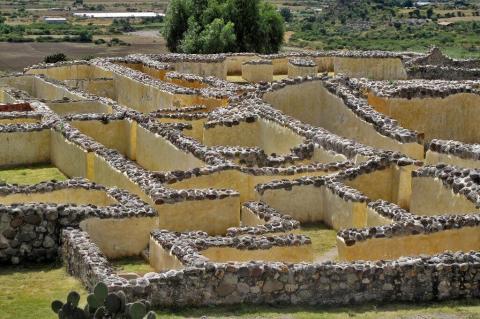
The influential indigenous cultures of Mesoamerica, the Zapotec and Mixtec civilizations, thrived in what is now Oaxaca, Mexico. The Zapotecs, one of the earliest complex societies, developed a sophisticated political and religious system, built impressive urban centers like Monte Albán, and created an early writing system. The Mixtecs gained prominence after the Zapotecs' decline and are known for their artistic achievements, codices, and intricate metalwork. Both left legacies that shaped Oaxaca's cultural landscape and continue to influence Indigenous communities today.

Tiwanaku: The Enigmatic Civilization of the Andean Highlands

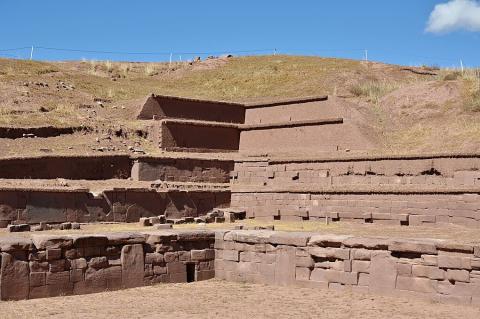
The Tiwanaku civilization, one of South America's most influential pre-Columbian cultures, flourished in the Andean highlands between approximately 500 and 1000 CE. Centered around the site of Tiwanaku, near the southern shore of Lake Titicaca in present-day Bolivia, this civilization developed a complex society marked by impressive stone architecture, advanced agricultural techniques, and far-reaching cultural influence.

Uncontacted Tribes: The Last Isolated Peoples of the Amazon

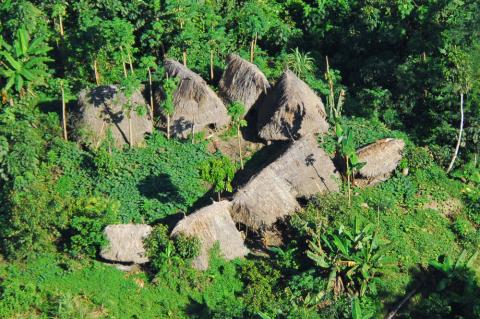
Deep within the vast and impenetrable rainforests of the Amazon Basin, Indigenous groups have chosen—or been forced—to live in isolation from the outside world. These uncontacted tribes, or "isolated peoples," are among the last societies on Earth without direct interaction with mainstream civilization. Their existence highlights the resilience of Indigenous cultures and the importance of preserving the Amazon's ecological and cultural heritage.