
The Gulf of California: Mexico's Sea of Marine Wonders
Known by many names—the Gulf of California, the Sea of Cortez, or the Vermilion Sea—this body of water, with its crystal-clear waters, abundant marine life, and complex geological history, stands as both a scientific treasure and an economic lifeline for the communities that depend on its resources.
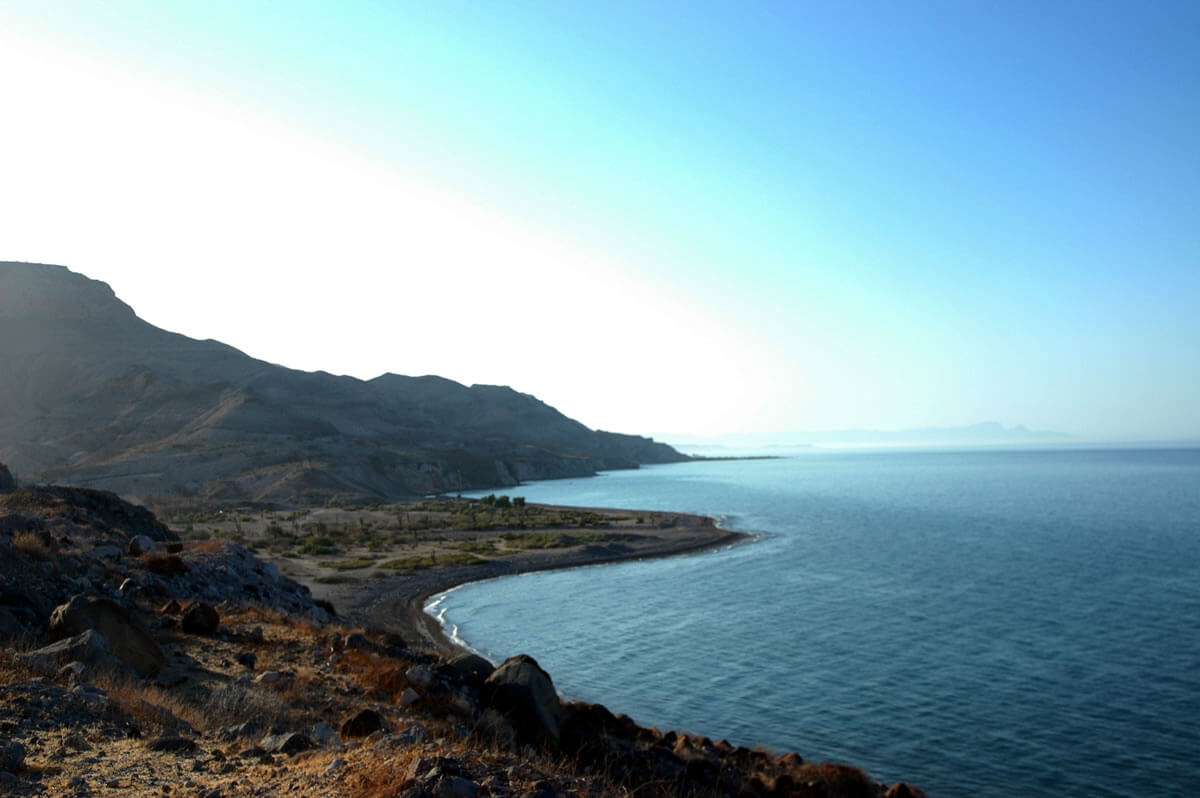
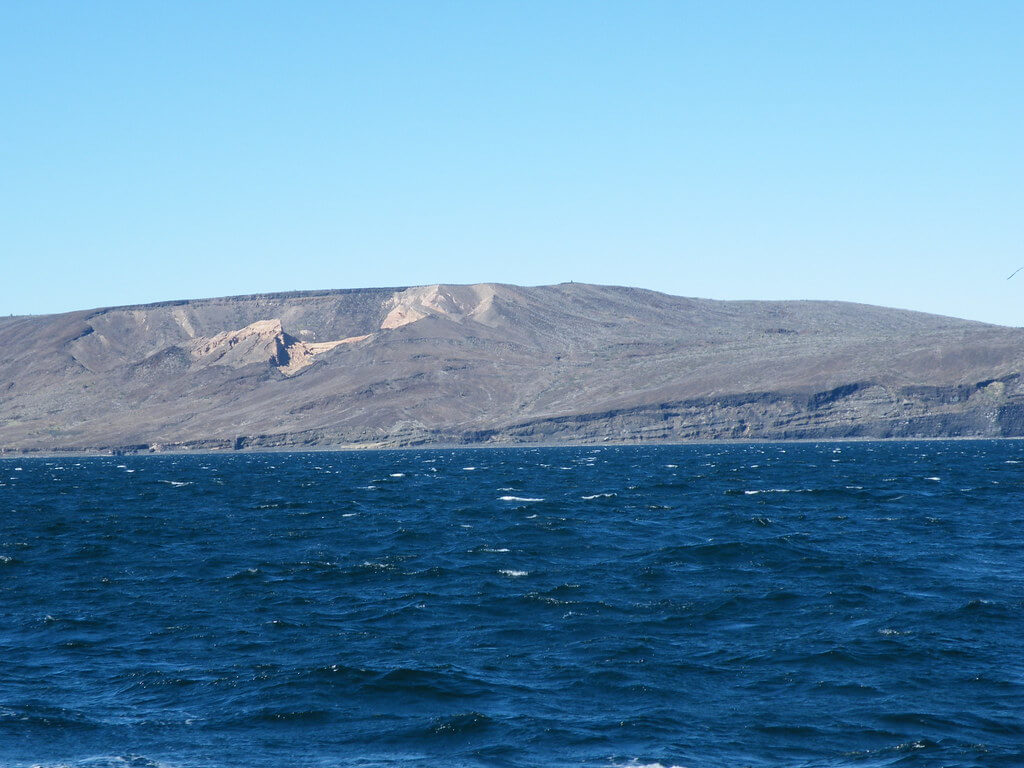
Between Peninsula and Mainland: The Rich Waters of the Gulf of California
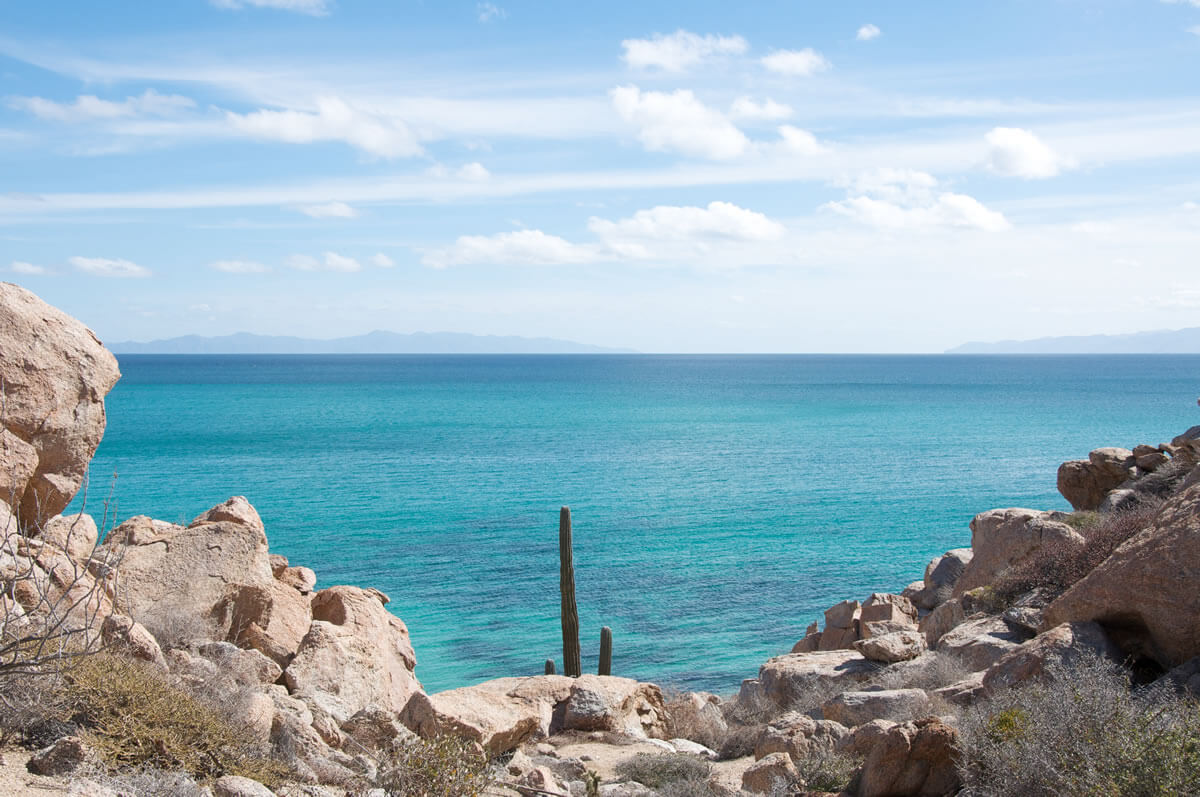
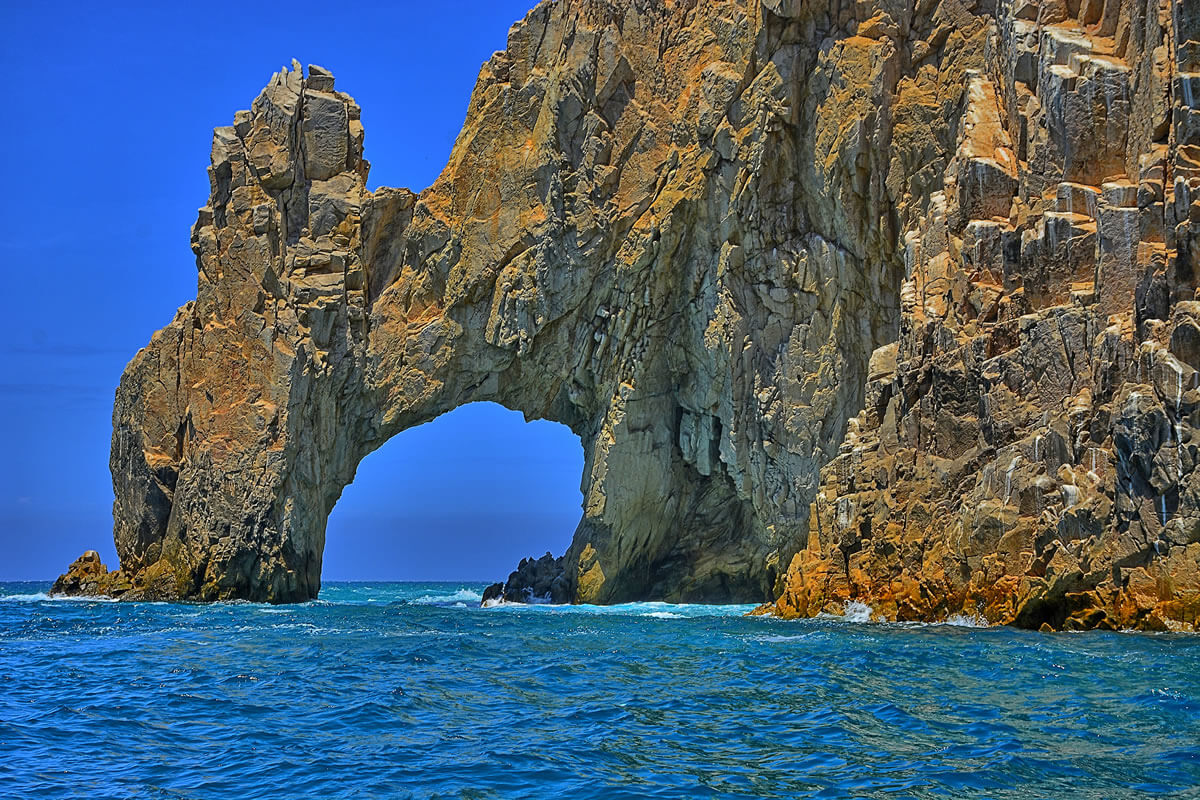
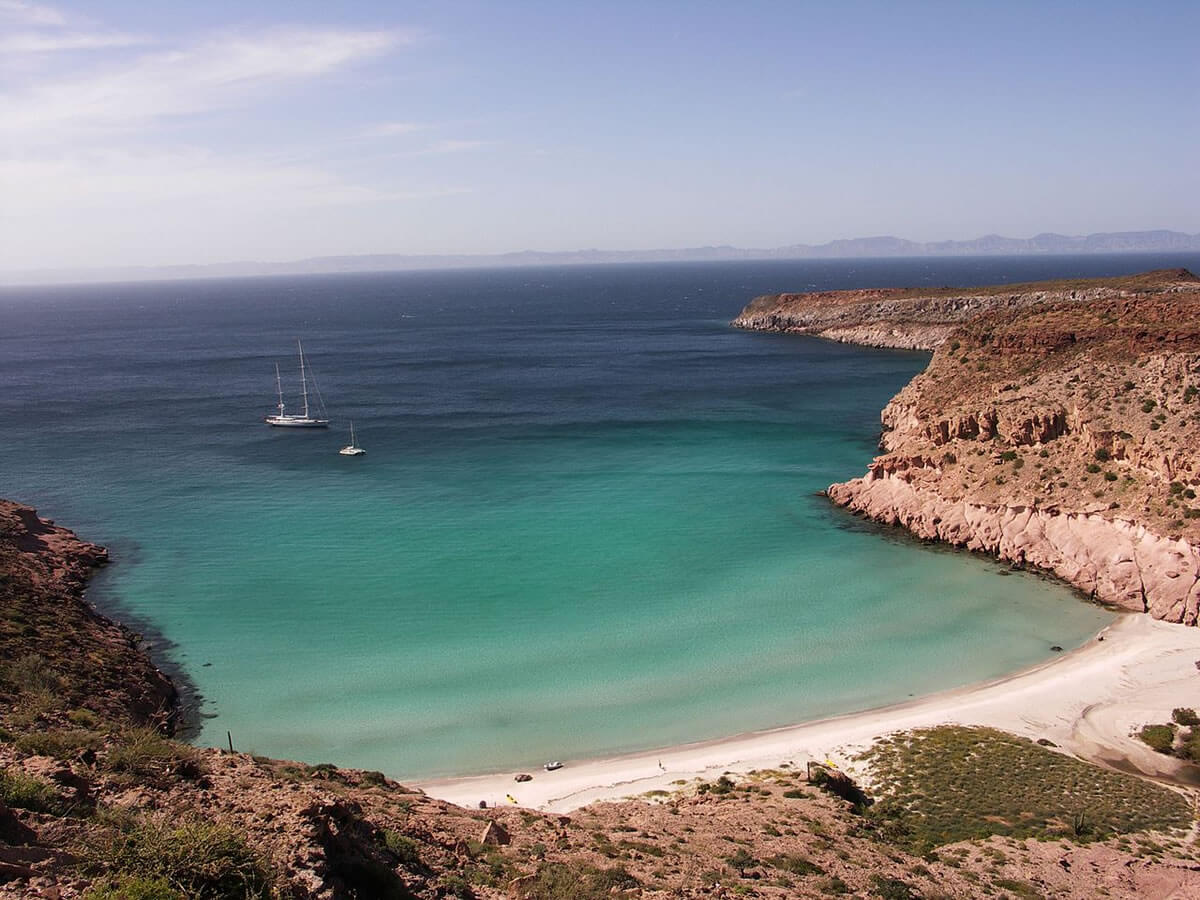
Known by many names—the Gulf of California, the Sea of Cortez, or the Vermilion Sea—this remarkable body of water represents one of Earth's most biologically diverse and geologically active marine environments. Nestled between the Baja California Peninsula and mainland Mexico, this marginal sea of the Pacific Ocean has earned recognition as a natural laboratory of evolution and a critical component of Mexico's marine heritage. With its crystal-clear waters, abundant marine life, and complex geological history, the Gulf of California stands as both a scientific treasure and an economic lifeline for the communities that depend on its resources.
Geographical Scope and Physical Characteristics
The Gulf of California stretches majestically for 1,200 kilometers (750 miles) from the Colorado River delta in the north to the southern tip of the Baja California Peninsula, where it opens into the Pacific Ocean. This elongated sea averages 153 kilometers (95 miles) in width, though this measurement varies considerably along its length, from narrow bottlenecks to broad expanses that resemble inland seas. With a surface area of approximately 160,000 square kilometers (62,000 square miles), the Gulf ranks among Mexico's largest and most significant bodies of water.
The Gulf's coastline encompasses roughly 4,000 kilometers (2,500 miles) of diverse marine environments, from protected bays and estuaries to dramatic cliffs and sandy beaches. This extensive shoreline includes portions of six Mexican states: Baja California, Baja California Sur, Sonora, Sinaloa, Nayarit, and Jalisco. Each coastal region contributes unique characteristics to the Gulf's overall ecosystem, creating a mosaic of marine habitats that support extraordinary biodiversity.
The physical geography of the Gulf creates distinct oceanographic zones that influence the distribution and behavior of marine life. The northern region, characterized by shallow waters and extensive tidal flats, experiences extreme tidal ranges that can exceed 9 meters (30 feet). These conditions create unique intertidal environments that support specialized plant and animal communities adapted to dramatic changes in water levels.
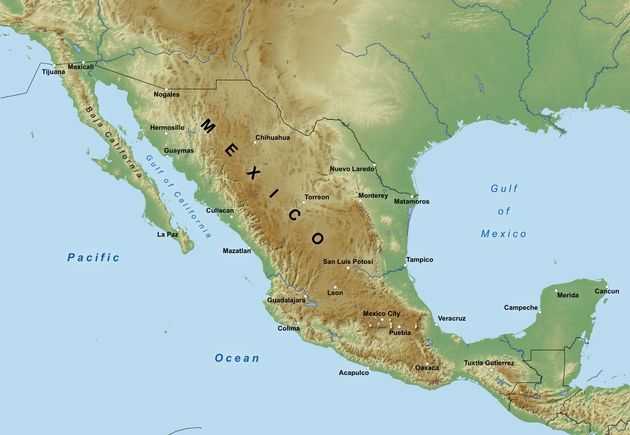
Physical map of Mexico.
Depth Variations and Underwater Topography
One of the Gulf of California's most fascinating aspects is its dramatic depth variations, which create diverse underwater landscapes and marine habitats. The northern portion maintains relatively shallow depths, averaging around 180 meters (590 feet), creating extensive shallow-water environments that support different types of marine communities than the deeper southern regions.
In stark contrast, the southern portion of the Gulf features some of the deepest waters in the eastern Pacific, with profound depressions exceeding 3,000 meters (9,800 feet). These abyssal depths create unique deep-sea environments that harbor specialized organisms adapted to high pressure, darkness, and limited food availability. The transition from shallow northern waters to deep southern basins creates a gradient of marine habitats that supports an extraordinary range of species.
Underwater ridge systems and seamounts throughout the Gulf create additional habitat complexity. These submerged features serve as oases for marine life, supporting coral reefs, fish aggregations, and feeding areas for larger marine animals. The rugged underwater topography, shaped by ongoing tectonic activity, provides numerous ecological niches that contribute to the Gulf's remarkable biodiversity.
The Gulf's unique bathymetry influences water circulation patterns, nutrient distribution, and seasonal changes that affect marine productivity. Deep-water upwelling brings nutrient-rich waters to the surface, supporting primary productivity that forms the base of complex food webs. This circulation system helps explain why the Gulf supports such abundant marine life despite being surrounded by arid desert landscapes.
River Systems and Freshwater Inputs
Several major river systems drain into the Gulf of California, each contributing freshwater, nutrients, and sediments that influence marine ecosystems. The Colorado River, historically the most significant freshwater source, once delivered massive volumes of water and sediment to the northern Gulf. However, extensive water diversions for agriculture and urban use have dramatically reduced the Colorado's flow, fundamentally altering the ecosystem dynamics of the upper Gulf.
Other important river systems include the Fuerte, Mayo, Sinaloa, Sonora, and Yaqui rivers, which drain the western slopes of the Sierra Madre Occidental. These rivers provide seasonal freshwater inputs that create estuarine conditions where freshwater mixes with saltwater. These mixing zones support unique plant and animal communities adapted to fluctuating salinity levels and serve as nursery areas for many marine species.
The seasonal nature of many river flows creates dynamic conditions in coastal areas. During wet seasons, increased freshwater flow brings terrestrial nutrients into marine systems, supporting increased productivity. Conversely, during dry periods, saltwater intrusion extends further inland, creating different ecological conditions that influence species distribution and behavior.
Wetland areas associated with river mouths provide critical habitat for resident and migratory species. Mangrove forests, salt marshes, and freshwater marshes create complex transitional zones that support both marine and terrestrial species. These areas serve as important breeding grounds, nurseries, and feeding areas for countless organisms.
Islands and Islets: Biodiversity Hotspots
The Gulf of California contains an extraordinary collection of 37 major islands and over 900 smaller islets, creating an archipelago system within the larger marine environment. These islands range from tiny rocky outcrops barely above water to substantial landmasses supporting diverse terrestrial ecosystems. Isla Ángel de la Guarda and Tiburón Island rank as the largest, each supporting unique plant and animal communities.
Many Gulf islands serve as critical breeding and nesting sites for seabirds, marine mammals, and sea turtles. The isolation provided by water barriers has allowed unique evolutionary processes to occur, resulting in numerous endemic species found nowhere else on Earth. Each island essentially functions as a natural laboratory where evolution has proceeded along unique pathways.
The islands' geological diversity reflects the Gulf's complex formation history. Some islands represent uplifted seafloor sediments, others are volcanic in origin, and still others consist of ancient crystalline rocks. This geological variety creates different soil types and topographies that support diverse plant communities, from desert succulents to tropical dry forests.
Seabird colonies on Gulf islands represent some of the most spectacular wildlife concentrations in North America. Brown pelicans, blue-footed boobies, frigatebirds, and numerous other species nest in massive colonies that can number in the thousands. These colonies play crucial roles in marine ecosystem functioning, transferring nutrients from marine to terrestrial environments through guano deposits.
Marine Biodiversity: An Ocean Oasis
The Gulf of California's reputation as one of the world's most biologically diverse seas is well-deserved. Scientific surveys have documented over 5,000 species of micro-invertebrates alone, representing an astonishing diversity of microscopic life forms that form the foundation of marine food webs. This extraordinary microbial and invertebrate diversity supports complex ecosystems that include some of the world's most charismatic marine species.
The Gulf supports approximately 900 species of fish, ranging from colorful reef species to massive pelagic predators. Coral reefs, although less extensive than those found in tropical regions, provide critical habitat for numerous fish species and contribute significantly to the Gulf's overall biodiversity. Rocky reefs and kelp forests create additional three-dimensional habitat structures that support complex fish communities.
Large marine vertebrates find sanctuary in Gulf waters, including numerous whale and dolphin species. Blue whales, the largest animals ever to exist on Earth, feed in Gulf waters during certain seasons. Gray whales migrate through the Gulf to reach protected breeding lagoons along the Pacific coast of Baja California. The Gulf also supports populations of sperm whales, pilot whales, and various dolphin species, each playing important roles in marine ecosystem functioning.
The critically endangered vaquita marina, the world's smallest marine mammal, exists only in the northern Gulf of California. This tiny porpoise has become a symbol of conservation urgency, as its population has declined dramatically due to accidental capture in fishing nets. Intensive conservation efforts continue in hopes of preventing the species' extinction.
Marine turtles, including loggerhead, green, hawksbill, and olive ridley turtles, use Gulf waters for feeding, mating, and migration. These ancient mariners face numerous threats but remain an important component of Gulf ecosystems. Sea turtle conservation programs work throughout the region to protect nesting beaches and reduce mortality from human activities.
Geological Formation and Tectonic Activity
The Gulf of California's geological story represents one of the most fascinating examples of active continental rifting on Earth. Scientific evidence indicates that the Gulf began forming approximately 5.3 million years ago when tectonic forces began separating the Baja California Peninsula from mainland Mexico. This rifting process continues today, making the Gulf one of the world's youngest seas.
The Gulf sits along the tectonic boundary between the Pacific Plate and the North American Plate, creating a complex system of faults, ridges, and transform zones. This active tectonic setting generates frequent seismic activity, including earthquakes and volcanic eruptions that continue to shape the region's landscape. The East Pacific Rise extends into the southern Gulf, creating new oceanic crust through volcanic activity.
Transform faults throughout the Gulf create the characteristic elongated basins separated by underwater ridges. These tectonic features influence water circulation patterns, create habitat diversity, and contribute to the Gulf's unique oceanographic characteristics. The ongoing spreading creates a distinctive "pull-apart" basin structure that continues to evolve.
Volcanic activity associated with the Gulf's formation has created numerous underwater volcanoes and volcanic islands. These volcanic features contribute to the region's geological complexity and create unique habitats for marine life. Some volcanic areas host hydrothermal vents that support specialized communities of organisms adapted to extreme conditions.
The Gulf's geological youth helps explain its remarkable biodiversity. The relatively recent separation of the Baja California Peninsula created new marine environments where evolutionary processes could proceed rapidly. This dynamic geological setting continues to create new ecological opportunities and challenges for marine life.
Economic Importance and Fisheries
The Gulf of California serves as Mexico's most important fisheries region, supporting both commercial and recreational fishing industries that provide livelihoods for thousands of people. Commercial fisheries target numerous species, with shrimp representing the most valuable catch. Gulf shrimp fisheries produce several species of high-quality shrimp that are exported internationally and consumed throughout Mexico.
Sardine fisheries have historically been enormously important, with massive schools supporting canneries and fish meal production. However, sardine populations fluctuate dramatically due to oceanographic cycles, creating boom-and-bust periods that affect fishing communities. Giant squid (Humboldt squid) fisheries have emerged as increasingly important, with these aggressive predators supporting both commercial and artisanal fisheries.
Tuna fishing in Gulf waters attracts both commercial vessels and sport fishing enthusiasts. Yellowfin tuna, skipjack tuna, and other species support significant fisheries, while billfish species like marlin and sailfish attract recreational anglers from around the world. Sport fishing represents an important component of the regional tourism industry.
Traditional small-scale fisheries continue to play vital roles in coastal communities throughout the Gulf. Artisanal fishers target numerous species using traditional methods, often focusing on local markets and seasonal opportunities. These fisheries provide both economic benefits and cultural continuity for coastal communities.
Aquaculture has become increasingly important in Gulf waters, with shrimp farming, oyster culture, and fish farming operations contributing to regional economies. However, aquaculture development must balance economic benefits with environmental protection to maintain ecosystem health.
Tourism and Recreation
The Gulf of California's natural beauty and abundant marine life attract visitors from around the world, making tourism a crucial economic sector for the region. The combination of pristine waters, dramatic landscapes, and diverse wildlife creates opportunities for numerous forms of recreational activity.
Sportfishing represents one of the most important tourism sectors, with anglers traveling from across North America to fish the Gulf waters. The region's reputation for excellent fishing, particularly for billfish, tuna, and other game fish, supports charter boat industries, resorts, and related services in numerous coastal communities.
Whale watching has become increasingly popular as visitors seek opportunities to observe the Gulf's remarkable marine mammals. Gray whale watching in breeding lagoons, blue whale encounters in deep waters, and dolphin watching throughout the Gulf provide unforgettable experiences for nature enthusiasts.
Diving and snorkeling tourism takes advantage of the Gulf's clear waters and diverse marine life. Coral reefs, rocky reefs, seamounts, and shipwrecks provide excellent underwater experiences for divers of all skill levels. Marine parks and protected areas offer particularly pristine diving opportunities.
Coastal tourism encompasses beach recreation, desert exploration, and cultural experiences in fishing villages and coastal towns. The contrast between desert landscapes and marine environments creates unique tourism opportunities not found elsewhere. Kayaking, sailing, and other water sports take advantage of the Gulf's generally calm conditions and spectacular scenery.
Eco-tourism has grown as visitors seek authentic natural experiences and educational opportunities. Research stations, marine parks, and conservation organizations offer programs that allow visitors to learn about Gulf ecosystems while contributing to conservation efforts.
Conservation Efforts and UNESCO Recognition
Recognition of the Gulf of California's exceptional value led to the establishment of the "Islands and Protected Areas of the Gulf of California" UNESCO World Heritage Site. This designation acknowledges the international significance of protecting this unique marine ecosystem and promotes conservation efforts throughout the region.
The World Heritage Site encompasses numerous protected areas, including national parks, biosphere reserves, marine protected areas, and wildlife refuges. These protected areas safeguard critical habitats, breeding sites, and migration corridors essential for maintaining Gulf biodiversity. The designation also promotes sustainable tourism and fishing practices.
Marine protected areas throughout the Gulf restrict fishing and other extractive activities in critical habitats, allowing ecosystems to function naturally and providing refugia for overfished species. These areas serve as sources of larvae and adults that can repopulate surrounding areas, benefiting both conservation and fisheries.
Species-specific conservation programs target the Gulf's most endangered species, particularly the vaquita marina. International cooperation and funding support research, monitoring, and protection efforts designed to prevent extinctions and restore threatened populations.
Sustainable fishing initiatives work with fishing communities to develop practices that maintain fish populations while supporting local economies. These programs often involve fishers as partners in research and monitoring efforts, recognizing their knowledge and dependence on healthy marine ecosystems.
Environmental Challenges and Threats
Despite its protected status and conservation efforts, the Gulf of California faces numerous environmental challenges that threaten its ecological integrity. Climate change impacts include rising water temperatures, ocean acidification, and changing weather patterns that affect the distribution and productivity of marine life.
Overfishing remains a significant concern, with several commercially important species showing signs of population decline. Illegal fishing, particularly for species like totoaba (whose swim bladders are valuable in Asian markets), threatens not only target species but also endangered species like vaquita that are accidentally captured.
Pollution from agricultural runoff, urban development, and industrial activities affects water quality and the health of marine life. Plastic pollution has become increasingly problematic, with aquatic animals ingesting or becoming entangled in plastic debris. Chemical contaminants can accumulate in marine food webs, affecting species at all levels.
Coastal development pressure, particularly for tourism infrastructure, can destroy critical habitats and alter natural coastal processes. Wetland destruction, mangrove clearing, and beach modification affect species that depend on these transitional environments.
Water diversions from rivers that naturally flow into the Gulf reduce freshwater inputs and alter estuarine conditions. The dramatic reduction in Colorado River flow has fundamentally changed the northern Gulf's ecosystem, demonstrating how human activities far from the coast can affect marine environments.
Research and Scientific Significance
The Gulf of California serves as a natural laboratory for marine science research, attracting scientists from around the world to study its unique ecosystems and evolutionary processes. The Gulf's geological youth, tectonic activity, and isolation have created conditions that allow researchers to study evolutionary and ecological processes that might take much longer to observe elsewhere.
Marine research stations throughout the Gulf provide platforms for ongoing scientific studies. These facilities support research on topics ranging from marine biodiversity and ecology to geology and oceanography. International collaboration enhances research capabilities and promotes information sharing.
The Gulf's role as a speciation center makes it particularly valuable for evolutionary biology research. The high levels of endemism and ongoing geological activity provide opportunities to study how species evolve and adapt to changing environments. These studies contribute to a broader understanding of evolutionary processes and biodiversity conservation.
Climate change research in the Gulf contributes to global understanding of how marine ecosystems respond to changing conditions. Long-term monitoring programs track changes in temperature, acidity, species distributions, and ecosystem productivity that inform climate science and conservation planning.
Fisheries research in the Gulf provides information essential for the sustainable management of marine resources. Studies of fish population dynamics, ecosystem relationships, and fishing impacts inform management decisions and conservation strategies.
Conclusion
The Gulf of California stands as one of Earth's most remarkable marine environments, combining exceptional biodiversity, unique geological features, and critical economic importance. Its designation as a UNESCO World Heritage Site reflects international recognition of its global significance and the need for its protection. From the tiny vaquita marina to massive blue whales, from colorful coral reefs to abyssal depths, the Gulf encompasses marine wonders that inspire both scientific inquiry and conservation action.
The future of the Gulf of California depends on balancing human needs with ecosystem protection. Sustainable fishing practices, responsible tourism development, effective pollution control, and climate change mitigation will all play crucial roles in maintaining the Gulf's health and productivity. International cooperation, scientific research, and community involvement provide the foundation for conservation efforts that can ensure this marine treasure remains intact for future generations.
As a living laboratory of evolution, a critical economic resource, and a source of natural beauty, the Gulf of California exemplifies the interconnections between geological processes, ecological systems, and human societies. Its story continues to unfold, shaped by the same dynamic forces that created this extraordinary sea and the ongoing efforts of those committed to its protection and sustainable use.