
Oaxaca and Monte Albán: A Journey Through Mesoamerican and Colonial History
The Historic Center of Oaxaca and the Archaeological Site of Monte Albán, a UNESCO World Heritage Site since 1987, span over 1,500 years of Mexican history — from the Zapotec mountaintop capital and its Danzantes carvings, through a Mixtec tomb holding one of the richest treasure troves found anywhere in the pre-Columbian Americas, to the colonial city of Oaxaca de Juárez, still alive today with festivals and traditions rooted in both civilizations.

Monte Albán and Oaxaca: Danzantes, Tombs, and a City Built Twice
Nestled in the heart of Mexico's Oaxaca Valley, the Historic Center of Oaxaca and the Archaeological Site of Monte Albán form a UNESCO World Heritage Site embodying over 1,500 years of history, culture, and architectural brilliance. These two distinct yet interconnected locations offer a window into Mesoamerica's pre-Hispanic civilizations, notably the Zapotec and Mixtec, and the enduring legacy of Spanish colonial urban planning.
Monte Albán, with its grand ceremonial centers, terraces, and pyramids, stands as a testament to the ingenuity of ancient Mesoamerican civilizations. The nearby city of Oaxaca de Juárez showcases the blending of Indigenous and colonial heritage in its carefully planned streets and majestic architecture. Together, these sites preserve and reflect the region's rich history.
The Rise and Flourish of Monte Albán
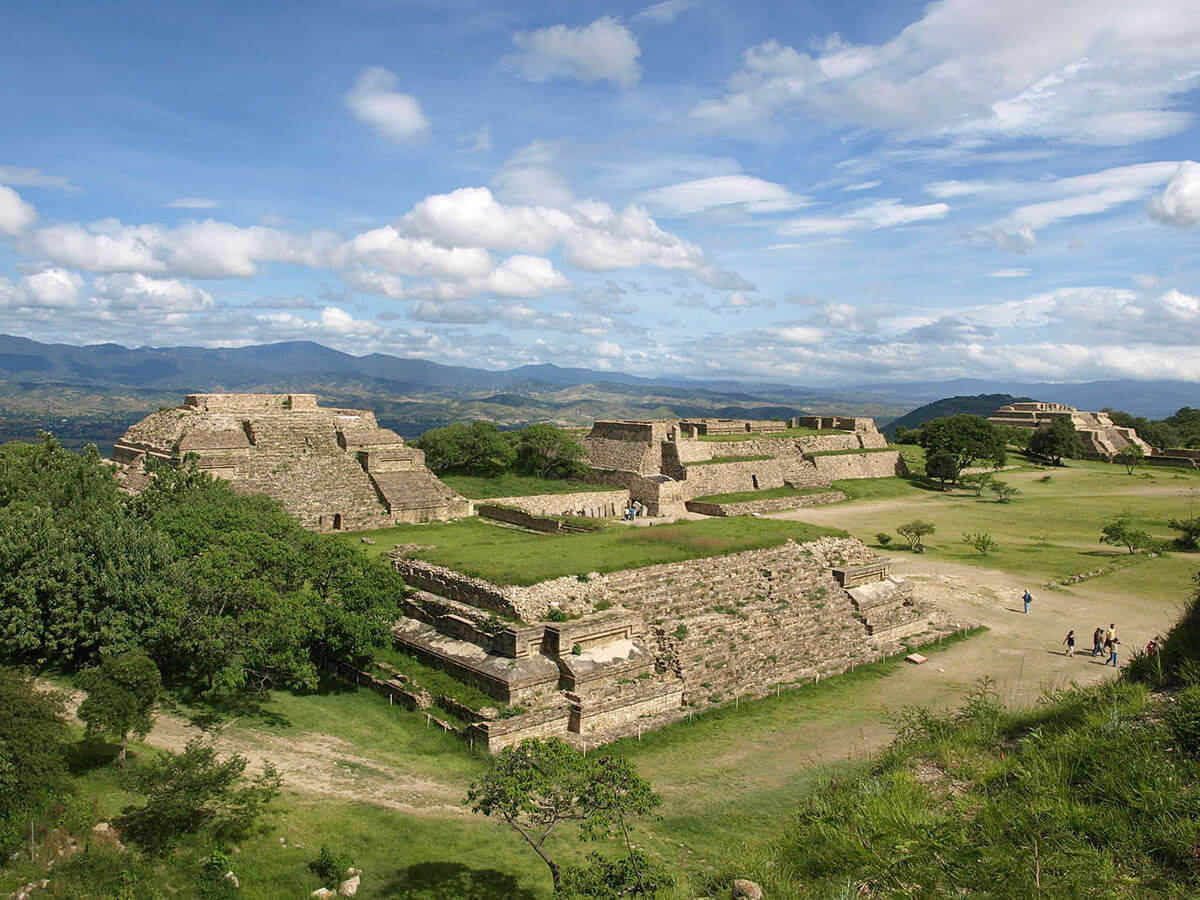
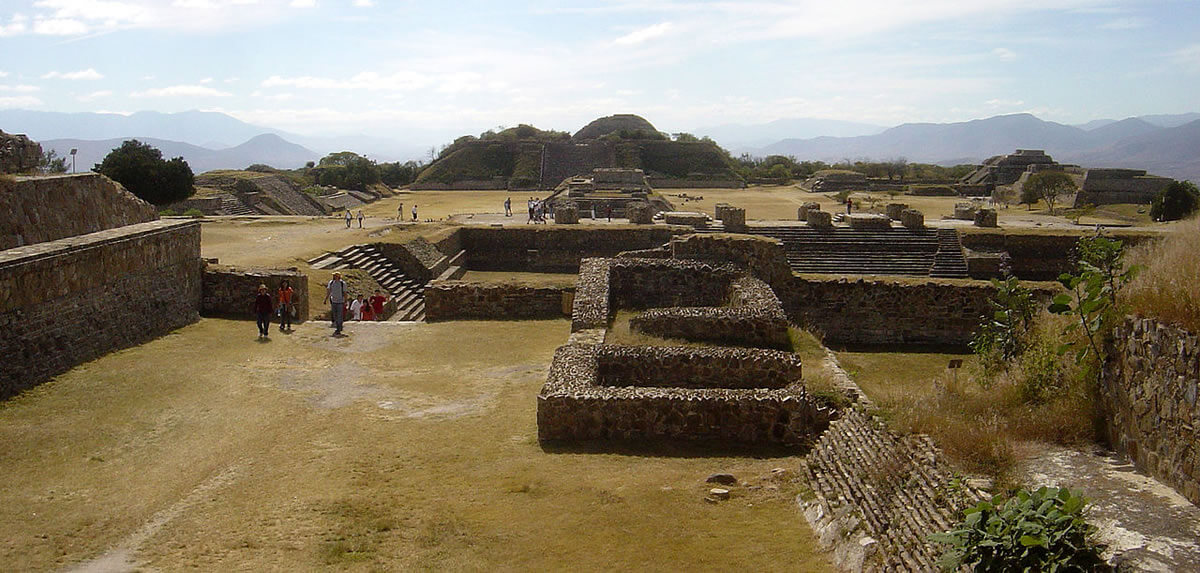
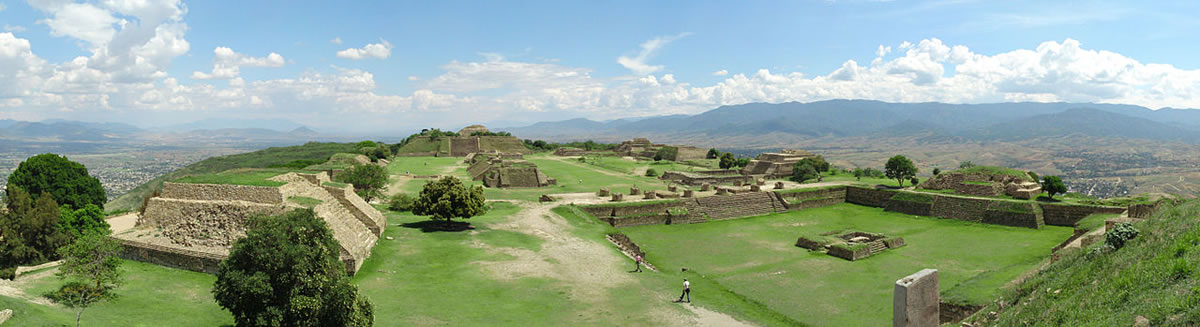
Monte Albán, perched atop an artificially leveled mountain in the Oaxaca Valley, served as the political, cultural, and religious center of the Zapotec civilization for over a millennium. Around 500 BCE, the site was founded, likely through the coordinated effort of several existing valley communities, including San José Mogote, the largest and most powerful settlement in the valley up to that point, whose population appears to have relocated to the new mountaintop capital as part of its founding. From this beginning, Monte Albán grew into a city of perhaps 25,000 to 35,000 inhabitants at its height, one of the largest urban centers anywhere in Mesoamerica during the Classic period, before its gradual decline and abandonment around 850 CE. Throughout its long history, the city became renowned for its urban planning, monumental architecture, and artistic achievements, many of which remain visible today.
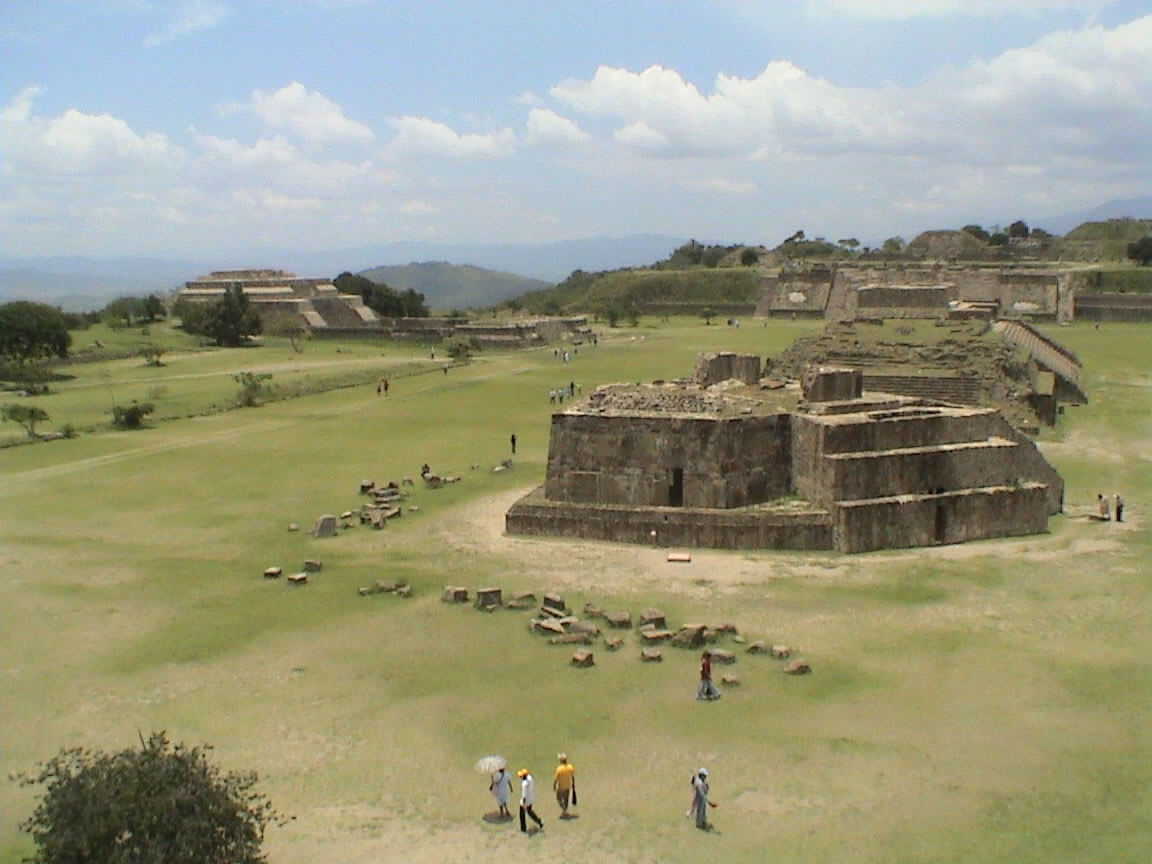
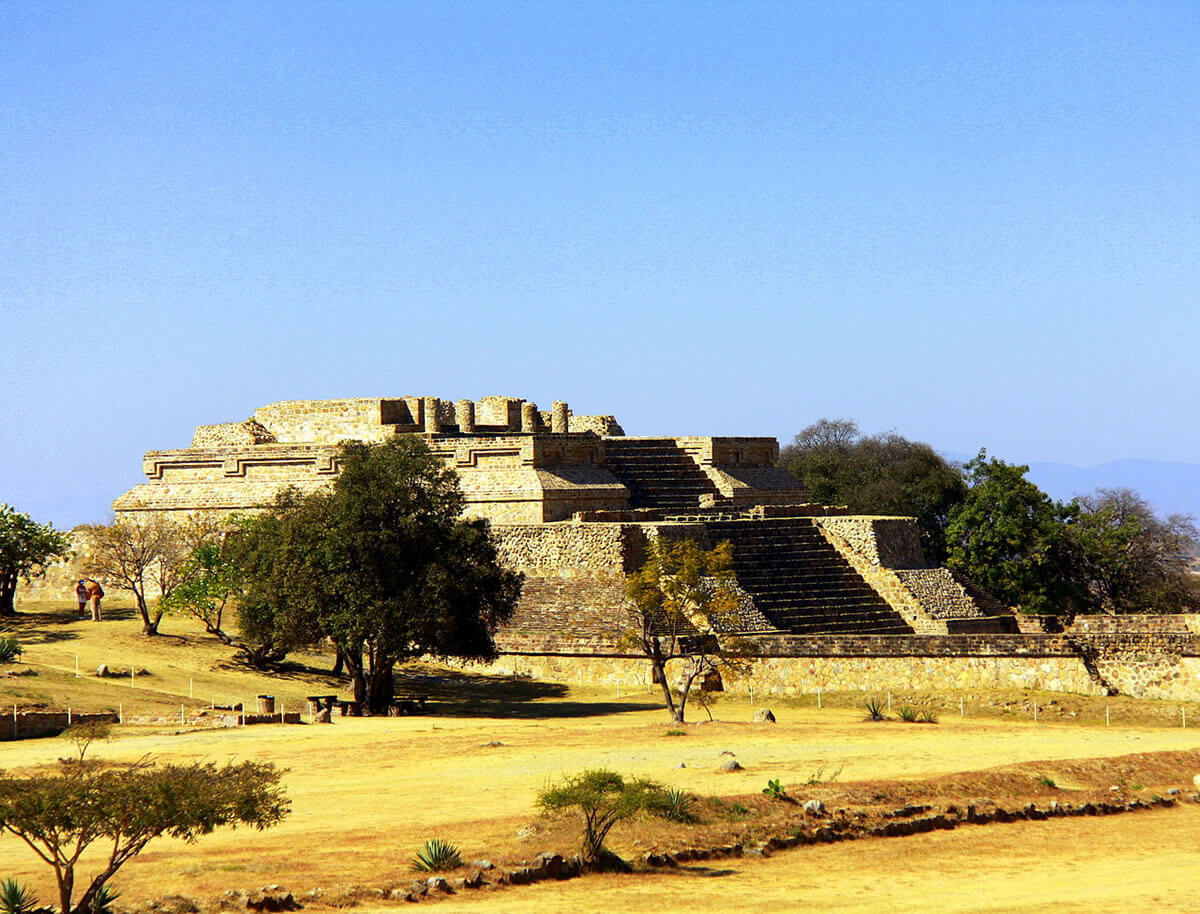
Monte Albán's construction is nothing short of remarkable. The site was carefully designed and carved directly out of the mountain, with terraces, dams, canals, and pyramids dominating the landscape. Its ceremonial center features a 300-meter (984-ft) esplanade, bordered by platforms and structures that once housed temples, ball courts, and tombs. Monte Albán's north-south axis is a marvel of Mesoamerican urban design, its layout reflecting a sophisticated understanding of astronomy, architecture, and social organization.
The Danzantes: Mesoamerica's Earliest Monumental Carvings
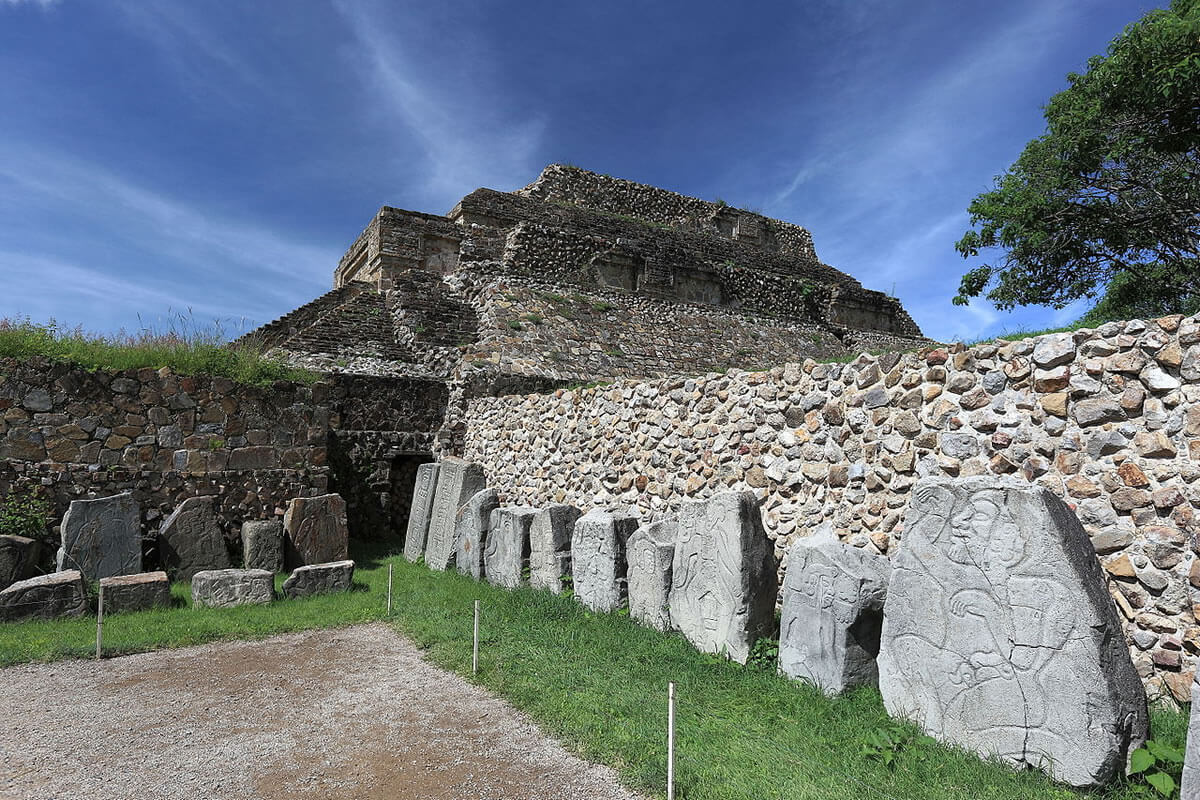
Among Monte Albán's earliest and most striking works of art are the Danzantes, more than 300 carved stone slabs, some dating to the site's very founding around 500 BCE, depicting contorted human figures in twisted, often unnatural poses. Early 20th-century archaeologists named them "dancers" for their fluid, active postures, but most scholars today interpret them instead as depictions of sacrificed war captives, some showing what appear to be closed eyes, open mouths, and markings consistent with mutilation, possibly serving as a public record and warning of Monte Albán's military dominance over rival settlements in the valley. Whatever their exact meaning, the Danzantes rank among the earliest monumental stone carvings anywhere in Mesoamerica, predating comparable Maya sculptural traditions by centuries, and many of the best-preserved examples are now displayed at the site's on-location museum.
Monte Albán's Sacred Landscape
The significance of Monte Albán extends beyond its architectural grandeur; the site also holds deep spiritual and cultural meaning. The mountain and its structures symbolized sacred topography, where the Zapotecs, and later the Mixtecs, conducted religious ceremonies, celebrated their rulers, and memorialized their ancestors. Bas-reliefs and hieroglyphic inscriptions found at the site provide insight into the region's early written language, documenting important events and the accomplishments of its leaders.
Over time, Monte Albán evolved through five distinct phases of construction and urbanization. Monte Albán I (500-100 BCE) established the city's initial layout and produced the Danzantes carvings described above. Monte Albán II (100 BCE-200 CE) saw the development of terraces and hydraulic systems that allowed for greater agricultural production and control of the surrounding environment. Monte Albán III (200-700 CE) marked the city's height, with the construction of most of the monumental architecture visible in the main plaza today. The later phases, IV and V (roughly 700-1521 CE), marked the site's transformation into a fortified town under increasing regional competition, and eventually its reuse by the Mixtec after Zapotec political control receded.
That later Mixtec reuse produced one of the most significant archaeological discoveries in the Americas. In 1932, Mexican archaeologist Alfonso Caso excavated Tomb 7, a Zapotec-built tomb that Mixtec nobility had reopened and reused for their own royal burial centuries after its original construction. Inside, Caso found an extraordinary trove of funerary offerings: gold jewelry, carved jaguar-bone implements, turquoise mosaics, and hundreds of jade, pearl, and rock-crystal ornaments, together forming one of the richest caches of pre-Columbian treasure ever recovered anywhere in the Americas. The find offers direct physical evidence of the cultural transition the site as a whole represents, from Zapotec capital to a sacred site still considered worthy of royal burial by the Mixtec centuries later.
A City Built on Ancient Foundations
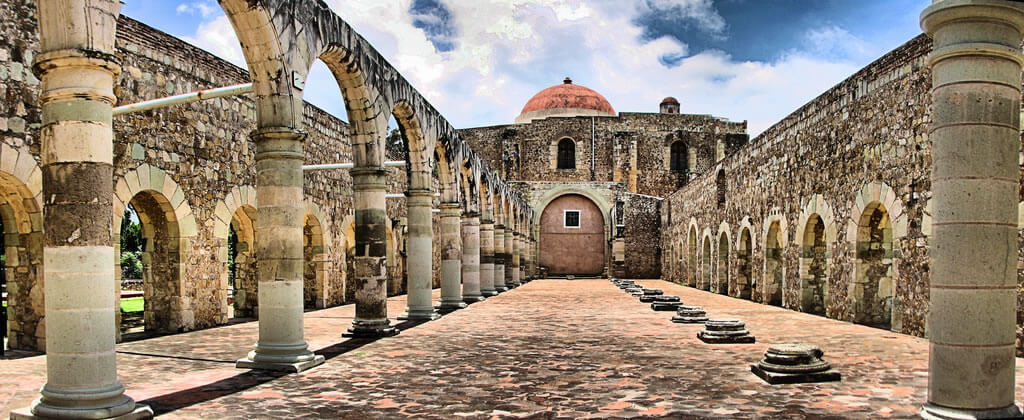
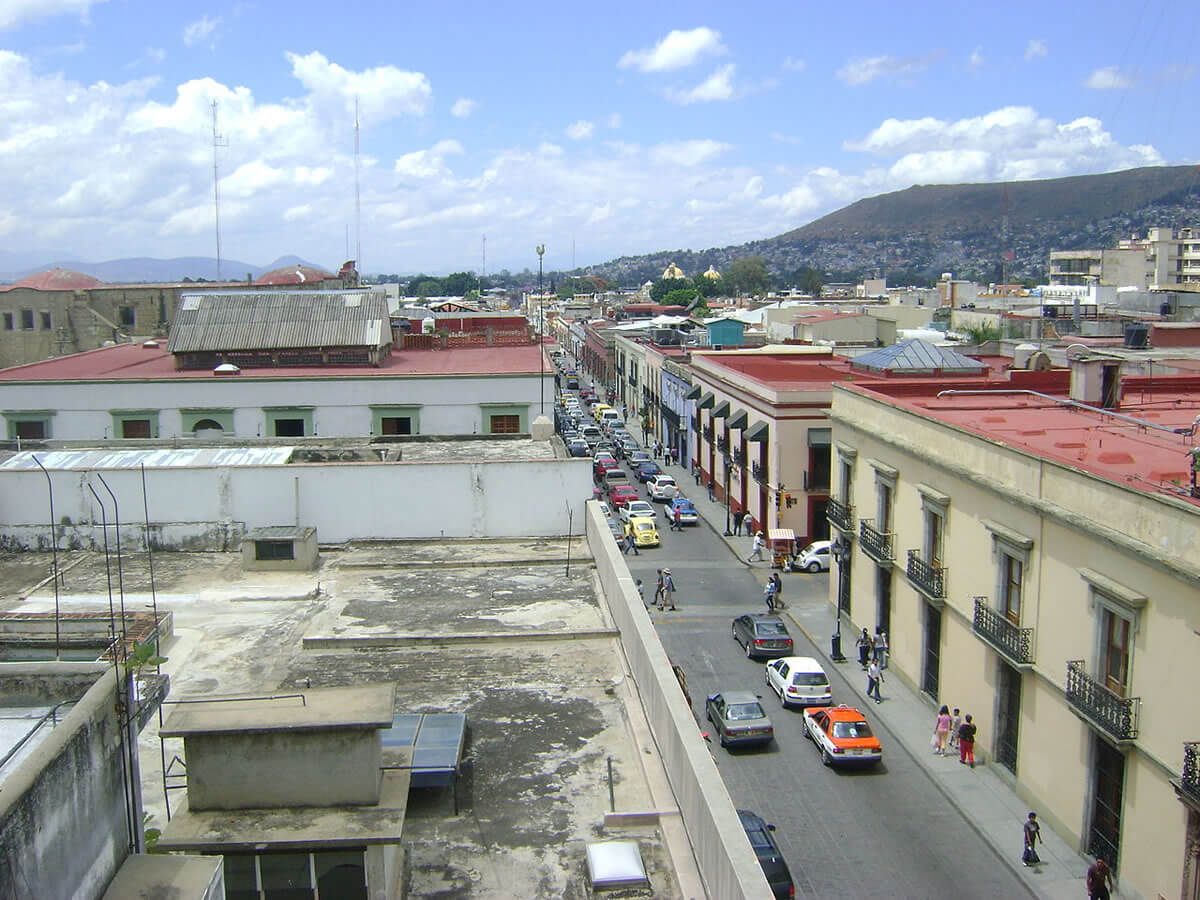
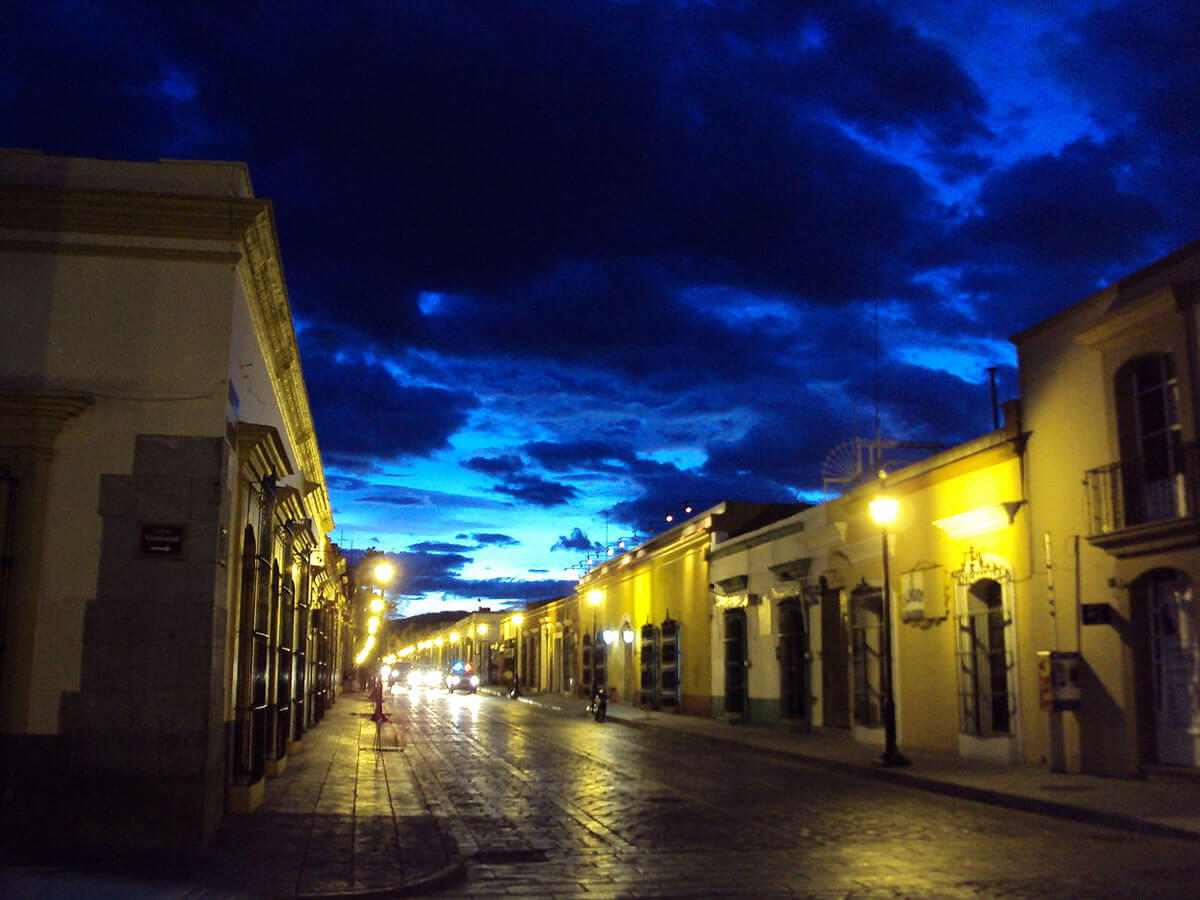
Located just a short distance from Monte Albán, the city of Oaxaca de Juárez (formerly Antequera) was founded in 1529 by Spanish colonists. Constructed on the remnants of a Zapotec settlement, Oaxaca's grid-based design is a quintessential example of Spanish colonial town planning. The city's streets were laid out in a checkerboard pattern, with a central plaza at its heart serving as the focal point for political, social, and religious life.
Oaxaca's design took advantage of the region's natural geography, situated between the Jalatlaco, Atoyac, and Fortín rivers. The city's orientation was carefully planned to account for the effects of sunlight and the area's latitude, ensuring the urban environment was both functional and aesthetically pleasing.
Architectural Heritage and Resilience
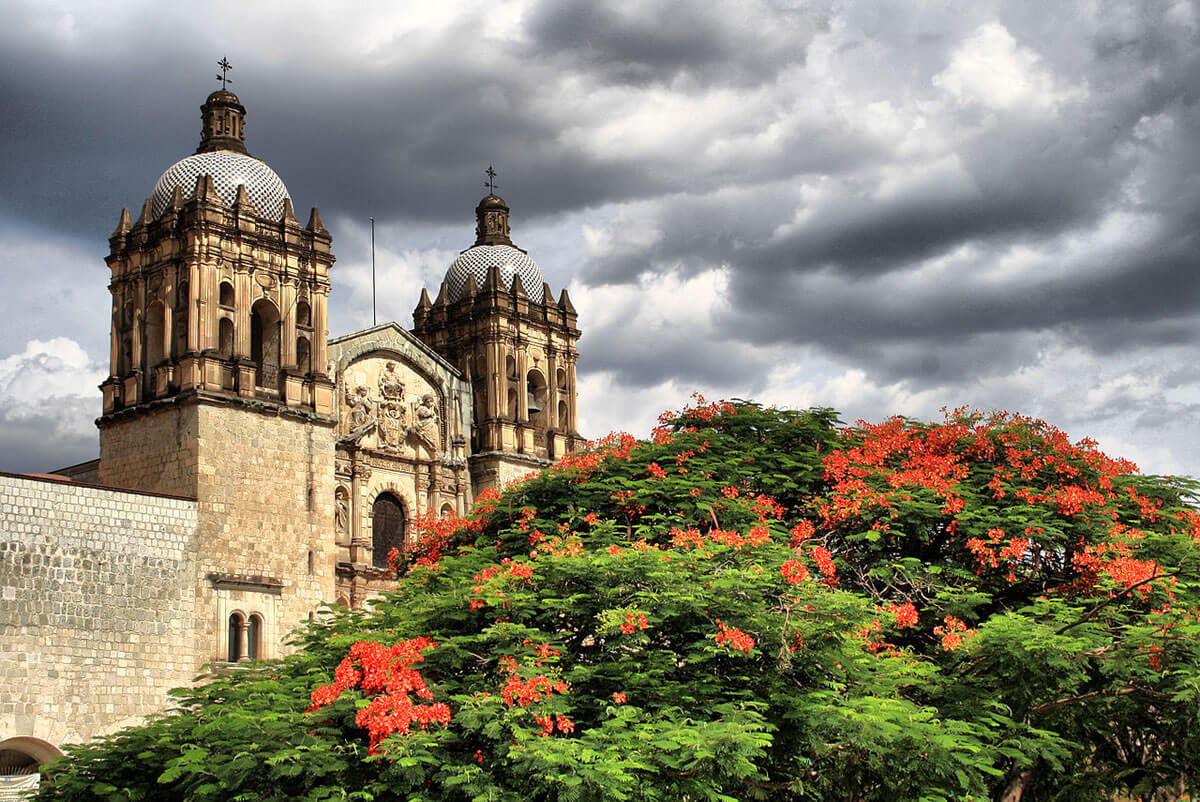
Oaxaca's architectural legacy is characterized by robust, earthquake-resistant buildings constructed to withstand the region's seismic activity. Thick stone walls, low-rise structures, and finely detailed facades define the city's skyline, showcasing a blend of Indigenous building techniques and Spanish colonial style. The city's monumental churches, including the Cathedral of Oaxaca and the Church of Santo Domingo, exemplify the fusion of European Baroque architecture with local artistic tradition.
The city has preserved its colonial character through the conservation of over 1,200 historic monuments, including ornate townhouses, religious buildings, and entire streets of well-preserved architecture, a testament to more than four centuries of cultural tradition, artistry, and resilience in the face of natural disaster.
A Living Culture
Oaxaca's cultural vibrancy is inseparable from its mestizo and Indigenous population, who continue to practice ancestral customs and maintain rich traditions of craftsmanship, cuisine, and celebration. Each July, the city hosts the Guelaguetza, one of Mexico's largest and most significant Indigenous cultural festivals, in which delegations from across Oaxaca's diverse regions and ethnic groups — Zapotec, Mixtec, and several others — gather to perform traditional dances and music in elaborate regional dress, a modern continuation of pre-Hispanic harvest and tribute ceremonies adapted over centuries of colonial and post-colonial history.
Oaxacan cuisine, widely regarded as one of Mexico's most distinctive regional culinary traditions, reflects this same layered heritage: mole negro, a complex sauce built from dozens of ingredients including multiple varieties of dried chile and chocolate, tlayudas, large grilled tortillas piled with beans, cheese, and meat, and mezcal, the smoky agave spirit distilled throughout the surrounding valley, have all become recognized internationally as signature products of the region.
A Meeting Point of Civilizations
The Historic Center of Oaxaca and Monte Albán are united not only by their geographic proximity but also by their shared cultural significance. Together, these sites illustrate the confluence of ancient Mesoamerican civilizations and Spanish colonialism, a relationship that has shaped the region's identity. While Monte Albán represents the pinnacle of Zapotec and Mixtec civilization, Oaxaca de Juárez is a living reminder of colonialism's enduring legacy and the blending of Indigenous and European tradition.
In 1987, the Historic Center of Oaxaca and the Archaeological Site of Monte Albán were inscribed as a UNESCO World Heritage Site, recognizing their outstanding universal value. Protecting these sites ensures the preservation of their historical, cultural, and architectural integrity for future generations. As a World Heritage Site, they continue to attract scholars, tourists, and historians seeking to understand the region's profound historical significance.
Conclusion
The Historic Center of Oaxaca and Monte Albán are extraordinary monuments to Mexico's rich cultural heritage. From the ancient ceremonial heart of Monte Albán, where the Zapotecs built their sacred city, and the Mixtecs later returned to bury their nobility among its tombs, to the bustling colonial streets and living festivals of Oaxaca de Juárez, these sites offer an immersive journey through time. They capture the essence of human ingenuity, resilience, and the harmonious relationship between culture and environment, a reminder of the shared history between ancient Mesoamerican civilizations and the Spanish colonial presence, one that continues to be celebrated in the streets of Oaxaca every year.