
Tijuca National Park: Rio's Replanted Forest
Tijuca National Park covers 39.6 km² (15.3 sq mi) of replanted Atlantic Forest above Rio de Janeiro, with Christ the Redeemer, Pico da Tijuca, and 4.9 million visitors in 2025. This article covers its 19th-century restoration, the rewilding of lost animals, and the pressures of fire and tourism.

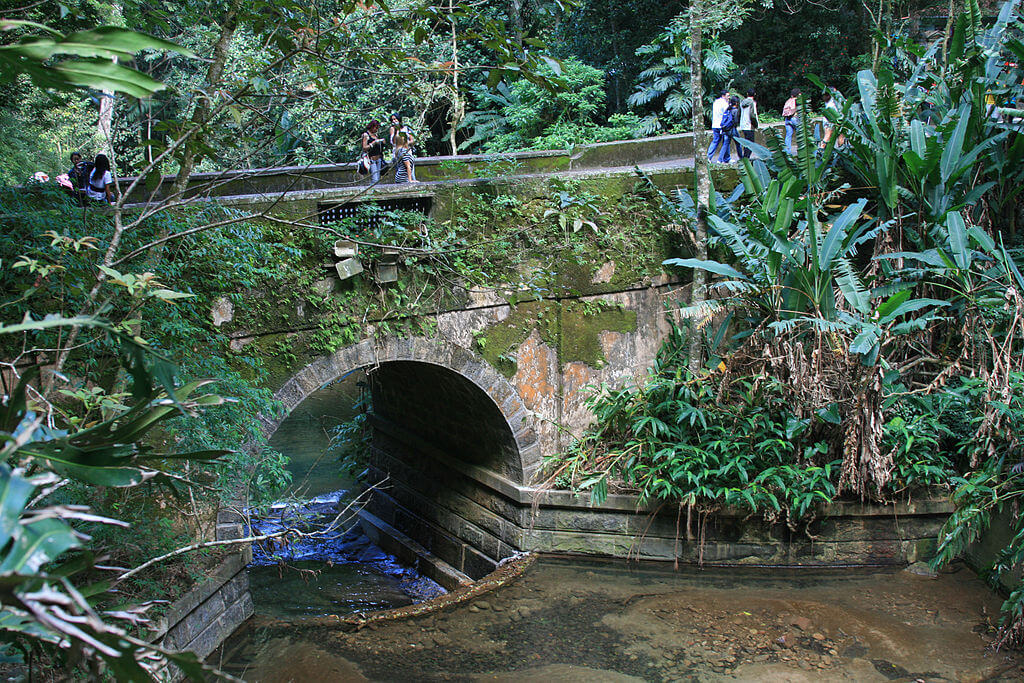
Tijuca National Park: The Rainforest the City Rebuilt
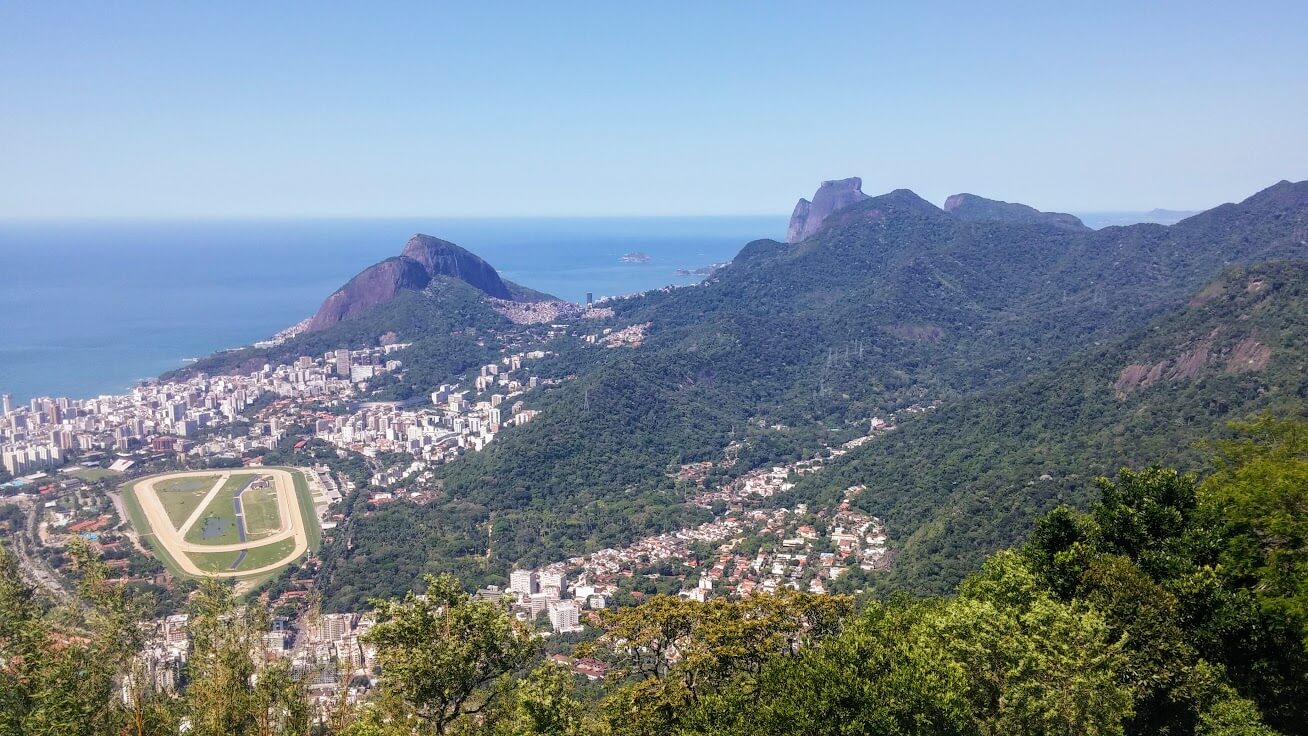
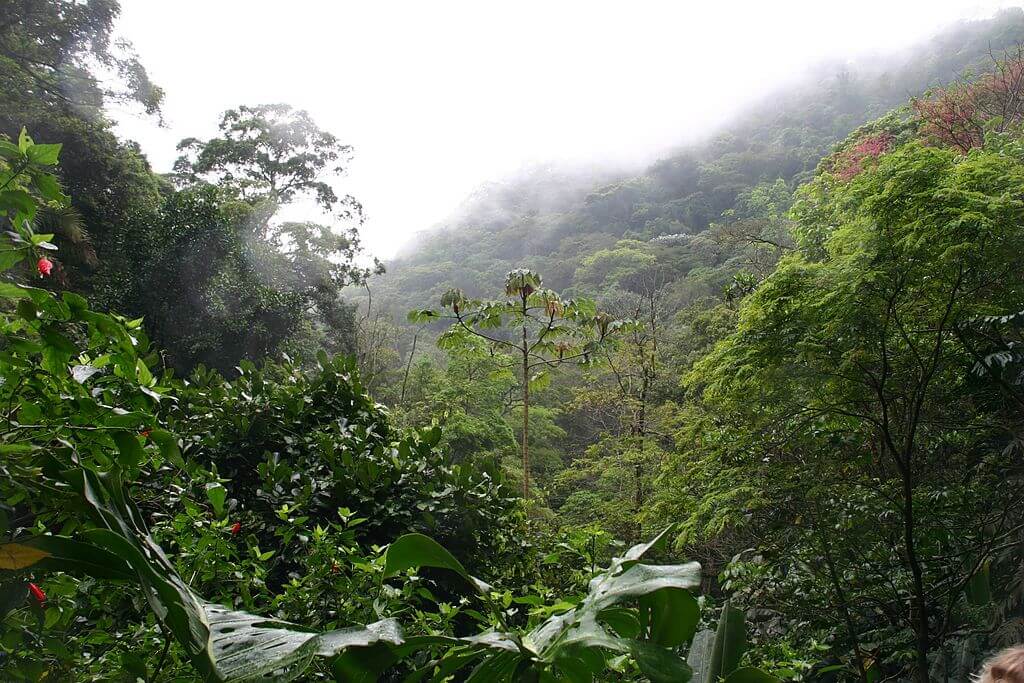
Tijuca National Park is a large block of Atlantic Forest rising from central Rio de Janeiro, with granite peaks, waterfalls, old coffee-estate ruins, and the statue of Christ the Redeemer on its slopes. Most of the forest is not original. It was cut for coffee, sugarcane, and fuel in the 18th and early 19th centuries, then deliberately replanted from the 1860s onward to protect the city's water supply, which makes it one of the best-known examples of urban forest restoration in the world. Its animals were later lost and are now being returned one species at a time. This article describes the park's setting and protection, restoration, landmarks and trails, and the pressures it faces as Brazil's most-visited national park.
Setting and Protection
The park covers 39.58 km² (15.3 sq mi), or 3,958 ha, across the hills and mountains of the Tijuca massif, within the city of Rio de Janeiro. It was declared a national park in 1961. It forms part of the Atlantic Forest Biosphere Reserve and also of the property inscribed by UNESCO in 2012 as "Rio de Janeiro: Carioca Landscapes between the Mountain and the Sea," a cultural landscape listed under criteria (v) and (vi) that links the forested mountains with Guanabara Bay and the city's gardens and beaches. The wider bay is described in Guanabara Bay, and the forest type in The Atlantic Forest. The park received 4.9 million visitors in 2025, more than any other national park in Brazil.
The park is often described as the world's largest replanted urban forest. Johannesburg, South Africa, disputes the claim of being the largest urban forest of any kind, so the precise wording matters.
A Forest Cut and Replanted
Through the 1700s and early 1800s, the slopes above Rio were cleared for fuel, coffee and livestock, and the springs that supplied the city began to fail. In 1817, King Dom João VI decreed protection for the trees around the headwaters of the Carioca River, and experimental planting of about 3,000 seedlings followed in 1846 and 1847. In 1861, Emperor Pedro II ordered the expropriation of farms in the Tijuca Mountains, and the forest was placed under the charge of Major Manuel Gomes Archer, who directed the replanting of more than 100,000 trees over the following decades. Much of the labor was carried out by enslaved workers.
An Empty Forest and Its Return
A regrown forest does not automatically regain its animals. By the 20th century, Tijuca had been stripped of the large seed-dispersing mammals and birds that keep an Atlantic Forest regenerating, a condition ecologists call an "empty forest." By 2008, for example, agoutis were gone from the park, and unspread seeds rotted beneath the trees.
Since about 1970, biologists have been reintroducing species. The first was the channel-billed toucan (Ramphastos vitellinus), of which 46 were released by the biologist Adelmar Coimbra-Filho, and a study published in February 2026 found that these birds again interact with about 76 percent of the plant species in their original diet. The red-rumped agouti (Dasyprocta leporina) returned in 2009, and more than 60 now live in the park, including fourth-generation descendants that disperse the seeds of trees such as Joannesia princeps. The brown howler monkey (Alouatta guariba), absent from Rio for about 150 years after Charles Darwin recorded it there in 1832, has been released since the mid-2010s, and at least one pair has bred. More than 50 yellow-footed tortoises (Chelonoidis denticulatus) were released between 2020 and 2024, and three blue-and-yellow macaws (Ara ararauna) were released on January 7, 2026, although they strayed toward homes and had to be recaptured for further training. A yellow fever outbreak that began in late 2016 killed many wild primates in Brazil and paused howler releases until vaccination became possible.
Plants and Wildlife Today
The park supports more than 230 recorded animal species, including capuchin monkeys, coatis, hummingbirds, and thrushes, along with the reintroduced species above. Among the plants, the tree Annona ferruginea is endemic to the park and critically endangered, and hardwoods such as the canjerana (Cabralea canjerana) grow in the replanted forest. The black-and-gold cotinga (Tijuca atra), a bird of the southeastern Atlantic Forest mountains, carries the massif's name in its genus.
Trails, Waterfalls and Climbs
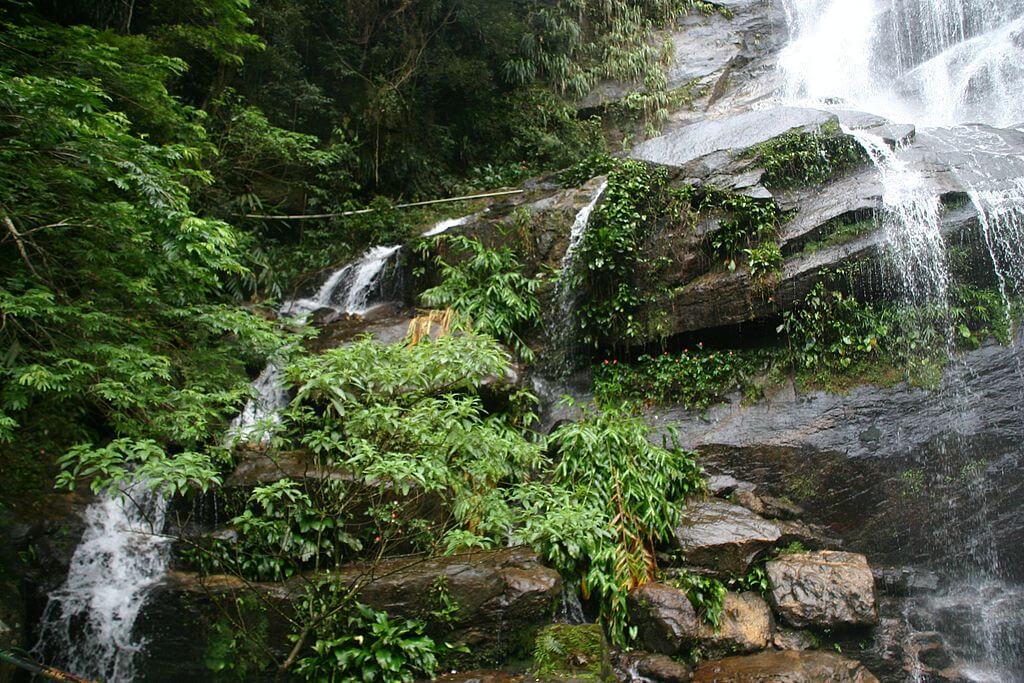
Pico da Tijuca, at 1,021 m (3,350 ft), is the park's best-known summit, reached by a trail that ends in a short stone staircase. Other routes lead to waterfalls and natural pools, including Cascatinha Taunay, as well as caves and viewpoints along the park's internal roads. Pedra da Gávea, a granite monolith that rises 842 m (2,762 ft) directly above the sea, is a classic rock-climbing destination, and the park is also used for trail running and cycling.
Landmarks and Viewpoints
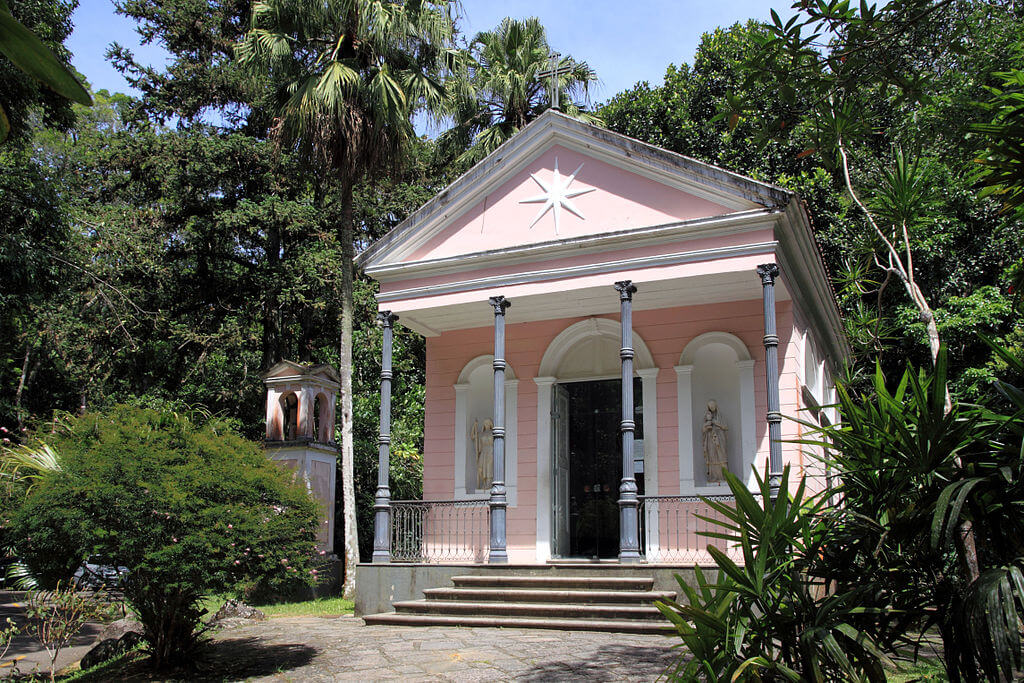
The park's most famous feature is the statue of Christ the Redeemer on Corcovado, a 30 m (98 ft) figure with a 28 m (92 ft) arm span completed in 1931 and included in the UNESCO World Heritage list. A new wooden viewing deck at Alto Corcovado, covering 50 m² (538 sq ft) at 673 m (2,208 ft) above sea level, opened on June 12, 2026, as part of a revitalization plan announced in December 2024. Elsewhere in the forest, the Vista Chinesa pavilion, the Mesa do Imperador stone table and the Mayrink Chapel, with its remains of coffee-era estates and aqueducts, recall the park's past.
Pressures on the Forest
Fire is the most persistent threat, and most fires are started accidentally by people. Invasive grasses burn more readily than native forest and spread into burned areas, and the Mata Machado community and other informal settlements place further pressure on the boundary. Heavy visitation adds erosion, litter, and pressure on trails, and the planned restoration of wildlife populations depends on keeping the forest connected and calm enough for released animals to settle.
Conclusion
Tijuca shows that a degraded tropical forest can be restored close to a major city, and that restoring trees is only part of the work. Its recovery is still being completed animal by animal, and it now serves millions of visitors a year. Its future depends on controlling fire, managing crowds, and continuing the work of bringing back the species that make a forest function.
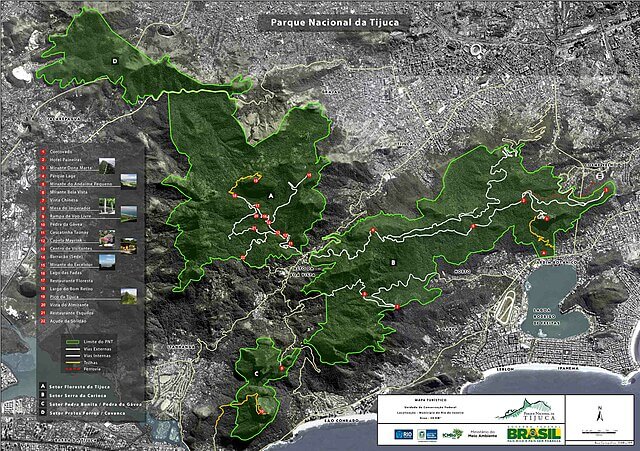
Map depicting Tijuca National Park, Rio de Janeiro, Brazil.