Archaeological Sites in Peru

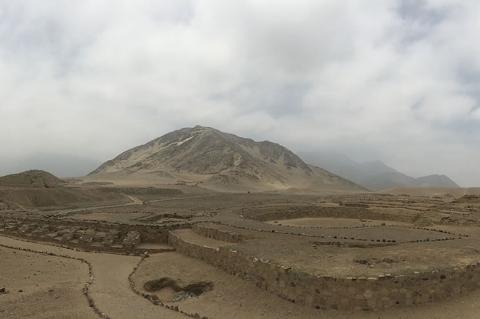
Caral-Supe: The Birthplace of Andean Civilization

The Sacred City of Caral-Supe, commonly known as Caral, is an ancient archaeological marvel that offers profound insights into the origins of civilization in the Americas. Situated on a desert terrace overlooking Peru's lush Supe River Valley, this 5000-year-old site was declared a UNESCO World Heritage Site in 2009. Caral is celebrated not only for its antiquity but also for its advanced sociopolitical organization and architectural sophistication.

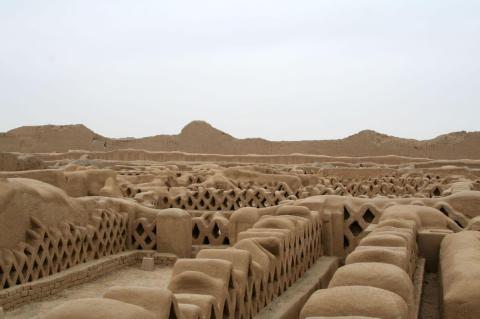
Chan Chan: The Ancient Citadel of the Chimu Empire

On the northern coast of Peru, in the Moche Valley, lies the sprawling adobe city of Chan Chan. Once the capital of the Chimu Empire, Chan Chan is a testament to the architectural prowess and cultural ingenuity of one of the most influential civilizations in pre-Columbian America. Chan Chan was the largest adobe city in the Americas and a major center of power on the northern Peruvian coast for centuries. Recognizing its historical importance, UNESCO declared Chan Chan a World Heritage Site.

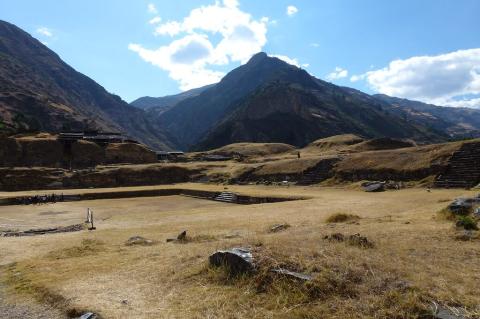
Chavín de Huántar: A Sacred Center of Early Andean Civilization

Chavín de Huántar, an archaeological site in the Ancash Region of Peru, is one of South America's most significant pre-Columbian cultural centers. Nestled above the Conchucos Valley, east of the Cordillera Blanca, this ancient site played a pivotal role in early Andean civilizations' religious and cultural life. Recognized as a UNESCO World Heritage Site, Chavín de Huántar showcases a unique combination of ceremonial, architectural, and artistic achievements from one of the earliest complex societies in the Americas.

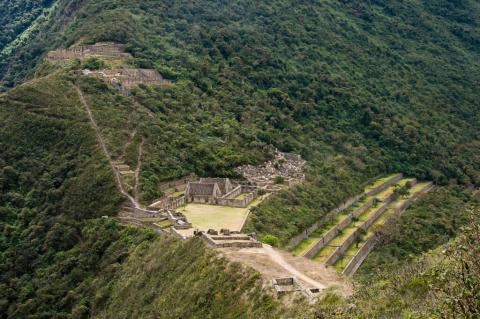
Choquequirao Archaeological Park: An Incan Legacy

Nestled in the Vilcabamba mountains of southern Peru, Choquequirao Archaeological Park is a testament to the ingenuity and resilience of the Inca civilization. Often compared to the more famous Machu Picchu, Choquequirao offers a unique glimpse into Incan history and architecture. Its historical significance, architectural marvels, and ongoing conservation efforts highlight its importance as a cultural and historical landmark.

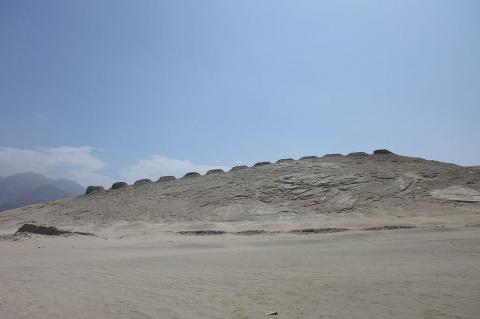
Exploring Chankillo: The Oldest Solar Observatory in the Americas

Nestled below the western slopes of the Andes in Peru's coastal desert, the Chankillo Archaeological Site offers a glimpse into the advanced astronomical knowledge and cultural practices of the ancient Casma/Sechin civilization. Located in the Ancash region, Chankillo is renowned for its architectural and astronomical significance. Designated as a UNESCO World Heritage Site, the Chankillo Archaeoastronomical Complex is a testament to pre-Columbian societies' ingenuity in tracking celestial events.

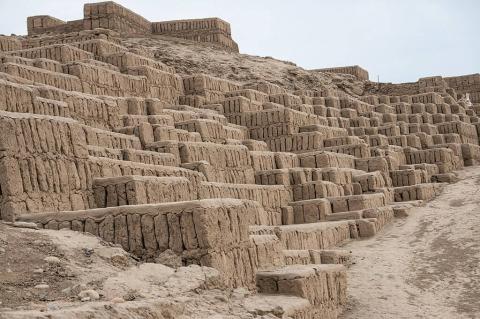
Huaca Pucllana: Exploring Lima's Ancient Ceremonial Center and Cultural Legacy

In the heart of Lima, Peru's bustling capital, lies a remarkable archaeological treasure – Huaca Pucllana, an ancient adobe pyramid and ceremonial center that is a testament to the region's rich cultural heritage. Once a bustling hub of religious and administrative activities for the Lima Culture, this site has become one of Metropolitan Lima's main tourist attractions and the city's most extensively investigated archaeological site.

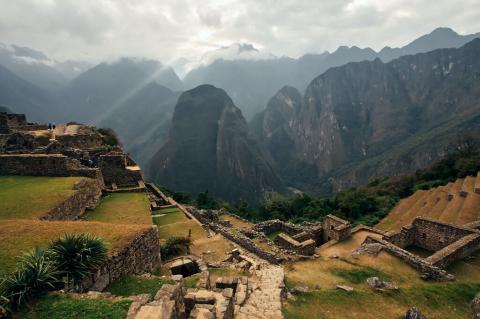
Machu Picchu: Where Stone Dreams Meet Cloud Forest Mysteries

High above the Urubamba Valley, where Andean peaks pierce clouds and ancient mists whisper of forgotten ceremonies, stands Machu Picchu—perhaps the most enigmatic human achievement. This stone citadel seems to float between Earth and sky, its granite walls rising naturally from the mountain ridge like a formation shaped by divine hands rather than human tools. From its precisely engineered terraces to its role as guardian of numerous species, Machu Picchu is a masterpiece where human ingenuity harmonized with Earth's biodiversity.

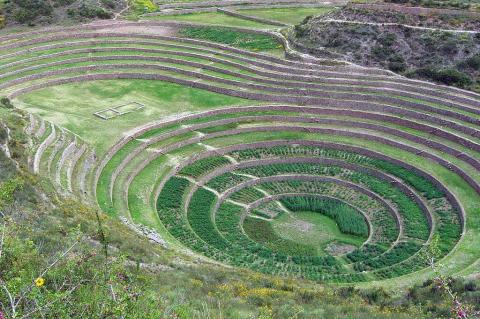
Moray: The Inca Empire's Mountain Laboratory of Agricultural Innovation

Located in the high-altitude plateau of Peru's Sacred Valley, the archaeological site of Moray features remarkable concentric circular terraces carved into natural limestone sinkholes, which create temperature differences between the levels. These amphitheater-like depressions enabled the cultivation of a multitude of crop varieties within a single complex. The site's sophisticated water management systems and precision stonework demonstrate an advanced understanding of microclimate manipulation that transformed natural geological formations into one of the ancient world's most innovative agricultural research facilities.

Ollantaytambo: A Jewel of Inca Civilization in Peru

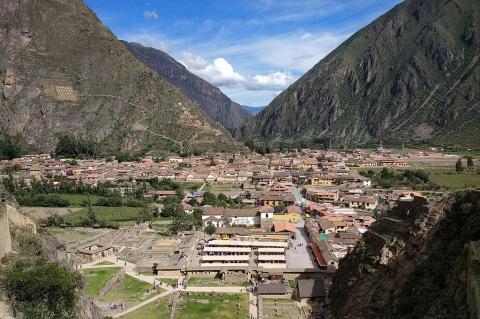
Nestled within the majestic landscapes of the Peruvian Andes, Ollantaytambo stands as a testament to the ingenuity, resilience, and cultural richness of the Inca civilization. This town, perched at the northern terminus of the Sacred Valley of the Incas, holds within its ancient stones a wealth of history, architecture, and tradition that continues to captivate visitors from around the globe.

The Nazca Lines: Mysteries of Ancient Peru

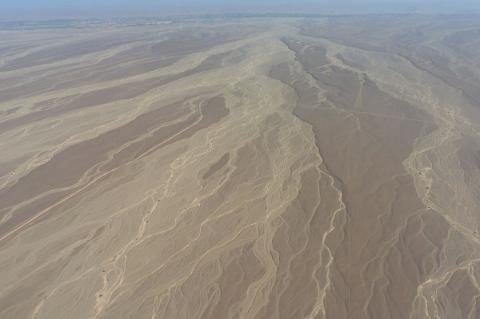
The arid plains of southern Peru, etched with a mesmerizing network of colossal geoglyphs, stand as a profound testament to the artistic and intellectual capabilities of the ancient Nasca and Paracas cultures. Stretching across the ochre-hued expanse known as the Nazca Desert, or Pampa Colorada (Red Plain), and extending into the neighboring Pampas de Jumana, these striking formations represent one of the world's most iconic and enduring archaeological enigmas.