Argentine Patagonia

Patagonia: Nature's Last Frontier at the Edge of the World

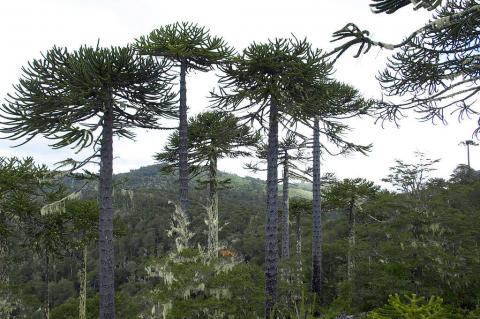
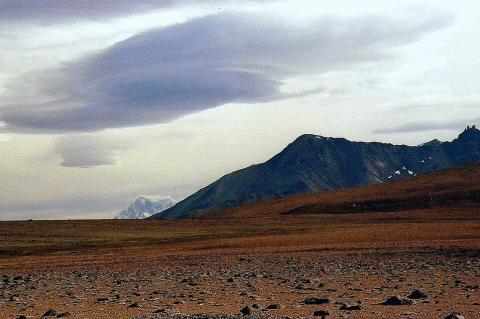
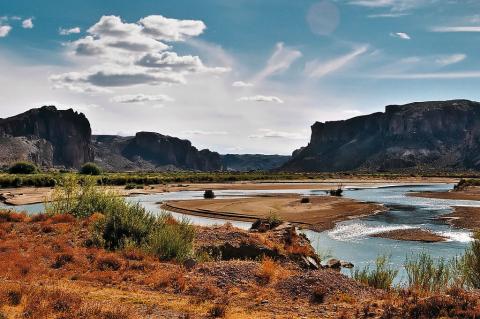
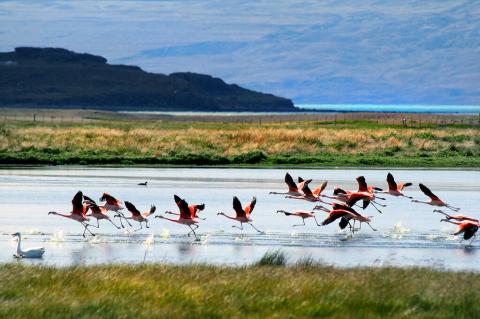
Argentina and Chile share Patagonia, a vast and enigmatic region at the southern tip of South America. It is renowned for its stunning landscapes, rich biodiversity, and cultural heritage. This expansive region, often referred to as one of the world's last remaining "Edens," captivates with its mix of arid plains, towering mountains, sprawling glaciers, and dense forests. Patagonia's geographical, climatic, economic, and cultural aspects reveal a region of immense natural beauty and significance.

Patagonia's Crown Jewel: Lake Buenos Aires

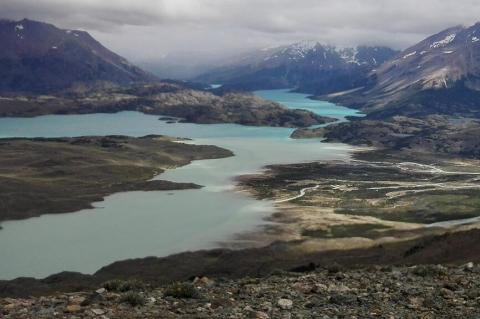
Located in Patagonia, Lake Buenos Aires, known as Lago General Carrera in Chile, is one of South America's largest lakes. It boasts breathtaking scenery and vibrant ecosystems. Formed by glacial activity, the lake is surrounded by towering mountains and lush forests, showcasing unmatched beauty. Its waters vary from turquoise to deep blue, mirroring the pristine Patagonian environment. The lake fosters cooperation and cultural exchange between Argentina and Chile while providing livelihoods for local communities.

Patagonia's Hidden Treasure: The Ancient Art of Cueva de las Manos

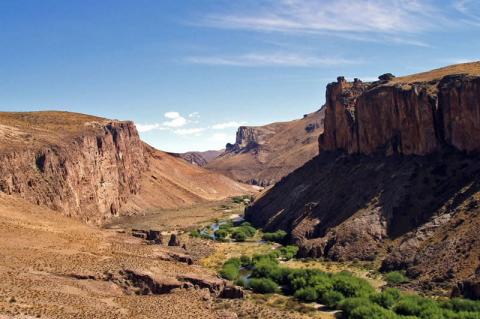
In the rugged landscape of Patagonia lies one of the world's most captivating archaeological treasures: the Cueva de las Manos, or Cave of Hands. Renowned for its striking prehistoric rock art, this site offers a rare glimpse into the lives and artistic expressions of the ancient peoples who once roamed the region. Designated as a World Heritage Site, this remote cave is a testament to early humans' creativity, beliefs, and traditions, preserved on its rock walls for millennia.

Perito Moreno National Park: A Patagonian Paradise

Situated in the heart of Patagonia, the southern region of Argentina, lies Perito Moreno National Park, a pristine wilderness area that showcases the beauty and grandeur of this remote corner of the world. Established in 1937, this national park is one of the oldest in Argentina. It is named after the renowned explorer Francisco "Perito" Moreno, who was crucial in establishing Argentina's park system. This protected area immerses visitors in Patagonia's rugged landscapes and diverse ecosystems.

San Carlos de Bariloche and Nahuel Huapi: Exploring Patagonia’s Scenic Heart

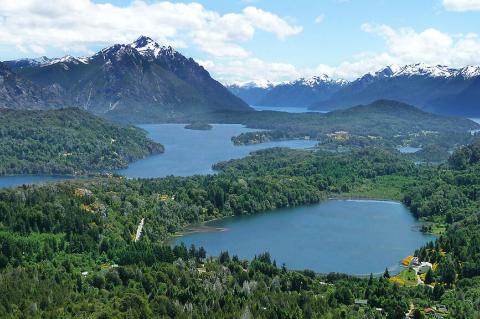
Situated in the foothills of the Argentine Andes, San Carlos de Bariloche offers a striking combination of natural beauty and cultural richness. Located on the clear shores of Lake Nahuel Huapi, Bariloche is surrounded by some of Patagonia's most breathtaking mountains and lakes. As part of the more expansive Nahuel Huapi National Park, the region attracts visitors worldwide, offering a unique blend of outdoor activities, historical landmarks, and distinct architectural charm.

The Chilean and Argentine Andes: A Towering Realm of Extremes and Natural Wonders

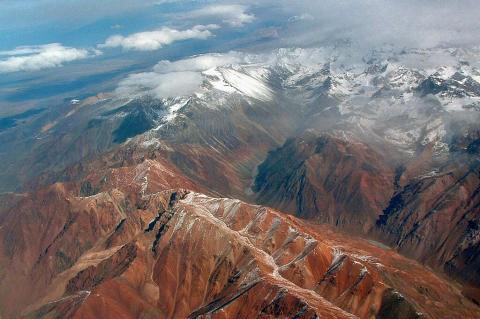
Stretching like a mighty spine along the western edge of South America, the Andes Mountain Range stands as a towering testament to nature's grandeur and complexity. This colossal cordillera, spanning seven countries, encompasses some of the planet's most extreme and diverse landscapes. At the heart of this vast mountain system lies the Chilean and Argentine Andes, where the borders between these two nations are defined by soaring peaks, glacial valleys, and landscapes that oscillate between the arid desolation of the Dry Andes and lush, verdant splendor of the Wet Andes.

The Chubut River: Lifeline of Argentine Patagonia

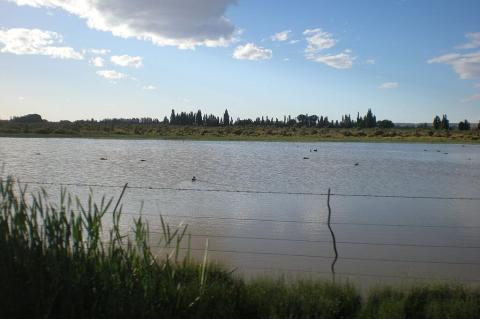
The Chubut River is a defining geographical and ecological feature of Argentine Patagonia, flowing through the heart of Chubut Province. As one of the most important rivers in the region, it plays a crucial role in supporting biodiversity, agriculture, and human settlements in an otherwise arid landscape. Originating in the Andes and traveling eastward to the Atlantic Ocean, the Chubut River provides essential water resources for both natural ecosystems and human activities.

The Majesty of Ice: Exploring the Perito Moreno Glacier and Los Glaciares National Park

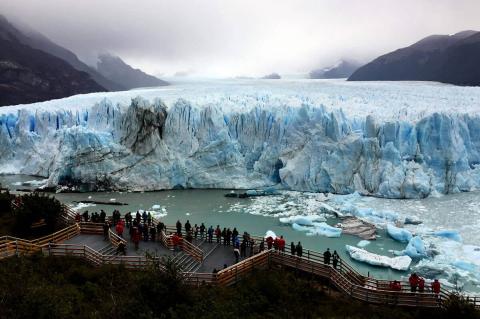
In the remote expanse of Argentine Patagonia, an extraordinary natural spectacle unfolds at the Perito Moreno Glacier, one of the most iconic landmarks of Argentina's Los Glaciares National Park. The glacier, known for its dramatic size, captivating beauty, and regular ruptures, symbolizes the region's glacial power and is a significant tourist destination. Located near the town of El Calafate, this massive ice formation is part of the Southern Patagonian Ice Field, one of the world's largest freshwater reserves.

The Patagonian and Fuegian Andes: Spine of the World's End

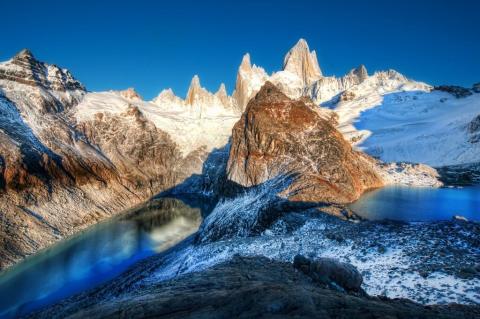
Rising from the steppes of southern Argentina and Chile like a serrated blade cleaving sky from earth, the Patagonian and Fuegian Andes form a spectacular and complex mountain system. This southern extension of the Andean chain features dramatic landscapes, towering granite spires, ancient ice fields, and active volcanic peaks that reshape the continent. These mountains serve as a living laboratory of planetary processes, a refuge for unique ecosystems, and a testament to the powerful natural forces that have shaped our world.

The Río Negro: Lifeblood of Argentine Patagonia

Flowing through the vast expanse of Argentine Patagonia, the Río Negro is one of the most significant rivers in South America. Renowned for its striking natural beauty, ecological importance, and cultural heritage, the river carves its way through diverse landscapes and serves as a crucial lifeline for the region. By examining its geographical origins, ecological dynamics, cultural significance, and modern challenges, the Río Negro emerges as a symbol of resilience and interconnectedness.