Biosphere Reserves in South America

Torres del Paine: A Breathtaking Journey Through Patagonia's Iconic Wilderness

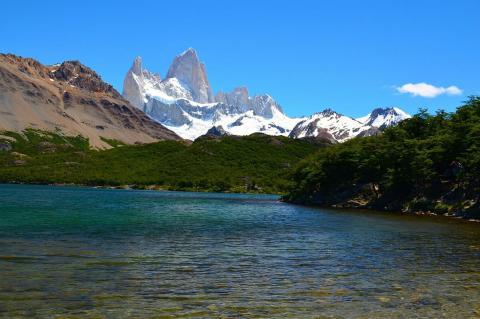
Deep within the heart of Chilean Patagonia, where the mighty Andes Mountains converge with the vast Patagonian Steppe, lies a realm of unparalleled natural beauty – Torres del Paine National Park. This breathtaking expanse of rugged peaks, glaciers, lakes, and rivers is undoubtedly one of the world's most iconic wilderness areas. The Cordillera del Paine stands at its core, a majestic mountain range that rises sharply above the surrounding terrain.
Tribugá-Cupica-Baudó Biosphere Reserve: A Jewel of Biodiversity and Sustainability in Colombia

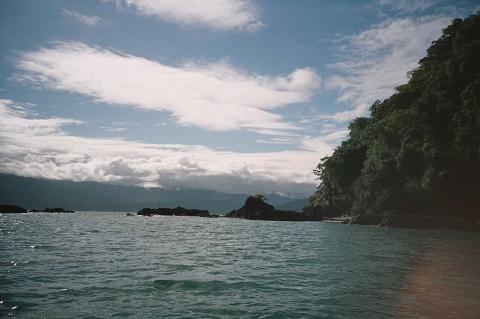
The Tribugá-Cupica-Baudó Biosphere Reserve in Colombia protects the Gulf of Tribugá region's biodiversity, cultural heritage, and habitats like mangroves, rainforests, and coral reefs. It promotes sustainable development, scientific research, and community engagement while tackling challenges such as illegal fishing and deforestation.

Ulla-Ulla Biosphere Reserve: Bolivia's High-Altitude Sanctuary

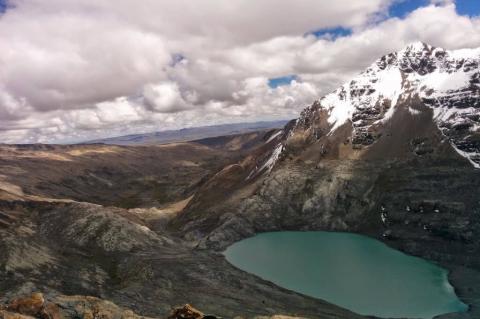
Nestled in the lofty elevations of Bolivia, the Ulla-Ulla Biosphere Reserve stands as a testament to the diverse wonders that thrive in the Central Andean wet puna ecoregion. This reserve is a mosaic of ecological marvels, encompassing the expansive high plateau, pristine tundra, towering Cordillera, majestic mountains, serene lakes, the origins of rivers, and a perpetual snow zone.

Yabotí Biosphere Reserve: A Haven of Biodiversity and Cultural Heritage

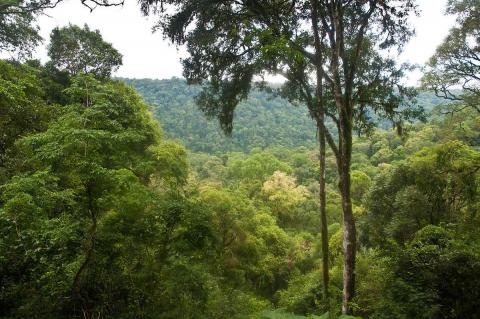
The Yabotí Biosphere Reserve in northeastern Misiones, Argentina, is known for its rich biodiversity and cultural heritage. It is part of the Misiones Rainforest Corridor in the Amazon Rainforest region and supports a wide variety of plant and animal life. The reserve also sustains the traditional villages of the Guaraní peoples, showcasing a harmonious blend of natural and cultural conservation.

Yasuní: A Sanctuary of Biodiversity in the Amazon

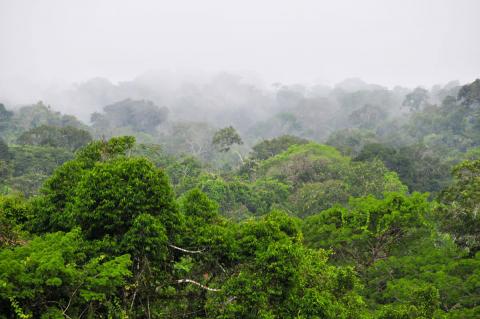
Yasuní National Park and Biosphere Reserve, located in the Amazonian region of northern Ecuador, represent one of Earth's most biologically diverse areas. This unique region, where the Equatorial, Andes, and Amazon regions converge, serves as a critical habitat for countless species and a sanctuary for Indigenous cultures. The park's vast expanse and ecological significance make it a focal point for conservation efforts and scientific research.