Biosphere Reserves in South America

Gran Pajatén: Where the Andes Meet the Amazon

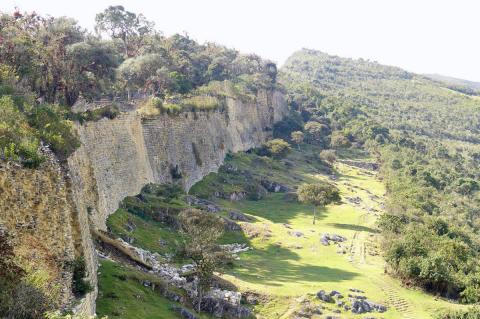
Nestled in the heart of Peru, where the majestic Andes Mountains converge with the vast Amazon plains, lies the Gran Pajatén Biosphere Reserve – a natural and cultural sanctuary that defies imagination. This expansive protected area is a tapestry woven from diverse ecosystems, rich biodiversity, and a cultural heritage that dates back to pre-Columbian civilizations. Gran Pajatén offers a captivating journey through Peru's enchanting realms, from the soaring peaks to the verdant valleys.
Guardians of the Amazon: The Central Amazon Conservation Complex

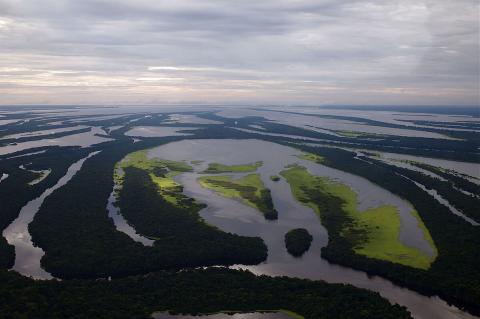
The Central Amazon Conservation Complex is one of Earth's largest and most biologically diverse protected areas. It is located in the heart of the Amazon Basin, west-northwest of Manaus, Brazil; the complex forms the core of the Central Amazon Ecological Corridor. This vast area encompasses some of the most critical ecosystems in Amazonia, representing a wide array of flora and fauna, including numerous endangered and endemic species. This UNESCO World Heritage Site is essential in preserving the ecological integrity of the world's largest tropical rainforest.

Gulf of Tribugá: Colombia's Hidden Ecological and Cultural Gem

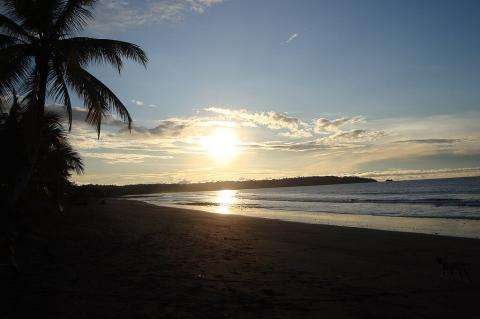
The Gulf of Tribugá is an unspoiled paradise on Colombia's Pacific coast, offering stunning landscapes, diverse biodiversity, and traditional communities. The Tribugá-Cupica-Baudó Biosphere Reserve, created to conserve the region's rich biodiversity and cultural heritage, fosters sustainable development and community involvement.

Huascarán National Park: A Sanctuary of Biodiversity and Human History

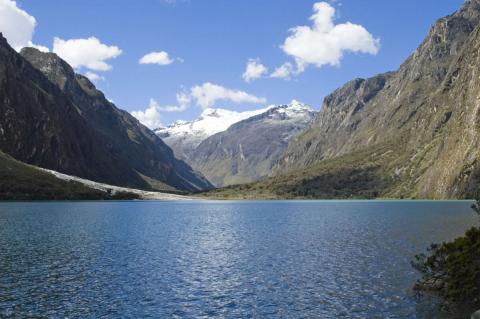
Huascarán National Park and its extension as the Huascarán Biosphere Reserve, located in the Ancash region of Peru, are natural sanctuaries and cultural treasures. Spanning an extensive area, the park and reserve are strategically positioned along the Cordillera Blanca, the world's highest tropical mountain range. This area is significant for its breathtaking landscapes and diverse ecosystems and its rich cultural heritage.

Juan Fernández Archipelago: Nature and Legend in the South Pacific

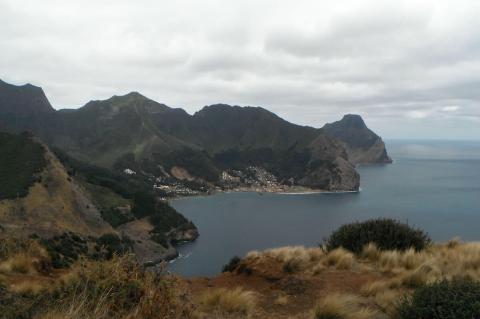
The Juan Fernández Archipelago, situated in the South Pacific Ocean, is a remote chain of volcanic islands belonging to Chile. The archipelago has long intrigued explorers, writers, and biologists alike. Known for its ties to the marooned sailor Alexander Selkirk—whose survival inspired Daniel Defoe's Robinson Crusoe—the archipelago is a cultural landmark and a unique ecological hotspot. With dramatic landscapes, endemic species, and a colorful history of pirates and explorers, the Juan Fernández Islands offer a rare glimpse into the natural and human story of isolation.

La Campana-Peñuelas: Balancing Biodiversity and Urban Pressures in Central Chile

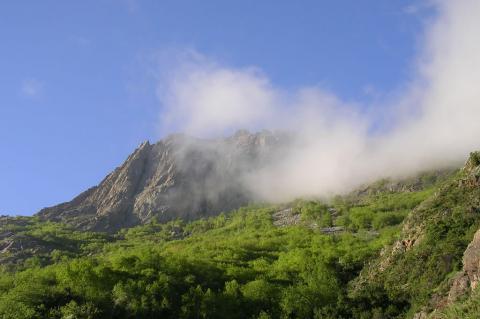
Nestled in the heart of Chile's Valparaíso Region, the La Campana-Peñuelas Biosphere Reserve epitomizes the country's dedication to safeguarding its natural heritage. Designated as a UNESCO Biosphere Reserve, it encompasses the La Campana National Park and the Lago Peñuelas National Reserve. Together, they form a mosaic of landscapes, biodiversity, and cultural history, offering an exceptional model of conservation and sustainability.

Laguna Blanca: A Conservation Haven in the Andean Heights

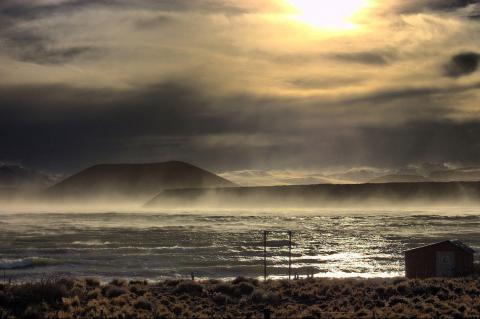
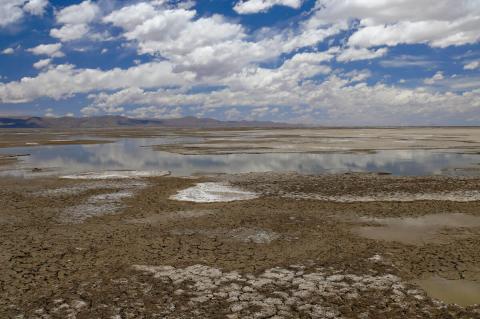
The Laguna Blanca Biosphere Reserve is a magnificent example of nature's resilience and human ingenuity. Nestled in the Andean region of northwest Argentina, it encompasses a unique arid Andean landscape characterized by a saline lake surrounded by rugged rock formations. This reserve is situated in Catamarca Province and is a testament to conservation efforts, rich biodiversity, and ancient cultural practices.

Laguna de los Pozuelos: A Highland Oasis of Biodiversity and Culture

Nestled in the extreme north of the Argentine province of Jujuy, the Laguna de los Pozuelos Natural Monument and Biosphere Reserve is a remarkable sanctuary of natural beauty and biodiversity. It is part of the highlands of the southern central Andes, a region noted for its unique ecological and cultural characteristics. This protected area is recognized as a National and Provincial Natural Landmark and is a conservation priority within the Central Andean dry Puna ecoregion.

Laguna Oca y Herraduras del Río Paraguay Biosphere Reserve: A Sanctuary of Biodiversity

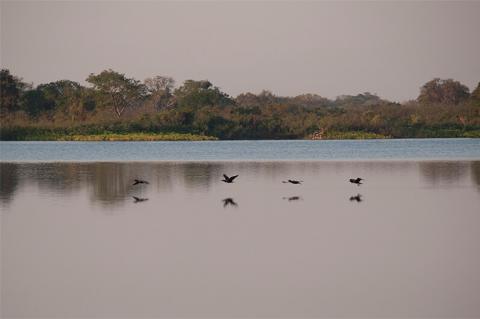
The Laguna Oca y Herraduras del Río Paraguay Biosphere Reserve, a sanctuary of biodiversity and natural beauty, is nestled along a winding bend of the Paraguay River near Formosa in northern Argentina within the Chaco plains. This expansive reserve, characterized by diverse habitats such as gallery forests, wetlands, and savannas, is a critical habitat for many rare and endemic plant and animal species.

Laguna San Rafael: A Glacial Wonderland in Patagonia

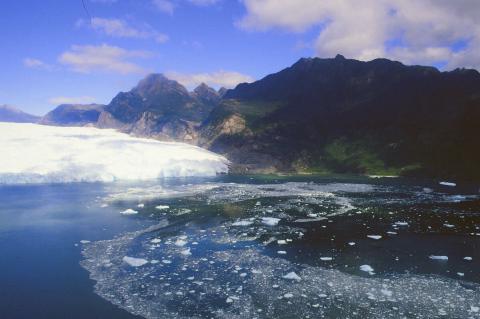
Laguna San Rafael National Park and Biosphere Reserve, situated on the Pacific coast of southern Chile, is a haven of natural beauty and ecological diversity. Encompassing the vast Northern Patagonian Ice Field, this protected area is one of the crown jewels of the Aysén Region, Chile's most sparsely populated area. Its mission is to protect native flora and fauna from extinction while serving as a focal point for scientific research and a popular destination for tourists seeking the rugged beauty of Patagonia.