Bodies of Water of Bolivia

Lake Titicaca: Ancient Waters of the Andes

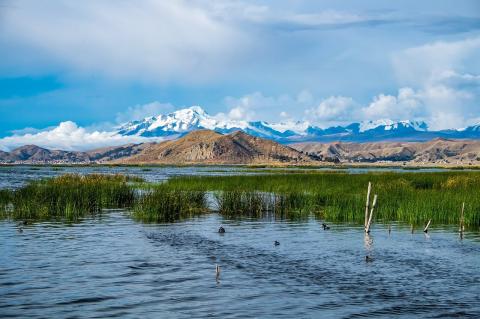
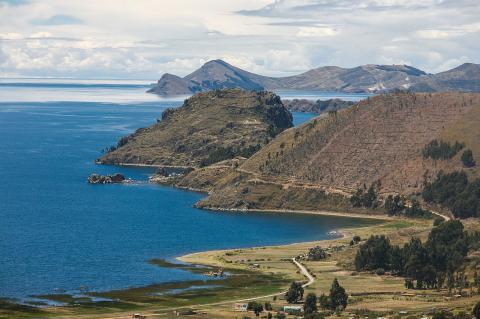
Lake Titicaca lies in the northern Altiplano, between Peru's Puno Region and Bolivia's La Paz Department, within the Central Andean wet puna. It covers 8,372 sq km and is the largest lake in South America by volume. It is often called the world's highest navigable lake, a title that refers to commercial vessels rather than altitude alone, and despite its elevation, it never freezes. The Andes that enclose the basin rise on both sides, and the lake itself occupies a tectonic depression.

Lakes Poopó and Uru Uru and the Desaguadero River: Bolivia's Vanishing Waters

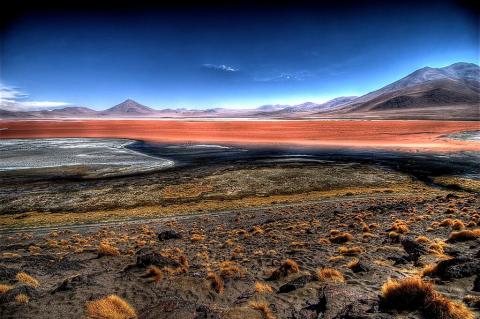
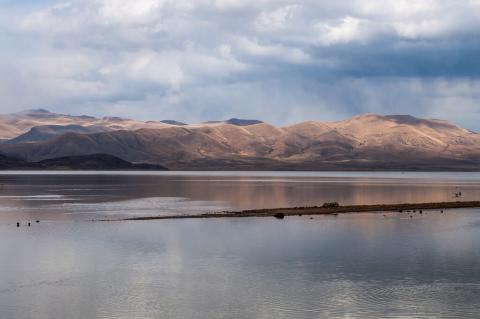
Bolivia's Altiplano, a vast highland plateau surrounded by the towering Andes, once supported a network of important water bodies that sustained ecosystems and communities. Among these were Lake Poopó and Lake Uru Uru, two saline lakes that formed part of an interconnected hydrological system fed by the Desaguadero River. However, recent environmental changes have caused these lakes to shrink or disappear entirely, leaving a landscape marked by ecological decline.

Madeira River: A Lifeline of the Amazon Basin

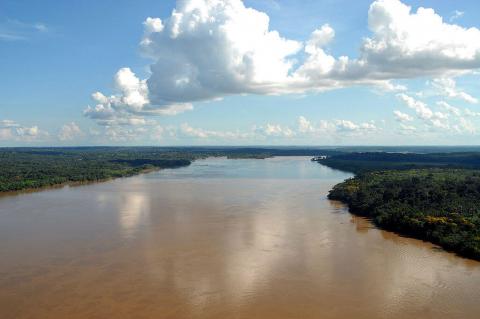
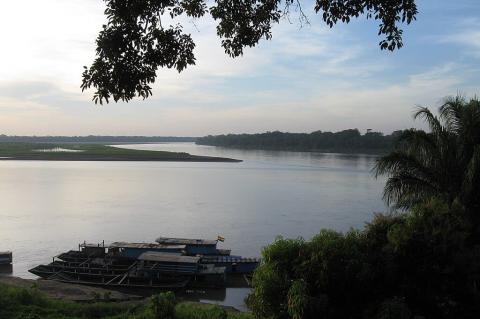
The Madeira River is one of South America's most significant waterways, playing a crucial role in the hydrology of the Amazon Basin. It is the largest and most important tributary of the Amazon River, making it a vital component of the region's ecosystem. Spanning Bolivia and Brazil, this mighty river traverses diverse landscapes and supports an array of flora and fauna, underscoring its importance as both a natural resource and a habitat.

The Amazon River System: Nature's Mightiest Waterway

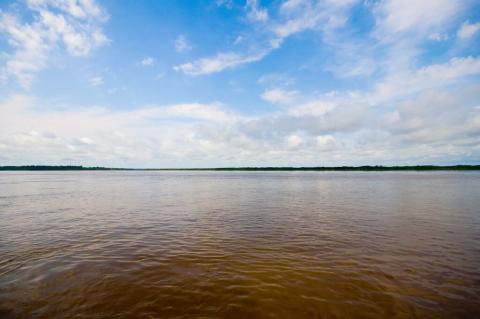
The Amazon River stands as Earth's most powerful single waterway, channeling the flow of over 1,100 tributaries across 6.3 million sq km into a current that delivers 209,000 cubic meters of water per second to the Atlantic Ocean. This colossal flow represents 15-20% of all freshwater entering the world's oceans, making the Amazon not just South America's arterial system but a critical component of global ocean circulation and climate regulation.

The Beni and Mamoré Rivers: Bolivia's Lifelines

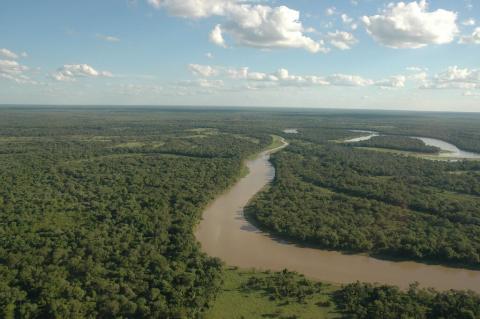
The Beni and Mamoré Rivers, coursing through the heart of Bolivia, are lifelines for both nature and civilization. They shape the landscape and provide sustenance to countless communities along their banks. From their origins in the rugged Andean slopes to their convergence into the mighty Madeira River at Bolivia's northeastern border, these rivers tell a story of resilience, biodiversity, and cultural richness.

The Bermejo River: South America's Diverse Lifeline

The Bermejo River, a crucial waterway in South America, traverses diverse landscapes across Bolivia and Argentina. In its upper course, the river is known as the Bermejo, but in its lower reaches, it transitions into the Desaguadero and later the Salado. Flowing from the Andes Mountains to its confluence with the Paraguay River, the Bermejo sustains ecosystems, supports human settlements, and plays an essential role in regional economies.

The Madre de Dios River: Gateway to the Amazon Basin

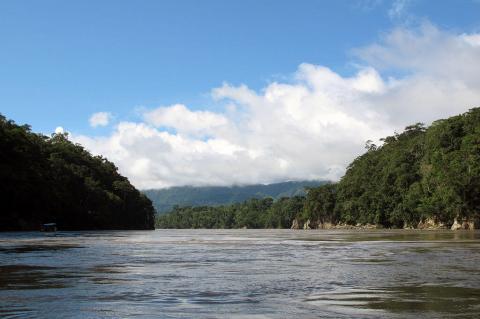
The Madre de Dios River, a vital headwater tributary of the Amazon River, forms an essential part of the Amazon River drainage basin and plays a crucial role in the geography and ecology of Peru and Bolivia. The river, originating in the Andes, flows through vast stretches of tropical rainforest, providing transportation, sustenance, and a lifeline for the sparse populations living along its banks. The river's basin is home to significant biodiversity and supports a variety of ecosystems while also serving as an essential route for the region's Indigenous peoples.