Bodies of Water of Peru

Ica and Huacachina: Oases of Culture and Nature in Peru's Desert South

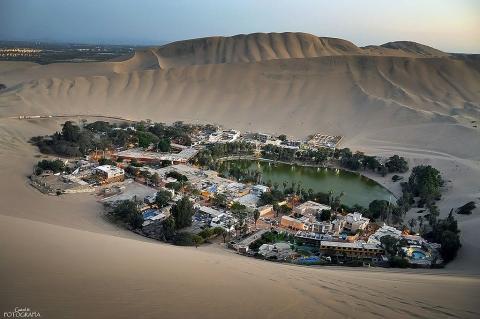
Nestled between the barren expanses of the Ica Desert and the vibrant culture of southern Peru lies the city of Ica, a place rich in history, natural wonders, and iconic traditions. Known for its ties to the ancient Inca civilizations and the Spanish colonial period and as the home of Peru's national drink, Pisco, Ica has much to offer. Just beyond the city's boundaries lies one of Peru's most stunning natural features: the Huacachina Oasis, a shimmering jewel in the desert landscape that attracts travelers from across the globe.

Juruá River: A Meandering Giant of the Amazon

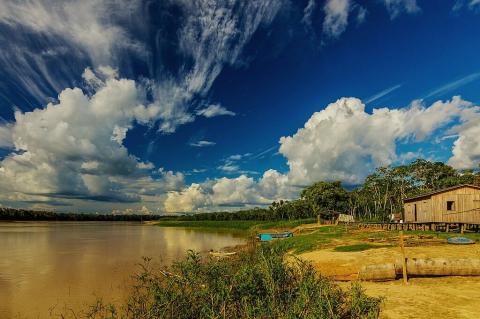
The Juruá River, one of the longest and most winding tributaries of the Amazon River, is a crucial component of the Amazon Basin's intricate hydrological network. Originating in the highlands of Peru and snaking its way through the lowlands of Brazil, the Juruá River plays a vital role in shaping the region's ecology, supporting diverse ecosystems, and influencing the lives of those who inhabit its banks.

Lake Titicaca: Ancient Waters of the Andes

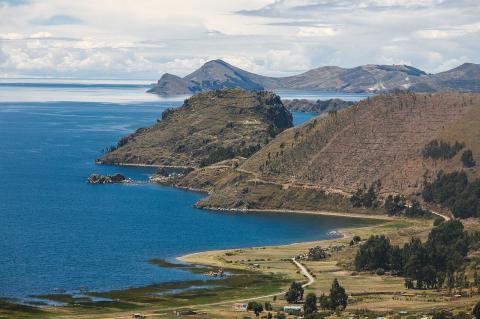
Lake Titicaca lies in the northern Altiplano, between Peru's Puno Region and Bolivia's La Paz Department, within the Central Andean wet puna. It covers 8,372 sq km and is the largest lake in South America by volume. It is often called the world's highest navigable lake, a title that refers to commercial vessels rather than altitude alone, and despite its elevation, it never freezes. The Andes that enclose the basin rise on both sides, and the lake itself occupies a tectonic depression.

Paracas National Reserve: A Coastal Desert Haven in Peru

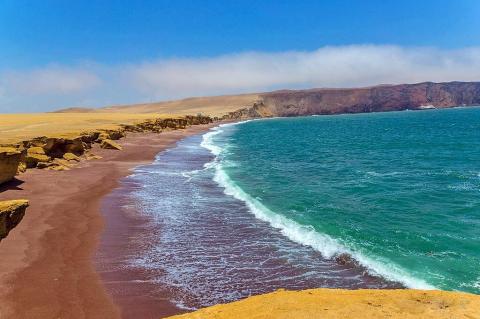
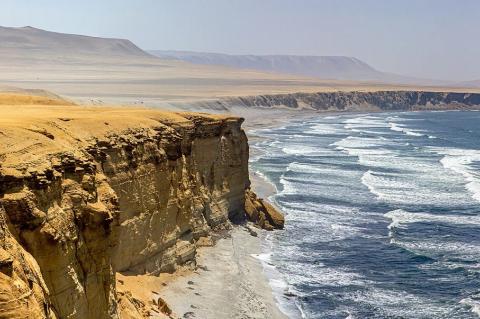
Paracas National Reserve is a unique protected area located in the Ica region of Peru, spanning coastal desert and marine ecosystems, making it a critical conservation area in South America. The reserve encompasses the Paracas Peninsula, Independence Bay, and surrounding desert regions, offering a rich mosaic of landscapes supporting diverse wildlife. In addition to its natural beauty, Paracas is steeped in archaeological history, with remnants of the ancient Paracas culture visible in the region. The combination of ecological significance and cultural heritage makes the Paracas National Reserve an exceptional destination.

Purus River: Lifeblood of the Southwestern Amazon

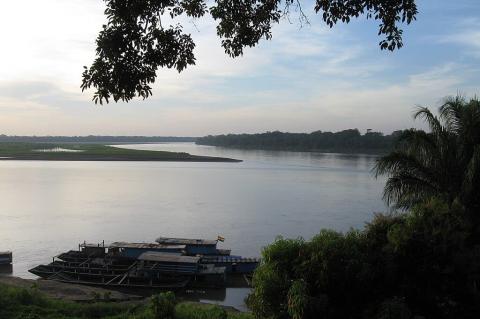
The Purus River is one of the Amazon Basin's significant tributaries, winding its way through the heart of the Amazon Rainforest. Originating in the Ucayali Basin in Peru, the river traverses a vast expanse of wilderness before merging with the Amazon River in Brazil. The Purus River's extensive basin is a vital hydrological and ecological feature of the Amazon, supporting diverse flora, fauna, and human communities.

The Amazon River System: Nature's Mightiest Waterway

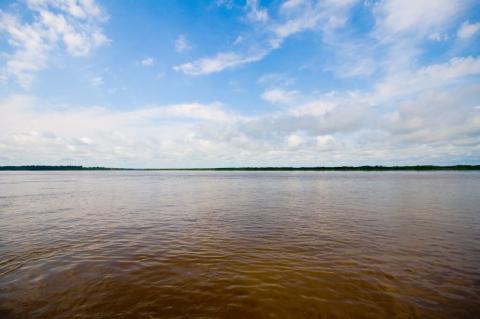
The Amazon River stands as Earth's most powerful single waterway, channeling the flow of over 1,100 tributaries across 6.3 million sq km into a current that delivers 209,000 cubic meters of water per second to the Atlantic Ocean. This colossal flow represents 15-20% of all freshwater entering the world's oceans, making the Amazon not just South America's arterial system but a critical component of global ocean circulation and climate regulation.

The Colca Canyon: Peru's Natural Wonder

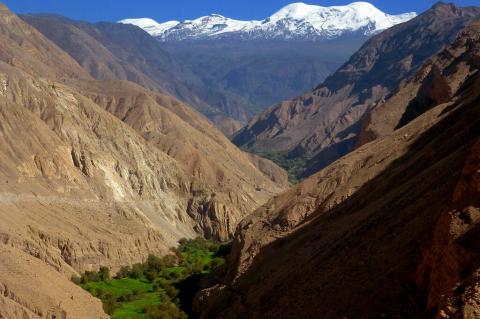
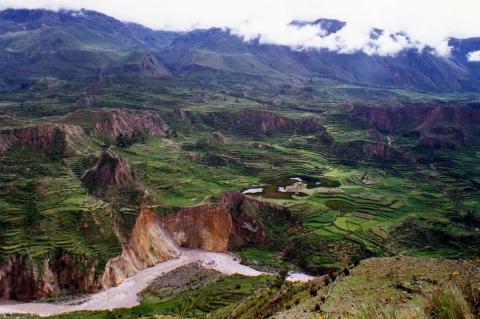
The Colca Canyon, twice as deep as the Grand Canyon and rivaled only by nearby Cotahuasi for the title of deepest in Peru, takes its name from the ancient qullqa storehouses of the Collagua and Cabana peoples, whose stone-walled agricultural terraces still feed the valley today and whose thermal-riding Andean condors have made this one of the best places on Earth to watch the world's largest flying bird.

The Madre de Dios River: Peru’s Southern Amazon Artery

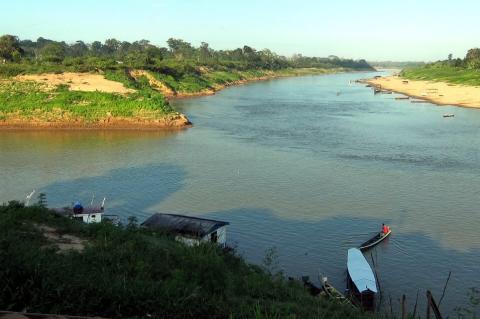
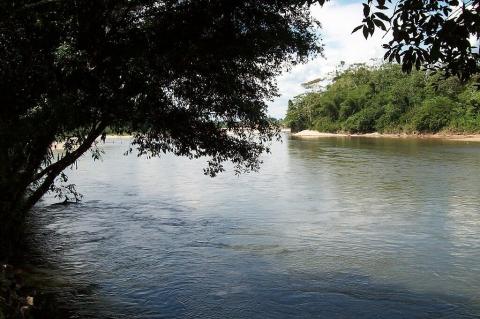
Rising in the eastern Andes of southern Peru, the Madre de Dios River runs roughly 1,100 to 1,350 km through some of Earth’s most biodiverse forests before joining the Beni in Bolivia, with the combined waters flowing on to the Madeira. Manú National Park, Tambopata National Reserve, and Bahuaja-Sonene National Park protect much of its course, and Ese Eja, Harakbut, Matsigenka, and Yine communities live along it. Puerto Maldonado is its main city, and rubber, a paved highway, and gold mining have reshaped its banks.

The Marañón River: Peru’s Andean Headwater of the Amazon

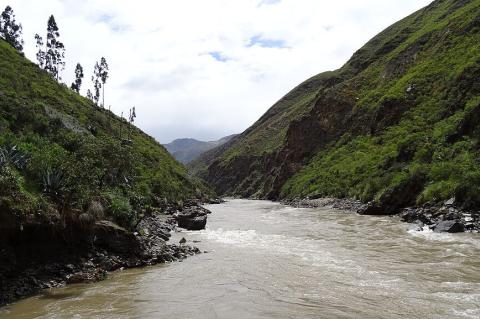
The Marañón rises above 4,500 m (14,800 ft) in the Peruvian Andes and runs about 1,700 km (1,060 mi) through deep canyons and the Pongo de Manseriche gorge before meeting the Ucayali near Nauta and forming the Amazon. Its basin shelters the floodplain wildlife of Pacaya-Samiria and faces stalled dam plans, oil-pipeline spills, and a 2024 court ruling that recognized the river's legal rights.

The Putumayo River: A Shared Amazon Boundary from the Andes to the Içá

The Putumayo rises in the Colombian Andes and flows about 1,800 km (1,100 mi) across the western Amazon, forming a boundary between Colombia, Ecuador, and Peru before joining the Solimões in Brazil as the Içá. Its basin holds Yaguas National Park, Indigenous territories, a rubber-era history of atrocity, and growing pressure from gold mining and mercury.