Cuba

The Lifeblood of Eastern Cuba: The Cauto River

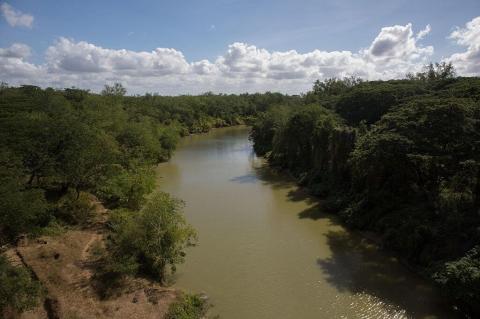
The Cauto River, Cuba's longest and most significant river, winds through the island's eastern region, sustaining ecosystems, agriculture, and communities. As a vital freshwater source, the river plays an essential role in shaping the landscapes and livelihoods of the provinces it traverses. With its diverse ecosystems, economic importance, and cultural significance, the Cauto River is a natural treasure that embodies the interplay between nature and human activity in Cuba.

The Soul of the Caribbean: Exploring Santiago de Cuba

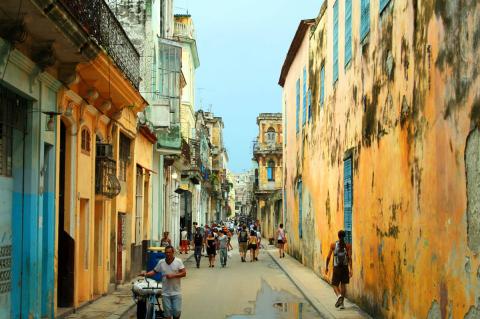
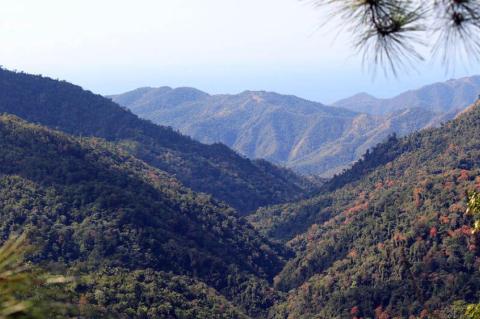
Santiago de Cuba, the second-largest city in Cuba, stands as a beacon of resilience, cultural fusion, and historical depth. Nestled between the Sierra Maestra mountains and the Caribbean Sea, this vibrant city is steeped in Afro-Caribbean traditions and revolutionary heritage. Known for its music, colonial architecture, and spirited people, Santiago has long served as a crucible of Cuban identity and resistance. Its layered history has shaped a uniquely rich urban character that continues to captivate locals and visitors alike.

Viñales Valley: A Mosaic of Nature and Tradition in Cuba

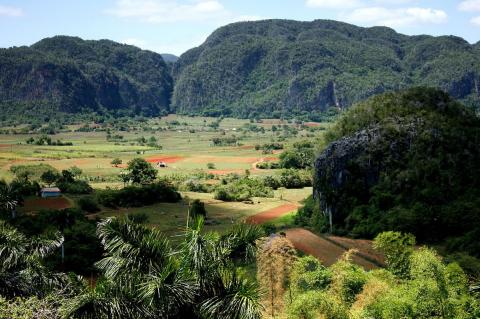
Viñales Valley, nestled in the Sierra de los Organos mountains near the western end of Cuba, offers a breathtaking panorama of karst topography with striking limestone outcrops called mogotes. This picturesque valley is a testament to natural beauty and cultural heritage, earning its designation as a UNESCO World Heritage Site. The harmonious blend of nature and tradition makes Viñales Valley a must-see destination for travelers and a beloved symbol for Cubans.