Cuba

Guanahacabibes: Cuba's Pristine Coastal Wilderness

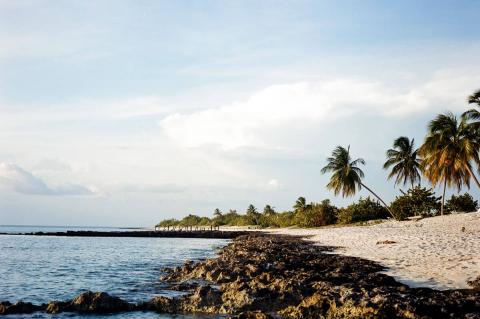
Nestled in the westernmost corner of Cuba, the Guanahacabibes Peninsula is a remarkable natural treasure. It is the country's westernmost point and offers a glimpse into its rich biodiversity and unique cultural heritage. This remote and sparsely populated region is home to a National Park and a UNESCO Biosphere Reserve, making it a prime destination for nature enthusiasts and conservation-minded travelers.

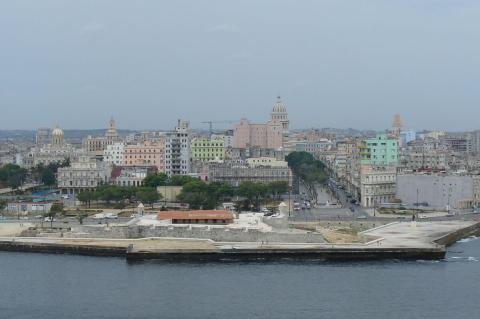
Havana, Cuba: A City Steeped in Legacy and Life

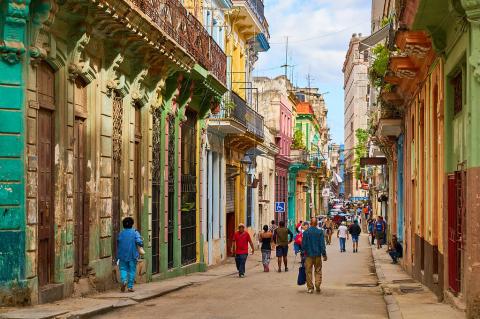
Havana, Cuba's capital, is a city where the echoes of colonial history meet the rhythms of contemporary life. Havana was founded in 1519 and has grown into one of the most captivating urban centers in the Caribbean. Its rich architectural heritage, lively arts scene, and coastal beauty offer a unique glimpse into Cuba's soul. The city's layout, blending historical districts with modern expansions, reflects its evolution as a cultural, political, and economic hub.

Historic Camagüey: The Labyrinthine Jewel of Cuba

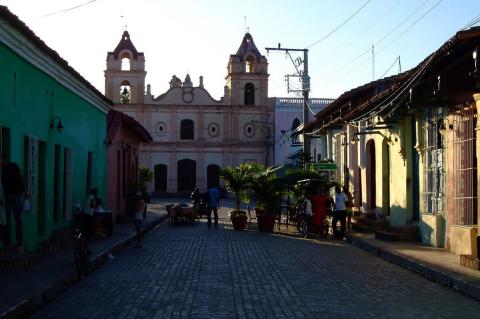
Camagüey, one of Cuba's oldest cities, holds a special place in the island's history and culture. Established in 1514 as Santa María del Puerto del Príncipe, the city was later relocated inland to its present location in 1528 to avoid pirate attacks. Today, Camagüey's historic center is a testament to its rich history, showcasing a unique and labyrinthine urban layout that distinguishes it from other colonial cities in Cuba.

Isla de la Juventud: Cuba's Forgotten Island of History and Beauty

Lying in the Caribbean Sea, southwest of mainland Cuba, Isla de la Juventud (Isle of Youth) is the country's second-largest island and one of its most intriguing destinations. Known for its layered history, tropical landscapes, and a unique blend of isolation and vitality, the island has worn many identities—from pirate hideout to penal colony, agricultural experiment to educational utopia. Less touristy than other Cuban regions, Isla de la Juventud provides an immersive experience of island life, lush nature, and a rich history.

Jardines de la Reina: Cuba's Spectacular Marine Sanctuary

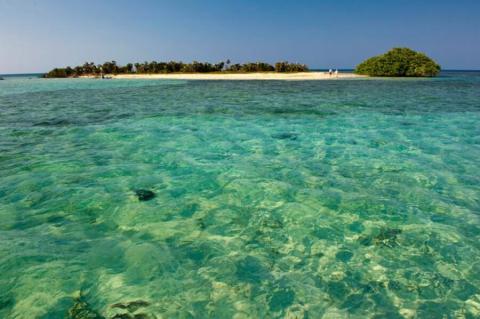
Nestled off Cuba's southern shores, the Jardines de la Reina archipelago beckons as an aquatic haven, revered for its untouched coral reefs and flourishing marine habitats. This expansive sanctuary, encompassing over 250 coral islands and cays, is one of Cuba's most significant protected regions, boasting dual distinctions as a marine reserve and a national park. Renowned for its translucent waters and immaculate coral formations, the area teems with a rich array of marine biodiversity.

Old Havana: A Living Museum of Colonial Cuba

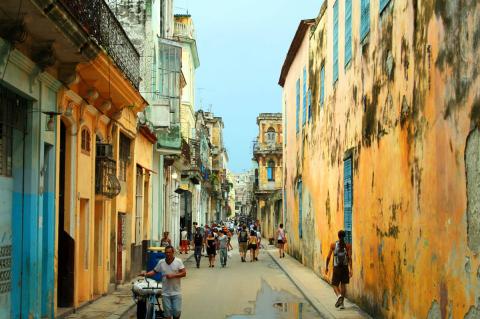
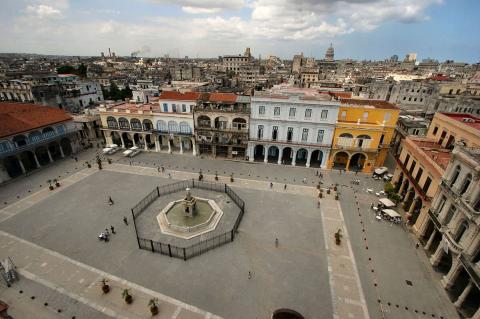
Old Havana, known as Habana Vieja, is the historic heart and one of the boroughs of Havana, Cuba. Founded in 1519, it stands as a testament to the rich colonial history of the Americas, encapsulating five centuries of architectural evolution. The original city walls, now forming the modern boundaries of Old Havana, contain a remarkable blend of Baroque, neoclassical, and Art Nouveau styles. This vibrant area, with its cobblestone streets and narrow alleyways, offers an immersive glimpse into Cuba's past.

Preserving the Past: The Historic Legacy of Trinidad and the Valle de los Ingenios

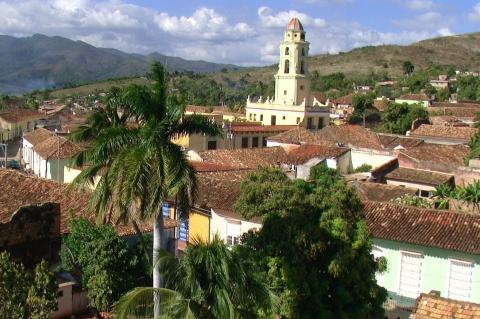
Trinidad, a city steeped in history and charm, is located in the province of Sancti Spíritus in central Cuba. Trinidad flourished during the late 18th and 19th centuries as a hub of the sugar industry. The nearby Valle de los Ingenios played a crucial role in this prosperity, with its numerous sugar mills driving the region's economic growth. Today, Trinidad and the Valle de los Ingenios form a UNESCO site, preserving the architectural splendor and industrial heritage of a bygone era.

The Canarreos Archipelago: Cuba's Hidden Paradise of Islands and Reefs

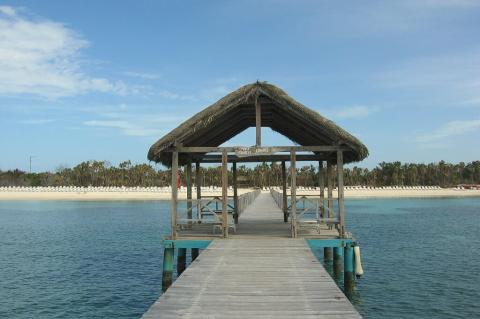
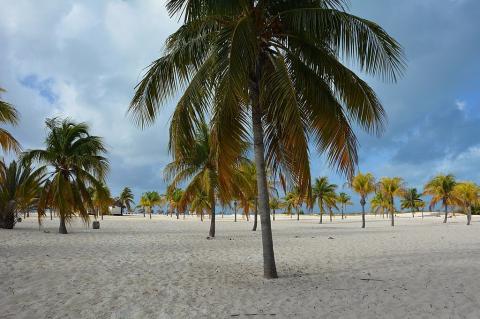
Stretching across the Caribbean Sea to the south of mainland Cuba, the Canarreos Archipelago is a sprawling chain of islands, cays, and islets that stands as one of the country's most ecologically rich and serene regions. Comprising over 350 landforms, the archipelago remains largely undeveloped, making it a haven for marine life, a sanctuary for rare species, and a destination for travelers seeking quiet, pristine beauty.

The Green Heart of Western Cuba: Exploring Sierra del Rosario and Its Biosphere Reserve

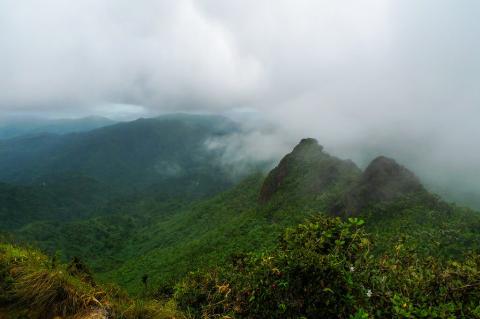
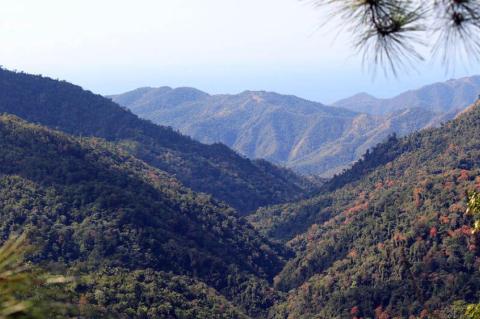
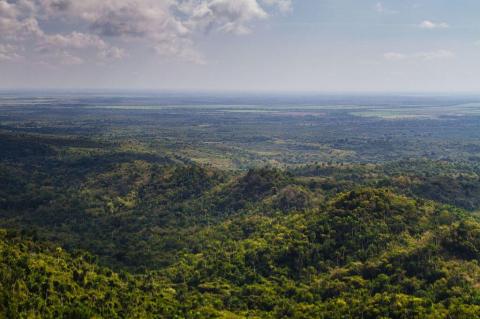
The Sierra del Rosario, located in the western part of Cuba, is a region of remarkable natural beauty and ecological significance. Part of the more extensive Guaniguanico Mountain Range, it is characterized by its rolling hills, steep slopes, and deep valleys, all covered in lush tropical forests. The region's biodiversity and historical and cultural heritage have earned it the designation of a Biosphere Reserve, making it a crucial area for conservation and sustainable development.

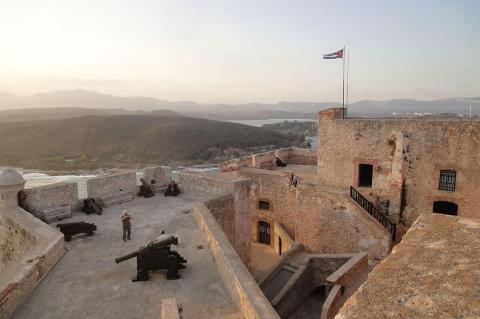
The Historic San Pedro de la Roca Castle: Guardian of Santiago de Cuba

San Pedro de la Roca Castle, also known as Castillo del Morro, is a monumental stone fortress on a rocky promontory overlooking the entrance to Santiago de Cuba Bay on the southernmost coast of Cuba. This fortress, constructed over six decades beginning in 1638, is a remarkable example of Spanish-American military architecture. It embodies the principles of Renaissance military engineering adapted to the Caribbean's unique geographical and strategic demands.