Natural Landmarks in Mexico

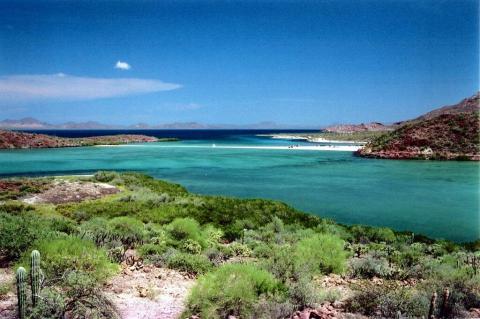
Between Two Seas: Exploring the Baja California Peninsula

Stretching like a narrow finger into the Pacific Ocean, the Baja California Peninsula stands as one of Mexico's most remarkable geographical features. This landmass extends from Mexicali in the north to Cabo San Lucas in the south, creating a unique corridor where desert landscapes meet coastal splendor. As the second-longest peninsula in the world, Baja California represents a fascinating study in geological evolution, ecological adaptation, and human settlement in one of the planet's most challenging yet beautiful environments.

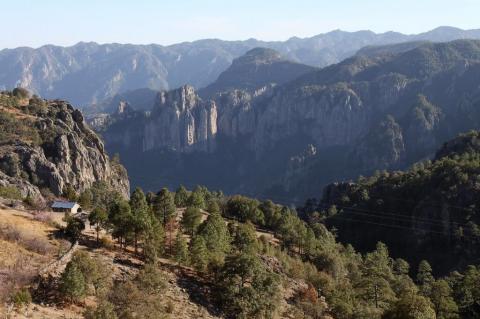
Copper Canyon and the Sierra Tarahumara: Nature's Grandeur and Indigenous Heritage

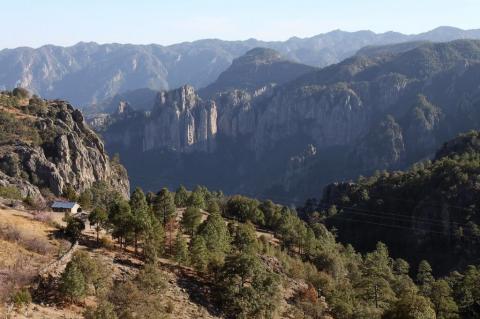
Located in the northwestern region of Mexico, within the Sierra Madre Occidental, lies a breathtaking landscape of great cultural significance and beauty—Copper Canyon and the Sierra Tarahumara. This region fascinates travelers and researchers with its remarkable geographical features, diverse ecosystems, and rich indigenous heritage, offering a glimpse into the ecological wonders and enduring traditions of northern Mexico.

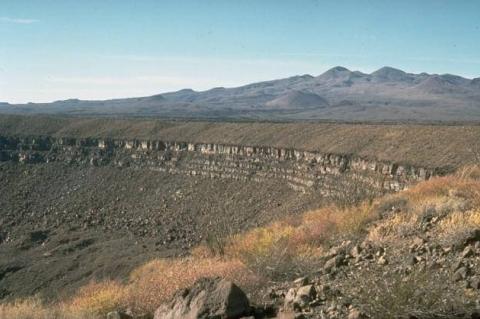
El Pinacate and Gran Desierto de Altar: Where Fire Meets Sand

In the remote borderlands of northwestern Mexico, where the Sonoran Desert meets the Gulf of California, lies one of Earth's most striking landscapes—the El Pinacate and Gran Desierto de Altar Biosphere Reserve. This UNESCO site presents a stark yet breathtaking scene where volcanic craters break through ancient lava flows, towering dunes shift with desert winds, and life thrives in seemingly impossible conditions. Spanning across Sonora and reaching into Baja California, this incredible reserve displays the raw power of geological forces and the impressive resilience of desert ecosystems.

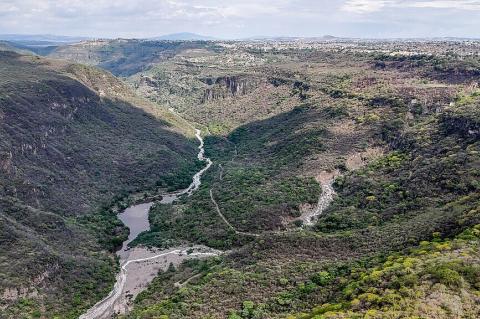
Oblatos Canyon: A Natural Wonder of Mexico's Western Highlands

Oblatos Canyon, also known as Huentitán Canyon, is a breathtaking natural landmark located on the outskirts of Guadalajara in Jalisco, Mexico. Carved by the powerful Río Grande de Santiago, this majestic canyon serves as a sanctuary for diverse ecosystems, a hub for recreational activities, and a site of cultural and historical significance. Its dramatic landscapes, towering cliffs, and rich biodiversity have made it a favorite destination for adventurers, nature enthusiasts, and conservationists.

Pico de Orizaba: Mexico's Towering Natural Landmark

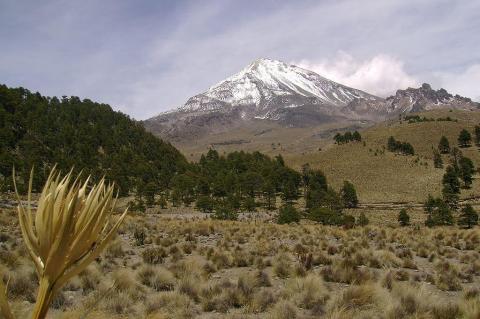
Pico de Orizaba, or Citlaltépetl, is the highest peak in Mexico and the tallest volcano in North America. Situated on the border of the Mexican states of Veracruz and Puebla, the inactive stratovolcano rises to an imposing height. Its prominence within the Trans-Mexican Volcanic Belt and its rich history in geological and cultural contexts make it a defining feature of the Mexican landscape. Its glaciers, towering presence, and role in indigenous mythologies further highlight the volcano's significance.

San Carlos and Cerro Tetakawi: A Coastal Haven in Sonora

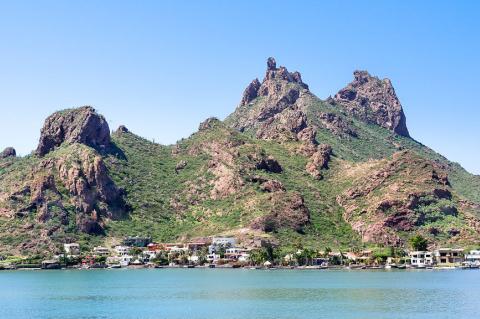
San Carlos, a picturesque coastal town in the Mexican state of Sonora, is celebrated for its stunning landscapes, azure waters, and vibrant marine life. Nestled along the Gulf of California, this charming destination is a haven for adventurers, beachgoers, and eco-tourists. Overlooking the town and standing as an iconic symbol of the region is Cerro Tetakawi, a dramatic peak offering breathtaking views and a profound connection to the area's natural heritage.

The Valley of Mexico: Where Ancient Civilizations Thrived

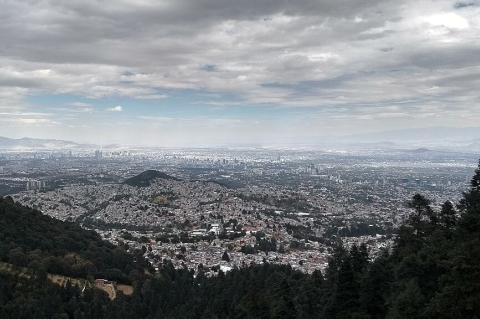
The Valley of Mexico, located within the Trans-Mexican Volcanic Belt, is a closed basin that has been a focal point of human settlement and cultural development for thousands of years. Its fertile volcanic soils have attracted and sustained complex societies, leaving an indelible mark on the history and heritage of Mesoamerica. From the ancient city of Teotihuacán to the majestic capital of the Aztec Empire, the Valley of Mexico has been the cradle of civilization and a cultural epicenter. It continues to thrive as the vibrant heart of Mexico.