
San Miguel de Tucumán: The Birthplace of Argentine Independence
San Miguel de Tucumán—commonly known simply as Tucumán—is a city of profound historical significance and vibrant contemporary character. Situated northwest of Buenos Aires along the Salí River, this provincial capital is Argentina's fifth-largest city and the birthplace of the nation's independence.
The Garden of the Republic: History, Culture, and Industry in Northwestern Argentina
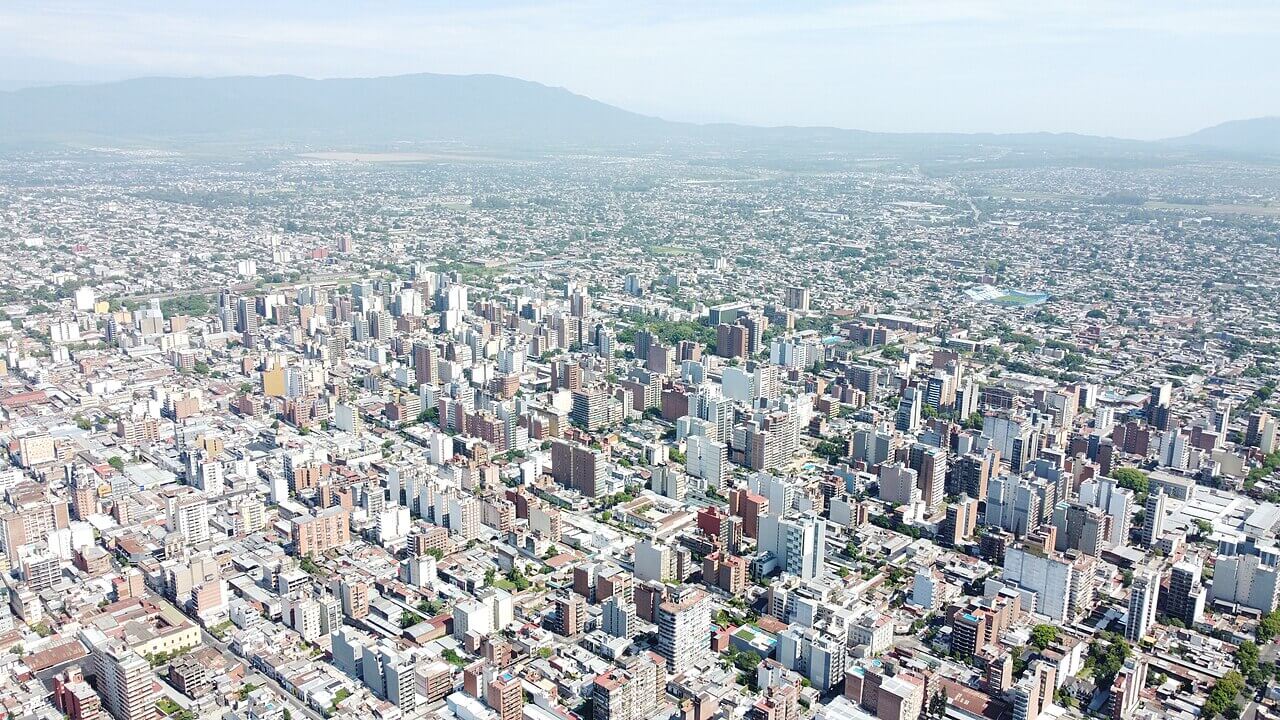
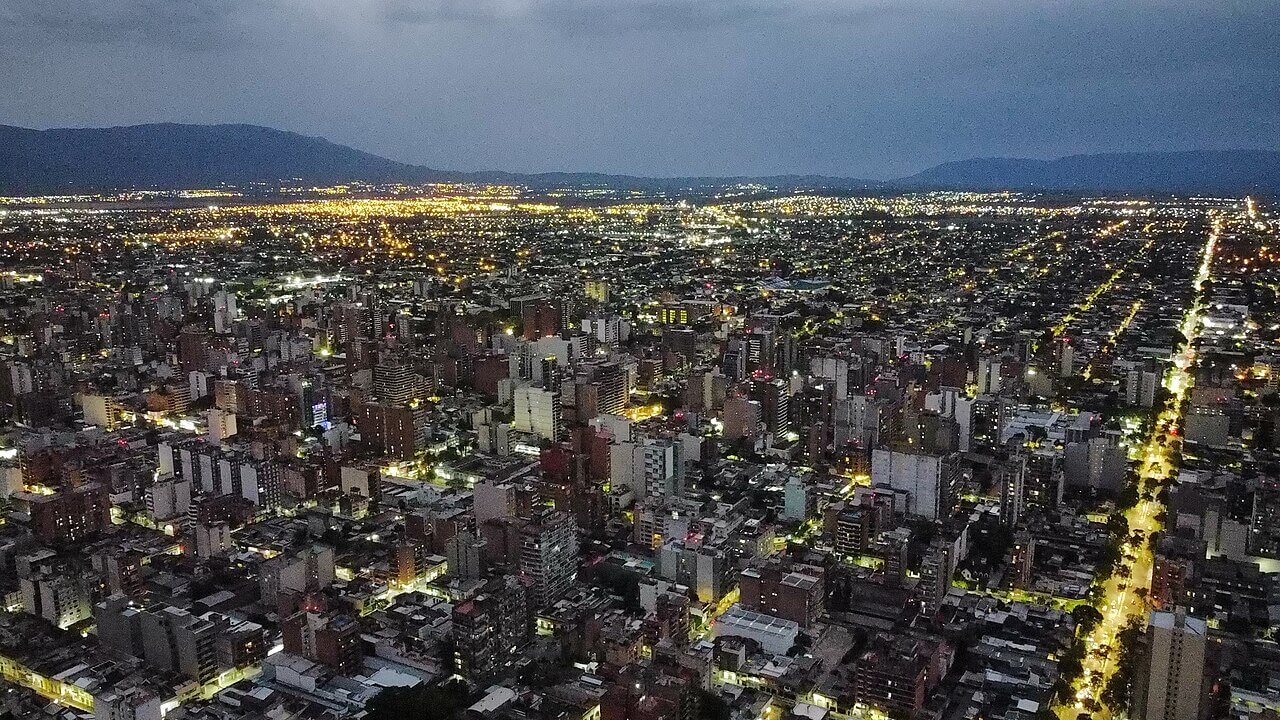
Located in northwestern Argentina at the foot of the scenic Aconquija Mountains, San Miguel de Tucumán—commonly known simply as Tucumán—stands as a city of profound historical significance and vibrant contemporary character. Positioned 1,311 kilometers (815 miles) northwest of Buenos Aires along the Salí River, this provincial capital, with approximately 1.05 million inhabitants, claims the distinction of being Argentina's fifth-largest city and the birthplace of the nation's independence. Known affectionately as "El Jardín de la República" (The Garden of the Republic) for its lush vegetation and favorable climate, Tucumán serves as the economic, cultural, and political heart of Argentina's smallest and most densely populated province. The city's strategic location at the transition zone between temperate southern climates and subtropical northern conditions has shaped both its ecology and its history, creating a dynamic urban center where colonial heritage meets modern industry, where revolutionary history resonates through tree-lined plazas, and where sugar cane fields stretch to mountain slopes that have witnessed centuries of transformation.
Geographic Setting and Climate
San Miguel de Tucumán lies along the Salí River and experiences a humid subtropical climate, with much more precipitation in the summer months than in winter. The average annual temperature is 19.3°C (66.7°F), with annual precipitation reaching approximately 966 millimeters (38 inches) following a monsoonal pattern.
The city's position at the foot of the Aconquija Mountains, part of the Sierras Pampeanas mountain system, provides dramatic vistas while moderating the local climate. The surrounding region encompasses varied landscapes from humid yungas forests on mountain slopes to drier plains extending eastward toward Santiago del Estero Province.
Historical Foundations
Spanish colonial governor Diego de Villarroel founded the settlement in 1565 at Ibatín on the Tejar River. The name "Tucumán" likely derives from Indigenous languages—possibly from the Quechua "Yucumán" meaning "place of origin of several rivers," or from the Diaguita word "taktikllakta" meaning "village with a splendid entrance."
Before Spanish colonization, the region lay at the outer limits of the Inca Empire and was inhabited by the Diaguitas and Tonocotes peoples. The city occupied a strategic position on the colonial route from Córdoba to the Spanish silver mines in Bolivia, conducting thriving wagon and harness trades while supplying draft animals for Peruvian mines.
After devastating floods, colonial authorities moved the capital to its present location in 1685, approximately 96 kilometers (60 miles) northeast, upstream on the Salí River. In 1776, the creation of the Viceroyalty of the Río de la Plata transferred control from Peru to Buenos Aires, reorienting the city's alignments toward the Atlantic coast.
The Cradle of Independence
San Miguel de Tucumán's defining moment came on July 9, 1816, when the Congress of Tucumán convened at the Casa de Tucumán and declared the independence of the United Provinces of the Río de la Plata—not only from Spain but from any foreign domination. This momentous declaration established Argentina as a sovereign nation and made Tucumán synonymous with Argentine nationhood and freedom.
Military victories paved the path to independence. In 1812, General Manuel Belgrano achieved a crucial victory at the Battle of Tucumán. With troops almost unarmed but reinforced by local gauchos calling themselves "Los decididos de Tucumán" (The Determined Ones of Tucumán), Belgrano defeated Spanish forces, securing a pivotal step toward independence.
The Basílica de Nuestra Señora de la Merced holds particular significance in this revolutionary history. General Belgrano named the image of the Virgin Mary under the invocation of Our Lady of Mercy as "Generala of the Argentine Army" on September 24, 1812, after his victory over Spanish royal forces.
The Sugar Economy and Industrial Development
The arrival of railways in 1876 and the introduction of sugarcane cultivation fundamentally transformed Tucumán's economy. Bishop José Eusebio Colombres, a congressman at the 1816 independence congress, founded the sugar industry in Tucumán, establishing it as the province's economic foundation.
The 2024 crushing season, which concluded on December 7 after 228 days of operation, underscores the industry's continued importance. Fourteen mills in Tucumán Province processed sugarcane, with production reaching its highest volume in eight years. Today, sugar mills comprise approximately 15% of the provincial economy, with the industry diversified into paper and alcohol production from sugarcane.
Manufacturing has diversified significantly since 1960. Food processing, textile production, automotive assembly, and metallurgical industries now complement sugar production. The freight-truck assembly plant operated by Swedish company Scania represents one of the province's most prominent industrial operations. The province has also become a major producer of lemons and blueberries, exporting approximately 80% of its harvest to international markets.
Cultural Heritage and Urban Landmarks
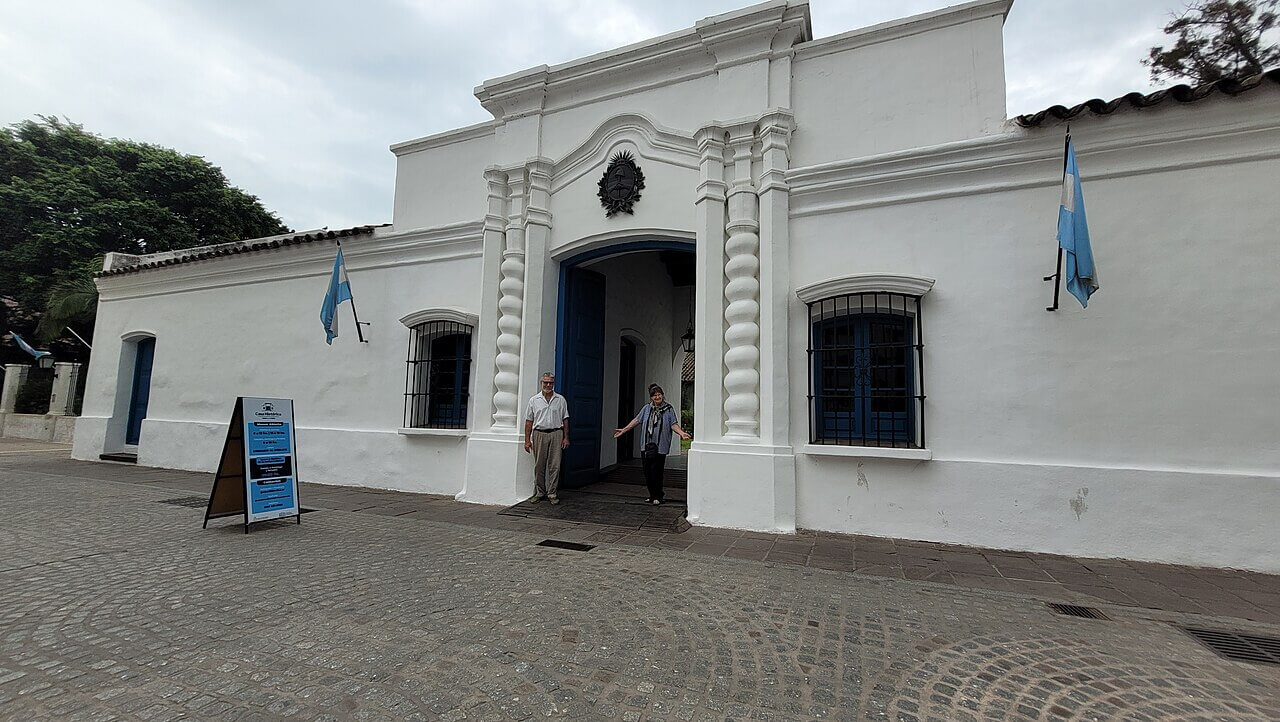
The historic center preserves significant colonial architecture alongside later European influences. The Casa Histórica de Tucumán (House of Independence), a colonial white house with its distinctive blue door, stands as the city's most significant building and national monument. After years of deterioration, the Argentine government acquired the historic house in 1874. Today it operates as a museum where visitors can explore Argentina's revolutionary history.
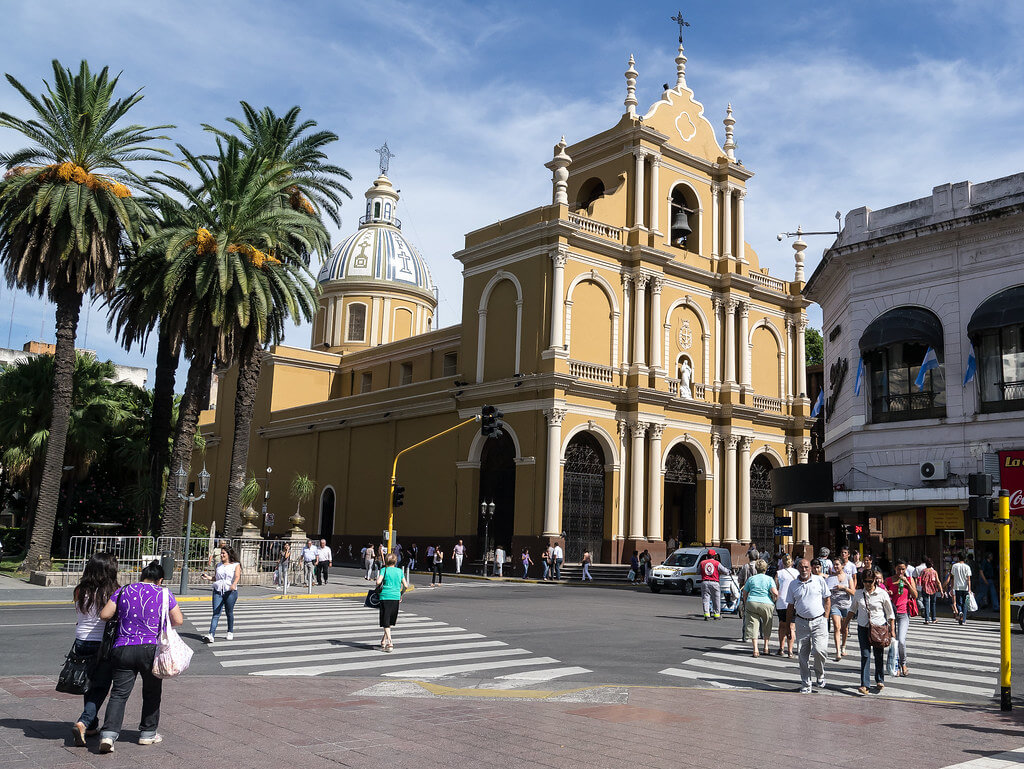
The San Miguel de Tucumán Cathedral, located on Plaza Independencia, preserves colonial elements alongside Italian architectural influences. Other significant religious buildings include the Basílica de San Francisco, Basílica de Nuestra Señora de la Merced, and Basílica del Santísimo Sacramento.
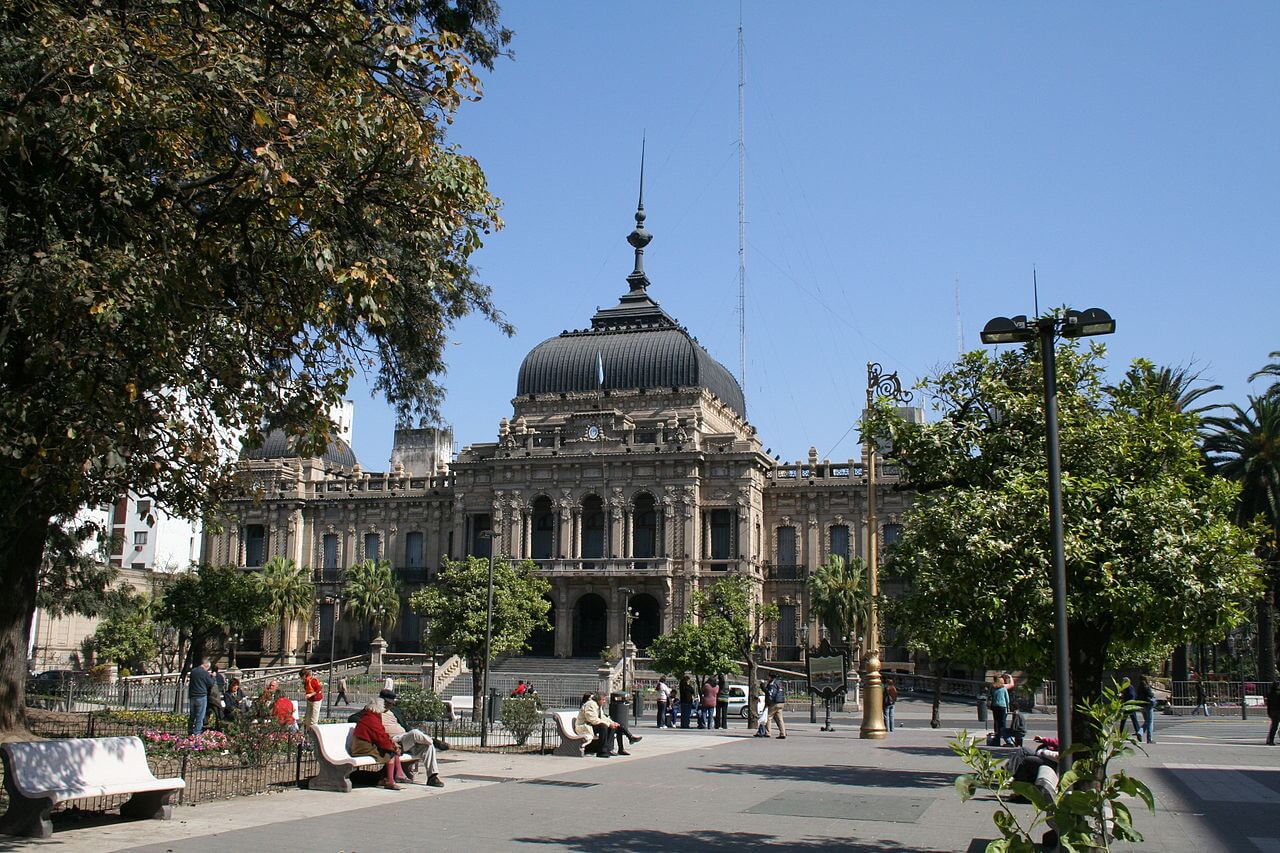
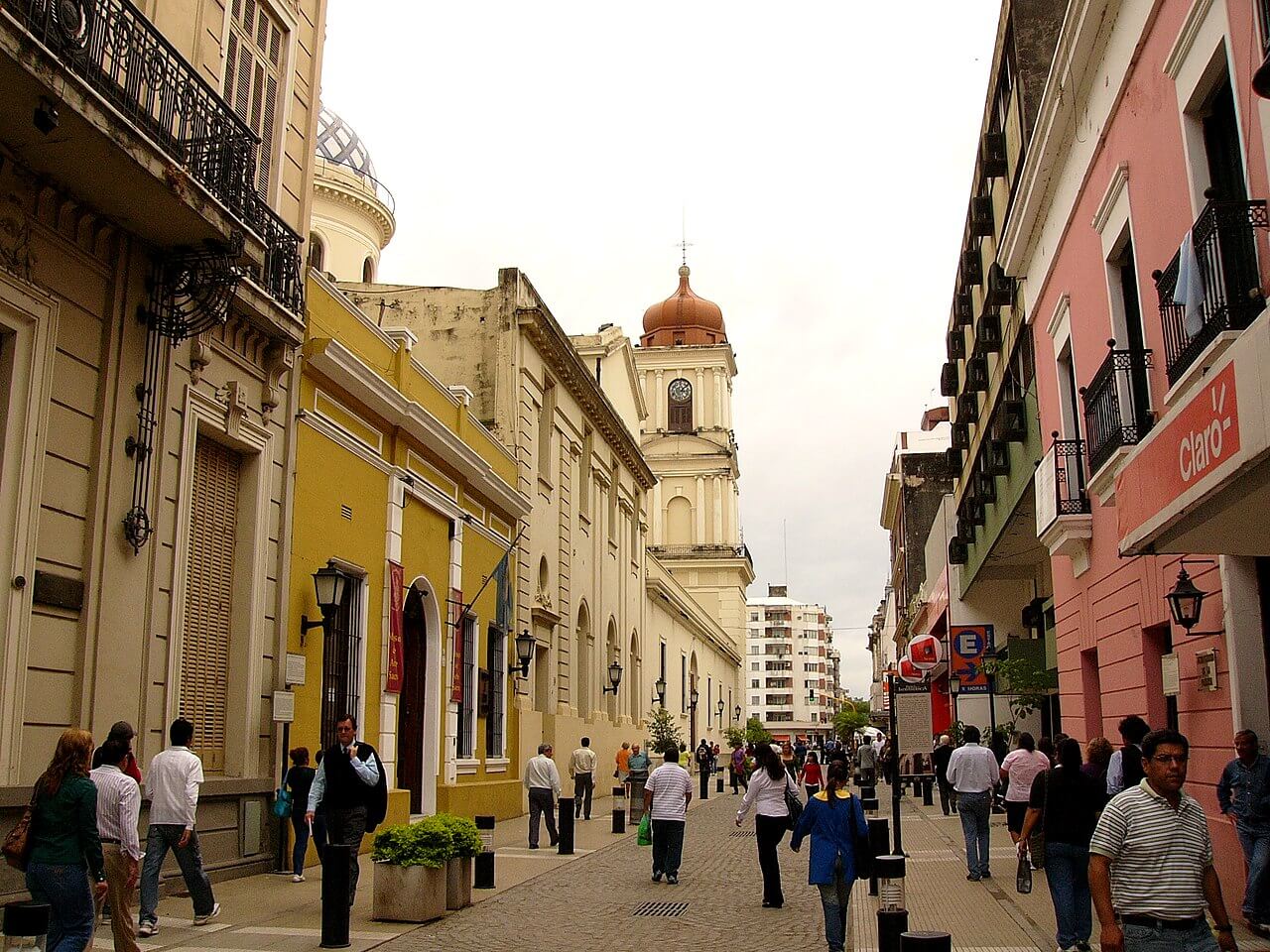
Plaza Independencia forms the heart of downtown Tucumán, surrounded by restaurants, the Casa de Gobierno (Government House) with its impressive Doric columns, and Teatro Mercedes Sosa. Adjacent to the plaza, Paseo de la Independencia functions as the city's main pedestrian street, lined with shops and cafes.
The Ninth of July Park (Parque 9 de Julio), established in the early 1900s and covering approximately 40 hectares (100 acres), provides extensive green space within the urban environment. The park houses the Casa del Obispo Colombres Sugar Industry Museum, displaying the beginnings of Tucumán's sugar industry through period furniture, machinery, including the province's first wooden mill, and exhibits documenting the industry's evolution.
The Dark Years: Violence and Repression
The 1970s brought tragedy to Tucumán. The province became a center of guerrilla activity, leading to violent confrontations. In 1975, President Isabel Perón declared a state of emergency. She launched Operation Independence, an official military campaign that proved brutal toward local magistrates, lawmakers, and faculty, as well as toward its stated target.
Because of its strong labor unions connected to the sugar industry, Tucumán became a focal point of severe repression during Argentina's Dirty War (Guerra Sucia) from 1976 to 1983. This dark chapter left deep scars on the community and remains an important part of the city's collective memory.
Education and Contemporary Life
San Miguel de Tucumán serves as a major educational center in northwestern Argentina. The Universidad Nacional de Tucumán enrolls approximately 60,000 students, making it one of the region's most important public universities. Universidad de San Pablo-T operates from the former San Pablo Sugar Mill—a symbolic repurposing of industrial heritage for educational purposes.
Transportation infrastructure connects Tucumán to the broader region. The Estación Central de Ómnibus (Central Bus Station), opened in 1994 and covering 30,000 square meters (323,000 square feet), ranks among Argentina's largest bus terminals with hundreds of daily services throughout the country.
The Teniente General Benjamín Matienzo International Airport, located 12 kilometers (7.5 miles) east of the city, serves over 290,000 passengers annually with daily flights to Buenos Aires, Jujuy, Santiago del Estero, and international flights to Santa Cruz de la Sierra, Bolivia.
The Panamerican Highway (Route 9) crosses San Miguel de Tucumán, linking it with Santiago del Estero to the north and Buenos Aires to the south, facilitating commerce and travel throughout the region.
Tourism and Regional Attractions
Cultural and sports tourism attracts visitors to Tucumán year-round. The city serves as a base for exploring the broader province's attractions, including Campo de los Alisos National Park, the Valles Calchaquíes, Tafí del Valle, and the Ruins of Quilmes, an archaeological site preserving pre-Columbian Indigenous civilizations.
Tafí del Valle, accessible through enchanting mountain roads, offers a paradise combining deserts, meadows, forests, and subtropical yungas. The valley lies between the Sierra del Aconquija and Cumbres Calchaquíes, creating dramatic landscapes. The region protects native fauna, including guanacos (Lama guanicoe), neotropical otters (Lontra longicaudis), and Andean mountain cats (Leopardus jacobita).
Villa Nougués, accessible via mountain roads through humid rainforest, resembles a fairy-tale village nestled in the mountains. The Jesuit Ruins of San José de Lules preserve the site of the province's first sugar mill, documenting colonial-era industry and the Jesuit presence in the region.
The Cane Sugar Route (Ruta del Azúcar) offers tourists opportunities to visit operating mills during harvest season, such as La Florida mill, founded in 1894. This thematic route traces the evolution of sugar production from artisanal beginnings to contemporary industrialization.
The Path Forward
San Miguel de Tucumán stands at the intersection of historical significance and contemporary challenges. As Argentina's fifth-largest city, Tucumán faces the typical pressures of urbanization, economic development, and social change.
The sugar industry, while still important, represents a smaller share of the diversified economy than in previous generations. Efforts to develop manufacturing, technology, services, and agricultural exports beyond sugar reflect recognition that economic resilience requires diversification. The transformation of the former San Pablo Sugar Mill into a university campus symbolizes this evolution—repurposing industrial heritage for educational advancement.
Tourism development offers significant potential, leveraging the city's unparalleled historical importance as the birthplace of Argentine independence, its well-preserved colonial architecture, and its position as a gateway to the spectacular natural and cultural attractions of the broader Tucumán Province.
Education through major universities positions Tucumán as an intellectual center for northwestern Argentina. The memory of the violence and repression of the 1970s and 1980s remains part of Tucumán's identity, a reminder of the costs of political extremism and authoritarian governance.
As San Miguel de Tucumán moves forward, it carries the weight and pride of being the place where Argentine independence was declared—a responsibility to preserve its historical heritage while building a prosperous, equitable, and sustainable future for its million-plus inhabitants.