
Chiapas Highlands: A Tapestry of Tradition and Biodiversity
The Chiapas Highlands in southeastern Mexico combine rugged mountains, cloud forest, and Maya ruins with the living Tzotzil and Tzeltal communities of San Juan Chamula and Zinacantán — the same highlands where, in January 1994, the Zapatista uprising began in the streets of San Cristóbal de las Casas.


The Chiapas Highlands: Maya Ruins, Living Traditions, and the Birthplace of the Zapatista Uprising
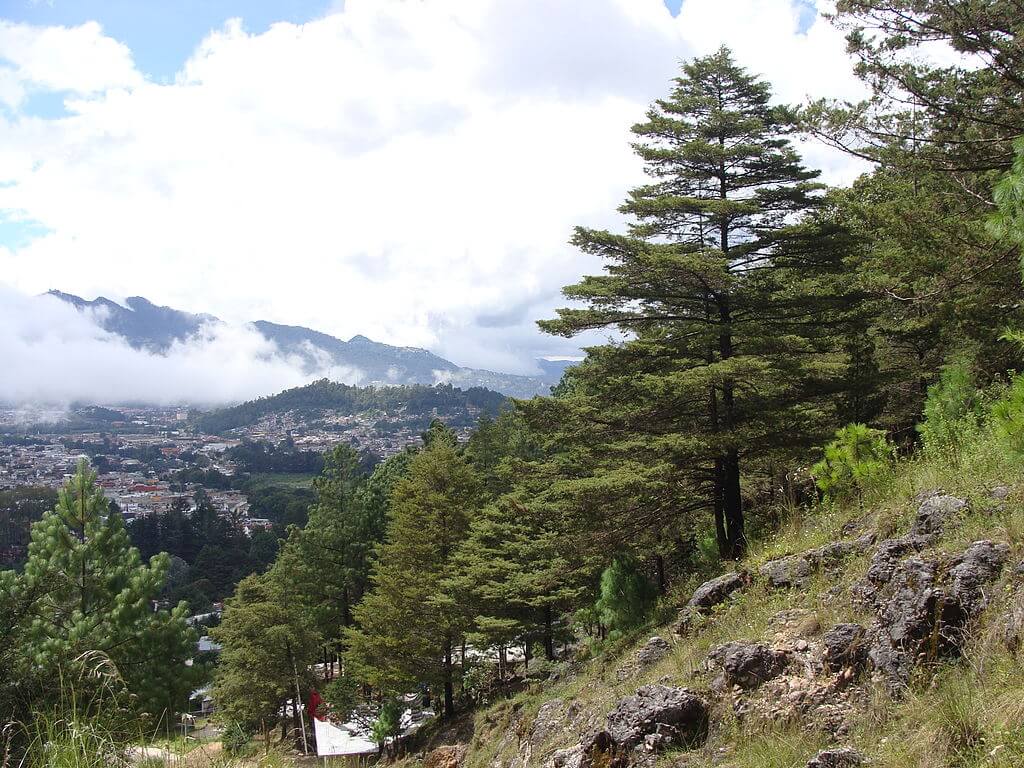
The Chiapas Highlands, located in southeastern Mexico, are a region of stunning natural beauty and profound cultural richness. Nestled within the state of Chiapas, this area is characterized by its rugged mountains, lush forests, and vibrant Indigenous communities. With elevations ranging from 1,200 to 2,800 m (3,900 to 9,200 ft), the highlands offer a temperate climate and breathtaking landscapes, making them an alluring destination for travelers, researchers, and conservationists alike. The region is home to ancient Mayan ruins, bustling markets, and ecological wonders, offering a multifaceted experience that captures the essence of Mexico's heritage and biodiversity.
A Landscape of Contrasts
The Chiapas Highlands are part of the Sierra Madre de Chiapas, a mountain range that spans the southern part of the state. The region's dramatic terrain includes steep ridges, deep valleys, and extensive plateaus. Its fertile soil supports dense forests of oak, pine, and cloud forest species, providing a habitat for a diverse array of flora and fauna. Rivers and waterfalls also crisscross the area, adding to its scenic appeal.
Distinction and Connection with the Sierra Madre de Chiapas
The Chiapas Highlands and the Sierra Madre de Chiapas are distinct but interconnected. The Chiapas Highlands are drained by the Usumacinta River to the north and east, and the Grijalva River to the south. In contrast, the Sierra Madre de Chiapas forms the divide between these river basins and those that drain southwards into the Pacific Ocean. Elevation further distinguishes the two regions: the Chiapas Highlands vary from 300 to 2,898 m (980 to 9,510 ft) above sea level, while the Sierra Madre de Chiapas includes higher peaks, such as Tacaná Volcano, which rises to 4,060 m (13,320 ft) on the Mexico-Guatemala border. Despite their differences, these regions merge as they extend southeastward, forming the Cuchumatanes in Guatemala.
Unique Ecosystems
The highlands host several unique ecosystems, including the Lacandon Rainforest on their eastern edge. This biodiverse area is home to jaguars (Panthera onca), Guatemalan black howler monkeys (Alouatta pigra), and hundreds of bird species. Efforts to protect these ecosystems have led to the establishment of reserves such as the Montes Azules Biosphere Reserve, which plays a vital role in conserving regional biodiversity. The Sierra Madre de Chiapas adds ecological richness, including mid- and high-altitude rainforests.
Ancient Mayan Heritage
The Chiapas Highlands are steeped in history, with archaeological sites that reflect the grandeur of the ancient Mayan civilization. Toniná, an impressive site near the highlands, features towering pyramids and intricate carvings that offer insights into Mayan cosmology and governance. The region also serves as a gateway to Palenque, one of Mexico's most famous Mayan cities, known for its exquisite architecture and inscriptions.
Indigenous Communities and Traditions
Today, the highlands are home to a large population of Indigenous peoples, primarily Tzotzil and Tzeltal Maya, alongside Tojolabal, Chol, and Mam communities in surrounding areas. These communities have preserved their languages, traditional clothing, and artisanal crafts, contributing to the region's rich cultural tapestry. Local markets, such as those in San Cristóbal de las Casas, showcase handcrafted textiles, pottery, and jewelry, offering visitors a chance to appreciate and support these traditions.
This same cultural landscape was also the setting for one of modern Mexico's most significant Indigenous political movements. In the early hours of January 1, 1994, the day the North American Free Trade Agreement took effect, the Zapatista Army of National Liberation (EZLN), an armed movement drawn overwhelmingly from Tzotzil, Tzeltal, Tojolabal, Chol, and Mam communities, occupied San Cristóbal de las Casas and several other highland towns, declaring war on the Mexican state in protest of the poverty, land dispossession, and marginalization facing Indigenous Chiapas. A ceasefire followed within days, and the conflict never resumed at the same scale, but the EZLN has continued to govern a network of autonomous municipalities across the highlands ever since, organized around principles of Indigenous self-determination and communal land rights. Three decades on, the movement remains a defining feature of the region's political identity, and its legacy is inseparable from the same highland communities whose textiles and traditions draw visitors to San Cristóbal's markets today.
San Juan Chamula and Zinacantán
The villages of San Juan Chamula and Zinacantán exemplify the highlands' unique blend of pre-Columbian and Christian traditions. In San Juan Chamula, the church is a spiritual hub where rituals incorporate Catholic and Mayan elements, featuring candles, incense, and ceremonial chants. Zinacantán, renowned for its vibrant floral embroidery, invites visitors to observe its weaving practices and participate in cultural exchanges.
Colonial Architecture in San Cristóbal de las Casas
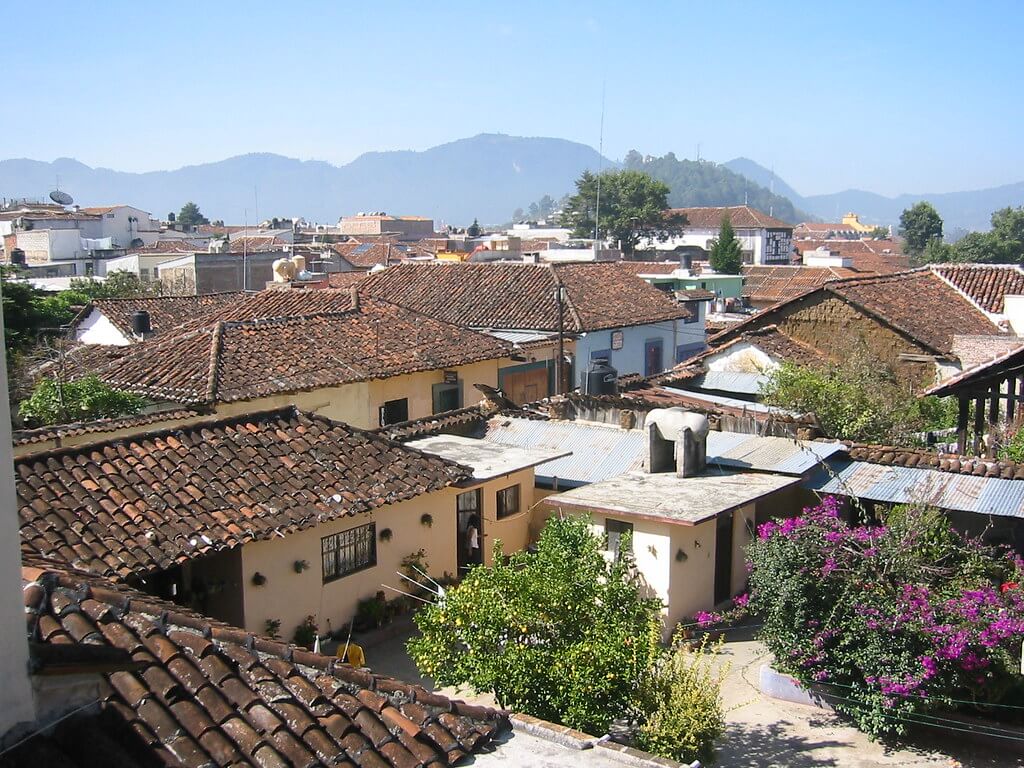
The highlands' colonial legacy is epitomized by San Cristóbal de las Casas, a city with cobblestone streets, colorful facades, and historic churches. The Santo Domingo Church and Ex-Convent stand out for their Baroque architecture and detailed carvings, while the Cathedral of San Cristóbal anchors the city's central plaza. These landmarks reflect the blending of Spanish and Indigenous influences that define the region.
Traditional Crafts
Artisanry thrives in the highlands, with crafts that reflect both utility and artistry. Textiles woven on backstrap looms are among the most celebrated, often featuring intricate patterns that tell stories or symbolize aspects of Mayan cosmology. Pottery, wood carving, and beadwork are other popular crafts, many of which are made using methods passed down through generations.
Sumidero Canyon
Although located slightly outside the highlands, Sumidero Canyon is a must-visit natural wonder for those exploring Chiapas. Its towering walls, reaching heights of up to 1,000 m (3,300 ft), and the Grijalva River that runs through it create a dramatic and serene landscape. Boat tours offer opportunities to spot wildlife, including crocodiles and herons, while learning about the canyon's geological and cultural history.
Lagunas de Montebello
The Lagunas de Montebello, a series of more than 50 lakes near the Guatemalan border, are renowned for their striking colors, which range from turquoise to emerald green. Surrounded by pine forests, the lakes are a favorite destination for kayaking, hiking, and picnicking. The tranquility of the surrounding landscapes enhances their beauty.
Conservation Efforts
The Chiapas Highlands face challenges such as deforestation, climate change, and tourism pressures. However, numerous conservation initiatives aim to protect the region's natural and cultural heritage. Community-led ecotourism projects, sustainable agriculture practices, and reforestation programs are helping to ensure that the highlands remain a haven for future generations.
Cultural Preservation
As globalization impacts traditional ways of life, efforts to preserve Indigenous languages and customs are gaining momentum. Educational programs, cultural festivals, and collaborations between local communities and NGOs play a crucial role in maintaining the highlands' cultural vitality, even as the region's Zapatista-governed municipalities pursue a parallel, more explicitly political model of preserving Indigenous self-determination alongside cultural tradition.
Conclusion
The Chiapas Highlands are a region of extraordinary beauty and cultural depth, offering a unique blend of natural wonders, historical treasures, and living traditions. From the ancient ruins of the Maya to the vibrant markets of today's Indigenous communities, and from the 1994 Zapatista uprising to the autonomous municipalities that persist today, the highlands invite exploration and reflection on both their deep past and their unfinished present. Their interconnectedness with the Sierra Madre de Chiapas adds to the region's geographical and ecological complexity. By valuing and protecting this remarkable region, both residents and visitors contribute to its enduring legacy.