
The Lacandón Forest and Montes Azules Biosphere Reserve: A Critical Link in Mesoamerica's Green Corridor
In southeastern Mexico, the Lacandón Forest is a vital component of the Mesoamerican Biological Corridor that links protected areas across Mexico to Panama, aiming to preserve biodiversity. Within it, the Montes Azules Biosphere Reserve is likely the most biodiverse protected area in Mexico.


Guardians of Biodiversity: How the Lacandón Forest and Montes Azules Reserve Anchor Central America's Greatest Conservation Initiative
In the verdant highlands and lowlands of southeastern Mexico, where mist clings to ancient ceiba trees and howler monkeys announce each dawn, lies one of North America's most extraordinary natural treasures. The Lacandón Forest, locally known as the Selva Lacandona, represents far more than just a mere expanse of tropical rainforest. This 1.8 million-hectare (4.4 million-acre) biological sanctuary serves as a crucial anchor point in the Mesoamerican Biological Corridor, a groundbreaking conservation initiative that stretches from Mexico to Panama, connecting protected areas across eight nations in an unprecedented effort to maintain biodiversity and ecological connectivity throughout Central America.
The forest's significance extends beyond its impressive scale to encompass its role as a living bridge between continents, where North American and South American species converge in spectacular diversity. Within its boundaries, the Montes Azules Biosphere Reserve stands as one of the most biodiverse protected areas in Mexico, harboring ecosystems that have remained largely unchanged since the time of the Classic Maya, over a millennium ago.
Ecological Tapestry of Unparalleled Diversity
The Lacandón Forest represents a masterpiece of natural architecture, where towering emergent trees reach skyward heights of 50 to 60 meters (164 to 197 feet), their canopies forming a living cathedral that shelters one of the most complex ecosystems on Earth. The forest's topographical diversity creates a mosaic of habitats ranging from lowland tropical rainforests along river valleys to montane cloud forests that crown the region's highest peaks.
Within this ecological tapestry, over 1,500 tree species create the structural foundation for countless other organisms. Majestic Ceiba pentandra trees, considered sacred by the Maya, reach heights of 70 meters (230 feet) and stand alongside economically valuable species such as mahogany (Swietenia macrophylla) and tropical cedar (Cedrela odorata). The understory reveals remarkable diversity in species such as Guatteria anomala and various Inga species, while the forest floor supports an intricate network of palms, ferns, and countless epiphytes that create vertical gardens on every available surface.
The fauna of the Lacandón represents one of the most spectacular assemblages of Neotropical wildlife found anywhere in North America. More than 390 species of birds have been recorded in the reserve, nearly half of all known species in Mexico. These include the resplendent quetzal (Pharomachrus mocinno), whose iridescent plumage once adorned Maya royalty, and the harpy eagle (Harpia harpyja), the apex predator of the forest canopy. The famous jaguar (Panthera onca), the largest cat in the Americas, prowls these forests alongside the elusive ocelot (Leopardus pardalis) and margay (Leopardus wiedii).
Among the forest's most remarkable inhabitants is the Baird's tapir (Tapirus bairdii), Central America's largest land mammal, whose presence indicates the health of intact forest ecosystems. There are 116 species of mammals present, including the white-lipped peccary (Tayassu pecari) and the endangered Central American spider monkey (Ateles geoffroyi), whose acrobatic movements through the canopy serve as a living symbol of the forest's vitality.
The Mesoamerican Biological Corridor: A Vision of Continental Conservation
The Lacandón Forest's true significance becomes apparent when viewed within the context of the Mesoamerican Biological Corridor (MBC), a program that "integrates protection areas into a single, functional conservation area" designed to promote "regional scale connectivity of protected areas with sustainable development and improvement of human livelihoods." This ambitious initiative represents one of the world's most comprehensive approaches to transboundary conservation, recognizing that biodiversity preservation requires thinking beyond individual protected areas to encompass entire landscapes and migration routes.
The corridors will promote the balance of land and coastal ecosystems within a sustainable development framework. In addition to biodiversity significance, the proposed corridors will be selected to optimize connectivity among protected areas. The Lacandón Forest and its crown jewel, the Montes Azules Biosphere Reserve, serve as a critical hub in this network, providing essential habitat connectivity between Mexico's Yucatán Peninsula and the protected areas of Guatemala and Belize.
Within Mexico's portion of the corridor, 33 protected areas covering 18.8% of the territory in southeastern states work together to maintain ecological processes across vast landscapes. As a regional conservation project, the purpose of the Mesoamerican Biological Corridor in Mexico was to maintain landscape connectivity, ensuring the permanence of species and ecological processes. The success of this initiative depends heavily on anchor areas, such as the Lacandón, which provide source populations and genetic diversity necessary for the long-term viability of species throughout the corridor.
The corridor concept acknowledges that the MBC aims to preserve biodiversity by maintaining biological connectivity through conservation measures on private land, promoting environmentally friendly production alternatives, and facilitating the development of sustainable economic activities that support both conservation goals and local communities. This integrated approach recognizes that effective conservation in the 21st century must balance the needs of human populations with the preservation of ecological integrity.
Montes Azules: The Crown Jewel of Conservation
At the heart of the Lacandón Forest lies the Montes Azules Biosphere Reserve, a 331,200-hectare (818,400-acre) sanctuary that represents one of Mexico's most successful conservation achievements. Established in 1978, this UNESCO-designated biosphere reserve exemplifies the integrated approach to conservation that characterizes the modern environmental movement, striking a balance between the strict protection of core areas and sustainable use zones that accommodate both human communities and wildlife.
The reserve's strategic position between the Lacantún and Locania rivers creates a natural amphitheater of biodiversity where 500 species of trees create habitat for an extraordinary array of wildlife. The reserve serves as more than just a protected area; it functions as a genetic reservoir and dispersal center for species throughout the region, maintaining the evolutionary processes that have shaped Mesoamerican biodiversity for millions of years.
Within Montes Azules, visitors encounter landscapes that seem unchanged since the time of the ancient Maya. Primary forests stretch unbroken across rolling hills and river valleys, creating habitat for species that require large territories and undisturbed ecosystems. The reserve hosts populations of all six species of Central American cats, from the powerful jaguar to the diminutive oncilla (Leopardus tigrinus), making it one of the few places in North America where such remarkable feline diversity persists.
The reserve's avian diversity reflects its position at the convergence of multiple biogeographic regions. Resident species, such as the great curassow (Crax rubra) and the ornate hawk-eagle (Spizaetus ornatus), share their habitat with seasonal migrants that depend on the forest during their epic journeys between breeding and wintering grounds. The presence of specialist species such as the azure-rumped tanager (Tangara cabanisi), found only in a handful of locations in southern Mexico and Guatemala, underscores the reserve's importance for endemic Mesoamerican fauna.
Cultural Landscapes and Indigenous Stewardship
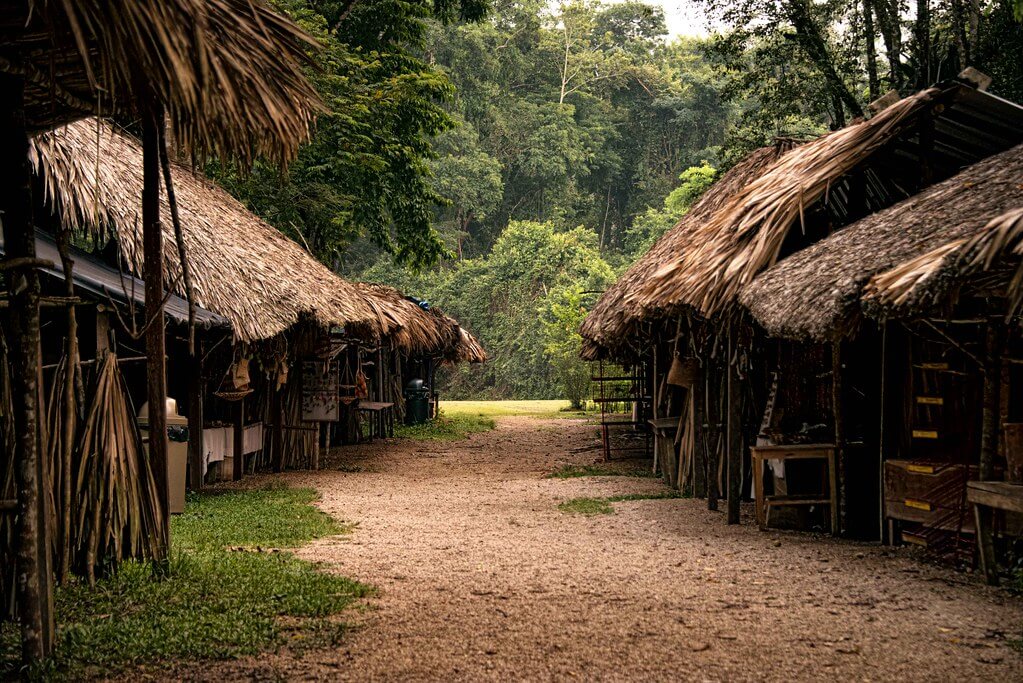
The story of the Lacandón Forest cannot be told without acknowledging the profound relationship between its Indigenous inhabitants and the natural world they have called home for centuries. The Lacandón Maya, descendants of ancient Maya civilizations who sought refuge in these remote forests during the Spanish colonial period, have maintained cultural traditions that recognize the forest as a living entity deserving of respect and careful stewardship.
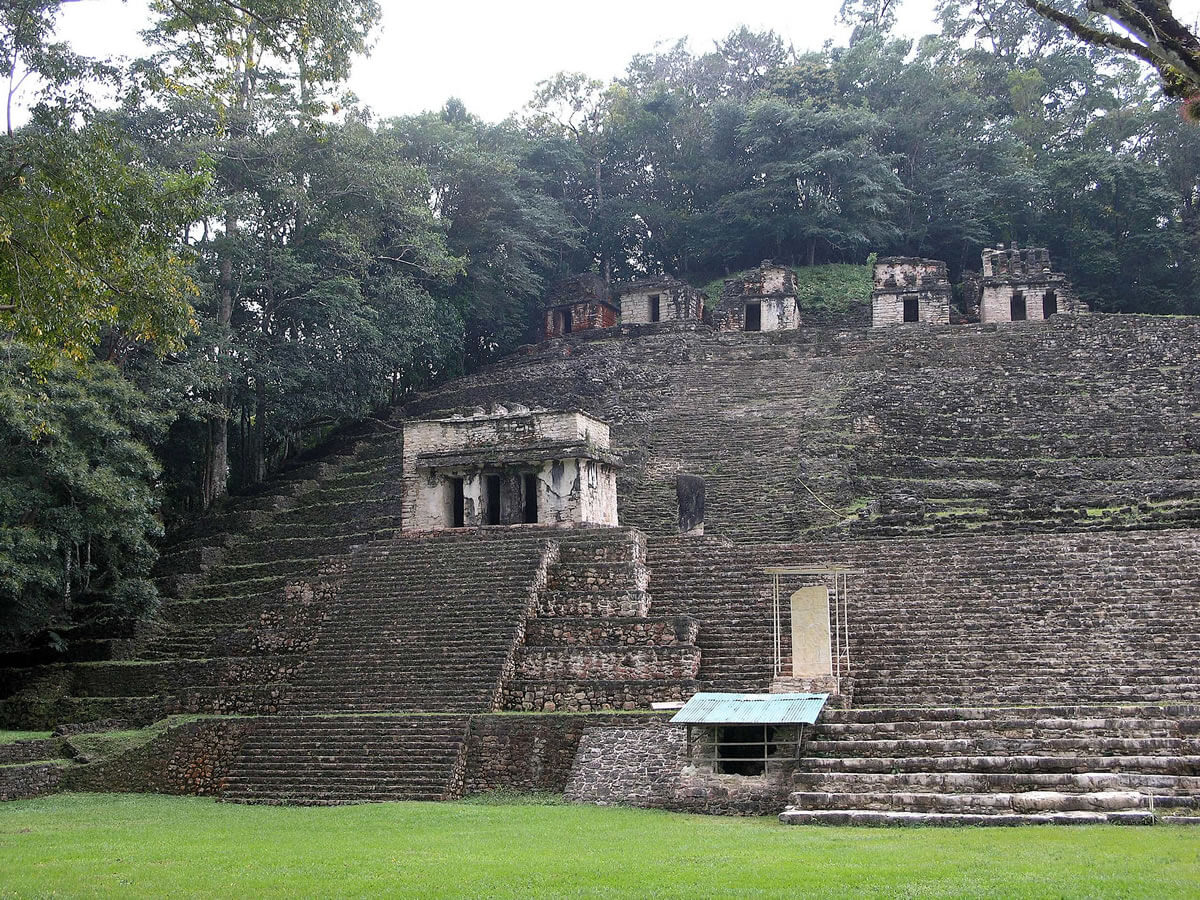
Today, approximately 650 people speak the Lacandón language, maintaining a direct linguistic connection to pre-Columbian Mesoamerica. The community is organized into northern and southern groups, with the northern Lacandón centered in communities such as Najá and Mensabäk, while the southern Lacandón live primarily around Lacanhá Chan Sayab, near the spectacular Maya archaeological site of Bonampak.
The Lacandón worldview encompasses a sophisticated understanding of forest ecology that has enabled them to live sustainably within one of the world's most complex ecosystems for generations. Their traditional agricultural practices, based on small-scale milpas (forest gardens) that mimic natural forest succession, demonstrate how human communities can integrate with rather than dominate natural systems. These practices include the cultivation of native crop varieties, such as heirloom corn, beans, and squash, alongside the management of forest products, including copal incense (Protium copal) and chicle from the sapodilla tree (Manilkara zapota).
The integration of Indigenous knowledge with modern conservation science has become increasingly important as protected area managers recognize the value of traditional ecological knowledge in understanding long-term environmental patterns and sustainable management practices. The Lacandón people's intimate knowledge of seasonal patterns, plant uses, and animal behavior provides insights that complement scientific research and contribute to more effective conservation strategies.
Archaeological Treasures in the Green Cathedral
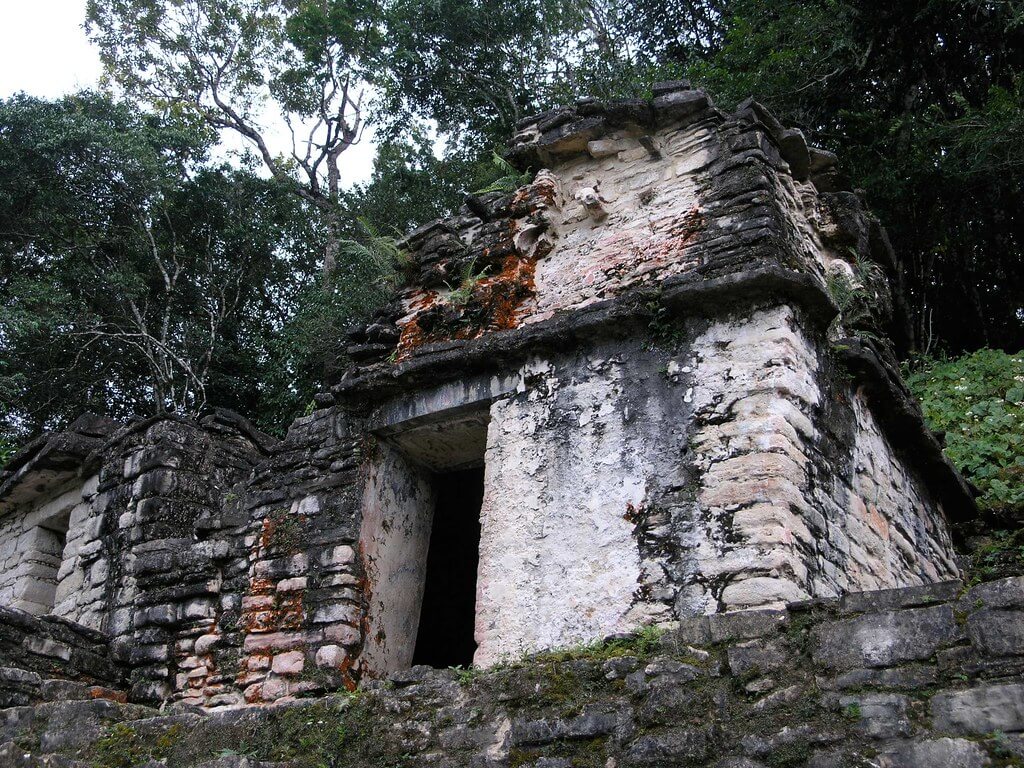
Embedded within the forest's emerald embrace lie some of Mesoamerica's most spectacular archaeological sites, a testament to the sophisticated civilizations that flourished here for over two millennia. Palenque, perhaps the most famous of these ancient cities, showcases the architectural and artistic achievements of the Classic Maya civilization through its precisely carved temples and intricate hieroglyphic inscriptions, which have revolutionized our understanding of Maya history and culture.
The lesser-known but equally spectacular sites of Yaxchilan and Bonampak offer additional windows into the Maya past. Yaxchilan, situated strategically on a bend of the Usumacinta River, boasts some of the finest stone sculpture produced by Maya artists, including detailed scenes of royal ceremonies and warfare that offer insights into the political dynamics of ancient Mesoamerica. Bonampak, renowned for its remarkably well-preserved murals depicting court life and ritual activities, exemplifies the sophisticated artistic traditions that flourished in these forest communities.
These archaeological sites serve as more than tourist attractions; they represent integral components of the forest ecosystem and the cultural landscape that Indigenous communities continue to inhabit and rely on. The sites provide habitat for numerous species, including bats that roost in ancient temples and birds that nest in the crevices of carved monuments. The relationship between archaeological preservation and biodiversity conservation illustrates how cultural and natural heritage are intricately intertwined, necessitating integrated management approaches.
Recent archaeological discoveries continue to reveal the extent of ancient Maya settlement in the region. Advanced remote sensing technologies, including LiDAR surveys, have identified previously unknown sites hidden beneath the forest canopy, suggesting that the relationship between Maya civilization and the Lacandón Forest was even more extensive than previously understood. These discoveries have implications for both archaeological research and conservation planning, as they reveal the long history of human-environment interaction that has shaped the forest's current characteristics.
Conservation Challenges in a Changing World
Despite its protected status and international recognition, the Lacandón Forest faces mounting pressures that threaten its ecological integrity and the success of broader conservation efforts within the Mesoamerican Biological Corridor. Deforestation driven by cattle ranching and agricultural conversion continues to fragment forest habitat, reducing connectivity between protected areas and isolating wildlife populations. Illegal logging, particularly targeting valuable hardwood species such as mahogany and cedar, removes key structural elements of the forest ecosystem while disrupting the economic incentives that support community-based conservation efforts.
Climate change adds another layer of complexity to conservation challenges. Rising temperatures and altered precipitation patterns may shift the geographic ranges of species, potentially moving optimal habitat conditions beyond the boundaries of existing protected areas. The forest's cloud forest ecosystems, which depend on consistent moisture and moderate temperatures, appear particularly vulnerable to climatic shifts that could alter the fog patterns essential for their survival.
The interface between protected areas and surrounding agricultural landscapes presents ongoing management challenges. Edge effects, including increased temperature, reduced humidity, and altered light conditions, can penetrate hundreds of meters into forest fragments, effectively reducing the area of intact habitat available for forest-dependent species. Managing these edge effects requires coordinated planning that extends well beyond protected area boundaries to encompass entire watersheds and migration corridors.
Population growth and economic development pressures in the broader region create additional challenges for long-term conservation. As traditional economic activities become less viable, communities may turn to more intensive land uses that are incompatible with biodiversity conservation. Addressing these challenges requires innovative approaches that provide economic alternatives while maintaining ecological values.
Sustainable Solutions and Community Partnerships
The future of the Lacandón Forest depends on developing and implementing conservation strategies that address both ecological and social needs. Community-based conservation initiatives have shown particular promise, recognizing that local communities are essential partners in protecting biodiversity. These initiatives often focus on developing sustainable economic alternatives, such as ecotourism, sustainable forest product harvesting, and payments for ecosystem services, which provide financial incentives for forest conservation.
Ecotourism, when properly managed, offers significant potential for generating income while creating incentives for conservation. The region's spectacular wildlife, archaeological sites, and cultural attractions draw visitors from around the world, providing employment opportunities for local communities while raising awareness about conservation needs. However, successful ecotourism requires careful planning to minimize environmental impacts while maximizing benefits for local communities.
Sustainable forest management practices provide an alternative pathway for balancing conservation with economic development. Certified forestry operations that maintain forest cover while selectively harvesting timber can provide income for communities while preserving habitat for wildlife. Similarly, the sustainable harvest of non-timber forest products such as medicinal plants, fruits, and fibers can support traditional livelihoods while maintaining forest ecosystems.
Payment for ecosystem services programs represent an emerging approach to conservation financing that compensates landowners for maintaining forests that provide valuable services such as carbon sequestration, watershed protection, and biodiversity conservation. These programs recognize the global benefits provided by tropical forests and create economic incentives for their protection.
Scientific Research and Monitoring
The Lacandón Forest serves as a natural laboratory for scientific research, contributing to our understanding of tropical forest ecology and conservation biology. Long-term research programs have documented population trends for key species, monitored forest dynamics, and studied the effects of climate change on tropical ecosystems. This research provides essential information for adaptive management approaches that can respond to changing conditions while maintaining conservation objectives.
Collaborative research programs between Mexican and international institutions have produced important insights into tropical forest conservation. Studies of jaguar ecology have revealed the large territory requirements of this apex predator and the importance of maintaining connectivity between forest fragments. Research on bird migration patterns has documented the critical role of the forest in supporting North American migrants during the winter months, highlighting the international importance of tropical forest conservation.
Monitoring programs utilizing modern technology, including satellite imagery, camera traps, and acoustic monitoring systems, provide new tools for tracking ecosystem health and wildlife populations. These technologies enable researchers and managers to monitor large areas efficiently while minimizing disturbance to wildlife. Integration of traditional ecological knowledge with modern monitoring techniques creates a more comprehensive understanding of ecosystem dynamics.
A Vision for the Future
The Lacandón Forest and Montes Azules Biosphere Reserve represent more than important protected areas; they embody a vision of conservation that recognizes the interconnectedness of natural and cultural systems across landscapes and national boundaries. Their role within the Mesoamerican Biological Corridor illustrates how local conservation efforts contribute to the preservation of regional and global biodiversity.
The success of conservation efforts in the Lacandón will depend on continued collaboration between government agencies, Indigenous communities, scientific institutions, and civil society organizations. This collaboration must address the complex relationships between conservation, sustainable development, and social justice while maintaining focus on the long-term goal of preserving biodiversity for future generations.
As climate change and other global challenges create new pressures on tropical forest ecosystems, the importance of places like the Lacandón Forest will only increase. These areas serve as refugia for species threatened by environmental change while providing essential ecosystem services that benefit both local and global communities. The investment in protecting and sustainably managing these areas represents one of the most important contributions we can make to ensuring a biodiverse and sustainable future.
The Lacandón Forest stands as a testament to the possibility of balancing human needs with biodiversity conservation, demonstrating that with careful planning, community engagement, and sustained commitment, it is possible to maintain the ecological integrity of one of the world's most important biodiversity hotspots. In the rustling of ceiba leaves and the calls of howler monkeys, in the ancient stones of Maya temples and the traditional knowledge of Indigenous communities, the forest continues to tell its story of resilience, adaptation, and hope for the future of conservation in Mesoamerica and beyond.