
The Ecoregions of Jamaica: Nature's Caribbean Canvas
Jamaica is a vibrant Caribbean island known for its stunning landscapes and rich biodiversity. Its ecoregions, from tropical rainforests to coastal wetlands, host a variety of endemic flora and fauna. Protecting these areas is vital for preserving the island's natural heritage.
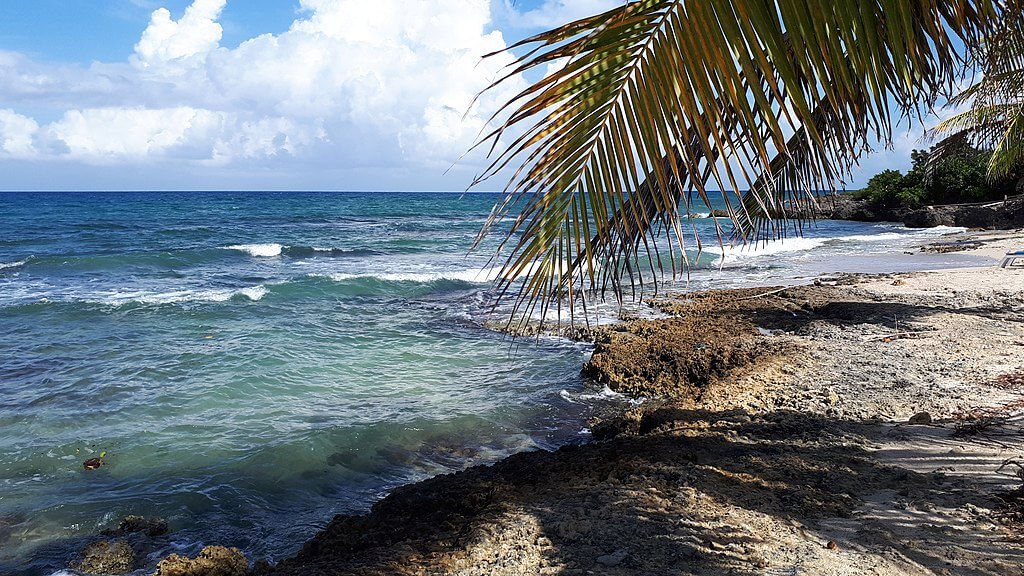
Jamaica's Diverse Ecoregions: A Natural Tapestry of Caribbean Life
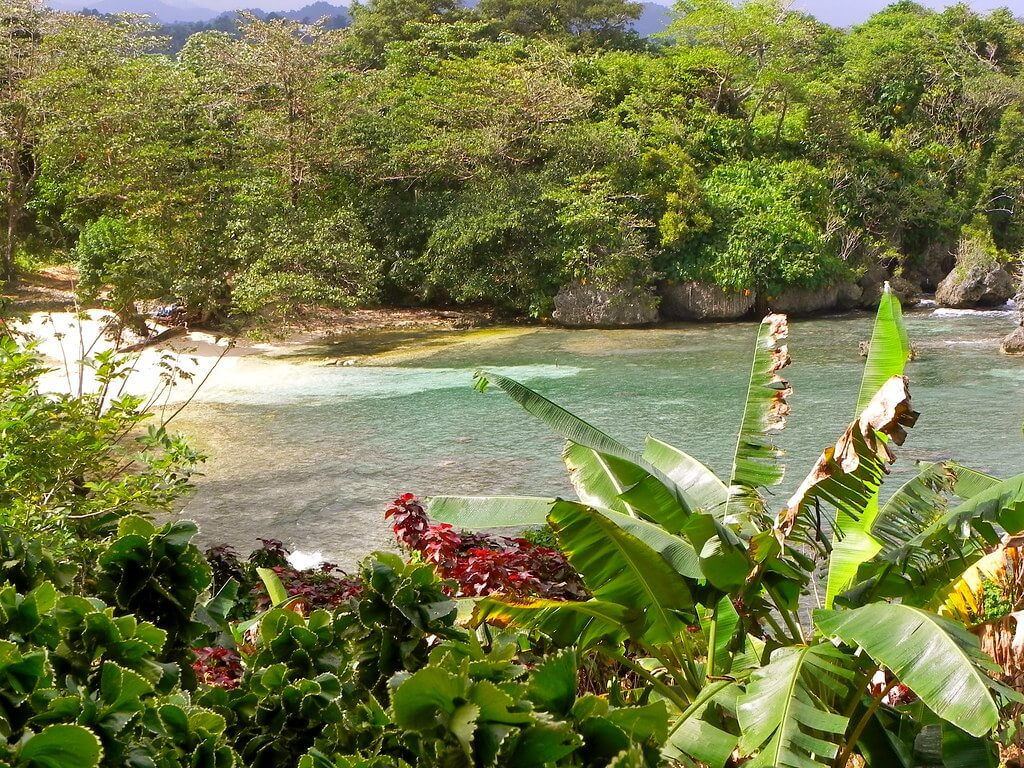
Jamaica's position in the Caribbean Sea has given rise to three distinct World Wildlife Fund (WWF) terrestrial ecoregions: the Jamaican moist forests, Jamaican dry forests, and Greater Antilles mangroves. These ecological zones represent unique assemblages of flora and fauna shaped by the island's geographical isolation, varied topography, and climate patterns across its 10,991 km² (4,244 sq mi) expanse.
Jamaican Moist Forests
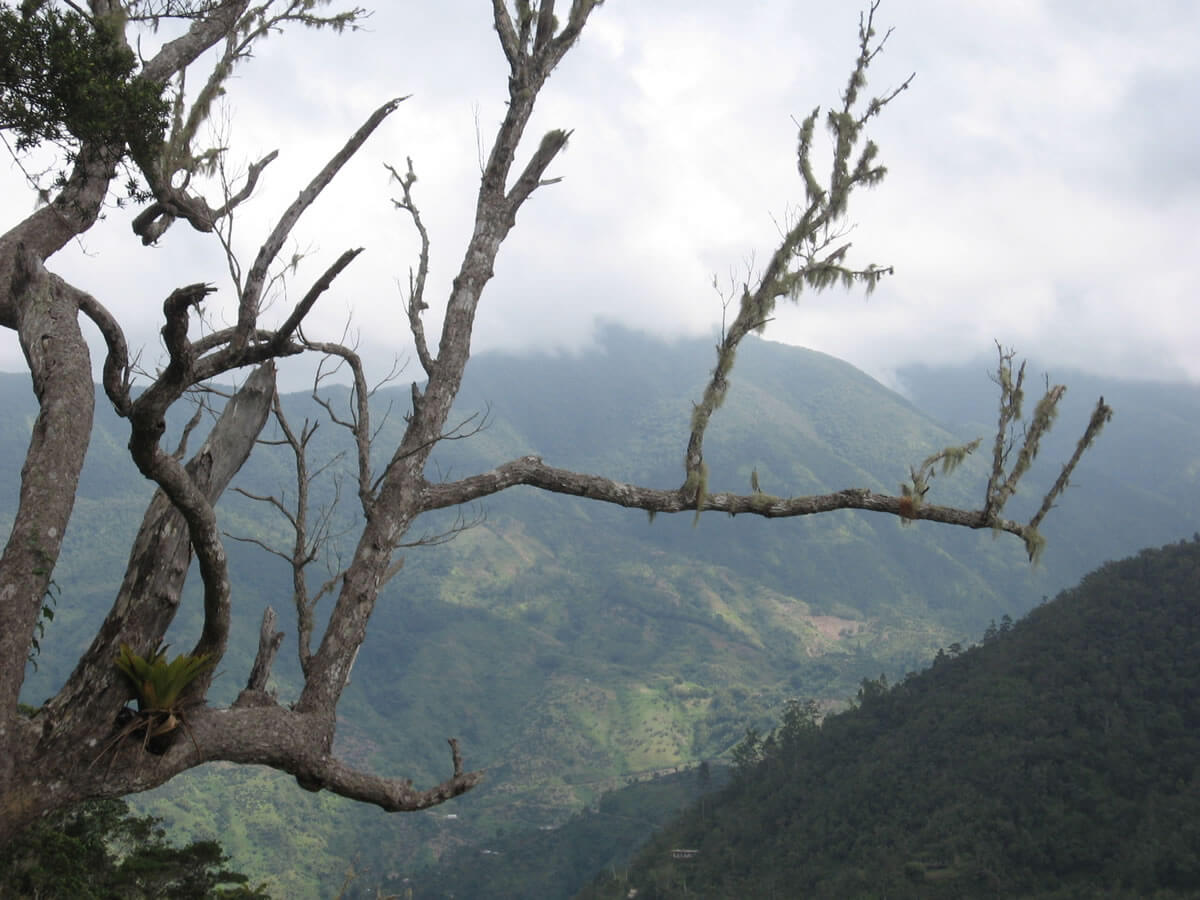
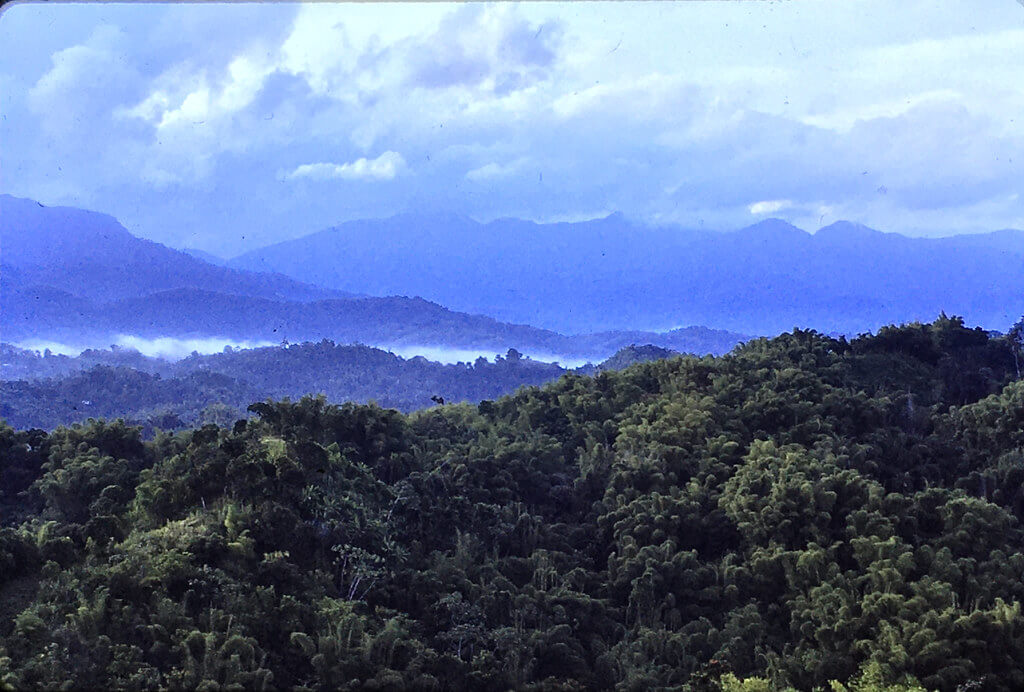
Jamaica's moist forests, stretching across the mountainous interior and northern regions, constitute the island's most expansive and biologically diverse ecoregion. These forests receive substantial rainfall, often exceeding 2,000 mm (79 in) annually, creating conditions that support extraordinary biodiversity.
Geological Foundation
Jamaica's moist forest ecoregion is primarily founded on the Blue and John Crow Mountains, which are formed from a complex of metamorphic and volcanic rocks overlain with limestone. This geological diversity creates varied soil conditions that contribute to high levels of plant endemism.
Flora Diversity
The moist forests harbor over 3,000 species of vascular plants, of which approximately 30% are endemic to Jamaica. The canopy typically reaches heights of 30-45 m (98-148 ft) and is dominated by species such as Sweetwood, West Indian Cedar, and various fig species. The understory features a rich diversity of ferns, including over 500 species, making Jamaica one of the world's premier locations for pteridophyte diversity.
Endemic Fauna
These forests serve as sanctuary for numerous endemic animal species. The Jamaican Hutia stands as the island's only native terrestrial mammal, while the Jamaican Boa has evolved specialized adaptations for arboreal life in these dense forests. The critically endangered Jamaican Blackbird depends entirely on mature forest habitat for its survival, and the Yellow-billed Parrot can be found exclusively within Jamaica's mountain forests.
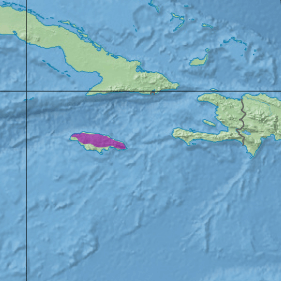
Map depicting the location of the Jamaican moist forests (in purple).
Jamaican Dry Forests
Jamaican dry forests cover the southern coastal regions, particularly in rain shadow areas receiving less than 1,000 mm (39 in) of annual precipitation. This ecoregion is one of the most threatened ecosystems on the island.
Vegetative Adaptations
Plants in this ecoregion exhibit remarkable adaptations to water stress. Many species display deciduous behavior during dry periods, while others have evolved reduced leaf size and thorny modifications. The challenging environment has led to the development of extensive root systems for water acquisition, and numerous species show succulent adaptations to store water during drought periods.
Hellshire Hills Ecosystem
The Hellshire Hills are one of the best-preserved examples of Jamaican dry forest. They feature limestone outcrops and skeletal soils. This area supports several endangered species, including the Jamaican Iguana and endemic lizard species.
Conservation Challenges
Dry forests face severe anthropogenic pressures. Charcoal production and fuelwood collection continue to degrade these environments, while urban expansion and tourism development steadily encroach on remaining forest areas. The introduction of invasive species has disrupted native ecosystems, and widespread goat grazing and agricultural conversion further threaten these unique habitats.
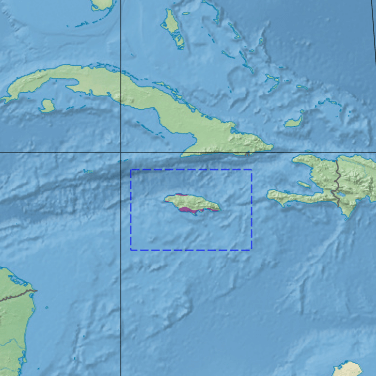
Map depicting the location of the Jamaican dry forests (in purple).
Greater Antilles Mangroves
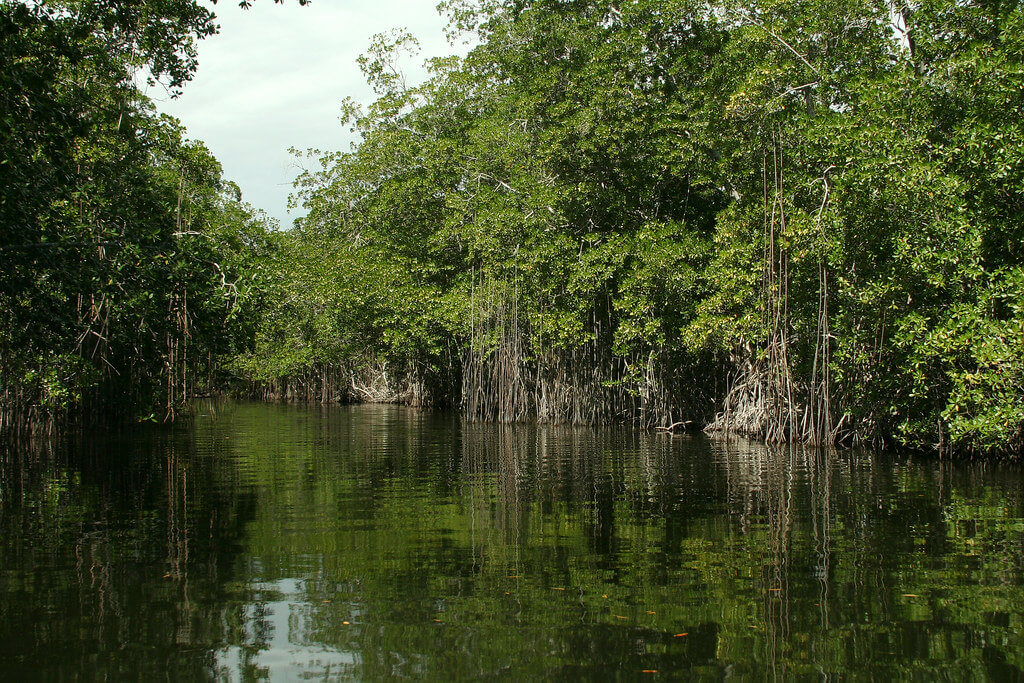
Jamaica's mangrove ecoregion is part of the larger Greater Antilles mangrove system, which occurs along protected coastlines and in estuarine environments.
Species Composition
Four primary mangrove species dominate this ecoregion. The Red Mangrove (Rhizophora mangle) forms the seaward edge of these forests, while the Black Mangrove (Avicennia germinans) typically establishes itself in more landward positions. The White Mangrove (Laguncularia racemosa) occupies intermediate zones between these two species, and the Buttonwood (Conocarpus erectus) thrives in the uppermost tidal areas.
Ecological Functions
The mangrove ecoregion serves several critical ecological functions. These coastal forests provide essential nursery habitat for commercial fish species and offer crucial coastal protection against storms and erosion. The ecosystem also plays a vital role in carbon sequestration and storage and serves as a natural filtration system for terrestrial runoff.
Portland Bight Protected Area
The Portland Bight Protected Area encompasses Jamaica's largest continuous mangrove system, covering approximately 187 km² (72 sq mi) of mangrove forest and associated wetlands.
Ecological Interconnections
These three ecoregions do not exist in isolation but form a complex network of ecological interactions:
Species Movement
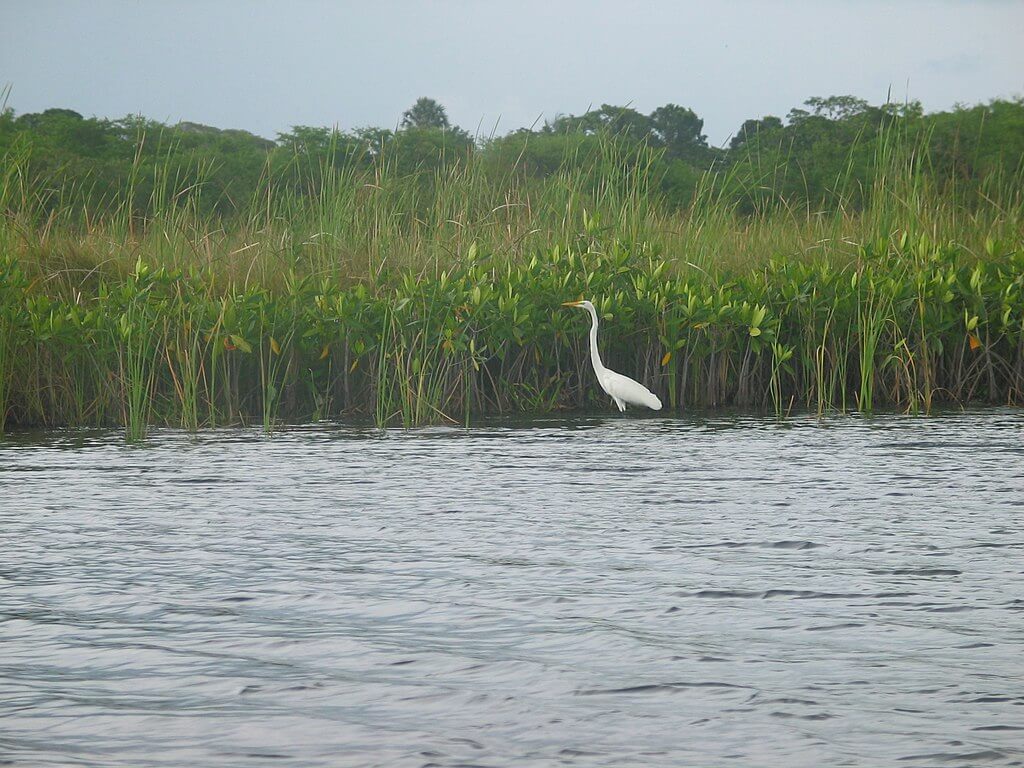
Many species regularly move between ecoregions, demonstrating the interconnected nature of these habitats. Waterbirds frequently utilize both mangroves and inland forest areas, while various bat species feed across different forest types. Numerous invertebrate species complete their life cycles by moving through multiple ecoregions, highlighting the importance of habitat connectivity.
Watershed Services
The moist forests serve as critical watershed areas, providing freshwater input to both dry forests and mangrove systems through surface and groundwater flow.
Conservation Status and Future Prospects
Each ecoregion faces unique conservation challenges while sharing common threats:
Protected Areas Network
Jamaica's protected areas system encompasses significant portions of all three ecoregions. The Blue and John Crow Mountains National Park protects vast tracts of moist forests, while the Portland Bight Protected Area safeguards crucial mangrove and dry forest habitats. The Cockpit Country Protected Area preserves additional moist forest ecosystems, forming a network of protected landscapes across the island.
Climate Change Impacts
Climate change presents significant threats to all three ecoregions. Increased drought frequency challenges the moist forests while rising sea levels pose immediate threats to mangrove systems. Intensified hurricane activity impacts all ecosystems, creating additional stress on these already vulnerable environments.
Conclusion
Jamaica's three WWF ecoregions represent distinct yet interconnected ecological systems that collectively support the island's remarkable biodiversity. The Jamaican moist forests, dry forests, and Greater Antilles mangroves each contribute unique elements to the island's natural heritage, from endemic mountain species to coastal ecosystem services. Understanding these ecoregions' characteristics, interactions, and challenges remains essential for developing effective conservation strategies and ensuring their long-term survival. The preservation of these diverse ecosystems requires continued research, monitoring, and implementation of sustainable management practices that address both current threats and future challenges.