
Puerto Rico's Ecoregions: A Tapestry of Life
Puerto Rico, a jewel of the Caribbean, is home to a remarkable diversity of ecoregions that reflect its unique geography, climate, and history. From lush rainforests to arid coastal plains, the island’s ecoregions harbor a wide variety of flora and fauna, many of which are endemic.
The Ecoregions of Puerto Rico: A Mosaic of Biodiversity
Puerto Rico, a jewel of the Caribbean, is home to a remarkable diversity of ecoregions that reflect its unique geography, climate, and history. From lush rainforests to arid coastal plains, the island's ecoregions harbor a wide variety of flora and fauna, many of which are endemic. These natural landscapes are not only vital for biodiversity but also form the backbone of Puerto Rico's cultural heritage and ecological sustainability.
Tropical Rainforests
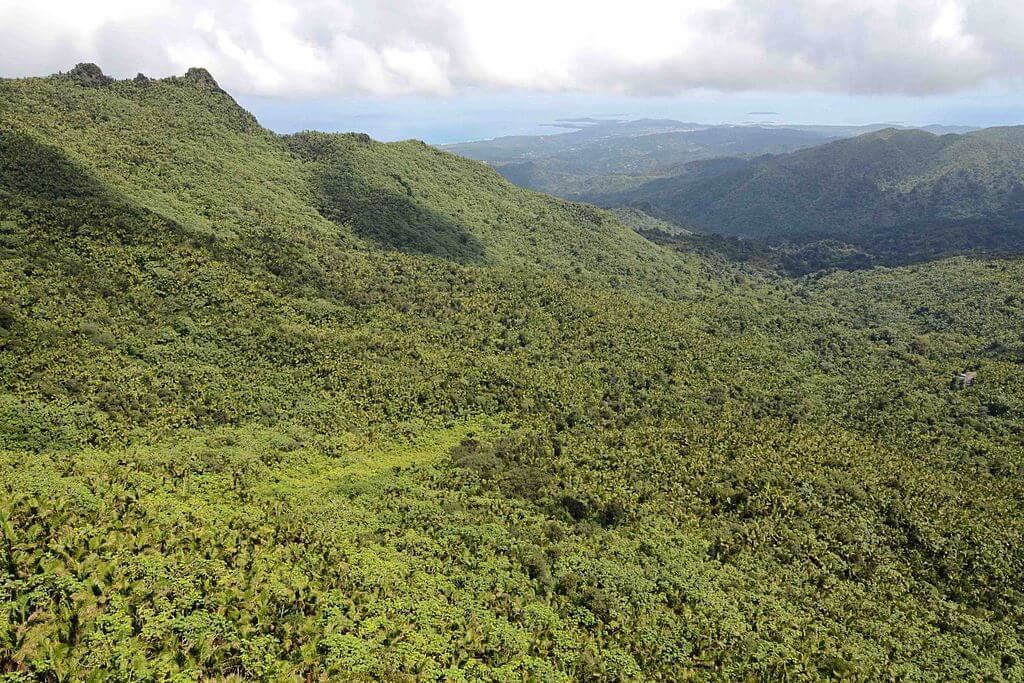
The El Yunque National Forest is Puerto Rico's most famous tropical rainforest and a UNESCO Biosphere Reserve. It covers an area of over 113 km² (43.6 mi²) and is characterized by high rainfall, lush vegetation, and a wide array of wildlife.
Flora and Fauna
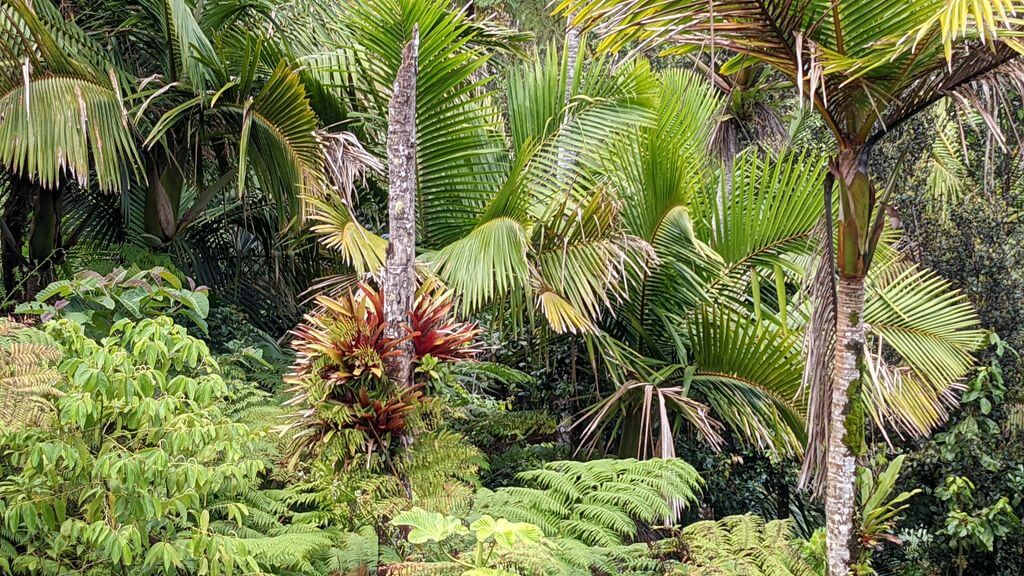
The rainforest is home to over 240 plant species, including the giant tree fern and the Puerto Rican magnolia. The forest's dense canopy and understory support a variety of wildlife, such as the Puerto Rican boa (Epicrates inornatus) and the green mango hummingbird (Anthracothorax viridis). The Puerto Rican parrot (Amazona vittata), one of the world's most endangered birds, has been the focus of intensive conservation efforts.
Ecological Importance
El Yunque plays a significant role in maintaining water quality and regulating the local climate. Its dense vegetation acts as a carbon sink, mitigating the impacts of climate change. The forest also serves as a critical water source for surrounding communities, with rivers like the Rio Mameyes originating within its boundaries.
Coastal Ecosystems
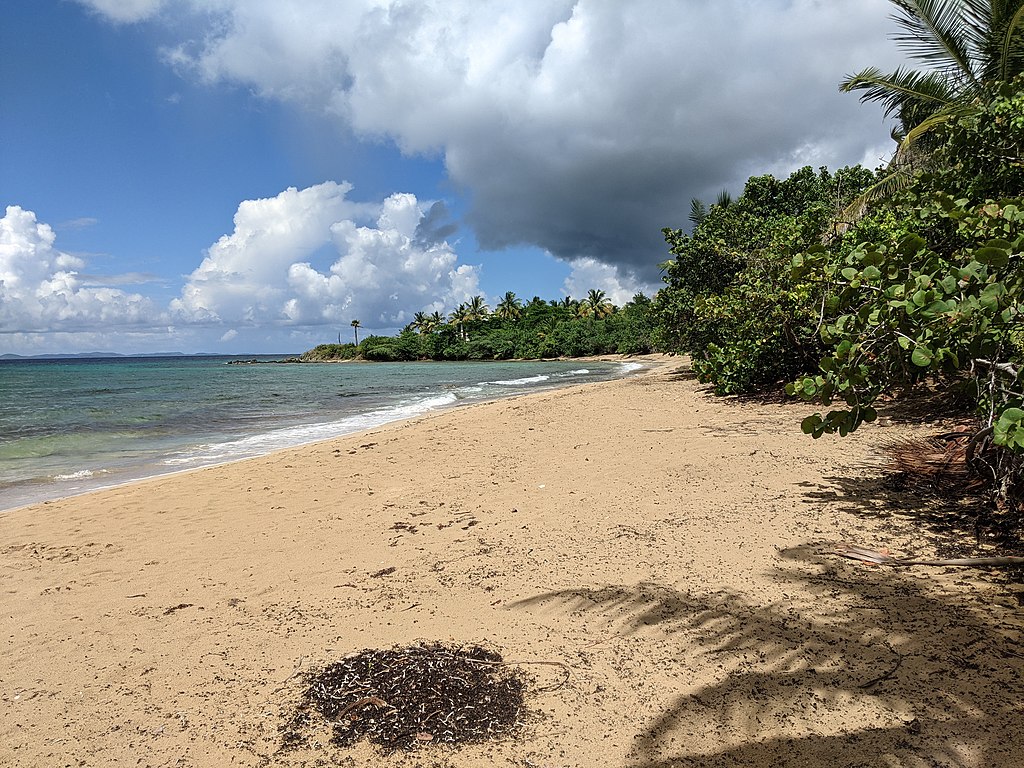
Puerto Rico's coastline stretches over 501 km (311 mi) and encompasses mangroves, coral reefs, and sandy beaches. These coastal ecosystems are crucial for marine biodiversity and provide protection against storm surges.
Mangroves
Mangroves thrive along Puerto Rico's coasts, particularly in regions like La Parguera and the northeast. These forests serve as nurseries for fish and crustaceans, supporting both local fisheries and marine biodiversity. Mangroves also act as natural barriers against coastal erosion and storm damage, making them vital for protecting inland communities.
Coral Reefs
Coral reefs, including those in the Mona Passage and Vieques, host a stunning variety of marine life, including sea turtles, reef sharks, and countless fish species. They are integral to the island's fishing and tourism industries. However, they face significant threats from bleaching events, pollution, and overfishing. Conservation initiatives such as coral restoration projects are underway to counteract these challenges.
Sandy Beaches
Puerto Rico's beaches, including Flamenco Beach in Culebra and Luquillo Beach on the main island, are not just tourist destinations but also crucial habitats for species like the leatherback sea turtle (Dermochelys coriacea). These beaches play a role in coastal ecosystem dynamics and contribute to the island's economy through eco-tourism.
Dry Forests
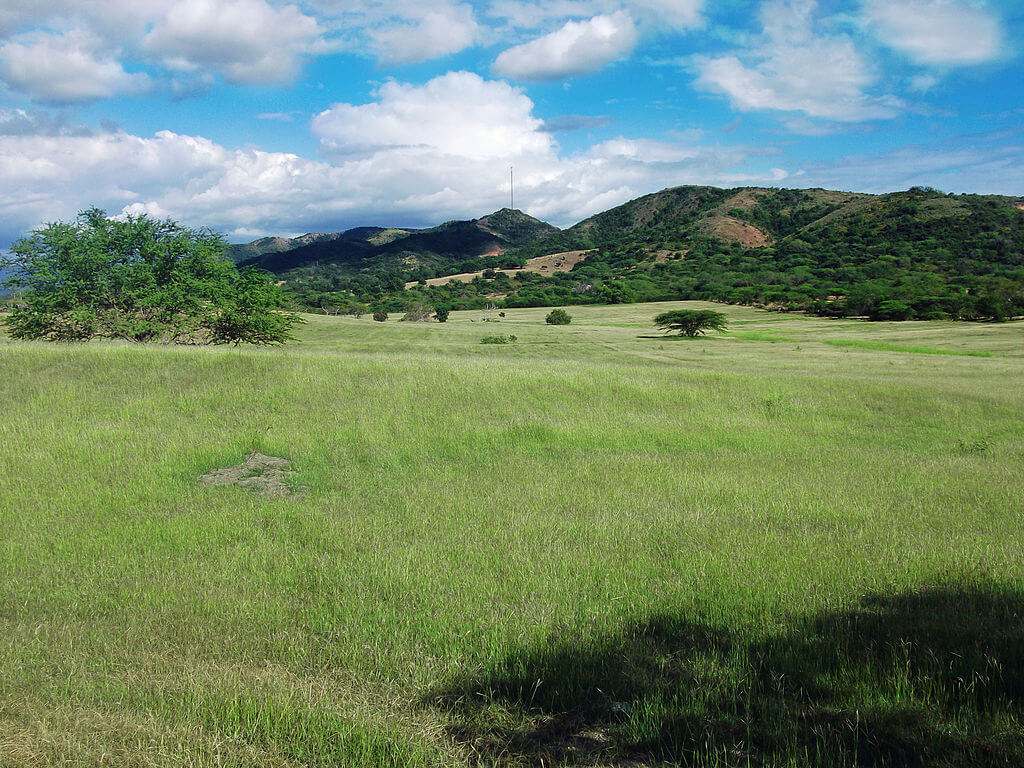
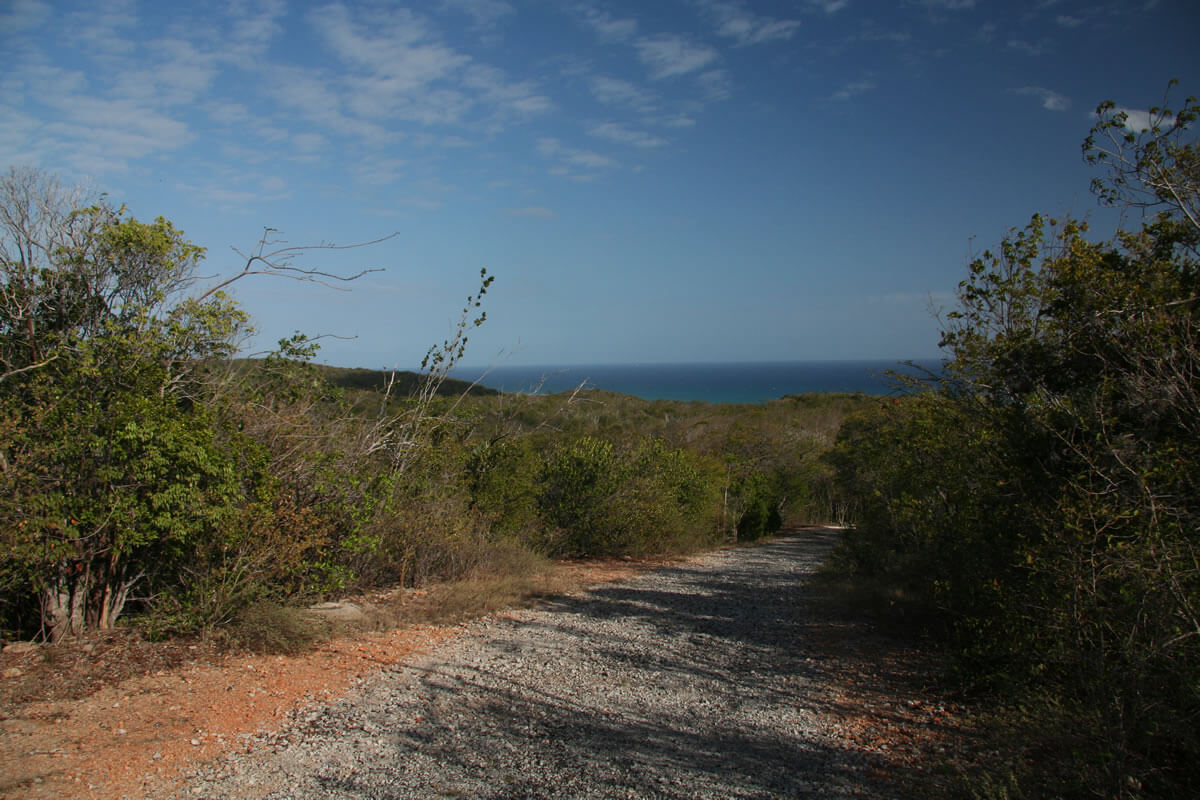
The Guánica State Forest, a UNESCO Biosphere Reserve, represents Puerto Rico's dry forest ecoregion. Covering 40 km² (15.4 mi²), it is one of the world's best-preserved examples of subtropical dry forests.
Unique Features
This ecoregion is characterized by low rainfall and hardy vegetation, including cacti, acacias, and other drought-resistant plants. Guánica's flora includes more than 700 plant species, 16 of which are endemic. Its fauna includes rare species like the Puerto Rican nightjar (Caprimulgus noctitherus), a nocturnal bird found only in this forest.
Cultural Significance
The Guánica Forest is also archaeologically significant. Remains of pre-Columbian settlements provide insights into early Indigenous life. Visitors to the forest can explore ancient trails and ceremonial sites, adding a cultural dimension to the forest's natural significance.
Karst and Limestone Hills
Puerto Rico's karst region, located in the northern and central parts of the island, features dramatic limestone formations, caves, and sinkholes. This ecoregion supports unique ecosystems and serves as an essential water reservoir.
Biodiversity
The karst hills are home to rare bats, cave-dwelling invertebrates, and a variety of orchids. Notable caves, such as the Rio Camuy Cave Park, provide habitats for multiple bat species, including the Jamaican fruit bat (Artibeus jamaicensis). The karst region's vegetation includes species adapted to rocky and nutrient-poor soils, making it an ecological outlier in Puerto Rico.
Cultural and Geological Significance
The caves within the karst region, such as Cueva Ventana, hold significant archaeological value, with evidence of Taino petroglyphs and artifacts. The region's aquifers, formed by the dissolution of limestone, are critical for providing fresh water to millions of residents and supporting agriculture.
Montane Ecosystems
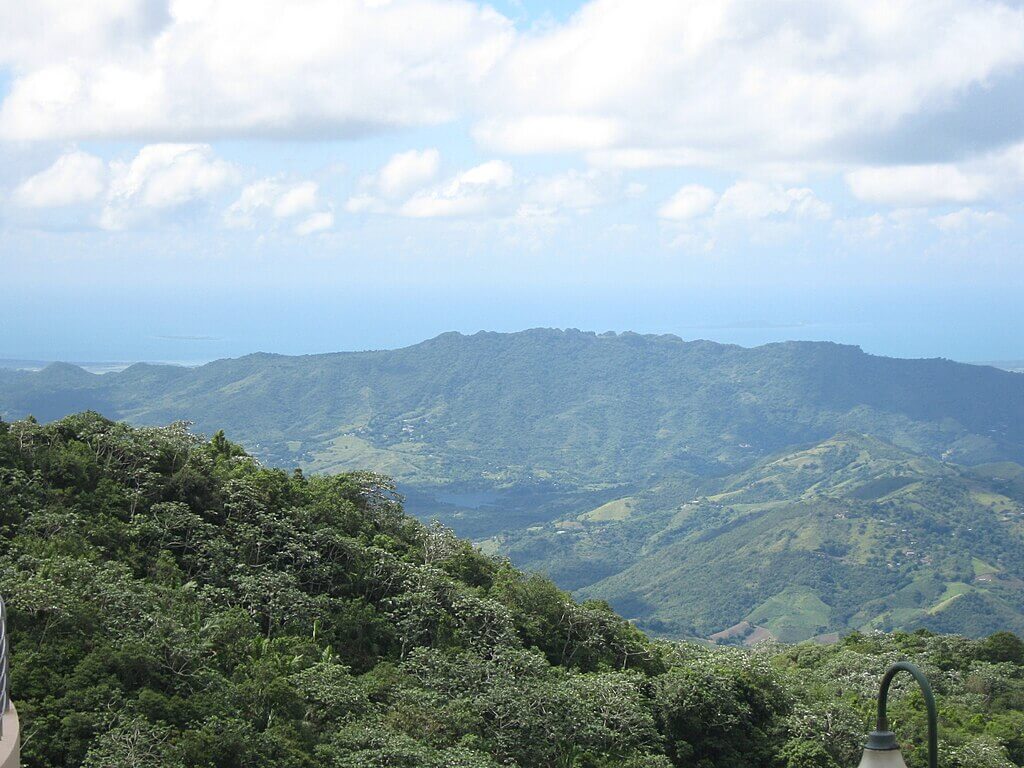
The central mountain range, or Cordillera Central, forms Puerto Rico's backbone and features montane and cloud forests.
High-Altitude Flora and Fauna
Montane ecosystems host species adapted to cooler temperatures and high altitudes. The Puerto Rican sharp-shinned hawk (Accipiter striatus venator) and various orchids thrive in these areas. Epiphytes, including mosses and bromeliads, are abundant in the cloud forests, adding to their mystique and ecological complexity.
Role in Hydrology
The montane regions act as the island's water towers, with rivers like the Rio Grande de Loíza originating in these highlands. These regions are essential for agricultural irrigation and drinking water supplies, making their conservation a priority for Puerto Rico's sustainability.
Threats to Puerto Rico's Ecoregions
Despite their ecological importance, Puerto Rico's ecoregions face significant threats from human activity and climate change.
Urbanization and Deforestation
Rapid urbanization has led to habitat loss and fragmentation, particularly in lowland and coastal areas. The expansion of infrastructure, coupled with agricultural development, threatens the integrity of natural habitats and disrupts ecological processes.
Climate Change
Rising temperatures, changing rainfall patterns, and sea level rise pose existential threats to the island's ecosystems. Coral reefs are particularly vulnerable, with increasing ocean temperatures leading to widespread bleaching. Coastal areas are at risk of flooding, while montane ecosystems face shifts in species composition due to changing climate conditions.
Invasive Species
Invasive species, such as the brown tree snake (Boiga irregularis) and African tulip tree (Spathodea campanulata), have disrupted local ecosystems by outcompeting native species and altering habitat dynamics. Controlling these invasive species is crucial for preserving native biodiversity.
Conservation Efforts
Conservation initiatives are essential to protect Puerto Rico's ecoregions and their biodiversity.
Protected Areas
The island boasts numerous protected areas, including national parks, wildlife refuges, and biosphere reserves. Examples include the Cabo Rojo National Wildlife Refuge and Las Cabezas de San Juan Nature Reserve, which protect critical habitats and foster eco-tourism.
Community Involvement
Local communities are actively engaged in conservation efforts, from reforestation projects to coral reef restoration. Non-governmental organizations and academic institutions collaborate on research and education programs to raise awareness about the importance of preserving natural habitats.
Policy Measures
The Puerto Rican government has implemented policies aimed at promoting sustainable development and protecting natural resources. Initiatives such as the Coastal Zone Management Program and the establishment of marine protected areas underscore the importance of balancing development with conservation.
Conclusion
Puerto Rico's ecoregions form a diverse and interconnected web of ecosystems that are integral to the island's ecological health and cultural identity. From rainforests to dry forests and from coastal mangroves to limestone karsts, each ecoregion contributes uniquely to the island's biodiversity and resilience. Ensuring their protection requires a combination of scientific research, community engagement, and sustainable policies, safeguarding these natural treasures for future generations.