
Iquitos: Gateway to the Amazon's Heart
Deep in the Peruvian Amazon, where the Amazon River's muddy waters flow toward the Atlantic, lies Iquitos, Peru's Loreto region capital. It showcases human adaptability and the allure of the rainforest. As the largest city unreachable by road, it's accessible only by air or waterways.
Where Civilization Meets Wilderness: The Story of Iquitos
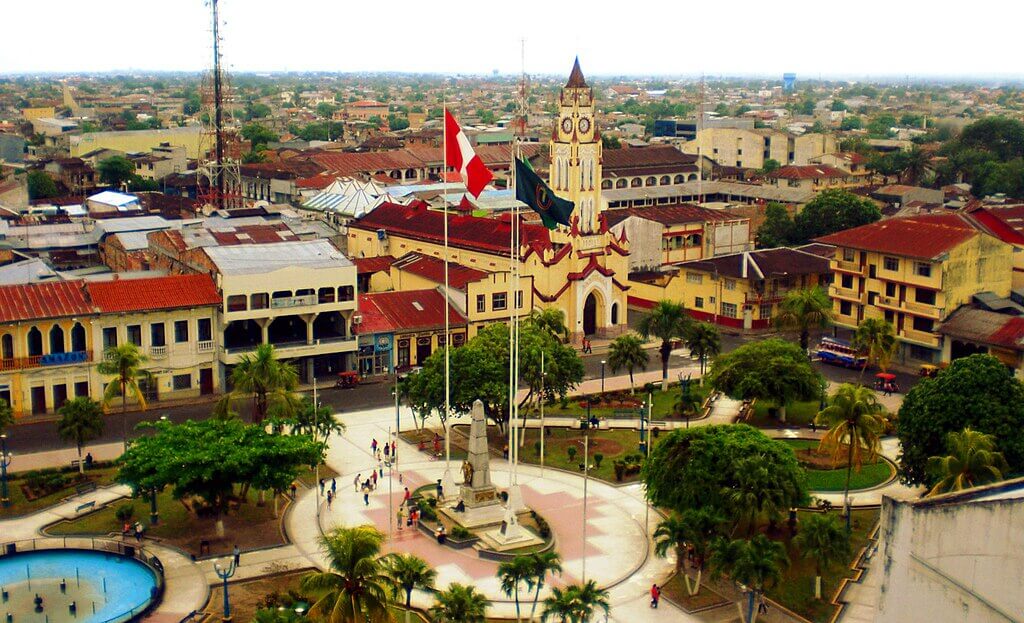
Deep within the emerald embrace of the Peruvian Amazon, where the muddy waters of the Amazon River carve their ancient path toward the Atlantic Ocean, sits one of South America's most remarkable cities. Iquitos, the capital of Peru's Loreto region, stands as a testament to human adaptability and the enduring allure of the world's greatest rainforest. This bustling metropolis of over 400,000 inhabitants holds the distinction of being the largest city in the world that cannot be reached by road, accessible only by air or by navigating the labyrinthine waterways that have served as highways for centuries.
Geographic Isolation and River Dependencies
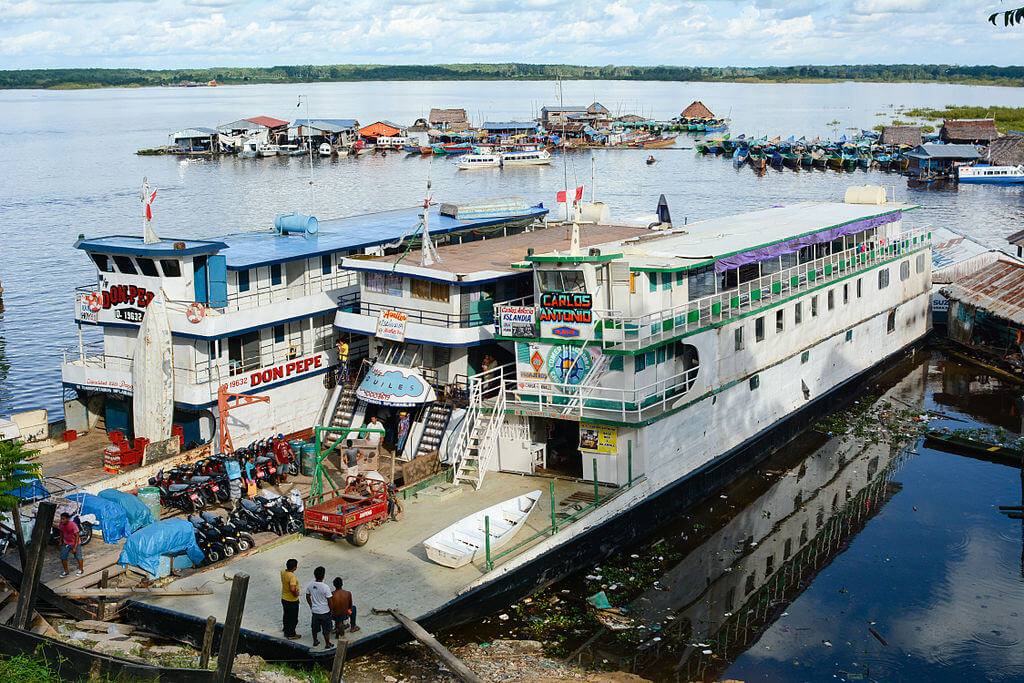
Iquitos occupies a unique position on the left bank of the Amazon River in northeastern Peru, approximately 3,600 kilometers (2,200 miles) upstream from where the Amazon empties into the Atlantic Ocean in Brazil, and roughly 106 meters (348 feet) above sea level. Despite being located deep in the Peruvian Amazon Rainforest, Iquitos sits on the mighty Amazon River, which remains navigable by ocean vessels all the way from the Atlantic coast - making it remarkably accessible by water despite its jungle isolation. The city's isolation from Peru's road network is not merely a geographical curiosity but a defining characteristic that has shaped every aspect of its development. To reach Iquitos by land, one would need to traverse thousands of kilometers through neighboring countries, making air travel and river transport the lifelines that connect this Amazonian outpost to the outside world.
The Amazon River here stretches to impressive widths, often exceeding 2 kilometers (1.2 miles) during the wet season, creating a natural boulevard that serves as the city's primary thoroughfare. The river's seasonal fluctuations are dramatic, with water levels varying by as much as 15 meters (49 feet) between the dry and wet seasons. This natural rhythm dictates the pace of life in Iquitos, influencing everything from commerce and transportation to the architectural choices that elevate homes and buildings on stilts above the anticipated flood levels.
Historical Foundations and Rubber Boom Legacy
The modern history of Iquitos began in earnest during the late 19th and early 20th centuries, when the rubber boom transformed this remote settlement into an unlikely center of international commerce. Founded in the 1750s as a Jesuit mission, the city remained a modest trading post until the world's insatiable demand for rubber catapulted it into prominence. During the height of the rubber era, from approximately 1880 to 1914, Iquitos became one of Peru's wealthiest cities, attracting fortune seekers, entrepreneurs, and laborers from around the world.
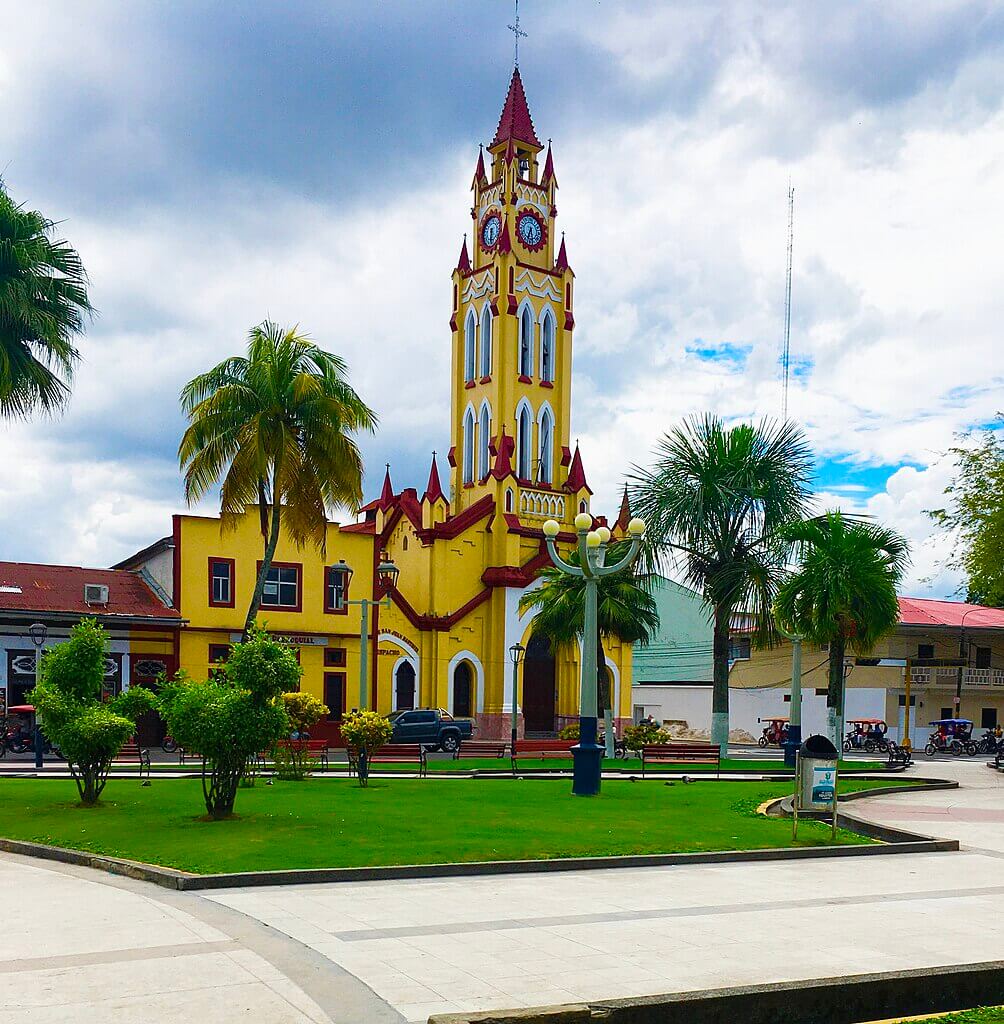
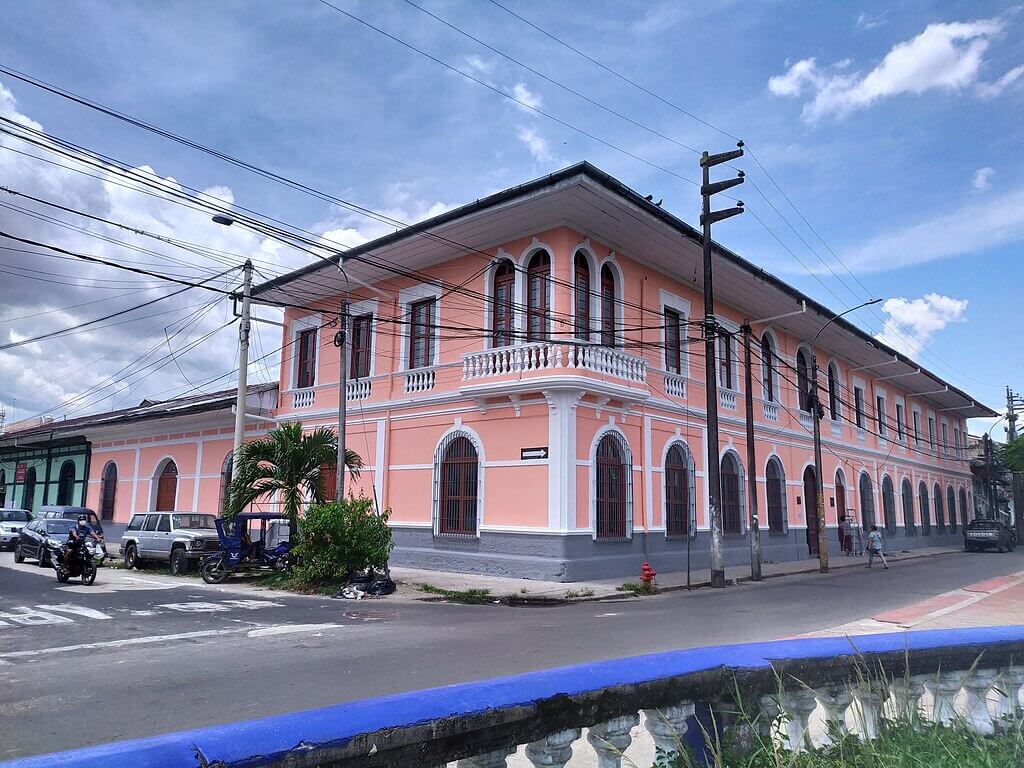
The wealth generated during this period left an indelible mark on the city's architecture and culture. Grand mansions adorned with imported Portuguese tiles, ornate iron balconies crafted in European foundries, and public buildings designed in the Belle Époque style still grace the historic center. The most famous of these architectural marvels is the Iron House (Casa de Fierro), designed by Gustave Eiffel and assembled entirely from prefabricated iron components shipped from Europe. This remarkable structure, with its intricate metalwork and distinctive design, stands as a symbol of the era when Iquitos briefly ranked among the world's most cosmopolitan cities.
The collapse of the rubber boom, precipitated by the successful cultivation of rubber trees in British and Dutch colonies in Southeast Asia, plunged Iquitos into economic decline. However, this period of isolation allowed the city to develop its unique Amazonian identity, blending Indigenous traditions with the cosmopolitan influences that had arrived during its golden age.
Biodiversity and Natural Wonders
Iquitos serves as the gateway to one of the most biodiverse regions on Earth. The surrounding rainforest harbors an estimated 10% of all known species, creating a living laboratory that continues to yield new discoveries for scientists and researchers. Within a 100-kilometer (62-mile) radius of the city, visitors can encounter over 500 species of birds, including the magnificent Harpia harpyja (harpy eagle) and the colorful Ara macao (scarlet macaw). The region's waterways teem with over 300 species of fish, including the iconic Arapaima gigas (pirarucu), which can grow to lengths exceeding 2 meters (6.6 feet).
The nearby Pacaya-Samiria National Reserve, accessible by boat from Iquitos, encompasses 20,800 square kilometers (8,030 square miles) of pristine rainforest and wetlands. This vast protected area serves as a refuge for endangered species such as the Trichechus inunguis (Amazonian manatee) and the elusive Panthera onca (jaguar). The reserve's intricate network of rivers, lakes, and flooded forests provides visitors with unparalleled opportunities to observe Amazonian wildlife in its natural habitat.
Cultural Tapestry and Indigenous Heritage
The cultural landscape of Iquitos reflects the complex history of human settlement in the Amazon Basin. The city's population represents a fascinating blend of Indigenous peoples, descendants of European immigrants from the rubber boom era, and more recent arrivals from other parts of Peru. This diversity is perhaps most evident in the city's markets, where vendors sell a wide range of goods, from traditional handicrafts made by Indigenous artisans to imported items that arrive via the river highway.
Indigenous communities, including the Shipibo, Achuar, and Kukama peoples, maintain strong connections to Iquitos while preserving their traditional ways of life in surrounding areas. Their influence permeates the city's culture, from the medicinal plants sold in local markets to the traditional designs that appear in contemporary art and textiles. The Shipibo people, in particular, are renowned for their intricate geometric patterns, which they believe represent the energy patterns of the universe and which can be found adorning everything from pottery to textiles throughout the region.
The city's cuisine reflects this cultural mixing, combining Indigenous ingredients and cooking techniques with influences from around the world. Local specialties include juanes, rice, and chicken wrapped in banana leaves, as well as various preparations of river fish, such as dorado and doncella. Exotic fruits like camu camu (Myrciaria dubia), which contains more vitamin C than any other known fruit, and aguaje (Mauritia flexuosa) are common sights in local markets.
Modern Challenges and Opportunities
Contemporary Iquitos faces the complex challenge of balancing economic development with environmental conservation. The city's economy relies heavily on logging, fishing, and increasingly, tourism, all of which depend on the health of the surrounding ecosystem. Sustainable tourism has emerged as a promising avenue for economic growth, with visitors drawn to the region's unparalleled biodiversity and cultural richness.
The rise of ayahuasca tourism, centered around the traditional plant medicine ceremonies conducted by Indigenous shamans, has brought international attention to the region. The brew, made from the Banisteriopsis caapi vine and the Psychotria viridis shrub, has been used for centuries by Indigenous peoples for spiritual and healing purposes. While this form of tourism offers economic benefits for local communities, it also raises significant concerns about cultural appropriation and the necessity of respectful engagement with Indigenous traditions.
Infrastructure development remains a constant challenge in this isolated metropolis. The city's airport, Coronel FAP Francisco Secada Vignetta International Airport, serves as a crucial link to the outside world, while the port of Iquitos handles the movement of goods and people along the river system. Recent investments in renewable energy, including solar power installations, reflect growing awareness of the need for sustainable development practices.
The Floating Neighborhoods
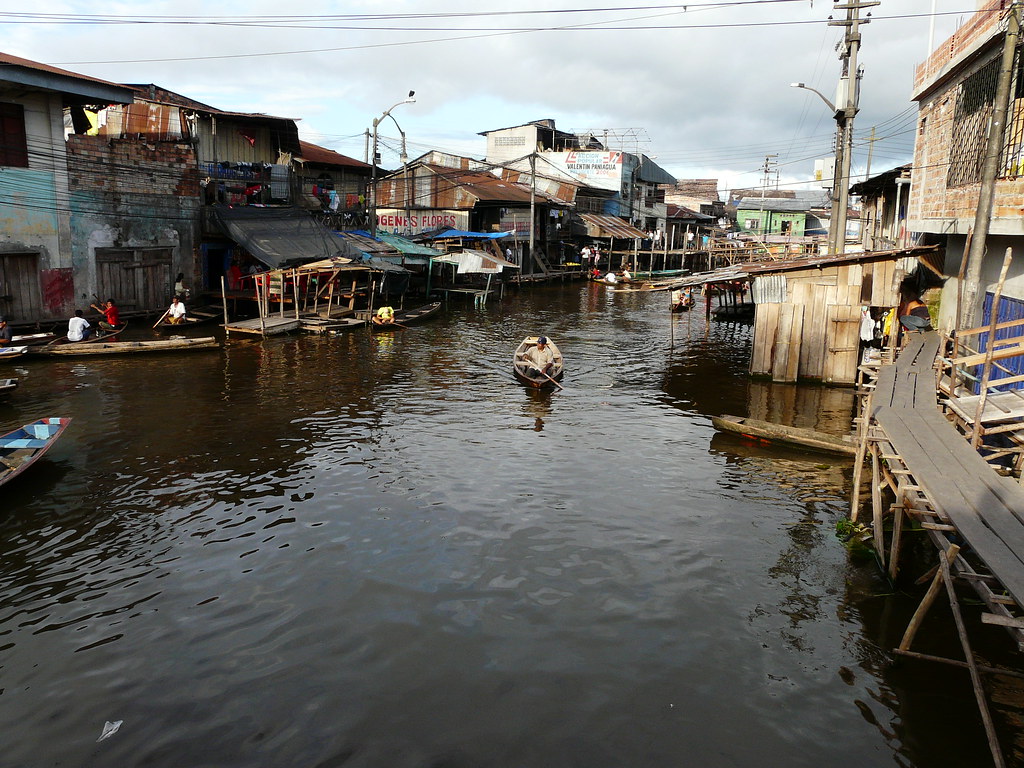
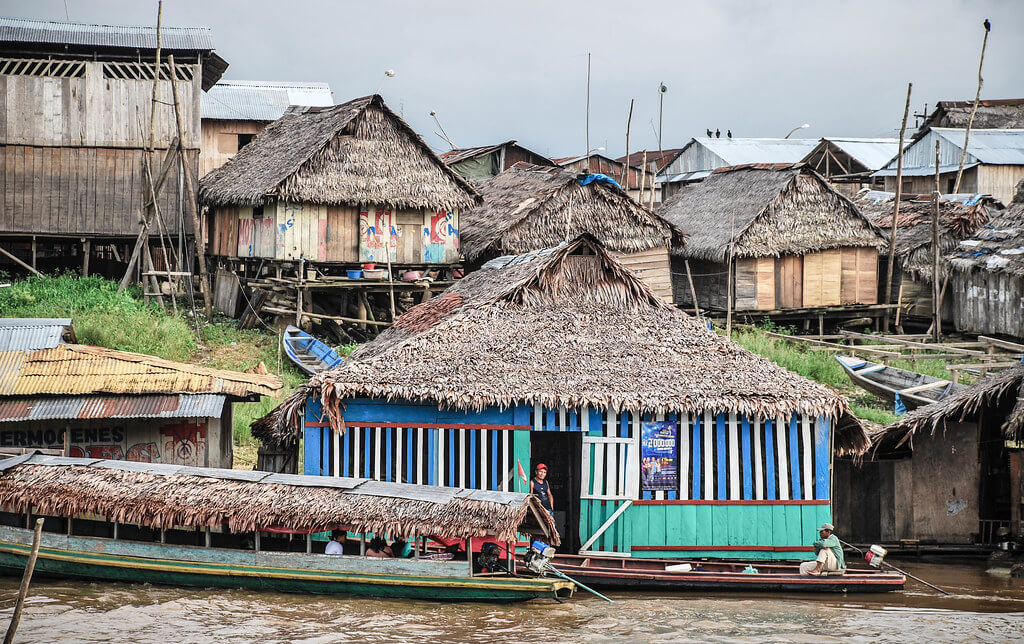
One of Iquitos's most distinctive features is Belén, a sprawling neighborhood built entirely on stilts and rafts that float on the Amazon River and its tributaries. Home to approximately 12,000 residents, Belén rises and falls with the river's seasonal cycles, creating a unique urban environment adapted to the rhythms of the Amazon. During the dry season, the neighborhood sits on muddy ground, but when the waters rise, it becomes a floating city accessible only by canoe.
The houses in Belén, constructed from locally sourced materials such as palm thatch and hardwood, represent ingenious adaptations to the challenging environment. Many structures can be adjusted vertically to accommodate changing water levels, while others float freely, tethered to permanent moorings. This remarkable community has developed its own economy and social structures, with floating markets, schools, and even churches serving the needs of residents who have made their peace with the river's eternal fluctuations.
Conservation and Research Hub
Iquitos has emerged as a crucial center for Amazonian research and conservation efforts. International organizations and research institutions have established field stations in and around the city, taking advantage of its accessibility and proximity to pristine rainforest areas. The Amazon Research and Conservation Center (ARCC), located about 140 kilometers (87 miles) southeast of Iquitos, conducts vital research on forest ecology, climate change impacts, and wildlife conservation.
Local institutions such as the Instituto de Investigaciones de la Amazonía Peruana (IIAP) work to promote sustainable development practices and conservation strategies tailored to the unique challenges of the Amazon region. These efforts are crucial as the Amazon faces increasing pressures from deforestation, climate change, and human encroachment.
A City at the Crossroads
Today, Iquitos stands at a critical juncture in its long history. The city, which once thrived on rubber exports and later adapted to economic isolation, must now navigate the complex challenges of the 21st century while preserving the natural and cultural heritage that makes it unique. As climate change threatens the Amazon's delicate balance and global interest in the rainforest's conservation grows, Iquitos finds itself once again at the center of international attention.
The city's future likely depends on its ability to develop sustainable economic models that benefit local communities while protecting the extraordinary ecosystem that surrounds it. From the floating houses of Belén to the research stations studying the forest canopy, from the traditional markets selling medicinal plants to the eco-lodges hosting international visitors, Iquitos continues to embody the complex relationship between human civilization and the natural world.
In this remote Amazonian metropolis, where the modern world meets ancient traditions and where the pulse of urban life synchronizes with the eternal rhythm of the river, visitors and residents alike encounter one of the planet's most remarkable places. Iquitos remains what it has always been: a gateway to the Amazon's heart, a place where the impossible becomes routine, and where the future of one of the world's most important ecosystems unfolds day by day along the muddy banks of the mighty Amazon River.