
Las Palmas de Cocalán National Park: Guardian of Chile's Ancient Palms
Las Palmas de Cocalán National Park protects one of the world's rarest palm forests. Located within the Coastal Mountain Range, the sanctuary preserves ancient groves of the Chilean palm, one of South America's most endangered endemic trees, and the only palm species native to Chile.
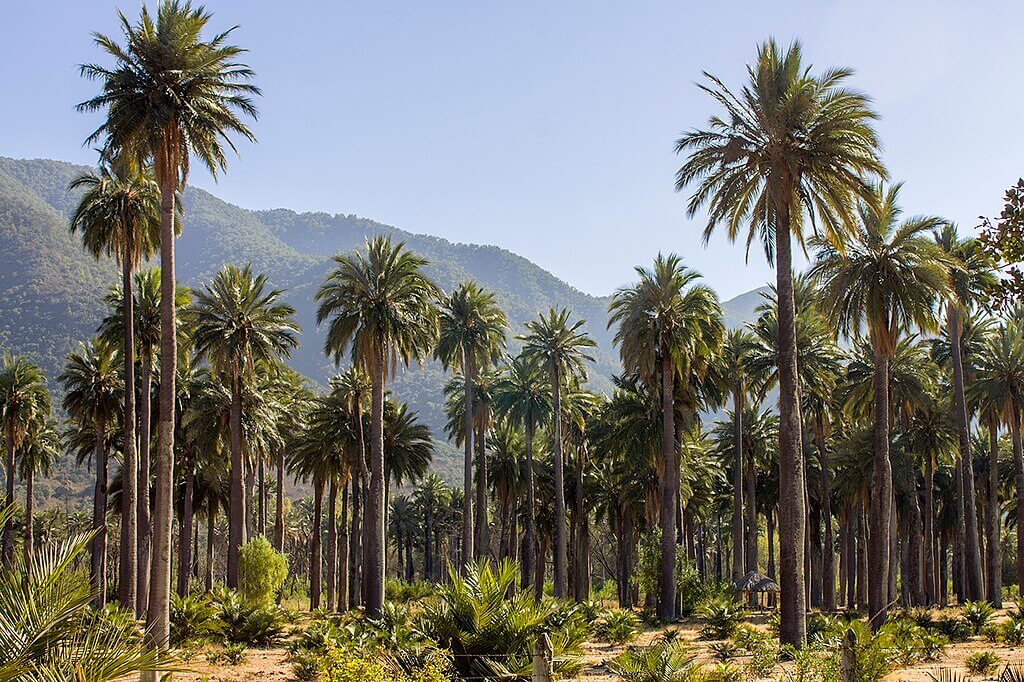
Ancient Sentinels: Preserving the Millenary Palms of Central Chile
In the rolling hills of Chile's O'Higgins Region, Las Palmas de Cocalán National Park protects one of the world's rarest palm forests. Established in 1989, this 3,709-hectare (9,165-acre) sanctuary preserves ancient groves of the Chilean palm (Jubaea chilensis), one of South America's most endangered endemic trees and the only palm species native to Chile.
Located in the Las Cabras commune within the Coastal Mountain Range, the park shelters a remarkable concentration of millenary palms—some over 1,000 years old. These living giants represent irreplaceable genetic resources and serve as monuments to Chile's prehistoric past, making the park one of only three locations in Chile that protect significant populations of this critically threatened species.
Geographic Setting
The park occupies steep-sided valleys and rolling hills rising from 200 meters (656 feet) to over 1,000 meters (3,281 feet) above sea level within Chile's Mediterranean climate zone. The landscape consists of granitic and metamorphic rocks that have weathered to create the well-drained soils essential for the survival of Chilean palms.
Deep quebradas (ravines) dissect the terrain, creating sheltered microenvironments where moisture accumulates and palms find refuge from intense summer heat. The park's location creates a natural island of palm habitat surrounded by agricultural lands, highlighting its critical role as a refuge for this endangered species.
The Cocalán Valley represents one of the most pristine examples of Mediterranean mountain landscape remaining in central Chile, where traditional agriculture coexists with natural ecosystems in a delicate balance.
Climate
The park experiences a classic Mediterranean climate, characterized by hot, dry summers and cool, wet winters. Summer temperatures frequently exceed 30°C (86°F) with minimal precipitation from December to March, creating drought conditions that test the survival limits of most vegetation.
Annual precipitation ranges from 400 to 600 millimeters (15.7 to 23.6 inches), primarily arriving during the winter months when regular rainfall replenishes soil water reserves. This seasonal moisture supports the brief but intense growing season characteristic of Mediterranean plant communities.
Temperature variations with elevation create distinct microclimatic zones, with cooler, moister conditions at higher elevations supporting different plant communities. Occasional coastal fog penetrates inland valleys during summer, providing crucial humidity during the driest periods.
The Chilean Palm: An Ancient Giant
The Chilean palm is endemic to central Chile between 32°S and 35°S, making Las Palmas de Cocalán one of the most important remaining strongholds for this remarkable species. These magnificent palms can live over 1,000 years, reaching heights of 25 meters (82 feet) with trunk diameters exceeding 1.5 meters (5 feet).
The species' extraordinary longevity is accompanied by extremely slow growth—often requiring decades to develop a visible trunk. Individual trees need 40-60 years to reach sexual maturity, meaning mature specimens represent centuries of uninterrupted growth.
As the most southern palm species in the Americas, Chilean palms demonstrate remarkable adaptations to Mediterranean conditions. Their massive trunks serve as water reservoirs, deep root systems access groundwater, and specialized leaf structures minimize water loss during drought periods.
The palm's reproductive biology reflects its ancient origins, with mature trees producing massive seed clusters containing thousands of individual fruits. These seeds were traditionally harvested by Indigenous peoples for their sweet pulp and oil-rich kernels, though overharvesting contributed to population declines.
Flora and Wildlife
The palm groves exist within complex Mediterranean ecosystems that support remarkable plant diversity, adapted to seasonal drought. The understory beneath mature palms creates unique microhabitat conditions with reduced light, moderated temperatures, and increased humidity.
Native shrub communities in Chile include drought-adapted species typical of the Chilean matorral, such as Quillaja species and Lithraea caustica. Seasonal wildflower displays transform the landscape during winter and spring when abundant rainfall supports ephemeral plant communities.
Wildlife includes Mediterranean scrubland specialists and species specifically associated with palm ecosystems. Bird species such as the Chilean mockingbird (Mimus thenca) and various hummingbirds feed on the fruits and flowers of palms. Raptors like the chimango caracara (Milvago chimango) nest in palm crowns while hunting in open areas.
Small mammals, including native rodents, play important roles in seed dispersal, while reptile communities feature endemic species adapted to extreme seasonal temperature variations. Invertebrate communities include arthropods with specialized relationships with Chilean palms, including beetles that utilize palm tissues for reproduction.
Conservation Challenges
Chilean palms are classified as vulnerable, reflecting dramatic population declines over recent centuries. The original population has decreased drastically due to overharvesting of palm hearts and fruits, habitat conversion for agriculture, and grazing animals that prevent natural regeneration.
The species' extremely slow growth rate means damaged populations require centuries to recover, making conservation efforts particularly urgent. Climate change poses emerging threats as shifting precipitation patterns and increased temperatures may exceed the palms' tolerance limits despite their drought resistance.
The park's small size and isolation within agricultural landscapes create additional challenges. Edge effects from surrounding land uses can alter ecological processes, while barriers to seed dispersal and genetic exchange threaten the long-term viability of populations.
Research and Cultural Significance
The park serves as an invaluable research site for understanding Mediterranean ecosystem dynamics and conservation strategies for endangered species. Genetic studies provide crucial data for conservation planning, while the palms' extraordinary longevity makes them valuable indicators of long-term environmental change.
Chilean palms represent living connections to Chile's pre-Columbian past, when extensive palm forests once covered the central Chilean valleys. Indigenous peoples utilized every part of the palm, from fruits and seeds to fibrous leaves for basketry and construction.
Colonial records document the dramatic decline of palm forests following European settlement. Palm hearts became sought-after delicacies, while palm honey, derived from tree sap, provided an important sweetener, leading to intensive harvesting that contributed to the near-extinction of many palm populations.
Tourism and Management
The park offers guided tours through Chile's largest remaining palm grove, providing educational opportunities about conservation challenges and ecological relationships. The park's accessibility from Santiago makes it an important destination for environmental education and public awareness.
Management strategies strike a balance between immediate protection needs and long-term population recovery goals. Active management encompasses monitoring palm health, controlling invasive species, mitigating fire risks, and promoting natural regeneration through seedling protection.
Research-based approaches utilize genetic data to inform decisions about population connectivity and restoration efforts. Landscape-scale conservation initiatives aim to establish corridors connecting isolated palm populations while collaborating with local agricultural communities.
Conclusion
Las Palmas de Cocalán National Park represents one of Chile's most critical conservation successes, preserving irreplaceable populations of an ancient endemic species. The park's millenary palms serve as living monuments to Chile's natural heritage while providing crucial genetic resources for species recovery efforts.
The park's significance extends beyond Chile's borders, contributing to a global understanding of Mediterranean ecosystem conservation and the management of endangered species. Through continued research, management, and community engagement, Las Palmas de Cocalán will continue to serve as a sanctuary for one of South America's most remarkable trees, while inspiring broader conservation efforts throughout Chile's Mediterranean region.