
The Arid Majesty of Chile's Norte Grande: A Land of Extremes and Resilience
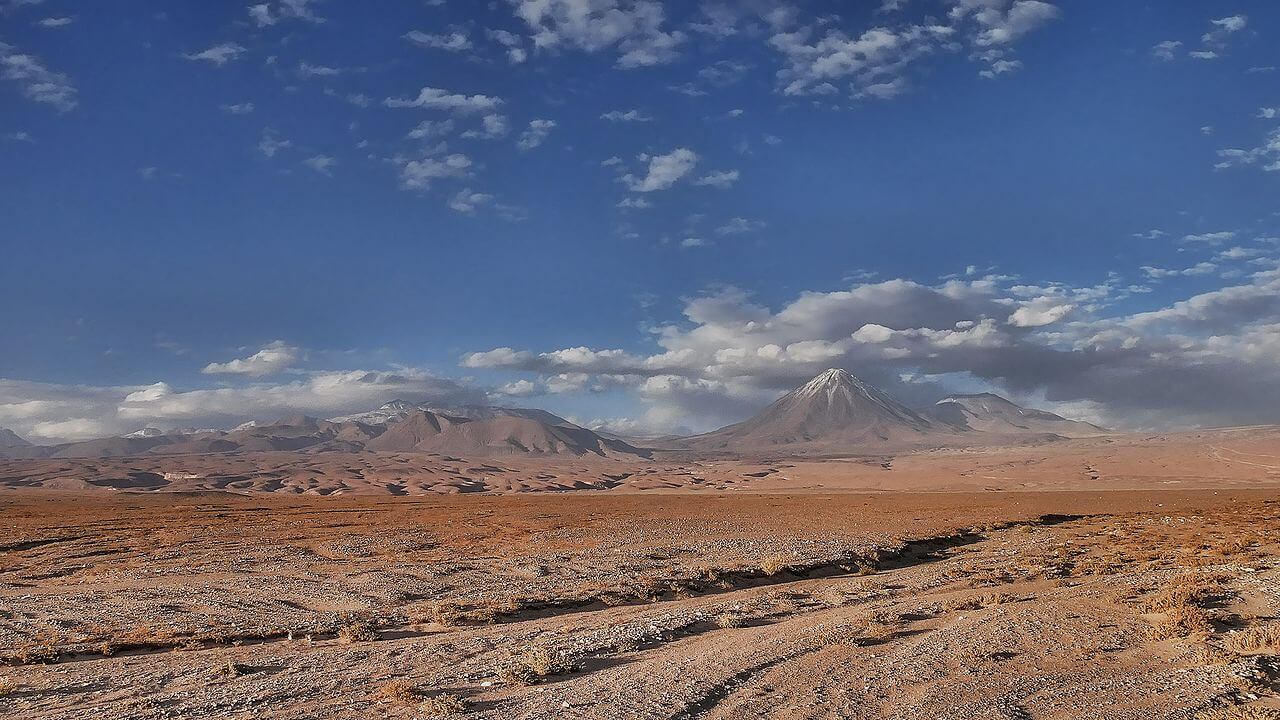
Chile's Norte Grande, from the Peruvian border to the Copiapó River, showcases the stark beauty of extreme aridity. Home to the Atacama Desert, one of the driest places on Earth, this region features a landscape shaped by the relentless sun, minimal rainfall, and dramatic geological forces.
A Tapestry of Dryness: Climate, Life, and History in Chile's Far North
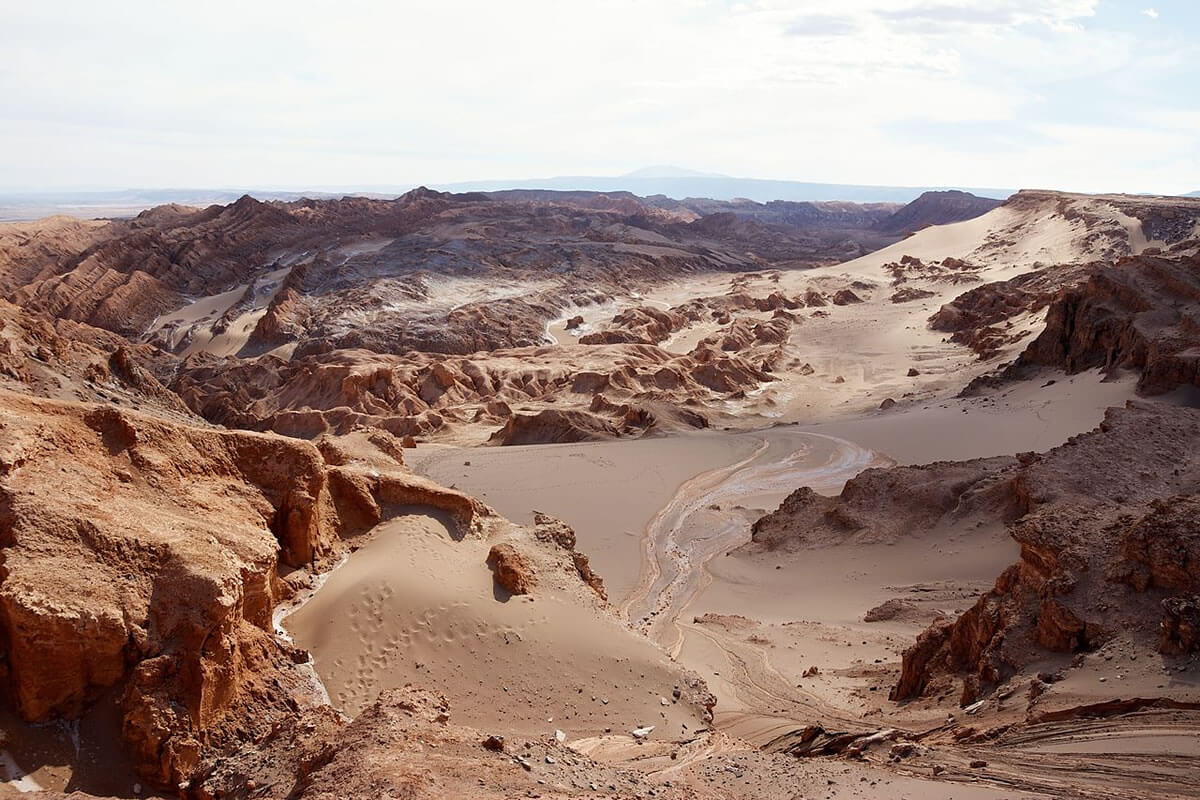
The Norte Grande, a land of unparalleled dryness and striking landscapes, is one of the five natural regions into which the Corporación de Fomento de la Producción (CORFO), Chile's economic development agency, divided continental Chile in 1950. This division, based on shared geographical and climatic characteristics, recognizes the distinct nature of this northernmost territory. Stretching over approximately 1,000 kilometers (620 miles) from the Peruvian border south to the Copiapó River, the Norte Grande encompasses the formidable Atacama Desert, one of the driest places on Earth, presenting a landscape sculpted by relentless sun, minimal rainfall, and dramatic geological forces. Yet, within this seemingly inhospitable environment lies a unique tapestry of adapted life, captivating geological features, and a rich history shaped by the enduring struggle for existence in a land of striking contrasts, marked by iconic landmarks such as the otherworldly Valle de la Luna and the vast expanse of the Salar de Atacama.
The Dominant Climate: Hyperaridity and Coastal Influences
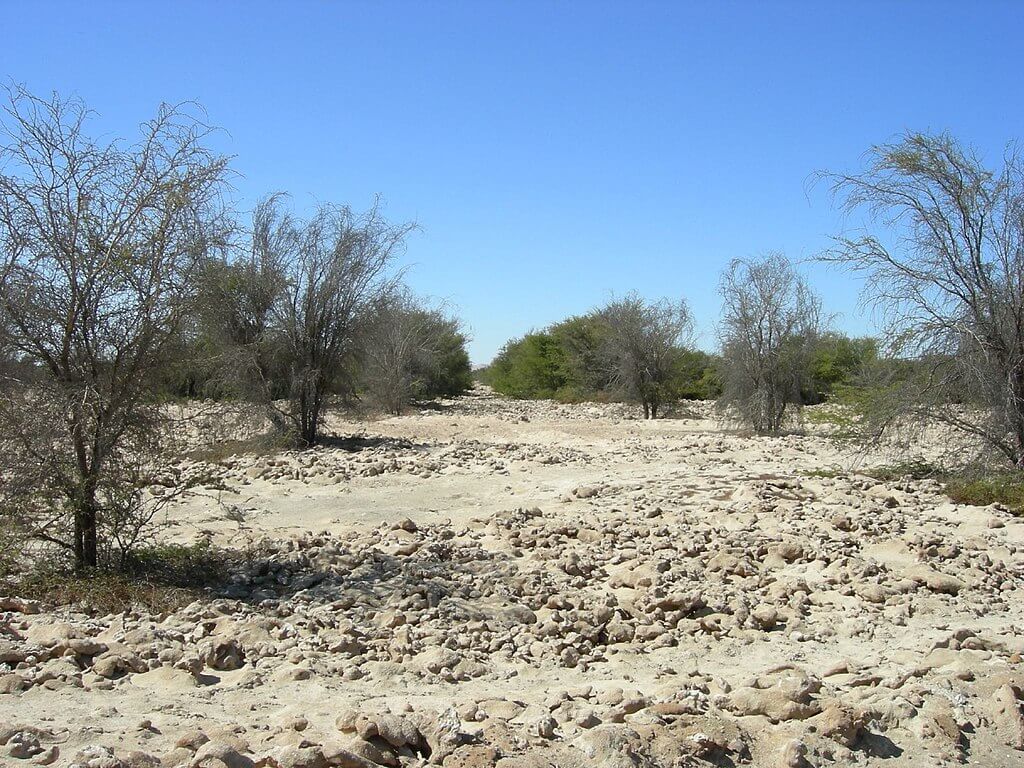
The defining characteristic of the Norte Grande is its hyperarid climate. The cold, northward-flowing Humboldt Current along the Pacific coast creates stable atmospheric conditions that inhibit rainfall. Furthermore, the towering Andes Mountains to the east act as a significant barrier, intercepting moisture-laden winds from the Amazon basin. Consequently, vast stretches of the Norte Grande experience virtually no precipitation for years, with average annual rainfall often less than 1 millimeter (0.04 inches) in the core of the Atacama. While coastal areas benefit from the influence of the Pacific Ocean, resulting in frequent coastal fog known as "camanchaca," this moisture typically condenses without producing significant rainfall, although it plays a crucial role in sustaining limited coastal vegetation. Temperatures in the interior can fluctuate dramatically between scorching daytime highs, often exceeding 40°C (104°F), and surprisingly cool nighttime lows, sometimes dropping below freezing, further challenging the survival of life.
Diverse Topography: From Coast to High Andes
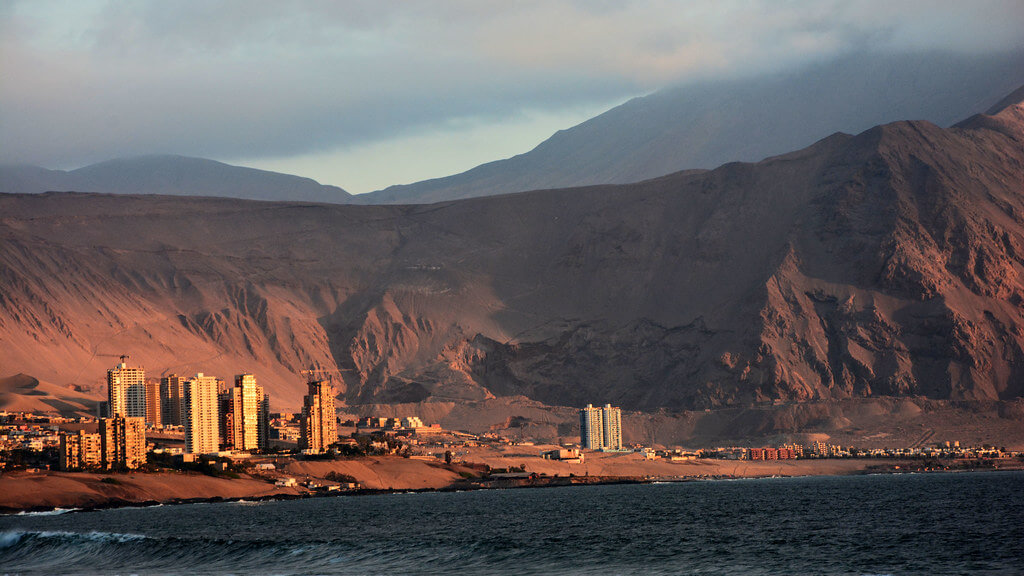
The topography of the Norte Grande is as dramatic as its climate. A narrow coastal plain rises sharply to high coastal cliffs that plunge into the Pacific, where important port cities like Arica (known as the "City of Eternal Spring" for its mild coastal climate) and Iquique (famous for its free trade zone and beaches) cling to the shoreline. Inland, a significant intermediate depression known as the Pampa del Tamarugal extends southward at elevations of around 900 to 1,200 meters (2,950 to 3,940 feet), a relatively flat expanse marked by ancient salt flats, including the impressive Salar de Atacama, the largest salt flat in Chile, covering approximately 3,000 square kilometers (1,200 square miles), and sparse vegetation, home to the unique Pampa del Tamarugal National Reserve, which protects endemic tamarugo tree forests adapted to the saline soils and arid conditions.
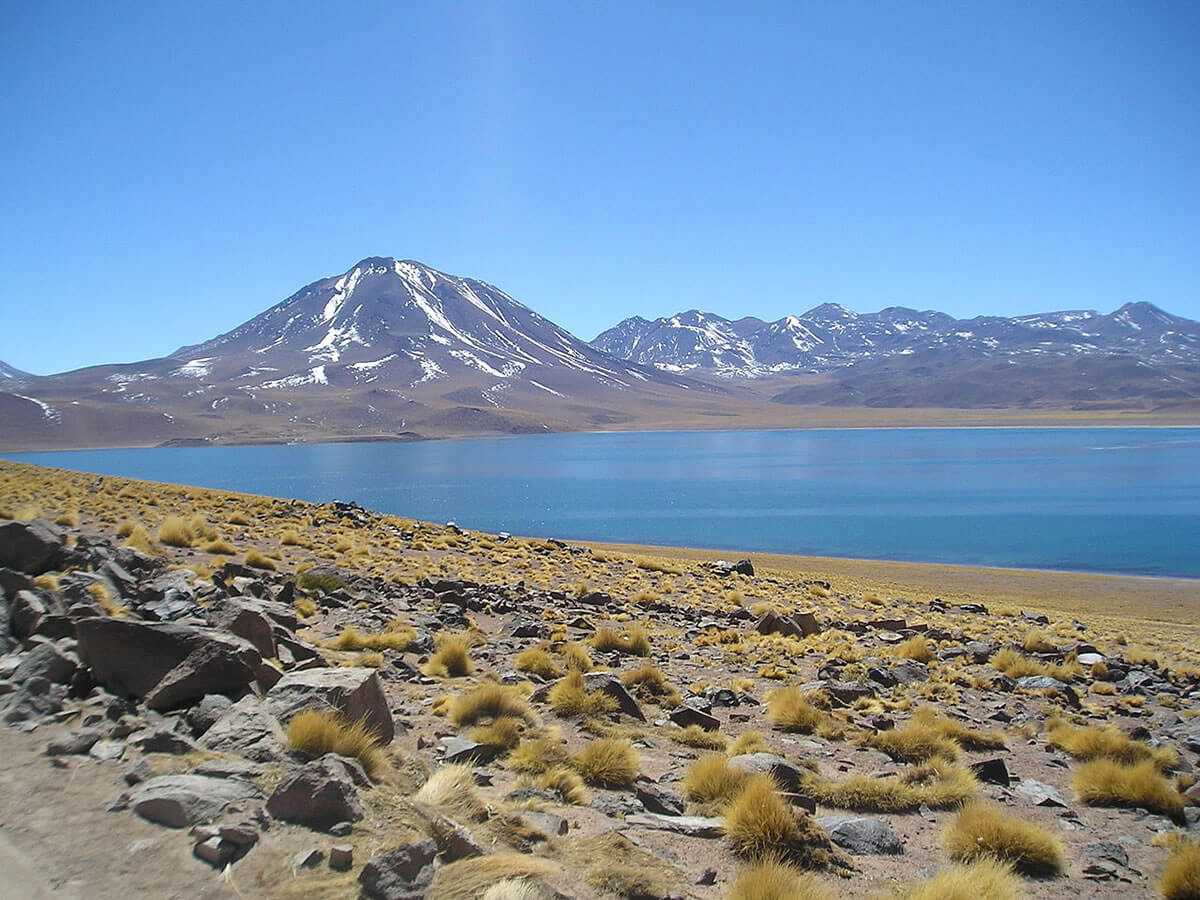
East of the Pampa, the foothills of the Andes begin their ascent, eventually culminating in towering peaks that reach altitudes of over 6,000 meters (19,700 feet), harboring geothermal wonders like the El Tatio Geysers, one of the highest geothermal fields in the world, located at around 4,320 meters (14,170 feet) above sea level, and stunning Lagunas Altiplánicas such as Laguna Miscanti and Laguna Miñiques, high-altitude lakes renowned for their intense blue color and surrounding volcanic landscapes, situated at elevations above 4,000 meters (13,100 feet).
Resilient Life: Flora and Fauna Adaptations
Despite the extreme aridity, the Norte Grande supports a fascinating array of flora and fauna that have evolved remarkable adaptations to survive with minimal water. The plant life is dominated by xerophytic species, including various types of cacti, such as the columnar candelabra cactus (Browningia candelaris) and diverse species of the globular copiapoa cactus, uniquely suited to store water and minimize transpiration, often found in rocky slopes and ravines like those of the Valle de la Luna (Moon Valley) near San Pedro de Atacama, a landscape sculpted by wind and water erosion over millennia, creating formations resembling the lunar surface. Hardy shrubs like the tamarugo (Prosopis tamarugo) can survive in the arid Pampa del Tamarugal due to deep root systems accessing underground water sources. In coastal areas where the "camanchaca" provides some atmospheric moisture, specialized fog-dependent vegetation, such as various lichens and tillandsias ("air plants"), can be found clinging to slopes and rocks.
The animal life of the Norte Grande is equally adapted to the harsh conditions. Reptiles, such as various species of lizards like the Liolaemus genus, are common, possessing physiological adaptations to conserve water and tolerate high temperatures, often active during the cooler parts of the day. Small mammals like the agile vizcacha (Lagidium viscacia), a colonial rodent related to chinchillas, are nocturnal and seek shelter in rocky crevices during the heat of the day. A variety of hardy insects and arachnids, including specialized beetles and scorpions, also inhabit the desert, playing crucial roles in the food web. Along the Pacific coast, the nutrient-rich waters of the Humboldt Current support a thriving marine ecosystem, attracting large populations of seabirds, including various gull and tern species, as well as marine mammals like South American sea lions (Otaria flavescens) and Humboldt penguins (Spheniscus humboldti), often congregating around coastal landmarks like the prominent Morro de Arica, a steep coastal cliff with historical significance and panoramic views.
Human History and Resource Exploitation
The Norte Grande is also a region of significant human history and resource wealth. Indigenous cultures adapted to the desert environment for millennia, developing intricate knowledge of water sources and sustainable practices, leaving behind enigmatic archaeological sites like the Giant of Atacama (Geoglifo de Atacama), a massive anthropomorphic figure etched into a hillside, and the extensive Geoglyphs of Pintados, thousands of geometric, zoomorphic, and anthropomorphic figures spread across the desert slopes. The Azapa Valley near Arica is home to the remarkable Chinchorro Mummies, the oldest known intentionally preserved human remains in the world, dating back over 7,000 years, predating Egyptian mummies by thousands of years and offering invaluable insights into early human funerary practices.
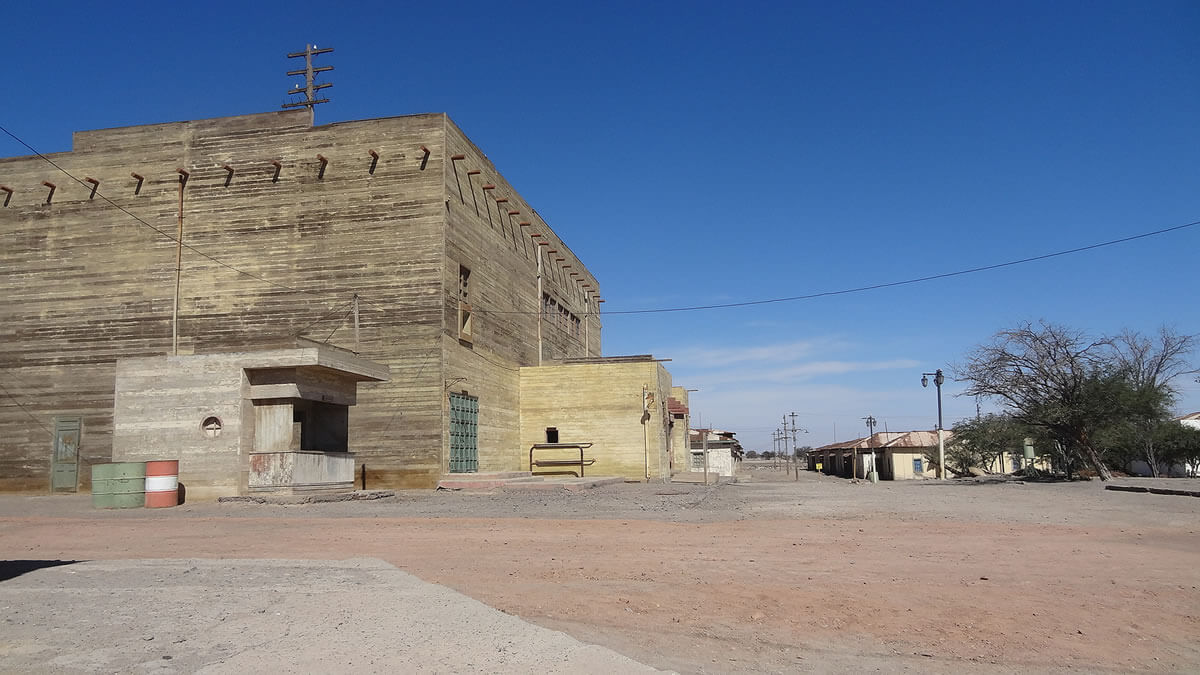
The region is rich in mineral deposits, particularly copper, nitrates, and lithium, which led to the development of significant industrial centers in the late 19th and early 20th centuries, now preserved as ghost towns like the Humberstone and Santa Laura Saltpeter Works, UNESCO World Heritage sites that tell the story of this pivotal era in Chilean history and the arduous lives of the nitrate workers. Towns like San Pedro de Atacama, an ancient oasis village with traditional adobe architecture, serve as modern-day hubs for exploring this rich cultural and natural heritage, situated near pre-Columbian archaeological sites like the Pukará de Quitor, a strategically located defensive fortress. The coastal cities of Arica, Iquique, and Antofagasta have also played crucial roles in trade and resource export, shaping the region's economic and social landscape.
Conclusion: A Testament to Life in Extremes
In conclusion, Chile's Norte Grande, recognized as a distinct natural region by CORFO in 1950, is a land of stark beauty and extreme conditions, where the relentless forces of aridity have sculpted a unique and resilient natural world, punctuated by iconic landmarks that showcase its geological wonders, ancient history, and adapted ecosystems. From the hyperarid core of the Atacama Desert to the fog-laden coast and the towering Andean peaks, the region presents a dramatic tapestry of landscapes and a compelling story of life's tenacity in the face of adversity. The specialized flora and fauna that have adapted to survive in this challenging environment, alongside the historical and economic significance of its mineral wealth and ancient cultures, make the Norte Grande a compelling and vital part of Chile's natural and human story. It is a testament to the enduring power of life to find a foothold even in the most extreme corners of the planet, leaving behind a legacy etched in sand, stone, and the remnants of human endeavor, a land where the silence of the desert speaks volumes of resilience and adaptation.
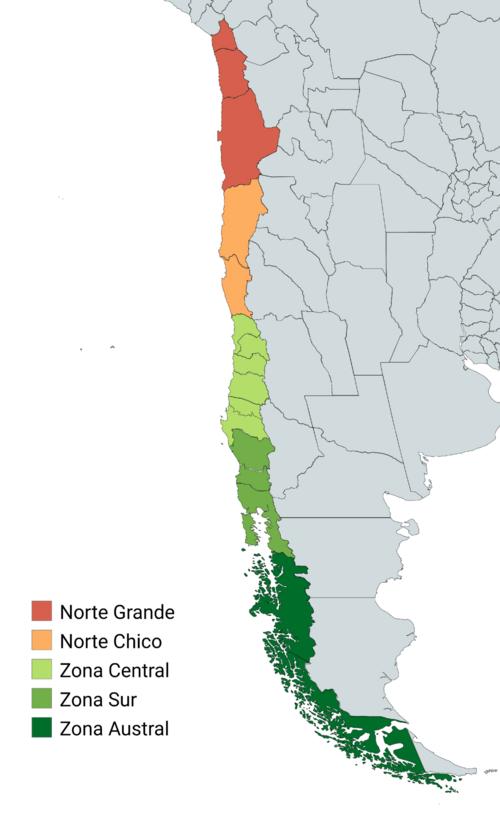
Map depicting the natural regions of Chile.