Biosphere Reserves in Mexico

Huatulco National Park and Biosphere Reserve: A Coastal Gem in Oaxaca

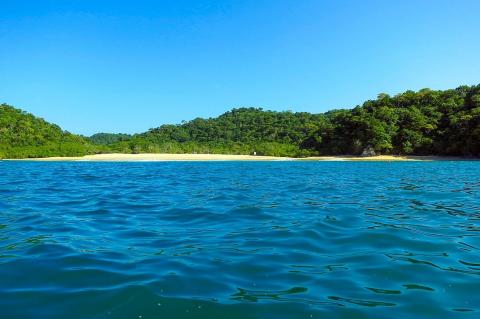
Nestled along the Pacific coast of Oaxaca, Mexico, lies the stunning Huatulco National Park and Huatulco Biosphere Reserve. Bays, cliffs, and rocky escarpments characterize these protected areas. The reserve's terrestrial portion comprises rounded hills, isolated hills, dunes, escarpments, cliffs, mangroves, wetlands, savannas, and lowland deciduous and riparian vegetation. The marine part features bays, beaches, islands, kelp, and coral communities.
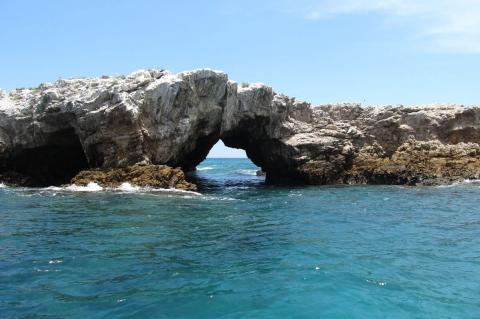
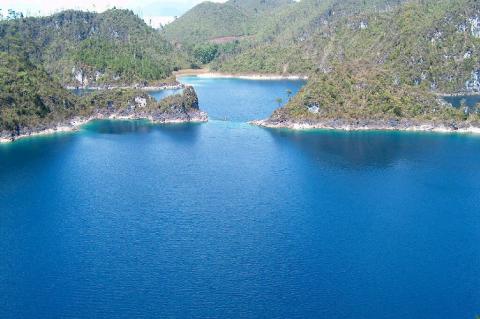
Islas Marietas Archipelago: A Sanctuary of Biodiversity and Ecotourism

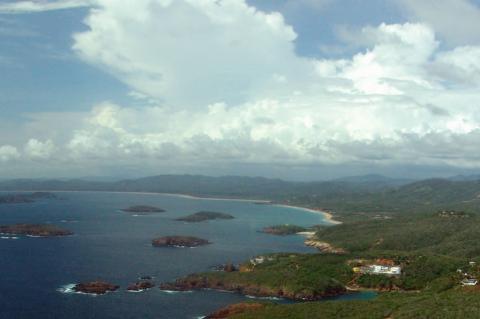
Off the Pacific coast of Nayarit, Mexico, the Islas Marietas Archipelago comprises two islands and two islets that serve as a vital sanctuary for an astonishing variety of marine and avian species. Uninhabited and southwest of Punta Mita, it is a haven for wildlife and a premier destination for eco-tourism and marine research. Protected as part of the Islas Marietas National Park and Biosphere Reserve, the region's confluence of marine currents creates a unique ecosystem where species from different regions thrive, making it essential for conservation and eco-tourism.

Lagunas de Montebello: Mexico’s Enchanted Lakes and Ancient Ruins

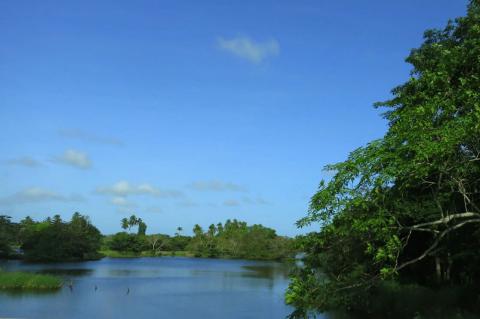
Lagunas de Montebello National Park, located in the southeastern region of Chiapas, Mexico, is an enchanting landscape with a remarkable blend of natural beauty and cultural significance. Known for its spectacular array of multi-colored lakes, pine forests, and Maya ruins, the park was the first in Chiapas. UNESCO recognized the park's ecological value by designating it a Biosphere Reserve. With its diversity of ecosystems, rich biodiversity, and archaeological sites, Lagunas de Montebello is a place of immense scenic beauty and a critical region for conservation.

Mapimí Biosphere Reserve: A Desert Sanctuary in Northern Mexico

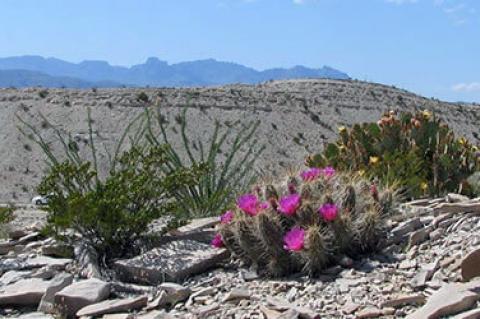
Nestled in the heart of the northern Mexican state of Durango, the Mapimí Biosphere Reserve is a testament to the region's unique desert ecosystems and incredible biodiversity. This protected area encompasses three distinct core zones in the central portion of the Chihuahuan Desert: the Sierra de la Campana, the Laguna de las Palomas (a saline lagoon) and the Dunas de la Soledad, a captivating desert habitat.

Mexico's Nahá-Metzabok Biosphere Reserve: A Sanctuary of Biodiversity and Cultural Heritage

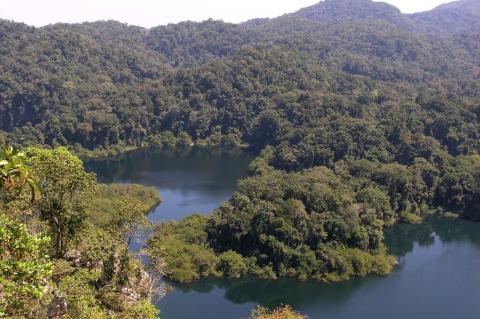
Within the verdant landscapes of Chiapas state in southeastern Mexico lies the Nahá-Metzabok Biosphere Reserve. This reserve spans the northeastern Chiapas Highlands and is a haven for biodiversity and cultural richness. Safeguarding montane rainforests, pine–oak woodlands, and pristine lakes within the renowned Lacandón Forest region, the Nahá-Metzabok Biosphere Reserve invites exploration.

Monarch Butterfly Biosphere Reserve: A Sanctuary for Nature's Winged Wonders

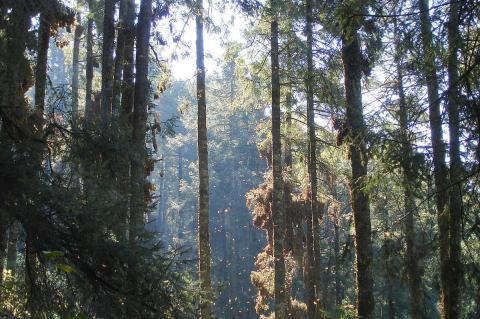
Deep within the rugged forested mountains of central Mexico, a breathtaking natural spectacle unfolds each year – the mass migration of millions of monarch butterflies seeking refuge in their overwintering grounds. The Monarch Butterfly Biosphere Reserve, a UNESCO World Heritage site, serves as a sanctuary for these remarkable creatures, protecting their delicate habitats and ensuring the continuation of one of nature's most awe-inspiring phenomena.

Nature's Mosaic: Exploring the Sierra Gorda Biosphere Reserve

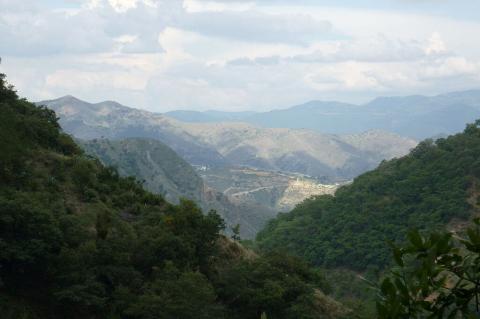
Nestled in the heart of northern Mexico at the intersection of the Arctic Neotropical and Mesoamerican Mountain regions, the Sierra Gorda Biosphere Reserve stands as a beacon of ecological diversity and natural beauty. Spanning the Querétaro and San Luis Potosí states, this reserve is a testament to the rich biodiversity and varied landscapes that characterize the region.

Pantanos de Centla Biosphere Reserve: Mexico's Exquisite Wetland Haven

The Pantanos de Centla Biosphere Reserve, an ecological gem nestled in the heart of Tabasco, southern Mexico, is one of the most crucial wetlands in what was once Mesoamerica. This expansive reserve boasts one of the largest tropical moist forest ecoregions in the Americas. With its seasonally flooded forests, vast wetlands, and critical position at the confluence of the Grijalva and Usumacinta rivers, the reserve has rightfully earned its designation as a Ramsar Wetland of International Importance.

Preserving Mexico's Tropical Dry Forests: The Chamela-Cuixmala Biosphere Reserve

The Chamela-Cuixmala Biosphere Reserve is a rich mosaic of ecosystems located in the state of Jalisco, Mexico. Stretching along the Pacific coast, this reserve protects one of the most biologically diverse landscapes in the Americas. The reserve is named after the town of Chamela, an important historical port, and the Cuixmala River, which serves as a natural boundary. It is renowned for preserving dry and deciduous tropical forests, some of the world's most endangered and ecologically important ecosystems.

Sian Ka'an: Mexico’s Hidden Ecological and Cultural Gem

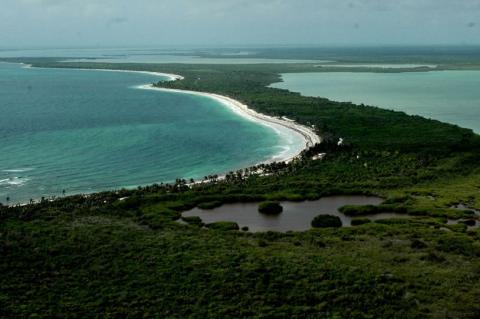
On the eastern edge of the Yucatán Peninsula lies one of the world's most ecologically diverse and culturally significant areas—the Sian Ka'an Biosphere Reserve. Its name, meaning "Origin of the Sky" in the Mayan language, reflects the ancient reverence for this region, where the sea meets the sky in a magnificent display of natural beauty. Stretching across marine, coastal, and terrestrial ecosystems, Sian Ka'an is a sanctuary for rare and endangered species and a testament to the ecological and cultural wealth of the Yucatán.