Historical & Cultural Landmarks in Panama

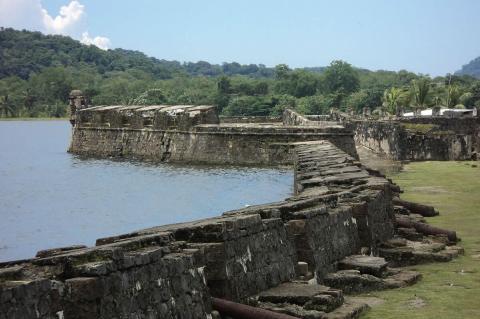
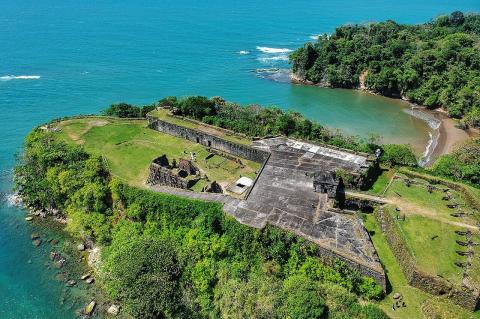
Defenders of the Caribbean: The Fortifications of Portobelo-San Lorenzo

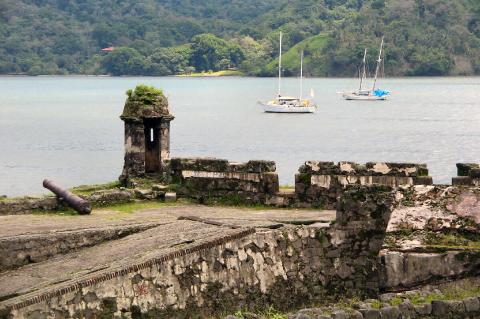
Situated along the picturesque coast of the Colón Province in Panama, the Fortifications of Portobelo-San Lorenzo are enduring symbols of Spanish colonial military engineering. These fortifications were designed to protect the lucrative transatlantic trade routes that connected the New World to Spain. Recognized as a UNESCO site, these fortifications represent a key chapter in the history of global commerce and military architecture, standing as silent witnesses to a bygone era of colonial expansion and strategic defense.

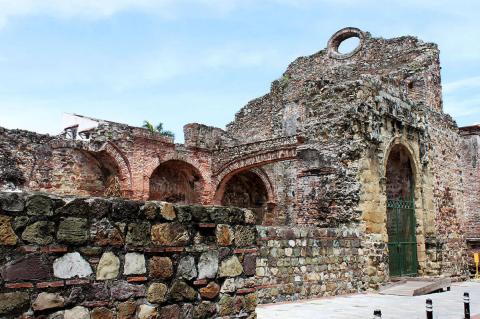
Panamá Viejo and Casco Antiguo: The Colonial Foundations of Modern Panama

Panamá Viejo, founded in 1519, is a testament to Panama's rich colonial history. It is the oldest continuously occupied European settlement on the Pacific coast of the Americas. Panamá Viejo retains its historical significance as the foundation of modern Panama City despite enduring natural disasters, pirate attacks, and relocation. It forms a UNESCO World Heritage Site with the Historic District of Panama, Casco Antiguo.

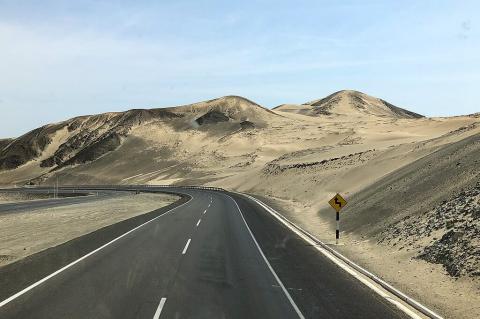
The Pan-American Highway: Linking North, Central, and South America

Stretching from the frozen tundras of Alaska to the windswept landscapes of Tierra del Fuego, the Pan-American Highway is a testament to human ingenuity and the indomitable spirit of connectivity. This vast network of roads is one of the most extensive and ambitious transportation systems ever conceived, serving as a vital artery for trade, tourism, and cultural exchange across the Americas. Despite the monumental achievements of the highway, a formidable obstacle remains – the Darién Gap.

The Panama Canal: Engineering Marvel Connecting Two Oceans

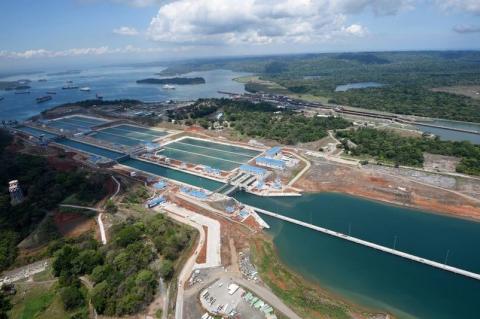
The Panama Canal stands as one of the most ambitious and consequential engineering achievements of the modern era—an artificial waterway spanning the Isthmus of Panama to connect the Atlantic and Pacific Oceans. The story encompasses heroic engineering, devastating failure, the conquest of tropical disease through medical innovation, and human suffering on an almost incomprehensible scale. Its construction claimed at least 27,000 lives over more than three decades, yet its completion revolutionized global commerce.