Protected Areas in Bolivia

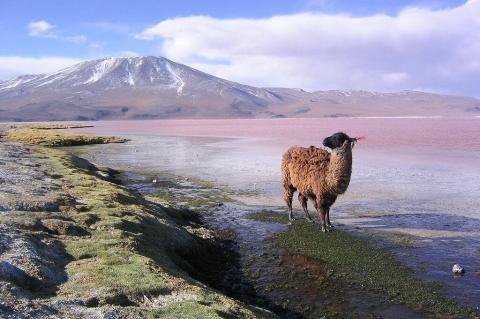
A High-Altitude Sanctuary: Exploring the Eduardo Avaroa Andean Fauna National Reserve

Nestled in Bolivia's far southwestern region, the Eduardo Avaroa Andean Fauna National Reserve stands as a breathtaking testament to the country's natural wonders. This vast protected area is a realm of contrasts and extremes, where volcanic mountain peaks, simmering hot springs, and kaleidoscopic lakes coexist with windswept deserts and fragile ecosystems. As Bolivia's most visited protected area, the Eduardo Avaroa Reserve offers a captivating journey through the heart of the Andes.

Amboró National Park: A Biodiversity Haven in Bolivia

Amboró National Park, situated in the western part of Bolivia's Santa Cruz Department, is a natural treasure trove of biodiversity and ecological significance. Located at the "Elbow of the Andes," this park is a crucial preservation site for many unique species and habitats. Recognized for its ecological richness and scenic beauty, Amboró National Park serves as a vital sanctuary for flora and fauna and a focal point for scientific research and conservation efforts.

Beni Biosphere Reserve: A Confluence of Nature and Culture

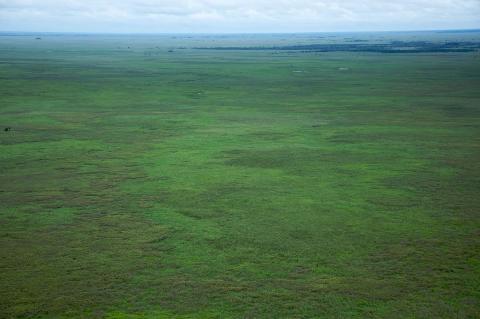
The Beni Biosphere Reserve is located in the Department of Beni in northeastern Bolivia. It is a unique area that combines three distinct biogeographical zones: the Amazon, the Chaco, and the Cerrado. The reserve comprises a savanna and rainforest and is one of Bolivia's oldest and most important protected areas. It is a haven for a wide variety of plant and animal species and a place with a rich cultural heritage.

Kaa-Iya del Gran Chaco: Bolivia's Indigenous-Led Wilderness

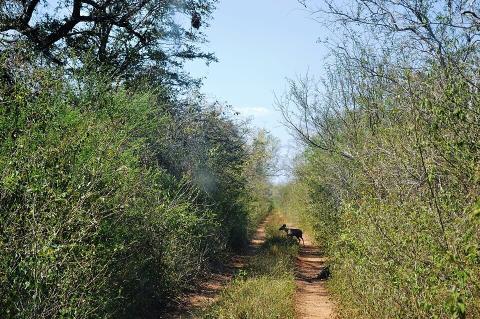
In the remote southeastern reaches of Bolivia's Santa Cruz Department, Kaa-Iya del Gran Chaco National Park and Integrated Management Natural Area protects one of the largest protected areas anywhere in South America. What sets Kaa-Iya apart from nearly every other park of comparable scale is not just its size, but who created it: Kaa-Iya exists because the Izoceño-Guaraní, Chiquitano, and Ayoreode peoples of the region asked for it, designed it, and continue to run it today.

Madidi National Park: Bolivia's Most Biodiverse Protected Area

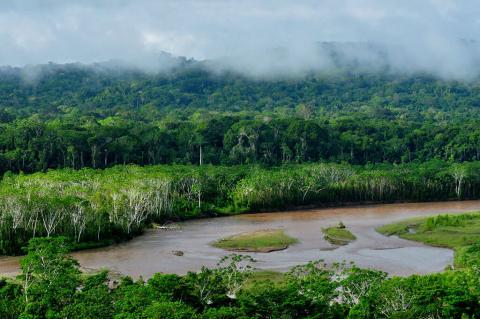
Madidi National Park lies in the La Paz department of northwestern Bolivia, where the Andes fall away to the Amazon lowlands across about 19,000 km². Created in 1995, it was surveyed by the Identidad Madidi expedition from 2015 to 2018, which recorded more than 1,000 bird species and over 5,500 plants and flagged 124 candidate new species. Tacana, Ese Ejja, Tsimané, and Mosetén communities live in and around it, while illegal gold mining on the Tuichi River and the proposed Chepete-El Bala dams threaten it.

Nevado Sajama: Bolivia's Crown Jewel of the Andes

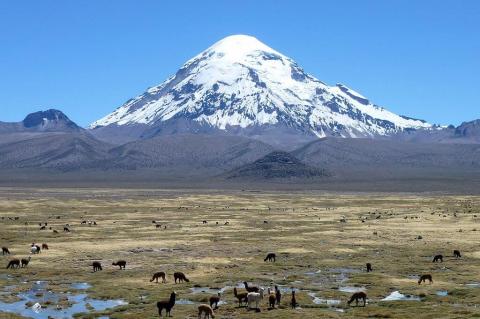
Nestled in Bolivia's remote highlands, Nevado Sajama is the country's tallest peak. This dormant stratovolcano, part of the Cordillera Occidental volcanic chain, is a natural marvel that marks Bolivia's western border. Beyond its impressive stature, Nevado Sajama serves as the centerpiece of Sajama National Park. This region harmoniously blends breathtaking Andean landscapes, unique high-altitude ecosystems, and the enduring cultural heritage of the Aymara people.

Noel Kempff Mercado National Park: Bolivia's Natural Treasure

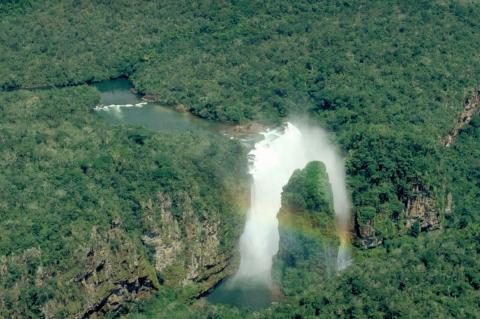
Noel Kempff Mercado National Park, located in the Santa Cruz Department of northeastern Bolivia, is one of the most pristine and expansive protected areas in the Amazon Basin. It is a unique ecological treasure at the confluence of the Amazon rainforest and the Chiquitano dry forests. This remarkable park, recognized as a UNESCO World Heritage Site, offers a glimpse into an evolutionary history that spans over a billion years and boasts an astonishing diversity of flora and fauna.

Pilón-Lajas Biosphere Reserve: Where Indigenous Communities Guard Bolivia’s Foothill Rainforest

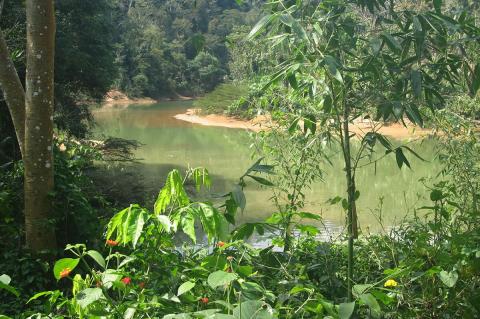
Pilón-Lajas Biosphere Reserve and Communal Lands covers about 4,000 km² in the La Paz and Beni departments of Bolivia, beside the Beni River and across from Madidi National Park. Recognized by UNESCO in 1977 and decreed an Indigenous territory in 1992, it is co-managed by the national parks service and a council of Tsimane', Mosetén, and Tacana communities. Jaguars, spider monkeys, and harpy eagles live in its forests, while mining requests, mercury pollution, and the proposed Chepete dam raise concern.

Ulla-Ulla Biosphere Reserve: Bolivia's High-Altitude Sanctuary

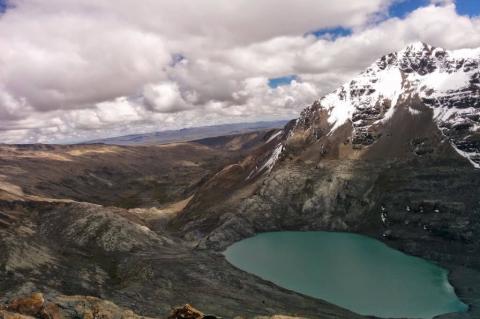
Nestled in the lofty elevations of Bolivia, the Ulla-Ulla Biosphere Reserve stands as a testament to the diverse wonders that thrive in the Central Andean wet puna ecoregion. This reserve is a mosaic of ecological marvels, encompassing the expansive high plateau, pristine tundra, towering Cordillera, majestic mountains, serene lakes, the origins of rivers, and a perpetual snow zone.