World Heritage Sites in Peru

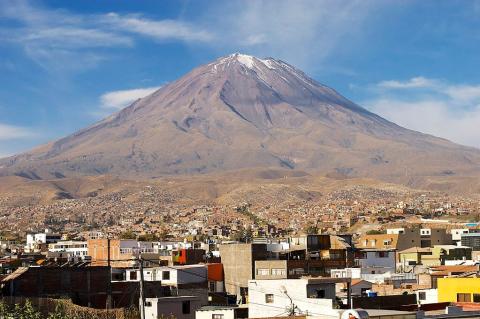
Arequipa: Unveiling the Legacy of Peru's White City

Located in southern Peru and nestled amidst the Andes Mountains, Arequipa represents the country's diverse history and cultural wealth. The city is called "The White City" due to its abundant use of volcanic stone in construction. It is a captivating fusion of European and indigenous influences, and its Historical Center, designated by UNESCO, is the heart of its charm. The Historical Center showcases centuries of architectural excellence and cultural customs.

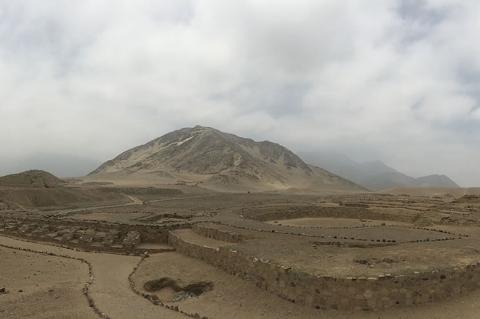
Caral-Supe: The Birthplace of Andean Civilization

The Sacred City of Caral-Supe, commonly known as Caral, is an ancient archaeological marvel that offers profound insights into the origins of civilization in the Americas. Situated on a desert terrace overlooking Peru's lush Supe River Valley, this 5000-year-old site was declared a UNESCO World Heritage Site in 2009. Caral is celebrated not only for its antiquity but also for its advanced sociopolitical organization and architectural sophistication.

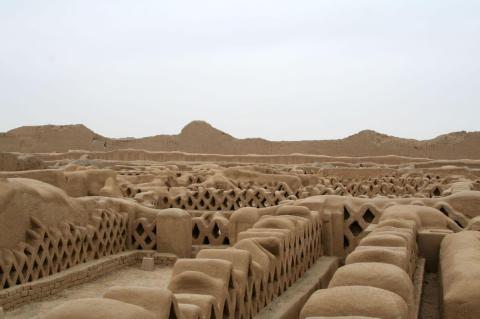
Chan Chan: The Ancient Citadel of the Chimu Empire

On the northern coast of Peru, in the Moche Valley, lies the sprawling adobe city of Chan Chan. Once the capital of the Chimu Empire, Chan Chan is a testament to the architectural prowess and cultural ingenuity of one of the most influential civilizations in pre-Columbian America. Chan Chan was the largest adobe city in the Americas and a major center of power on the northern Peruvian coast for centuries. Recognizing its historical importance, UNESCO declared Chan Chan a World Heritage Site.

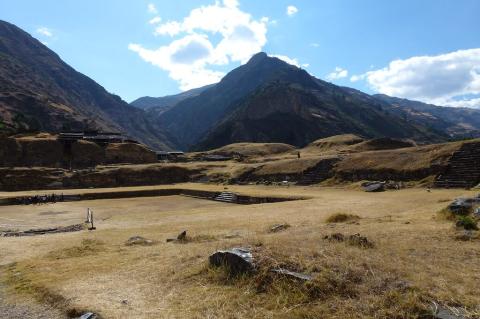
Chavín de Huántar: A Sacred Center of Early Andean Civilization

Chavín de Huántar, an archaeological site in the Ancash Region of Peru, is one of South America's most significant pre-Columbian cultural centers. Nestled above the Conchucos Valley, east of the Cordillera Blanca, this ancient site played a pivotal role in early Andean civilizations' religious and cultural life. Recognized as a UNESCO World Heritage Site, Chavín de Huántar showcases a unique combination of ceremonial, architectural, and artistic achievements from one of the earliest complex societies in the Americas.

Exploring Chankillo: The Oldest Solar Observatory in the Americas

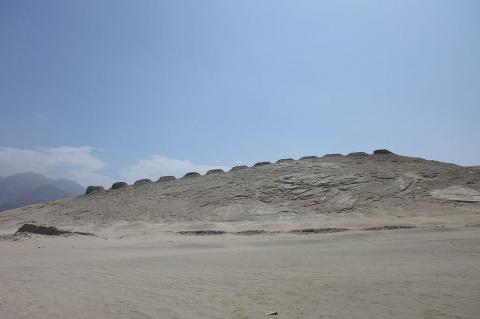
Nestled below the western slopes of the Andes in Peru's coastal desert, the Chankillo Archaeological Site offers a glimpse into the advanced astronomical knowledge and cultural practices of the ancient Casma/Sechin civilization. Located in the Ancash region, Chankillo is renowned for its architectural and astronomical significance. Designated as a UNESCO World Heritage Site, the Chankillo Archaeoastronomical Complex is a testament to pre-Columbian societies' ingenuity in tracking celestial events.

Exploring the Monumental Legacy of Lima's Historic Center

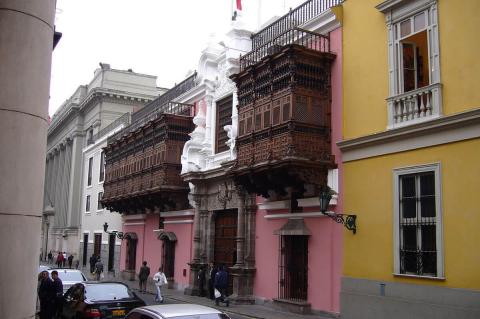
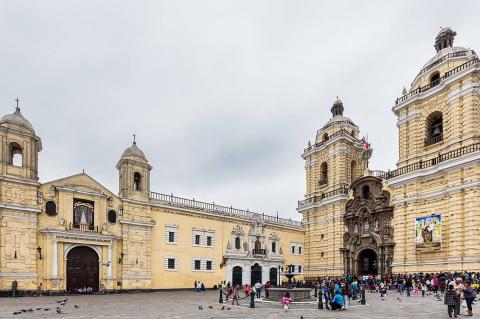
Nestled in the Rimac Valley, the Historic Center of Lima, originally christened 'Ciudad de Los Reyes' (City of the Kings), stands as a living testament to the city's rich colonial heritage and its pivotal role in the history of the New World. Founded by Spanish conqueror Francisco Pizarro in January 1535 on the territories once led by the Chiefdom of Rimac, this UNESCO World Heritage Site is a captivating tapestry woven with architectural masterpieces, religious grandeur, and a cultural legacy that has endured for centuries.

Huascarán National Park: A Sanctuary of Biodiversity and Human History

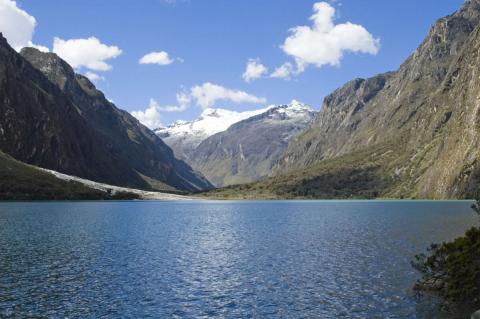
Huascarán National Park and its extension as the Huascarán Biosphere Reserve, located in the Ancash region of Peru, are natural sanctuaries and cultural treasures. Spanning an extensive area, the park and reserve are strategically positioned along the Cordillera Blanca, the world's highest tropical mountain range. This area is significant for its breathtaking landscapes and diverse ecosystems and its rich cultural heritage.

Machu Picchu: Where Stone Dreams Meet Cloud Forest Mysteries

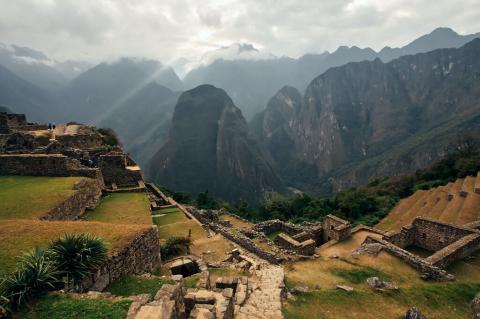
High above the Urubamba Valley, where Andean peaks pierce clouds and ancient mists whisper of forgotten ceremonies, stands Machu Picchu—perhaps the most enigmatic human achievement. This stone citadel seems to float between Earth and sky, its granite walls rising naturally from the mountain ridge like a formation shaped by divine hands rather than human tools. From its precisely engineered terraces to its role as guardian of numerous species, Machu Picchu is a masterpiece where human ingenuity harmonized with Earth's biodiversity.

Manú National Park: Where the Andes Meet the Amazon

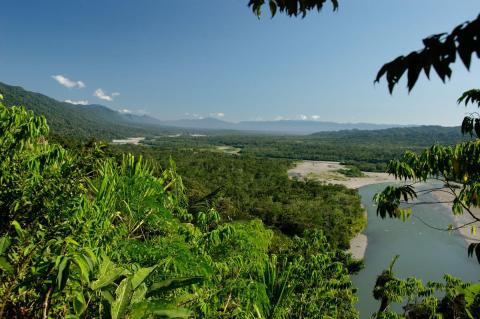
Manú National Park, located deep within Peru, where the mighty Andes transition into the lush Amazon Rainforest, is one of the planet's most remarkable wild regions. Its protected expanse stretches from snow-capped mountains to steamy lowland jungles, creating a sanctuary for an astonishing diversity of life—surpassing nearly every other place on Earth. This vast reserve not only conserves thriving wildlife but also safeguards Indigenous peoples who have lived in harmony with these forests for thousands of years.

Río Abiseo National Park: A Peruvian Wonder of Nature and Culture

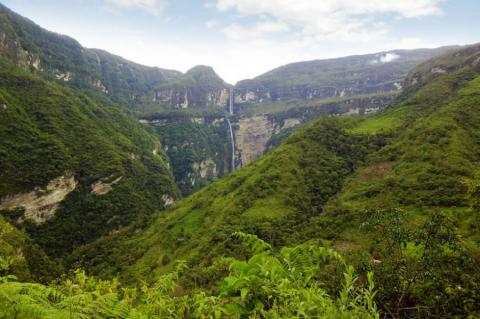
Nestled in the San Martín department of Peru, on the eastern slope of the tropical Peruvian Andes, lies Río Abiseo National Park, a World Heritage Site that seamlessly blends natural and cultural wonders. This unique protected area not only harbors a rich tapestry of biodiversity but also serves as a testament to the ancient civilizations that once thrived within its boundaries.