
The Green Heart of Colombia: Exploring the Amazon Natural Region
Colombia's Amazon Natural Region, a sprawling expanse in the country's southern reaches, is dominated by dense tropical rainforest. It is bounded to the west by the eastern slopes of the Cordillera Oriental of the Colombian Andes and extends eastward to the borders with Venezuela and Brazil.
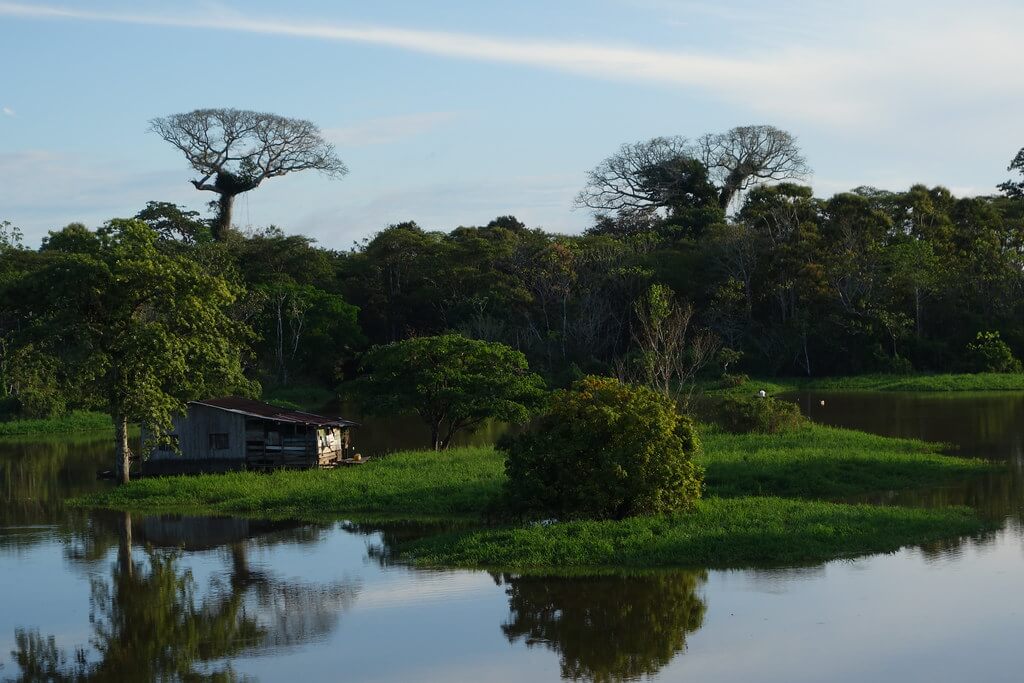
The Heart of Biodiversity: Unveiling Colombia's Amazonian Rainforest
Colombia's Amazon Natural Region, a sprawling expanse in the country's southern reaches, is a quintessential part of the vast Amazon Basin, representing approximately 35% of Colombia's total territory. This immense region is overwhelmingly dominated by dense, biodiverse tropical rainforest, bounded to the west by the eastern slopes of the Cordillera Oriental of the Colombian Andes and extending eastward to the borders with Venezuela and Brazil. As the most heavily forested and least populated of Colombia's natural regions, the Amazon Natural Region is a critical global lung, boasting unparalleled biodiversity and intricate ecological processes.
A World of Constant Warmth and Humidity: The Amazonian Climate
The Amazon Natural Region is characterized by a perennially hot and humid tropical rainforest climate. Temperatures remain remarkably consistent throughout the year, with an average around 27 °C (81 °F), experiencing little seasonal variation. Humidity levels are exceptionally high, often averaging around 90%, contributing to the characteristic mist and frequent rainfall of the rainforest. While the region is generally wet year-round, it does experience a discernible wet season, typically from October to May, when rainfall is heaviest, and a relatively drier period from June to September, though precipitation still occurs during this time. This constant warmth and abundant moisture are the fundamental drivers of the Amazon's prodigious biodiversity.
Uninterrupted Green: Topography and Forest Dominance
The topography of the Amazon Natural Region is largely defined by its relatively flat to gently undulating terrain, which is almost entirely covered by dense tropical rainforest. This vast, unbroken canopy forms the dominant geographical feature, stretching for thousands of square kilometers. The region is crisscrossed by an intricate network of rivers, many of which are major tributaries of the Amazon River, flowing slowly across the flat landscape. These rivers are not merely hydrological features but vital arteries for transportation, ecological processes, and human settlement. While the western boundary is marked by the foothills of the Cordillera Oriental, the interior of the Amazon region is a world of endless green, with variations in forest types depending on soil, elevation, and proximity to water bodies, including terra firme forests (never flooded), varzea forests (seasonally flooded), and igapó forests (permanently flooded).
A Treasury of Life: Unrivaled Amazonian Biodiversity
The Amazon Natural Region is a global biodiversity hotspot, housing an extraordinary array of flora and fauna. Its tropical rainforests are among the most species-rich terrestrial ecosystems on Earth. The vegetation is characterized by an immense variety of tree species, forming multiple canopy layers and supporting a complex web of epiphytes, lianas, and understory plants. This unparalleled plant diversity, in turn, sustains an incredible range of animal life.
The fauna includes iconic large mammals such as jaguars, tapirs, giant anteaters, and various species of monkeys. The rivers teem with life, including pink river dolphins, manatees, piranhas, and a vast diversity of fish species. Birdlife is exceptionally rich, with colorful macaws, toucans, and countless other avian species. Reptiles like anacondas, caimans, and an immense variety of insects and amphibians further contribute to the Amazon's biological wealth. Many species are endemic to the Amazon Basin, underscoring its unique evolutionary history and ecological importance.
Human Presence: Indigenous Cultures and Sustainable Living
The Amazon Natural Region is the least populated of Colombia's natural regions, with its human inhabitants primarily consisting of diverse Indigenous communities. For millennia, these communities have lived in harmony with the rainforest, developing intricate knowledge of its ecosystems and practicing sustainable forms of resource management. Their cultures, languages, and spiritual beliefs are deeply intertwined with the Amazonian environment. While some urban centers like Leticia, located on the Amazon River, serve as regional hubs, the vast majority of the region remains wild and largely untouched by large-scale human development.
Notable Features and Attractions: Remote Wilderness and Cultural Immersion
The Amazon Natural Region offers unique opportunities for eco-tourism and cultural immersion, focusing on its pristine wilderness and Indigenous heritage. Leticia, situated on the triple frontier with Peru and Brazil, serves as the main gateway to the Colombian Amazon, offering access to river tours and jungle excursions. Visitors can explore the Amazon River, encountering pink river dolphins and piranhas, and visit Indigenous communities to learn about their traditions and way of life.
Amacayacu National Natural Park protects a vast expanse of rainforest and its incredible biodiversity, providing opportunities for guided jungle treks and wildlife observation. However, the remote nature of the Amazon means that tourism is often focused on experiential learning and respecting the delicate balance of the ecosystem and local cultures.
Conclusion: A Global Heritage to Protect
Colombia's Amazon Natural Region, a colossal expanse of tropical rainforest, stands as a critical global treasure. Defined by its constant heat and humidity, vast, uninterrupted green canopy, and the lifeblood of its great rivers, this region harbors unrivaled biodiversity and a profound ecological significance. As the home to numerous Indigenous cultures who have long practiced sustainable living, the Amazon Natural Region represents a vital frontier for conservation and a testament to the intricate interconnectedness of life on Earth. Its preservation is not merely a regional concern but a global imperative, ensuring that this green heart continues to beat for generations.
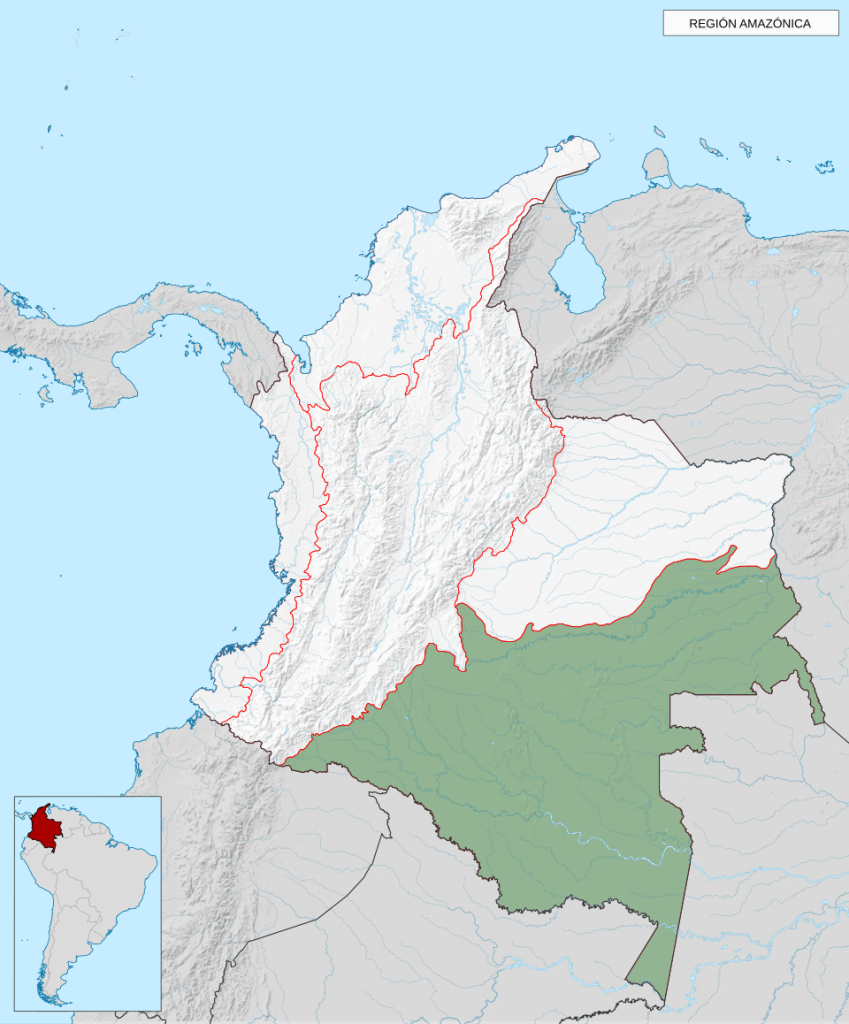
Map depicting the location of the Amazon Natural Region of Colombia.