
The Callejón de Huaylas: Peru's Valley of Eternal Snow
The Callejón de Huaylas is a stunning valley in Peru's Ancash region, between the snow-capped Cordillera Blanca and the darker Cordillera Negra, along the Santa River. It hosts traditional farming communities and is the gateway to Huascarán National Park and mountaineering sites.
Valley of the Santa River: Exploring Peru's Callejón de Huaylas
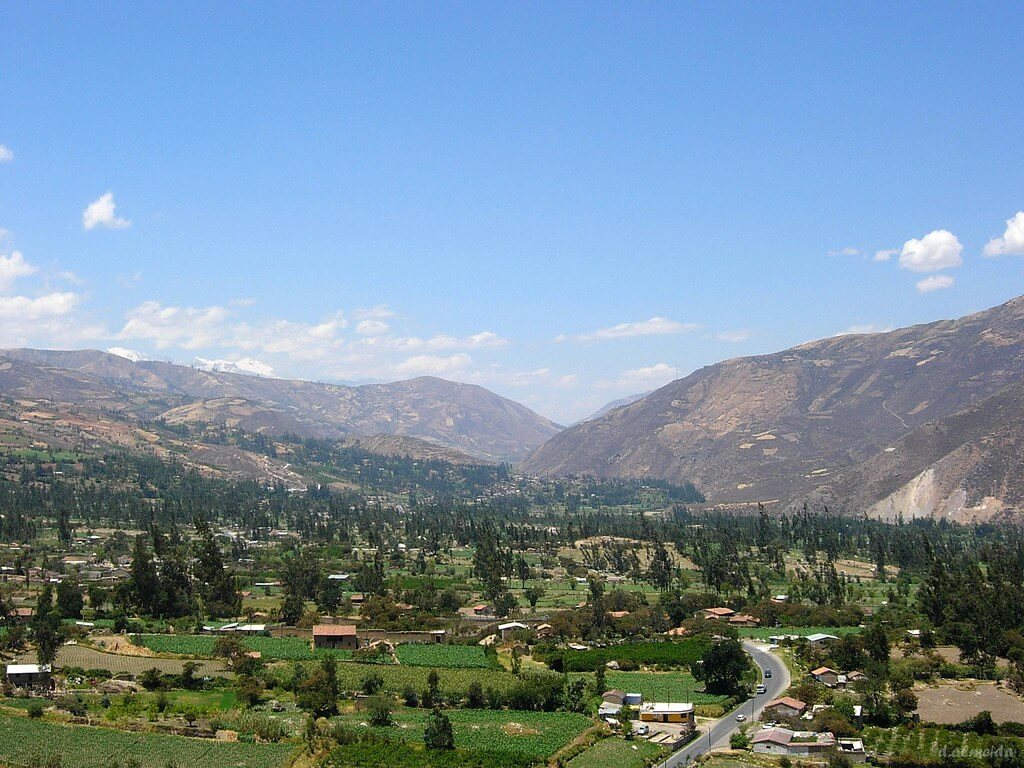
Nestled in the heart of Peru's Ancash region, the Callejón de Huaylas stands as one of South America's most spectacular inter-Andean valleys. This remarkable geographical corridor, stretching approximately 150 kilometers (93 miles) through the Peruvian Andes, creates a natural amphitheater where two of the continent's most dramatic mountain ranges converge, framing a fertile valley that has sustained human civilization for thousands of years.
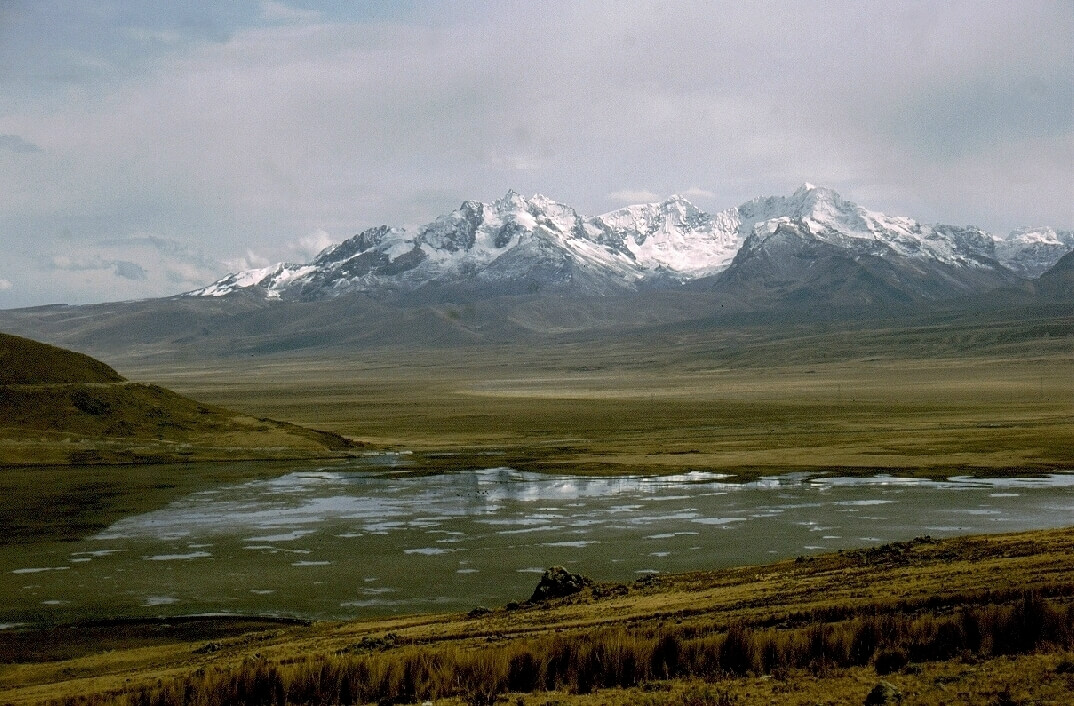
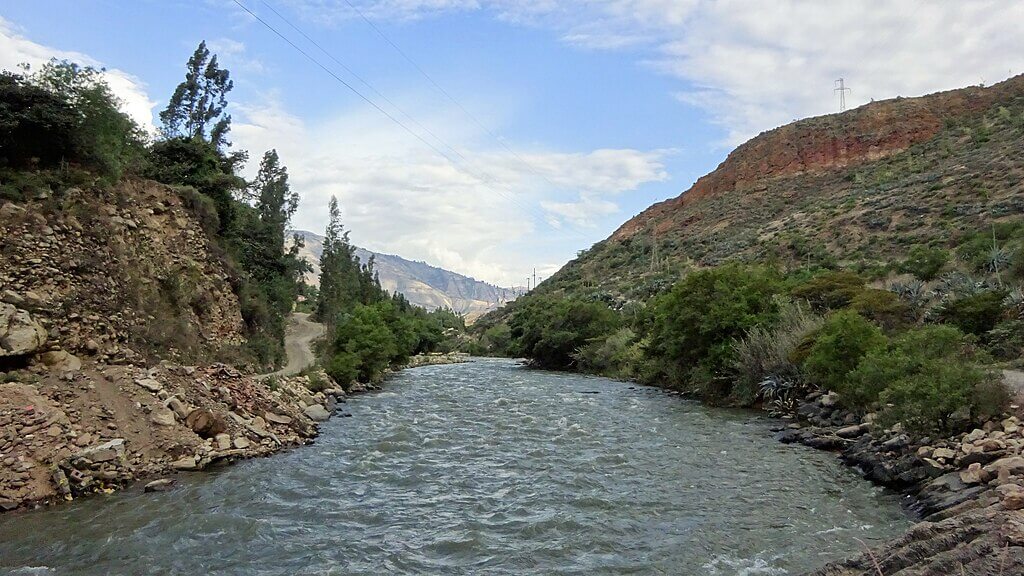
The valley begins at Laguna Conococha at 4,100 meters (13,451 feet) above sea level in the south. It descends northward to the Cañón del Pato at 1,800 meters (5,906 feet), creating a diverse altitudinal gradient that supports multiple ecosystems within a relatively compact geographic area. This inter-Andean valley follows the course of the Santa River (known in Quechua as Sancta), which serves as the valley's lifeline and primary drainage system.
The valley's name derives from the historic territorial division during Peru's colonial period, when the region was known as Huaylas Province. The term "Callejón" literally translates to "alley" or "corridor," aptly describing this narrow valley's position between two towering mountain barriers. Today, this corridor serves not only as a vital agricultural and transportation route but also as the gateway to some of Peru's most pristine wilderness areas and challenging mountain terrain.
Geographic Setting: Between Giants
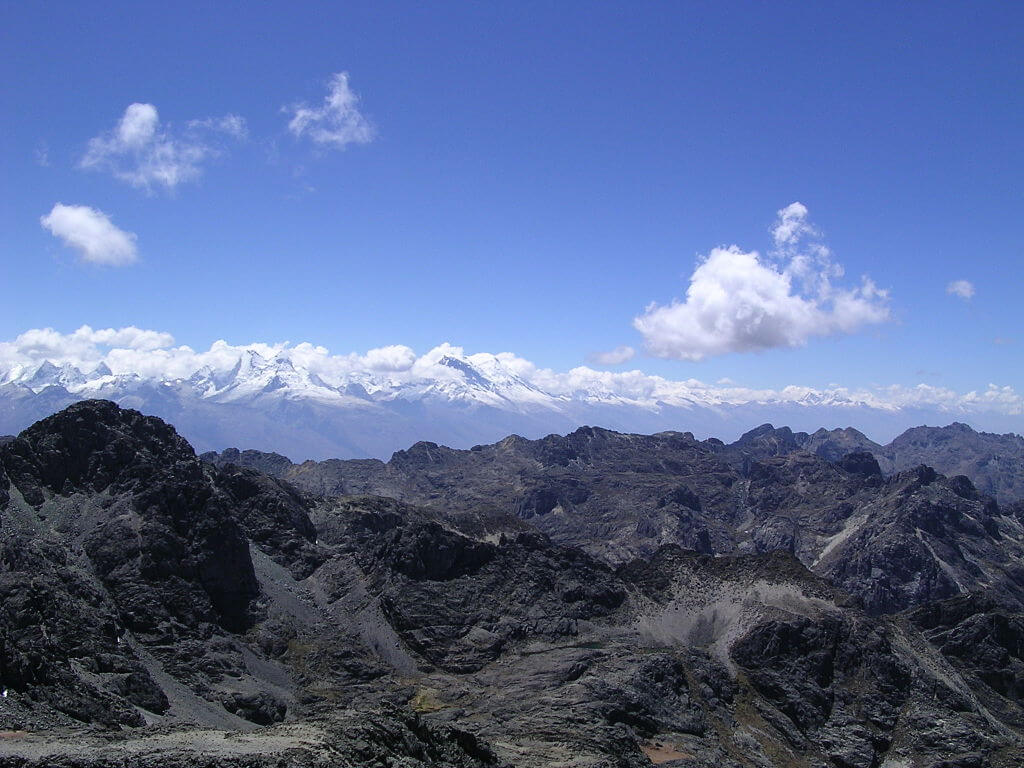
The Callejón de Huaylas owes its dramatic character to its unique position between two contrasting mountain ranges that showcase the geological diversity of the Peruvian Andes. To the east rises the spectacular Cordillera Blanca ("white range"), while to the west stands the darker Cordillera Negra ("black range"). This juxtaposition creates one of the most striking mountain landscapes in the world, where snow-capped peaks soar above glacial lakes while arid slopes descend toward fertile valley floors.
The Cordillera Blanca runs parallel to the Santa River valley and encompasses almost the entire range within Huascarán National Park, established in 1975. This eastern wall of the valley contains the highest tropical mountain range in the world, with numerous peaks exceeding 6,000 meters (19,685 feet) in elevation. The range's characteristic white appearance results from extensive glaciation, with over 600 glaciers creating a perpetual snow crown that feeds countless streams and lakes throughout the valley system.
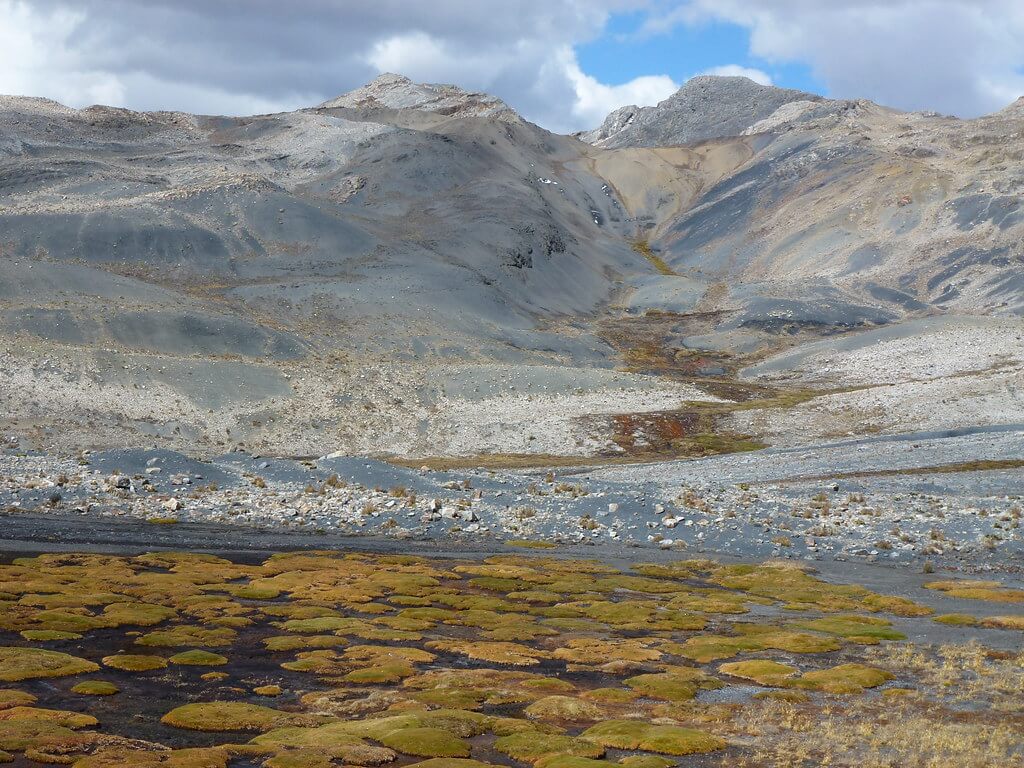
The western boundary is formed by the Cordillera Negra, which extends approximately 180 kilometers (110 miles) and rises to elevations of 5,200 meters (17,000 feet), with its highest point reaching 4,430 meters (14,764 feet). Despite achieving considerable elevation, this range remains characteristically snow-free year-round, earning its "black" designation from the dark volcanic and sedimentary rocks that dominate its slopes. The Cordillera Negra hosts mountains reaching 5,100 meters and is characterized by its lack of permanent snow cover.
The Santa River: Lifeline of the Valley
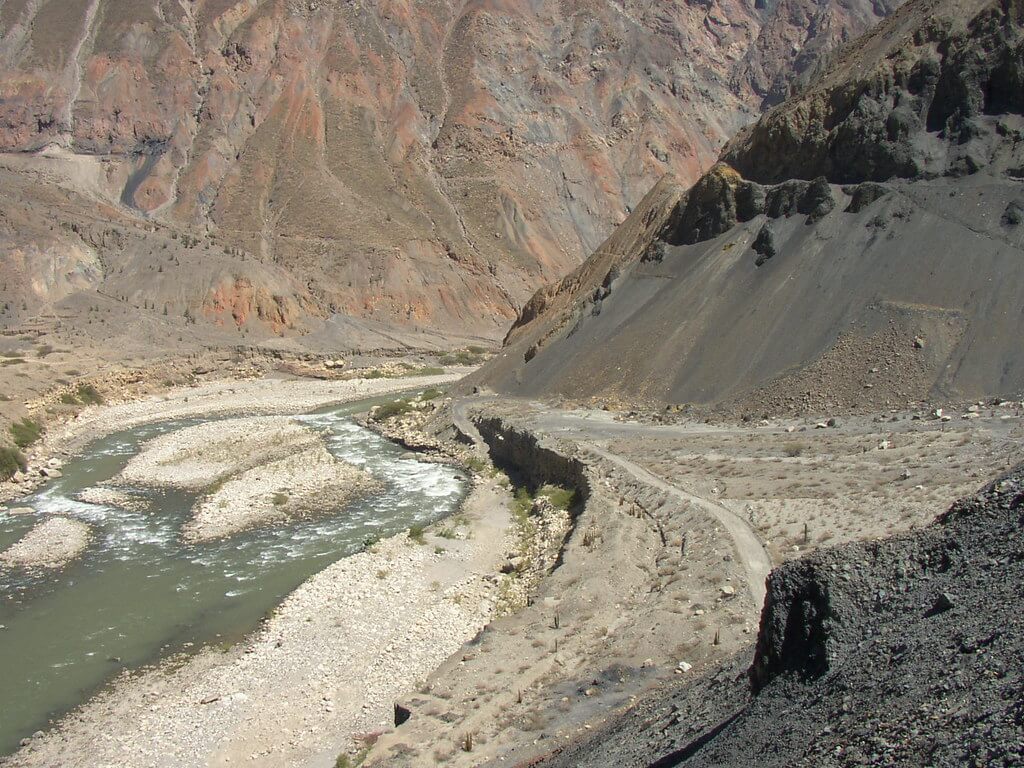
The Santa River system forms the ecological and economic backbone of the Callejón de Huaylas, creating the fertile floodplains and alluvial terraces that have supported human settlement for thousands of years. Originating from Laguna Conococha, which serves as the main source of the Santa River, this waterway flows northward through the entire length of the valley before eventually reaching the Pacific Ocean near the city of Chimbote.
The river's flow regime reflects the complex hydrology of high-altitude tropical environments, where glacial melt, seasonal precipitation, and groundwater discharge combine to create a relatively stable water supply throughout the year. This reliability has made intensive agriculture possible at elevations where other Andean regions struggle with water scarcity. The numerous tributaries descending from both cordilleras contribute additional water resources, creating a dendritic network of streams that support irrigation systems developed over centuries of careful management.
Glacial lakes scattered throughout the Cordillera Blanca serve as natural reservoirs that regulate river flow and provide spectacular landscape features. These lakes, formed by glacial action and often dammed by terminal moraines, create some of the most photographed scenery in Peru while serving crucial ecological and hydrological functions. Many of these water bodies exhibit the characteristic turquoise color resulting from glacial flour—finely ground rock particles suspended in the water.
Climate: Tropical Highland Dynamics
The Callejón de Huaylas experiences a highland tropical climate characterized by distinct wet and dry seasons, with temperature patterns primarily controlled by elevation rather than latitude. The region enjoys a "tropical" warm climate, with the rainy season occurring from November through early April, when temperatures range from 20-25°C (68-77°F). The dry season, from May through September, represents the "Andean Summer".
The valley's position between two major mountain ranges creates significant microclimatic variations across relatively short distances. Eastern slopes facing the Cordillera Blanca receive more precipitation due to orographic lifting of moisture-laden air masses, while western areas in the rain shadow of the Cordillera Negra experience more arid conditions. This precipitation gradient supports diverse vegetation patterns, from lush riparian forests along stream courses to xerophytic plant communities on drier slopes.
Temperature variation with elevation follows predictable patterns, with the valley floor at Huaraz (approximately 3,100 meters or 10,171 feet) experiencing mild conditions year-round, while higher elevations approach freezing temperatures regularly. Daily temperature fluctuations can be pronounced, particularly during the dry season when clear skies allow significant radiative cooling at night, followed by intense solar heating during daylight hours.
The region's climate classification falls within the temperate highland zone, creating conditions favorable for both traditional Andean crops and introduced species. This well-watered, mostly temperate, and healthy valley climate has attracted human settlement throughout history, contributing to the development of one of Peru's most densely populated highland regions.
Biodiversity and Ecosystems
The altitudinal gradient and diverse topography of the Callejón de Huaylas create multiple ecological zones that support remarkable biodiversity within a relatively compact geographic area. These ecosystems range from montane dry forests on lower slopes to alpine tundra environments approaching the highest peaks, with each zone hosting specialized plant and animal communities adapted to specific environmental conditions.
The valley floor and lower slopes support modified agricultural ecosystems where centuries of human management have created a mosaic of cultivated fields, pastures, and remnant natural vegetation. Traditional polyculture systems maintain the genetic diversity of native crops while supporting wildlife species that have adapted to human-modified landscapes. These areas often harbor important populations of birds, small mammals, and insects that depend on the ecological complexity created by diverse agricultural practices.
Mid-elevation zones transitioning toward the cordilleras support shrubland and grassland communities dominated by native species adapted to seasonal drought and intense solar radiation. These environments host specialized flora, including numerous endemic species, particularly among the Asteraceae, Poaceae, and other families well-represented in high-altitude tropical environments. Wildlife in these zones includes various hummingbird species (Trochilidae), mountain viscachas (Lagidium peruanum), and numerous endemic lizard and snake species.
Higher elevations approaching the glacial zones support distinctive Puna vegetation communities characterized by bunch grasses, cushion plants, and specialized shrubs adapted to extreme temperature fluctuations and intense ultraviolet radiation. These environments provide habitat for iconic Andean species, including vicuñas (Vicugna vicugna), Andean condors (Vultur gryphus), and various high-altitude bird species that represent some of the world's most extreme avian adaptations to altitude.
The glacial and periglacial environments of the highest elevations create unique ecological conditions that support highly specialized organisms, including extremophile microorganisms, endemic arthropods, and plant species that represent some of the highest-elevation life forms on Earth. These communities offer valuable insights into ecological adaptation and responses to climate change in high-altitude tropical environments.
Human Geography and Cultural Heritage
The Callejón de Huaylas has supported human settlement for over 12,000 years, with archaeological evidence indicating continuous occupation across multiple cultural periods, including those of the Chavín, Huari, and Inca civilizations. This long history of human adaptation to high-altitude environments has created a rich cultural landscape where traditional knowledge systems, agricultural practices, and social organization reflect a sophisticated understanding of mountain ecology and resource management.
Most inhabitants are subsistence farmers who cultivate potatoes and barley at higher elevations and corn (maize) and alfalfa at lower altitudes. This altitudinal zonation of crops represents a traditional strategy for maximizing agricultural productivity while minimizing risk in variable mountain environments. The practice of maintaining cultivated plots at different elevations—sometimes called "vertical archipelago"—allows families to access diverse ecological zones and their associated resources throughout the annual cycle.
Contemporary settlements in the valley reflect both traditional Andean urbanism and modern development patterns. Huaraz serves as the regional center, functioning as an agricultural hub that primarily handles wheat, corn (maize), and potatoes, while also supporting mining activities for silver, cinnabar, and coal, as well as some industrial activities, including weaving and brewing. The city's location at 3,100 meters (10,171 feet) elevation provides access to both higher agricultural zones and lower valley resources.
Traditional architecture throughout the valley seamlessly combines Spanish colonial influences with Indigenous building techniques, which have been adapted to seismic conditions and extreme weather events. The use of local materials, including stone, adobe, and traditional roofing systems, reflects both resource availability and accumulated knowledge about construction methods suitable for high-altitude environments prone to earthquakes and occasional extreme weather events.
The cultural landscape encompasses numerous archaeological sites that offer insights into pre-Columbian adaptations to high-altitude environments. These sites often demonstrate a sophisticated understanding of agricultural terracing, water management, and settlement planning that continues to influence contemporary land use patterns throughout the valley.
Economic Activities and Resource Use
The economy of the Callejón de Huaylas combines traditional agricultural activities with modern tourism and extractive industries, creating a complex economic system that reflects both historical patterns and contemporary market forces. The valley is favorable to agriculture, with its fertile soil, while also serving as a renowned tourist destination worldwide and a popular destination for trekking and climbing enthusiasts.
Agricultural production remains the foundation of the regional economy, with farming systems that combine subsistence production for local consumption with commercial crops for regional and national markets. Traditional crops, including potatoes, maize, quinoa, and barley, continue to be cultivated using methods that maintain genetic diversity while adapting to changing market conditions. Livestock production, particularly of cattle, sheep, and guinea pigs (Cavia porcellus), provides additional protein sources and income opportunities for rural families.
The region contains significant mineral resources, with silver, lead, and copper mines operating throughout the cordilleras. These extractive activities provide employment and economic benefits while also creating environmental challenges that require careful management to protect water quality and ecosystem integrity. The balance between resource extraction and environmental protection remains an ongoing challenge for regional development planning.
Tourism has emerged as an increasingly important economic sector, with the valley serving as the primary access point for Huascarán National Park and numerous trekking and mountaineering destinations. Huaraz serves as the access point for many hikes to beautiful Andean lakes over mountain passes and through steep valleys, with classic multi-day treks including Santa Cruz, Olleros, Alpamayo, and Huayhuash routes. The mountain setting, cool climate, and picturesque villages make the valley a major tourist area.
The tourism industry supports numerous secondary economic activities, including guiding services, equipment rental, transportation, accommodation, and artisan production. This economic diversification provides opportunities for local communities while creating incentives for environmental conservation and cultural preservation.
Natural Hazards and Environmental Challenges
The Callejón de Huaylas faces significant natural hazard risks due to its position in an active seismic zone, combined with the presence of numerous glacial lakes and steep topography. Historical records document significant flooding events, including a major flood in 1941 that devastated much of Huaraz, highlighting the ongoing vulnerability of valley communities to extreme hydrological events.
Glacial lake outburst floods (GLOFs) represent a particular concern due to climate change impacts on glacial stability. As temperatures rise, glacial retreat creates unstable moraine dams that can fail catastrophically, releasing large volumes of water and debris that can travel rapidly down valley slopes. These events pose significant risks to downstream communities and infrastructure, requiring ongoing monitoring and risk management efforts.
Seismic activity represents another significant hazard, as the region is situated within one of Peru's most active earthquake zones. The 1970 Ancash earthquake, measuring 7.9 on the Richter scale, caused massive landslides and flooding that killed over 70,000 people throughout the region, demonstrating the catastrophic potential of combined seismic and gravitational hazards in high-relief mountain environments.
Climate change impacts extend beyond glacial retreat to include changing precipitation patterns, temperature regimes, and extreme weather frequency. These changes impact agricultural productivity, water resource availability, ecosystem composition, and the frequency of natural hazards, presenting complex challenges for adaptation planning and sustainable development.
Environmental degradation from mining activities, deforestation, overgrazing, and inappropriate agricultural practices creates additional stresses on ecosystem function and resilience. Water quality impacts from mining operations represent particular concerns due to the importance of clean water resources for both human communities and ecosystem health.
Conservation and Sustainable Development
Huascarán National Park, established in 1975, encompasses almost the entire range of the Cordillera Blanca, providing protection for crucial watersheds, biodiversity hotspots, and cultural heritage sites while supporting sustainable tourism development. This protected area represents one of Peru's most important conservation initiatives, combining ecosystem protection with opportunities for scientific research, environmental education, and low-impact recreation.
The park's management faces ongoing challenges in balancing conservation objectives with the needs of local communities who depend on natural resources for their livelihoods. Collaborative management approaches that integrate traditional ecological knowledge with modern conservation science offer promising models for addressing these challenges while maintaining both ecological integrity and cultural continuity.
Sustainable tourism development represents a key strategy for providing economic alternatives that support conservation goals while generating income for local communities. Certification programs for tourism operators, environmental education initiatives, and infrastructure development that minimize ecological impacts contribute to this approach.
Water resource management necessitates integrated approaches that cater to the diverse needs of agricultural users, urban populations, tourism operations, and ecosystem preservation. Climate change adaptation strategies must consider both current vulnerabilities and projected future conditions to ensure long-term water security throughout the valley system.
Agricultural sustainability initiatives promote traditional crop varieties, organic production methods, and diversified farming systems that maintain productivity while reducing environmental impacts. These approaches often build upon traditional knowledge systems while incorporating appropriate modern technologies and management practices.
Conclusion: A Valley at the Crossroads
The Callejón de Huaylas represents a remarkable synthesis of natural beauty, cultural heritage, and economic opportunity, exemplifying both the potential and challenges facing Peru's high-altitude regions in the 21st century. This spectacular valley corridor, framed by some of the world's most impressive mountain scenery, continues to sustain diverse human communities while harboring extraordinary biodiversity and providing crucial ecosystem services that extend far beyond its geographic boundaries.
The valley's future depends on maintaining the delicate balance between development and conservation that has characterized successful human adaptation to high-altitude environments for thousands of years. Climate change, economic pressures, and population growth present new challenges that necessitate innovative solutions, combining traditional knowledge with modern technology and management approaches.
As global attention focuses increasingly on mountain regions as crucial sources of water resources, biodiversity, and climate regulation services, the Callejón de Huaylas stands as both an example of successful human-environment interaction and a reminder of the ongoing work required to maintain these vital mountain systems. The snow-capped peaks of the Cordillera Blanca continue to inspire visitors from around the world while providing essential resources for valley communities, carrying forward a legacy of mountain heritage that connects past achievements with future possibilities.
The valley's role as a center for international mountaineering, trekking, and scientific research ensures its continued importance as a window into high-altitude tropical environments and their response to global environmental change. Through careful stewardship that honors both natural systems and cultural traditions, the Callejón de Huaylas can continue serving as a model for sustainable mountain development in an era of unprecedented environmental and social change.